Highly Branched Poly(Adipic Anhydride-Co-Mannitol Adipate): Synthesis, Characterization, and Thermal Properties
Mahir A. Jalal, Einas A. Abood, Zainab J. Sweah, Hadi S. Al-Lami, Alyaa Abdulhasan Abdulkarem, Haider Abdulelah

TL;DR
This study synthesizes and characterizes a new highly branched polymer by modifying poly(adipic anhydride) with D-mannitol, analyzing its thermal properties and molecular structure.
Contribution
The paper introduces a novel method to create highly branched poly(adipic anhydride-co-mannitol adipate) and evaluates its thermal stability and decomposition behavior.
Findings
FT-IR and 13C-NMR confirmed the formation of highly branched copolymers through the proposed mechanism.
The Flynn–Wall–Ozawa method provided better thermal decomposition analysis with R2 correlation up to 99.3%.
Higher mannitol content improved the thermal stability of the copolymers.
Abstract
In this study, modification of poly(adipic anhydride) through branching its chains was carried out via melt condensation polymerization with D-mannitol. The percentage of mannitol was varied (3, 4, 5, 10, 15, and 20 Wt.%) and the resulting copolymers were purified and characterized by FT-IR and 13C-NMR. These analyses indicated that linear chains of poly(adipic anhydride) can react with strong nucleophiles and dissociate to produce highly branched poly(adipic anhydride-co-mannitol adipate) which confirms the validity of the proposed mechanism. The copolymer’s molecular weight characteristics have been also examined using GPC analysis. Thermal properties of copolymers were also investigated using TGA, DTG, and DCS analyses. TGA/DTG revealed that the thermal degradation of copolymers proceeds in multi-stage decomposition, whereas the shift and pattern change of the melting point peak of…
Genes, proteins, chemicals, diseases, species, mutations and cell lines named across the full text — each resolved to its canonical identifier and authoritative record.
Click any figure to enlarge with its caption.
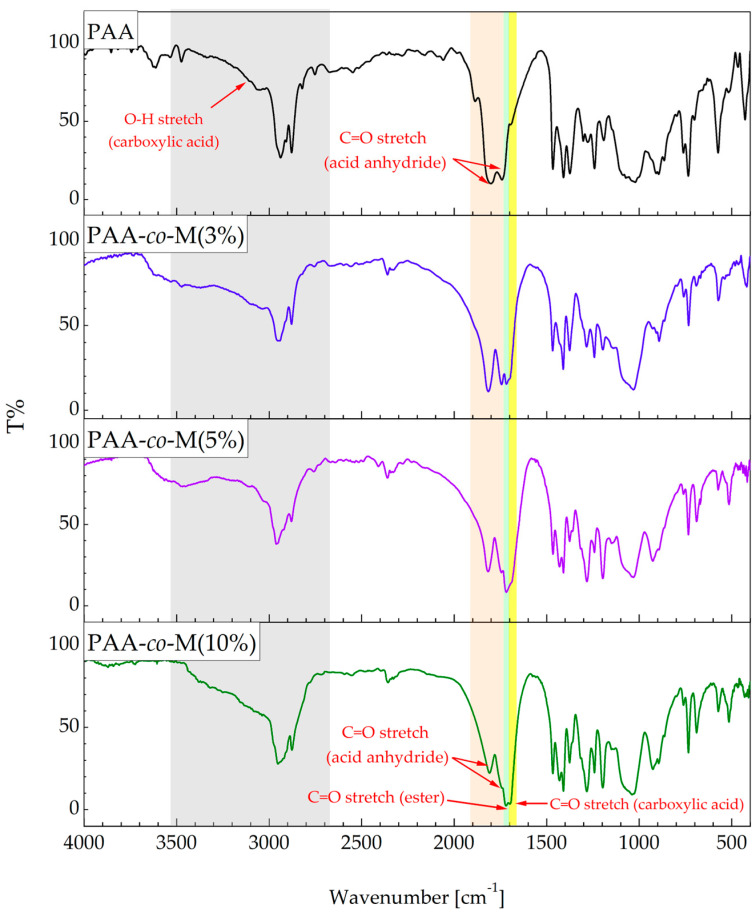 Figure 1
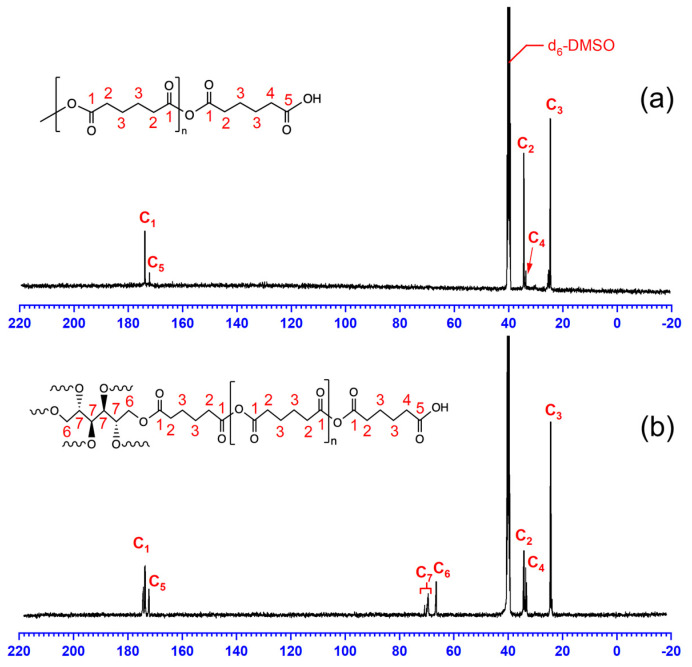 Figure 2
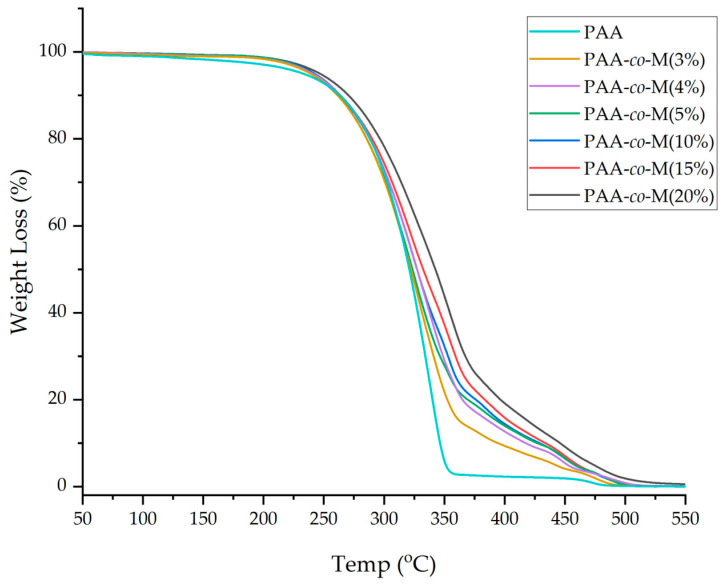 Figure 3
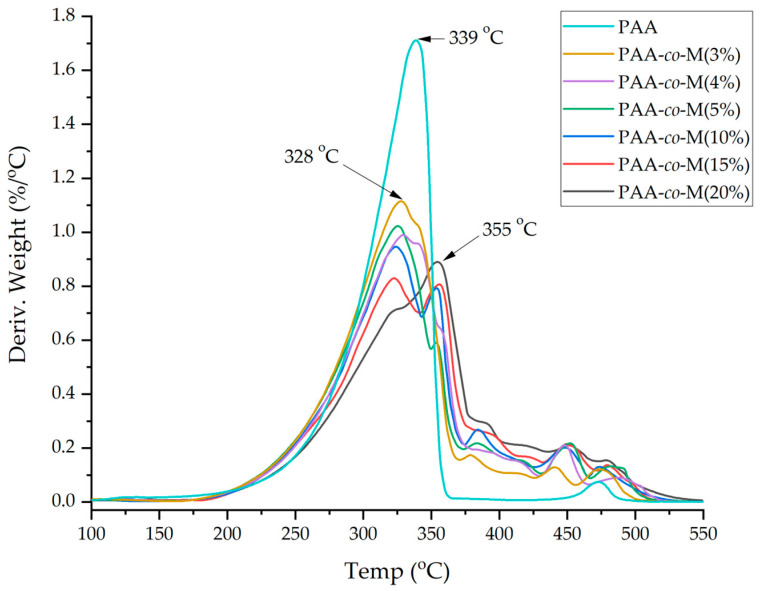 Figure 4
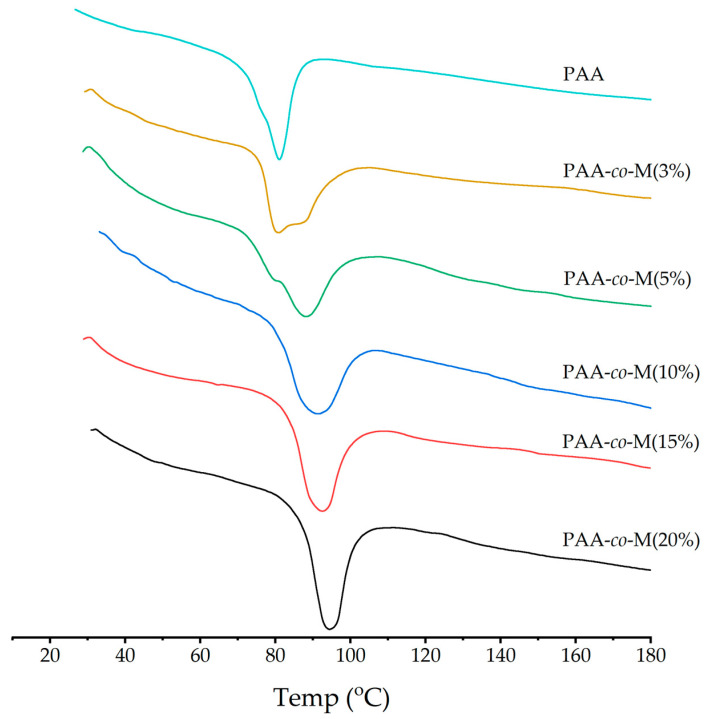 Figure 5
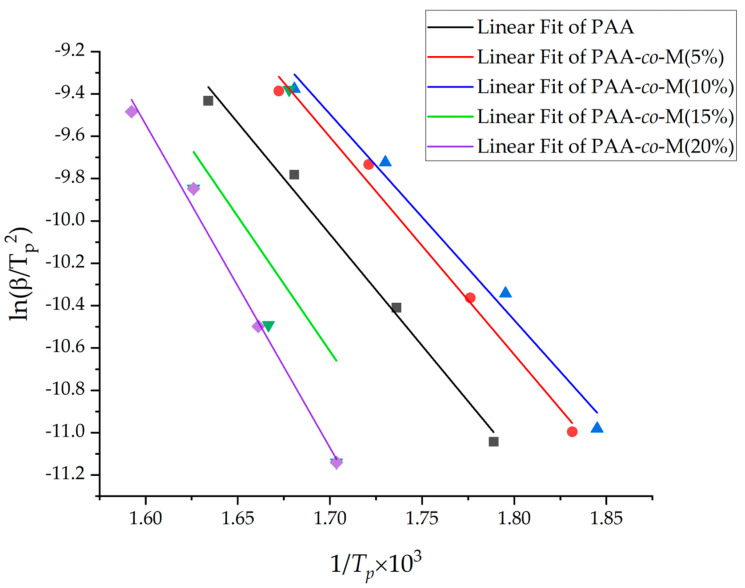 Figure 6
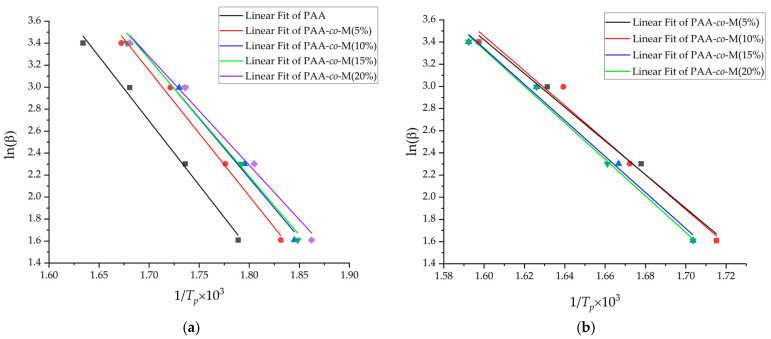 Figure 7
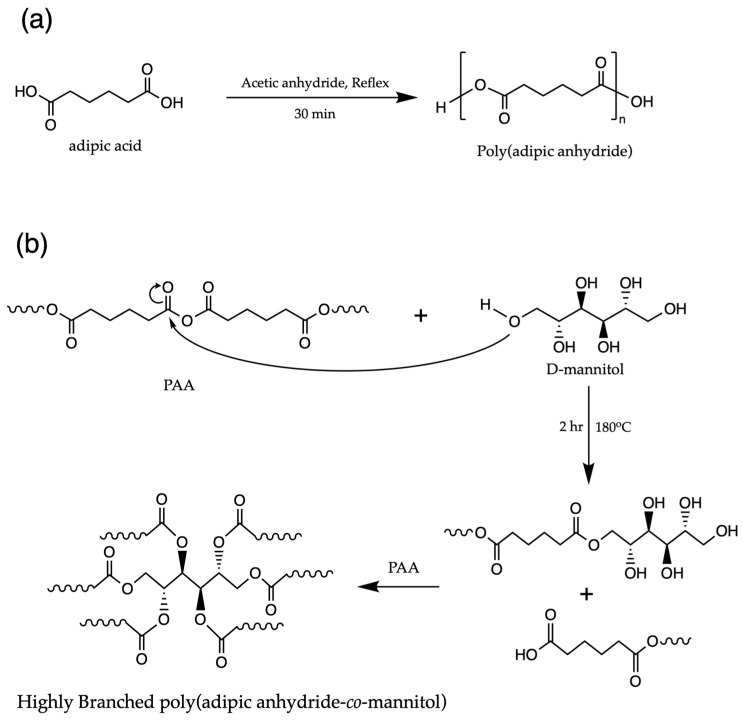 Figure 8
Peer Reviews
No public reviews on file for this paper yet. If you reviewed it on a platform where reviews are public (OpenReview, ICLR, NeurIPS, ICML), you can paste yours below so the community can read it here.
Videos
No videos yet. Explain this paper in a talk, walkthrough, or lecture? Add one.
Taxonomy
Topicsbiodegradable polymer synthesis and properties · Carbon dioxide utilization in catalysis · Thermal and Kinetic Analysis