The impact of canine-assisted intervention on stress reduction among university students in Thailand
Saengduean Yotanyamaneewong, Daranee Junla, Janine L. Brown, Nathida Siriapaipant, Naruedee Yodkamol, Worapat Prachasilchai, Adul Saengthong, Pratch Sanguansak, Thanapun Kankonsue, Veerasak Punyapornwithaya, Chalutwan Sansamur, Korakot Nganvongpanit, Jaruwan Khonmee

TL;DR
This study shows that interacting with dogs can reduce stress in university students, with potential benefits for both humans and dogs.
Contribution
The study is the first to simultaneously measure stress biomarkers in both students and dogs during canine-assisted interventions.
Findings
Expectation of dog interaction reduced self-reported stress, pulse rate, and salivary cortisol in students.
Dogs showed higher fecal glucocorticoid metabolite concentrations during interaction weeks, suggesting positive stimulation.
Stress biomarkers in students remained lower after interacting with dogs.
Abstract
Stress negatively impacts university students, leading to adverse outcomes. While canine-assisted intervention (CAI) has been shown to reduce self-reported stress, no studies have investigated stress levels and associated biomarkers in dogs and students simultaneously. This study examined salivary cortisol, blood pressure, and pulse rate in 122 university students experiencing self-reported moderate to high stress before an encounter with a dog (T1), immediately before meeting a dog (T2), and after spending 15 minutes interacting with a dog (T3). Participants assessed their stress level using a visual analog scale, and blood pressure and pulse rate were measured at three time points. Salivary cortisol was also measured at T1 and T3. Six privately owned dogs, all in good health and comfortable with strangers, participated in the intervention sessions. Salivary and fecal cortisol samples…
Genes, proteins, chemicals, diseases, species, mutations and cell lines named across the full text — each resolved to its canonical identifier and authoritative record.
Click any figure to enlarge with its caption.
 Figure 1
 Figure 2
 Figure 3
 Figure 4
 Figure 5
 Figure 6
 Figure 7
 Figure 8
 Figure 9
 Figure 10
 Figure 11
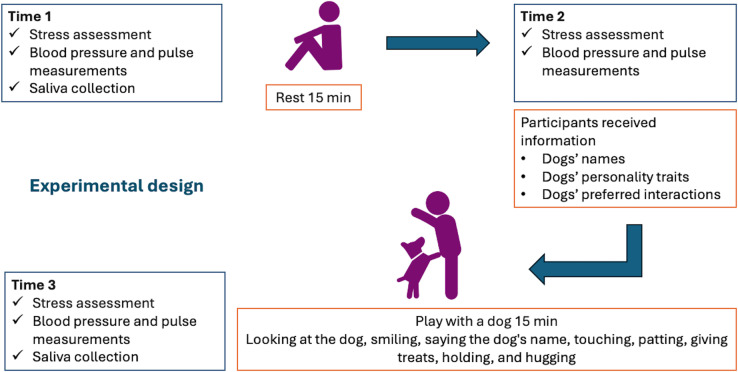 Figure 12
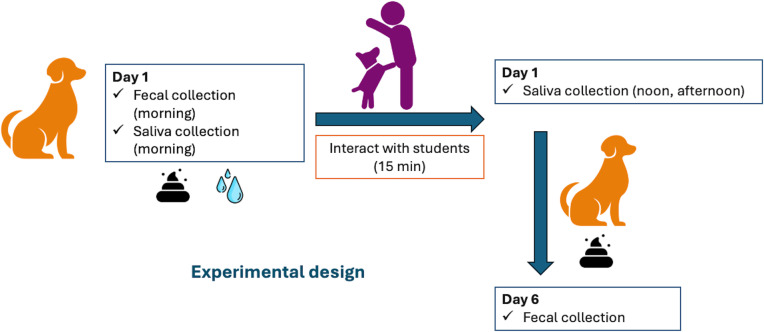 Figure 13
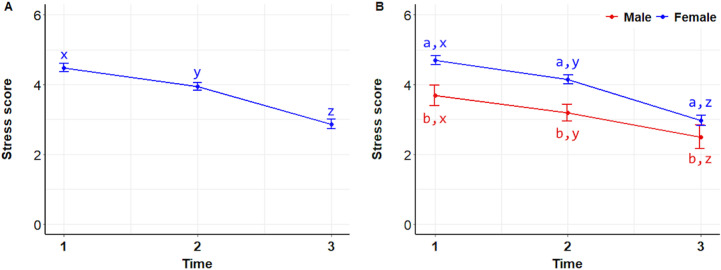 Figure 14
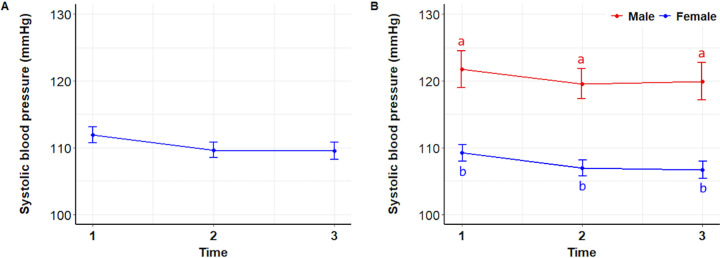 Figure 15
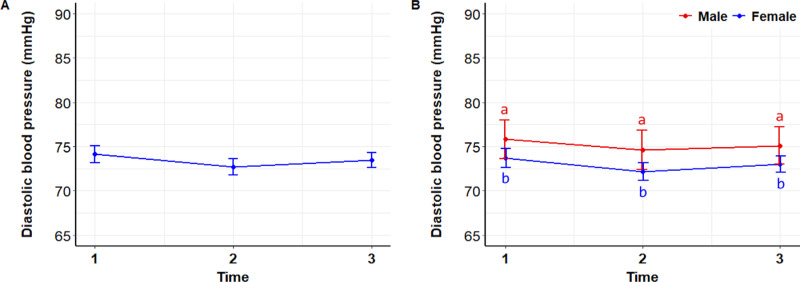 Figure 16
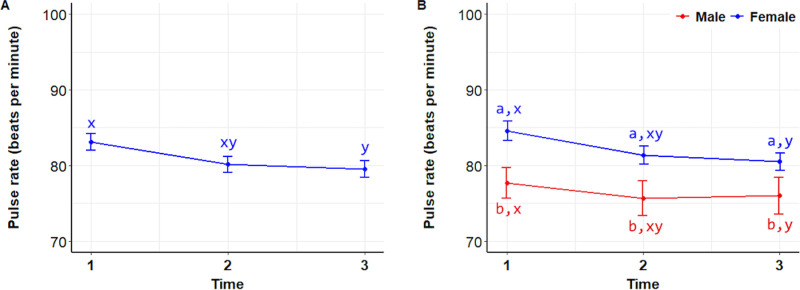 Figure 17
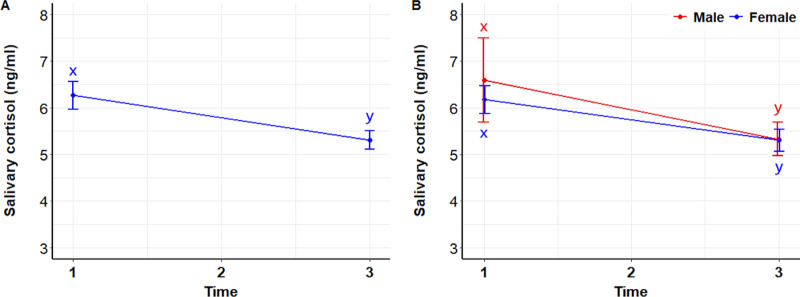 Figure 18
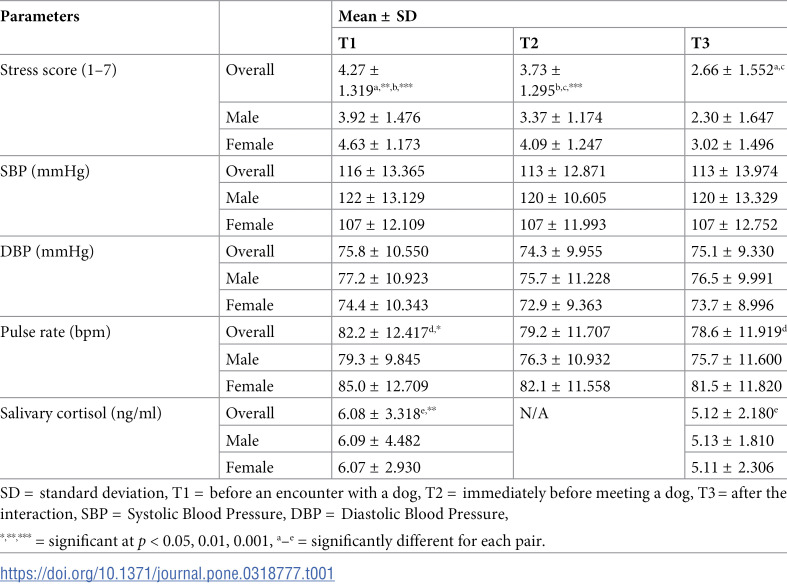 Figure 19
Peer Reviews
No public reviews on file for this paper yet. If you reviewed it on a platform where reviews are public (OpenReview, ICLR, NeurIPS, ICML), you can paste yours below so the community can read it here.
Videos
No videos yet. Explain this paper in a talk, walkthrough, or lecture? Add one.
Taxonomy
TopicsHuman-Animal Interaction Studies · Veterinary Practice and Education Studies · Stress Responses and Cortisol