Host Transcriptome and Microbial Variation in Relation to Visceral Hyperalgesia
Christopher J. Costa, Stephanie Prescott, Nicolaas H. Fourie, Sarah K. Abey, LeeAnne B. Sherwin, Bridgett Rahim-Williams, Paule V. Joseph, Hugo Posada-Quintero, Rebecca K. Hoffman, Wendy A. Henderson

TL;DR
This study explores how the host transcriptome and oral microbiome relate to visceral hyperalgesia, finding links between microbial diversity, gene expression, and pain sensitivity.
Contribution
The study identifies specific microbial families and gene pathways associated with visceral hypersensitivity, linking microbiome variation to host RNA biology.
Findings
259 OTUs were associated with IVP through differential expression of 471 genes in inflammation and neural pathways.
Lachnospiraceae, Prevotellaceae, and Veillonellaceae showed the strongest associations with IVP.
Reduced oral microbial diversity was observed in participants with visceral hypersensitivity.
Abstract
Background: Chronic visceral hypersensitivity is associated with an overstressed pain response to noxious stimuli (hyperalgesia). Microbiota are active modulators of host biology and are implicated in the etiology of visceral hypersensitivity. Objectives: we studied the association between the circulating mRNA transcriptome, the intensity of induced visceral pain (IVP), and variation in the oral microbiome among participants with and without baseline visceral hypersensitivity. Methods: Transcriptomic profiles and microbial abundance were correlated with IVP intensity. Host mRNA and microbes associated with IVP were explored, linking variation in the microbiome to host RNA biology. Results: 259 OTUs were found to be associated with IVP through correlation to differential expression of 471 genes in molecular pathways related to inflammation and neural mechanisms, including Rho and…
Genes, proteins, chemicals, diseases, species, mutations and cell lines named across the full text — each resolved to its canonical identifier and authoritative record.
Click any figure to enlarge with its caption.
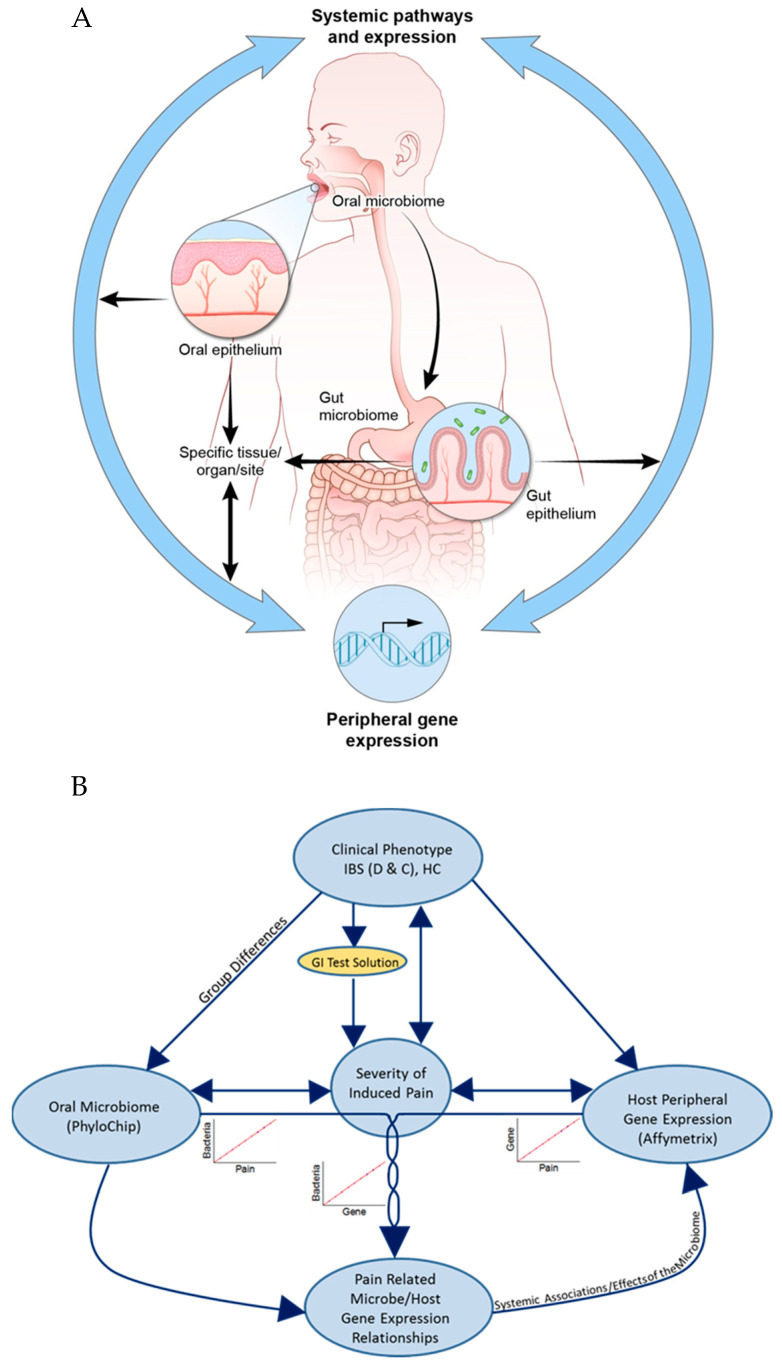 Figure 1
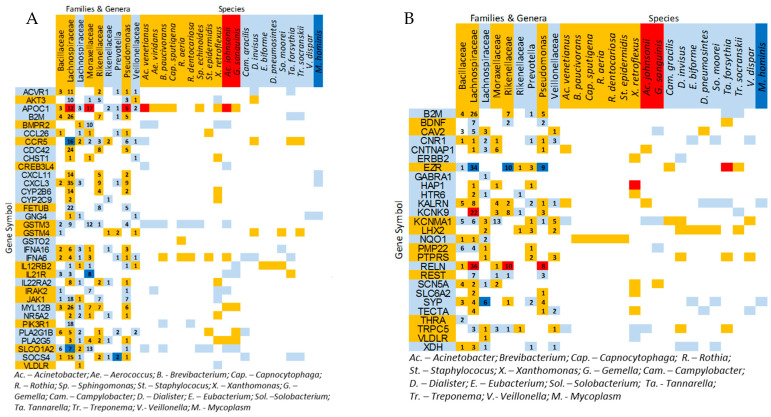 Figure 2
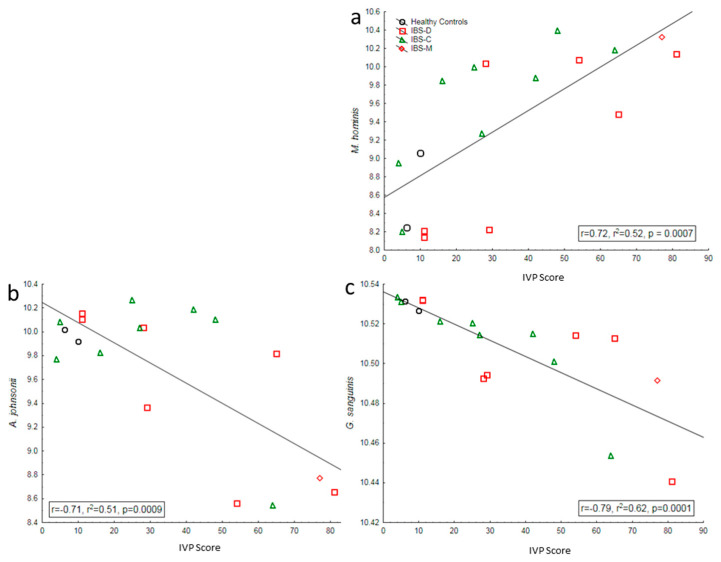 Figure 3
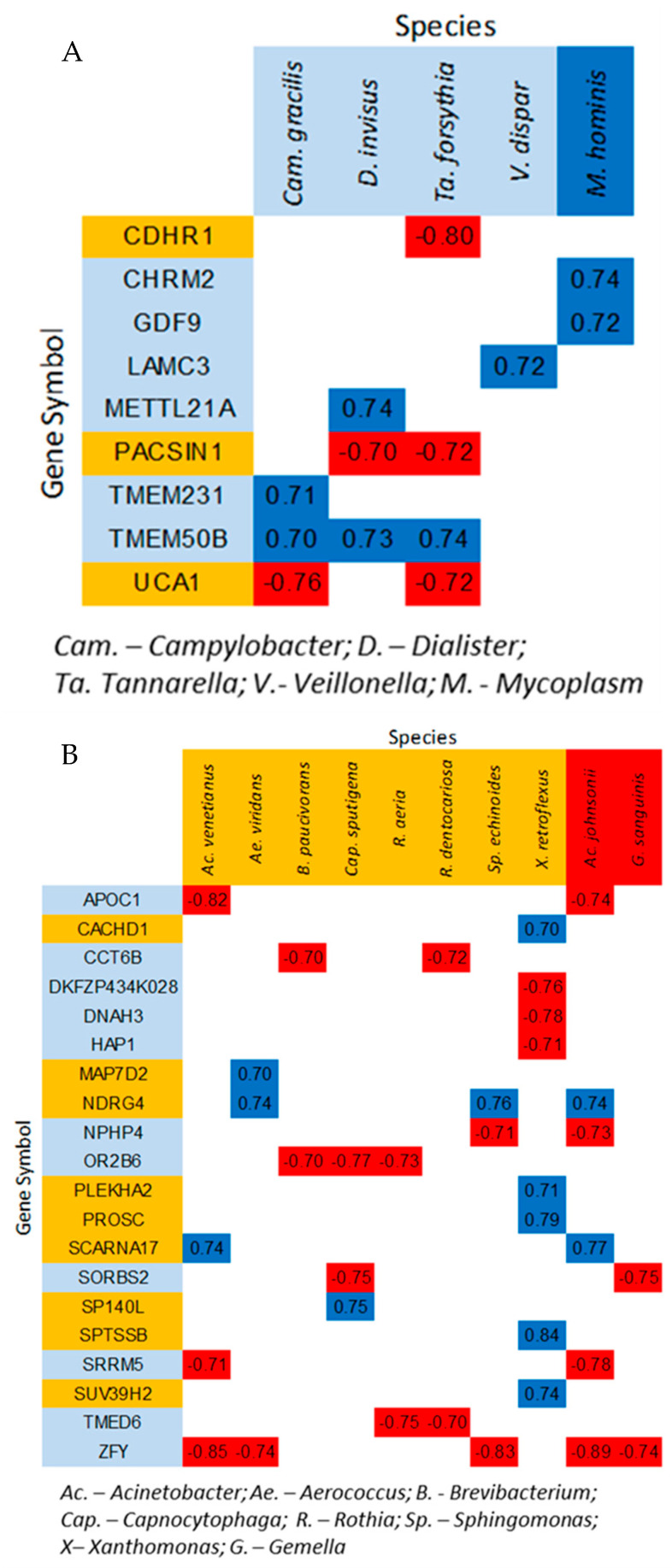 Figure 4
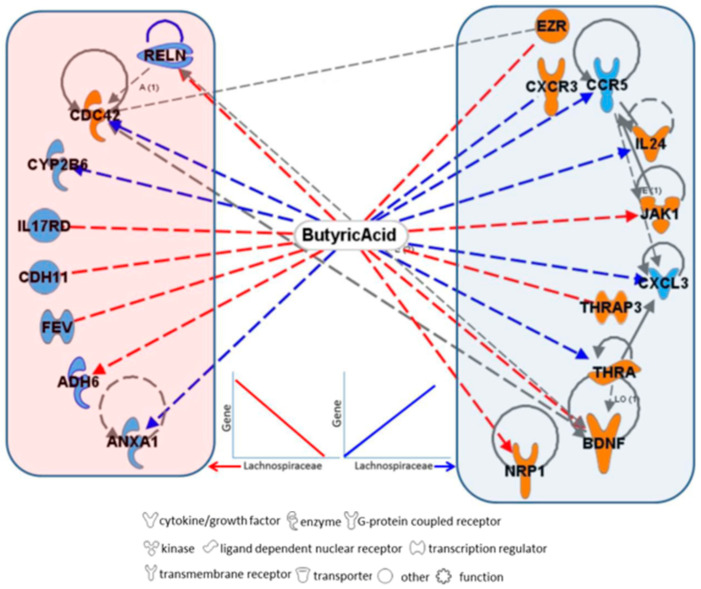 Figure 5
Peer Reviews
No public reviews on file for this paper yet. If you reviewed it on a platform where reviews are public (OpenReview, ICLR, NeurIPS, ICML), you can paste yours below so the community can read it here.
Videos
No videos yet. Explain this paper in a talk, walkthrough, or lecture? Add one.
Taxonomy
TopicsGastrointestinal motility and disorders · Diet and metabolism studies · Gut microbiota and health