Construction of Tandem Multimers with Different Combinatorial Forms of BmSPI38 and BmSPI39 and Analysis of Their Expression and Activity in Escherichia coli
Zhaofeng Zhang, Youshan Li, Xi Yang, Changqing Chen, Shuai Ru, Jie Jiang, Wenyao Cai, Jiyu Li, Juanle Du, Dejue Qiao

TL;DR
This study explores how combining two serine protease inhibitors from silkworms in different ways can improve their activity and expression in bacteria.
Contribution
The study demonstrates that specific combinations of BmSPI38 and BmSPI39 multimers enhance expression and activity in E. coli.
Findings
Tandem multimers with BmSPI39 at the carboxyl terminus showed higher expression in E. coli.
Certain recombinant proteins, like SPIabB and SPIaaB, exhibited stronger total activity than homotypic multimers.
Protein engineering of tandem combinations effectively increased the activity and expression of BmSPI38/BmSPI39 fusion proteins.
Abstract
It was found that the serine protease inhibitors BmSPI38 and BmSPI39 in silkworm can strongly inhibit the activity of porcine pancreatic elastase, which has potential applicational value in the drug research and development of lung diseases, inflammatory diseases, and skin aging caused by the excessive release of elastase. Previous studies have shown that homotypic multimers obtained by tandem expression can significantly enhance the antifungal activity and structural homogeneity of BmSPI38 and BmSPI39, while the effect of the tandem expression of these two inhibitors, with different combinations, on the total activity and expression levels of multimers remains unclear. The aim of this study is to explore whether it is possible to obtain the combination of BmSPI38 and BmSPI39 with strong total expression activity by protein engineering. In this study, 40 tandem multimer expression…
Genes, proteins, chemicals, diseases, species, mutations and cell lines named across the full text — each resolved to its canonical identifier and authoritative record.
Click any figure to enlarge with its caption.
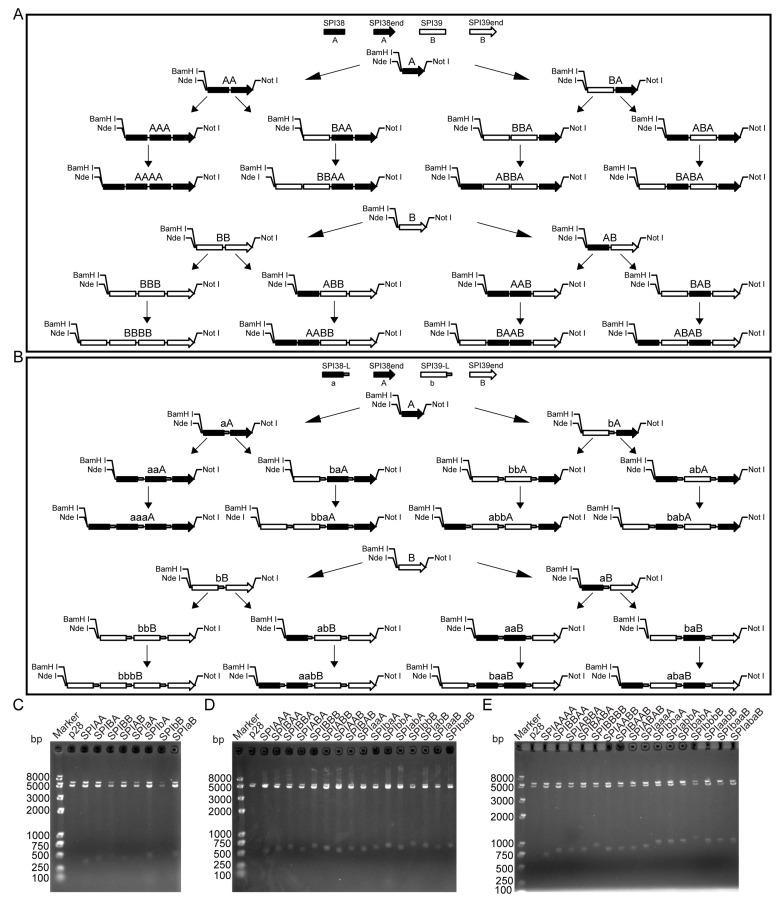 Figure 1
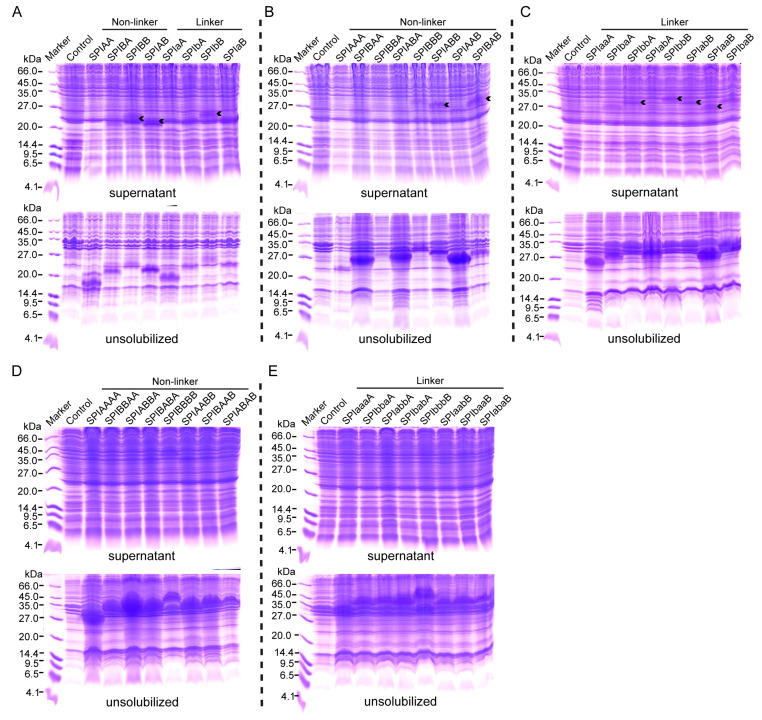 Figure 2
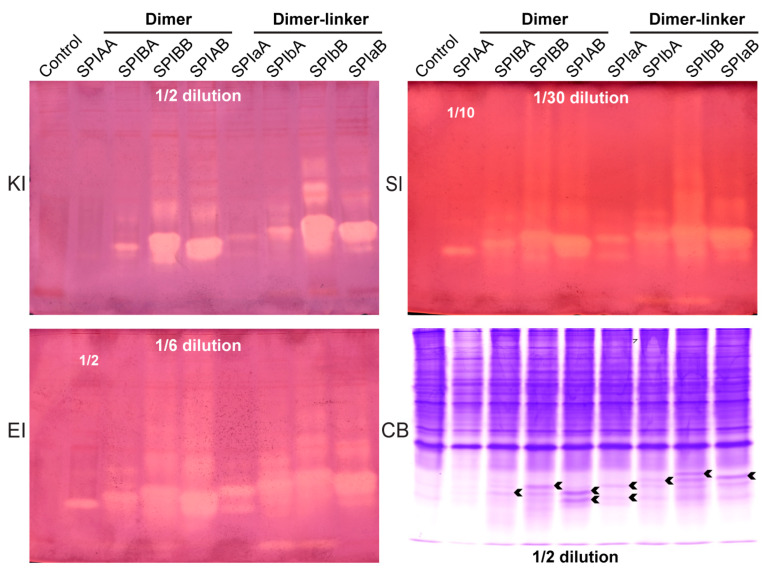 Figure 3
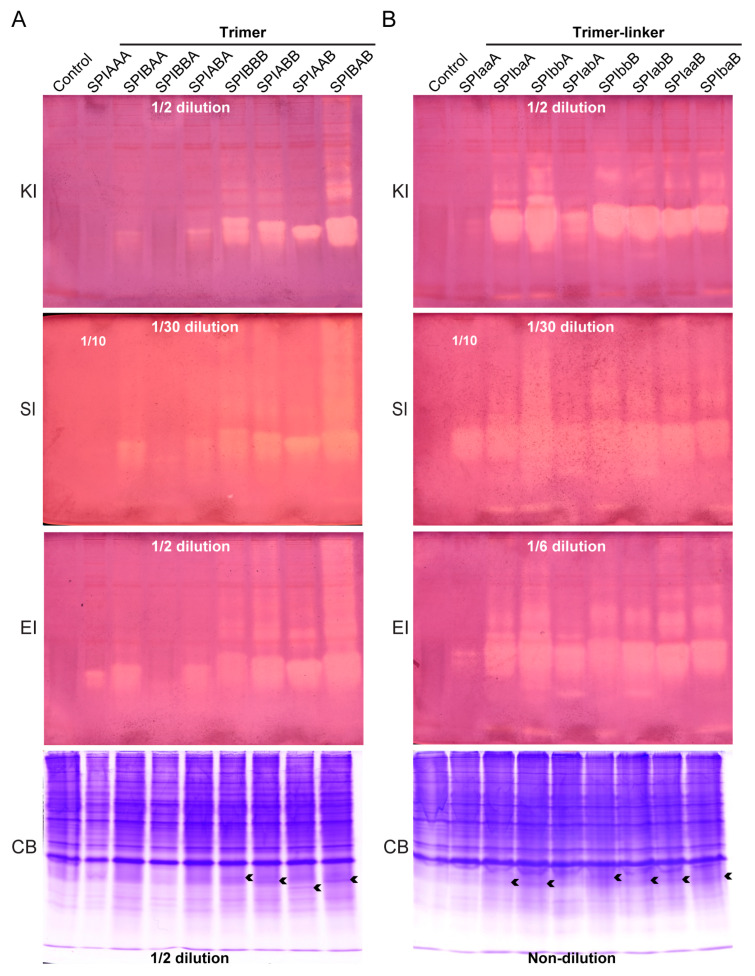 Figure 4
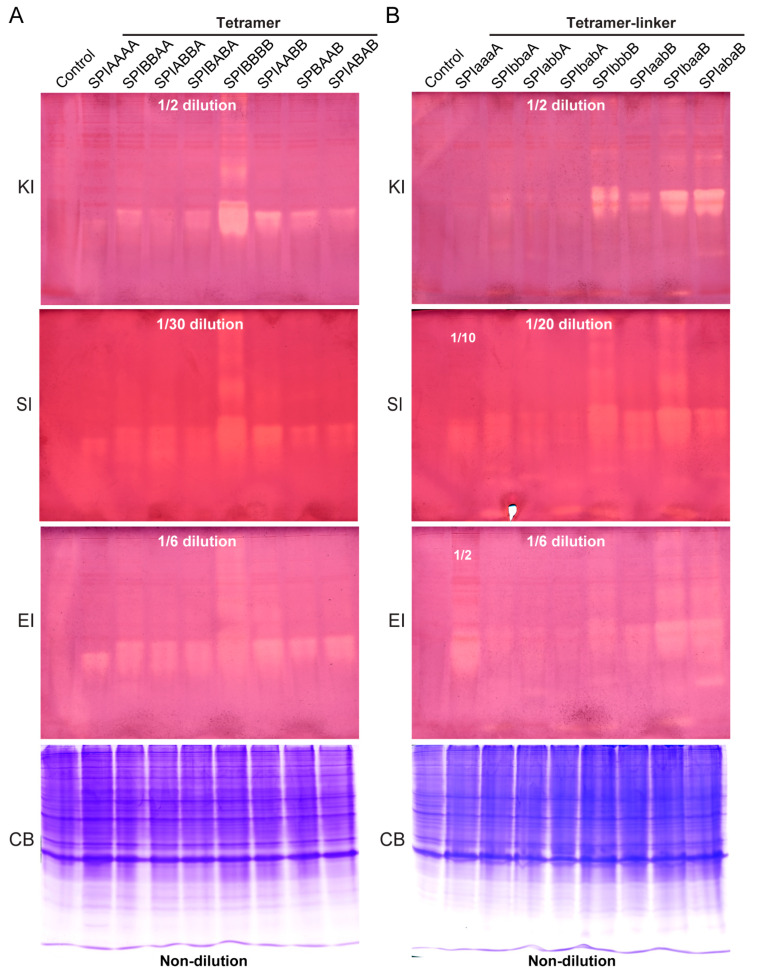 Figure 5
Peer Reviews
No public reviews on file for this paper yet. If you reviewed it on a platform where reviews are public (OpenReview, ICLR, NeurIPS, ICML), you can paste yours below so the community can read it here.
Videos
No videos yet. Explain this paper in a talk, walkthrough, or lecture? Add one.
Taxonomy
TopicsViral Infectious Diseases and Gene Expression in Insects · Silk-based biomaterials and applications · Invertebrate Immune Response Mechanisms