Genome Assembly of Arctica islandica, the Longest-Lived Non-Colonial Animal Species
Glenn S. Gerhard, John B. Allard, Scott Kaniper, Dorret Lynch, Hayan Lee, Sudhir Kumar

TL;DR
Scientists sequenced the genome of the ocean quahog, a clam that can live over 500 years, to study the genetic basis of extreme longevity.
Contribution
This is the first high-quality genome assembly of Arctica islandica, the longest-lived non-colonial animal species.
Findings
The genome is 1781.15 Mbps in size with high completeness and accuracy.
The gene set includes 39,509 genes, most of which are annotated and include various non-coding RNAs.
The genome assembly provides a foundation for studying the molecular basis of extreme longevity in bivalve species.
Abstract
Only a few dozen of the animal species on Earth can live for more than 100 years. The longest-lived animal is the ocean quahog, also known as the mahogany clam, which can live for more than 500 years. We determined the DNA sequence of the ocean quahog genome. Knowing the sequence of the longest-lived animal will allow for the comparison of its genome against long- and short-lived animals to identify the genes and pathways associated with a long life span. We report the first high-quality genome-wide assembly for Arctica islandica, the longest-lived non-colonial species, with a reported maximum life span of 507 years. The genome was assembled using short- and long-read DNA sequencing and RNA sequencing of four tissues. All assessment approaches indicated that the assembled genome is complete, contiguous, and accurate. The genome size is estimated at 1781.15 million base pairs (Mbps)…
Genes, proteins, chemicals, diseases, species, mutations and cell lines named across the full text — each resolved to its canonical identifier and authoritative record.
Click any figure to enlarge with its caption.
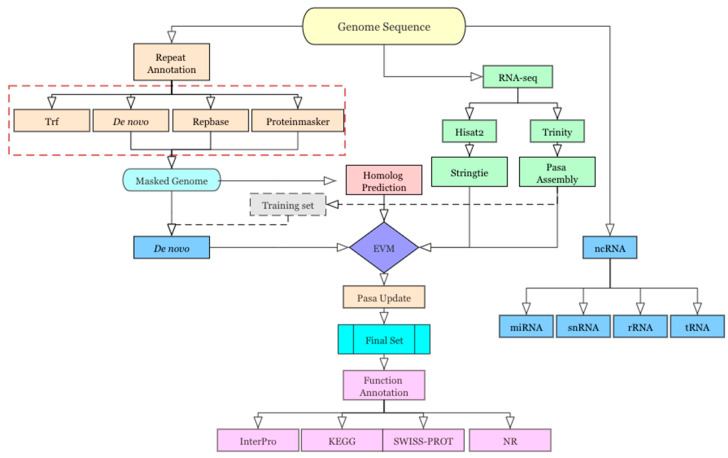 Figure 1
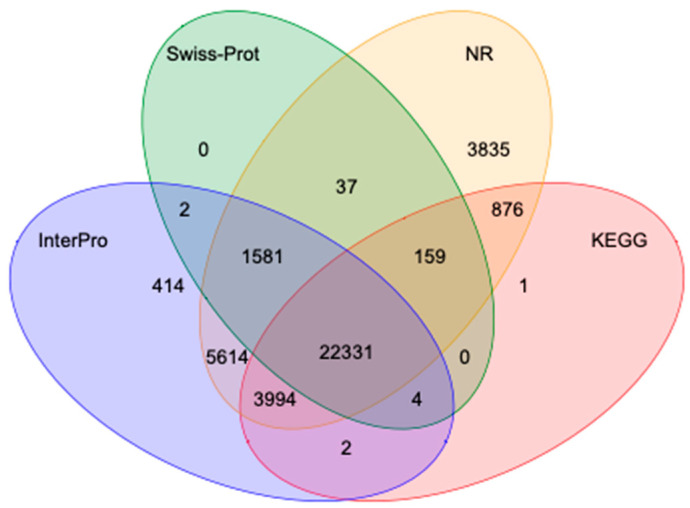 Figure 2
Peer Reviews
No public reviews on file for this paper yet. If you reviewed it on a platform where reviews are public (OpenReview, ICLR, NeurIPS, ICML), you can paste yours below so the community can read it here.
Videos
No videos yet. Explain this paper in a talk, walkthrough, or lecture? Add one.
Taxonomy
TopicsAquatic Invertebrate Ecology and Behavior · Genomics and Phylogenetic Studies · Marine Bivalve and Aquaculture Studies