Shorter Infantile Amnesia in Females: Important Implications for the Next Generation
Yuheng Yang, Yuya Sakimoto, Makoto Goshima, Dai Mitsushima

TL;DR
Female juvenile rats show better memory and learning than males, suggesting they experience shorter infantile amnesia, which could impact future generations.
Contribution
The study reveals sex differences in hippocampal learning and infantile amnesia in juvenile rats.
Findings
Females outperformed males in contextual learning despite low sex hormone levels.
Females may have a shorter period of infantile amnesia compared to males.
Early testosterone exposure influences brain masculinization and sex differences.
Abstract
The sex-specific development of hippocampal learning in juveniles remains unclear. Using an inhibitory avoidance task, we assessed contextual learning in both sexes of juvenile rats. While sex hormone levels and activating effects are low in juveniles, females showed superior performance to males, suggesting that females have a shorter period of infantile amnesia than males. It was already known that when infants are cared for by mothers with high parenting behavior, they are likely to become high parenting mothers themselves. In addition, neonatal testosterone is known to masculinize the brain, causing behavioral, neural, and hormonal sex differences. Here, we reviewed the purposeful significance of sex-specific development for learning, along with the interaction of developmental changes in the hormonal environment.
Genes, proteins, chemicals, diseases, species, mutations and cell lines named across the full text — each resolved to its canonical identifier and authoritative record.
Click any figure to enlarge with its caption.
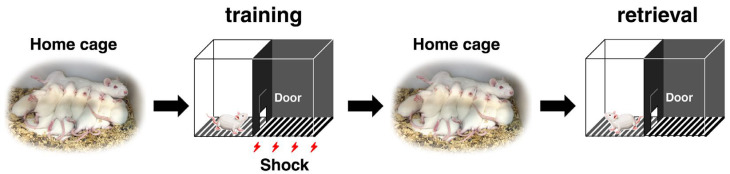 Figure 1
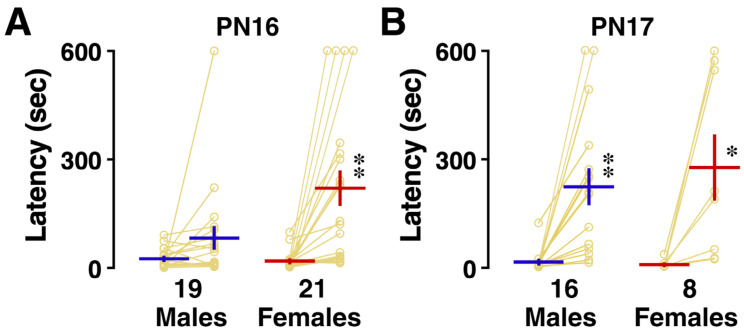 Figure 2
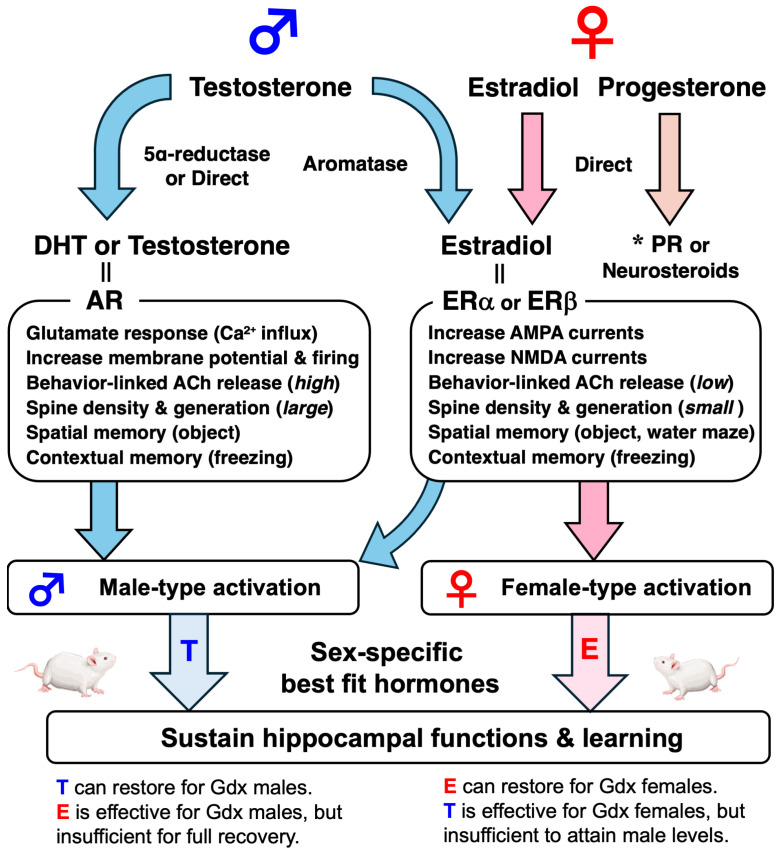 Figure 3
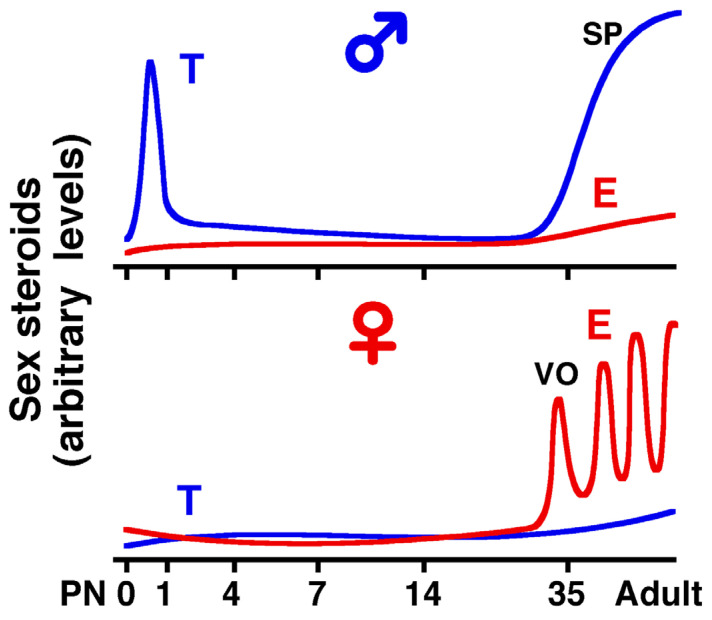 Figure 4
Peer Reviews
No public reviews on file for this paper yet. If you reviewed it on a platform where reviews are public (OpenReview, ICLR, NeurIPS, ICML), you can paste yours below so the community can read it here.
Videos
No videos yet. Explain this paper in a talk, walkthrough, or lecture? Add one.
Taxonomy
TopicsStress Responses and Cortisol · Neuroendocrine regulation and behavior · Memory and Neural Mechanisms