Digital Toxicology Teleconsultation for Adult Poisoning Cases in Saudi Hospitals: A Nationwide Study
Abdullah A. Alharbi, Mohammed A. Muaddi, Meshary S. Binhotan, Ahmad Y. Alqassim, Ali K. Alsultan, Mohammed S. Arafat, Abdulrahman Aldhabib, Yasser A. Alaska, Eid B. Alwahbi, Ghali Sayedahmed, Mobarak Alharthi, M. Mahmud Khan, Mohammed K. Alabdulaali, Nawfal A. Aljerian

TL;DR
This study uses digital health data to analyze adult poisoning cases in Saudi hospitals, revealing patterns and management strategies across the country.
Contribution
The study presents a nationwide analysis of adult poisoning cases using a digital toxicology teleconsultation platform in Saudi Arabia.
Findings
Young adults aged 18–35 made up 58.67% of poisoning cases, with the highest rates among those aged 18–24.
Medicine-related poisonings were most common (50.04%), followed by bites and stings (15.31%).
Summer months saw peak poisoning incidents (29.25%), and substance abuse cases had higher severe manifestations (24.34%).
Abstract
Background/Objectives: Poisoning represents a significant global public health challenge, particularly with its complex manifestations in adult populations. Understanding regional epidemiology through digital health systems is crucial for developing evidence-based prevention and management strategies. This nationwide study analyzes hospital-based toxicology teleconsultation data from the Toxicology Consultation Service-Saudi Medical Appointments and Referrals Center (TCS-SMARC) platform to characterize the epidemiological patterns, clinical features, and outcomes of adult poisoning cases across Saudi regions. Methods: We conducted a retrospective cross-sectional analysis of 6427 adult poisoning cases where hospitals sought teleconsultation from the Saudi Toxicology Consultation Service (TCS) from January to December 2023. Descriptive statistics were used to analyze poisoning rates by…
Genes, proteins, chemicals, diseases, species, mutations and cell lines named across the full text — each resolved to its canonical identifier and authoritative record.
Click any figure to enlarge with its caption.
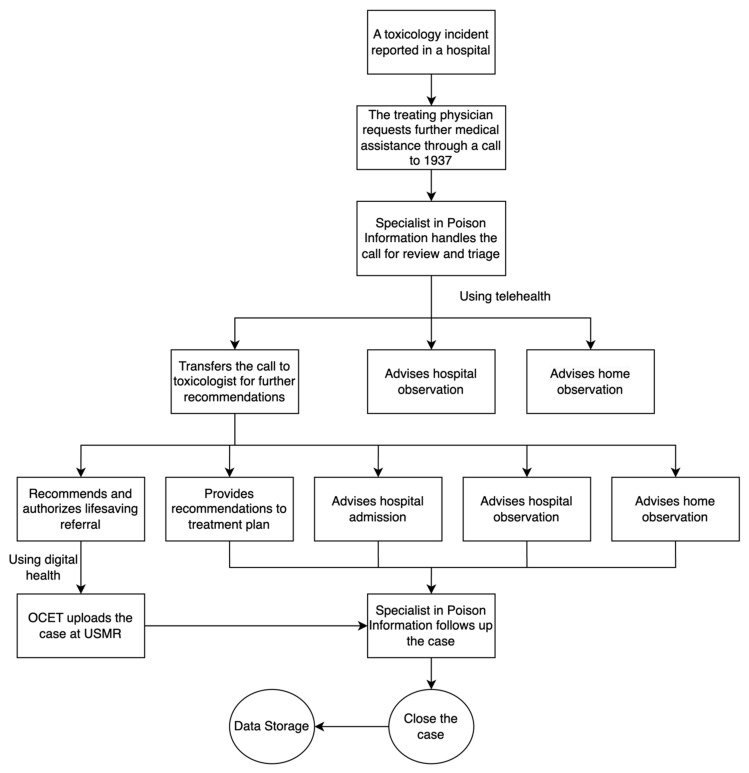 Figure 1
Peer Reviews
No public reviews on file for this paper yet. If you reviewed it on a platform where reviews are public (OpenReview, ICLR, NeurIPS, ICML), you can paste yours below so the community can read it here.
Videos
No videos yet. Explain this paper in a talk, walkthrough, or lecture? Add one.
Taxonomy
TopicsSafe Handling of Antineoplastic Drugs