Metabolomics Study Revealed the Effects of CaO-Treated Maize Straw on the Rumen Metabolites
Hui Wang, Mingjun Shi, Zhanxia Ma, Xuewei Zhang, Huiyong Shan, Xiaofeng Xu, Suyu Quan, Junqin Zhang, Yujia Tian

TL;DR
This study shows that treating maize straw with calcium oxide (CaO) improves its digestibility for ruminants by altering rumen metabolism and enhancing cellulose and amino acid metabolism.
Contribution
The study reveals how CaO treatment at higher concentrations disrupts lignin-cellulose bonds and boosts rumen metabolism through non-targeted metabolomics.
Findings
High-efficiency CaO treatment (5% and 7%) disrupts lignin-cellulose networks, enhancing cellulose metabolism and amino acid synthesis.
Dihydro-3-coumaric acid positively correlates with Prevotella and key fermentation indicators like acetate and propionate.
Metabolites from the HE group are enriched in amino acid and tryptophan metabolism pathways.
Abstract
Untreated maize straw has a low feed digestibility because of its high cellulose and lignin content, which restricts its use in animal feeding. A previous study by our team has demonstrated that calcium oxide (CaO), an affordable and eco-friendly alkaline reagent, may enhance the rumen degradation rate and fermentation effect of maize straw, while enriching the abundance of cellulose-degrading microorganisms. This study further explored the effects of different levels of CaO treatment on corn straw on rumen metabolism by liquid chromatography–mass spectrometry non-targeted metabolomics. Results showed that CaO in the HE group (High-Efficiency group: 5% and 7% levels) significantly broke down the network structure formed by lignin and cell wall polysaccharides in corn stalks, and improved cellulose metabolism and amino acid synthesis and metabolism. This study provides data for the…
Genes, proteins, chemicals, diseases, species, mutations and cell lines named across the full text — each resolved to its canonical identifier and authoritative record.
Click any figure to enlarge with its caption.
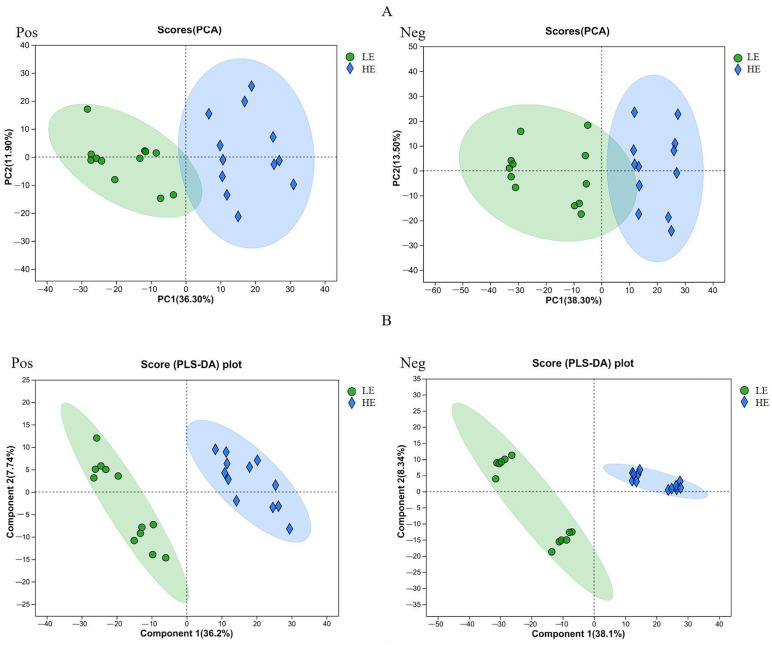 Figure 1
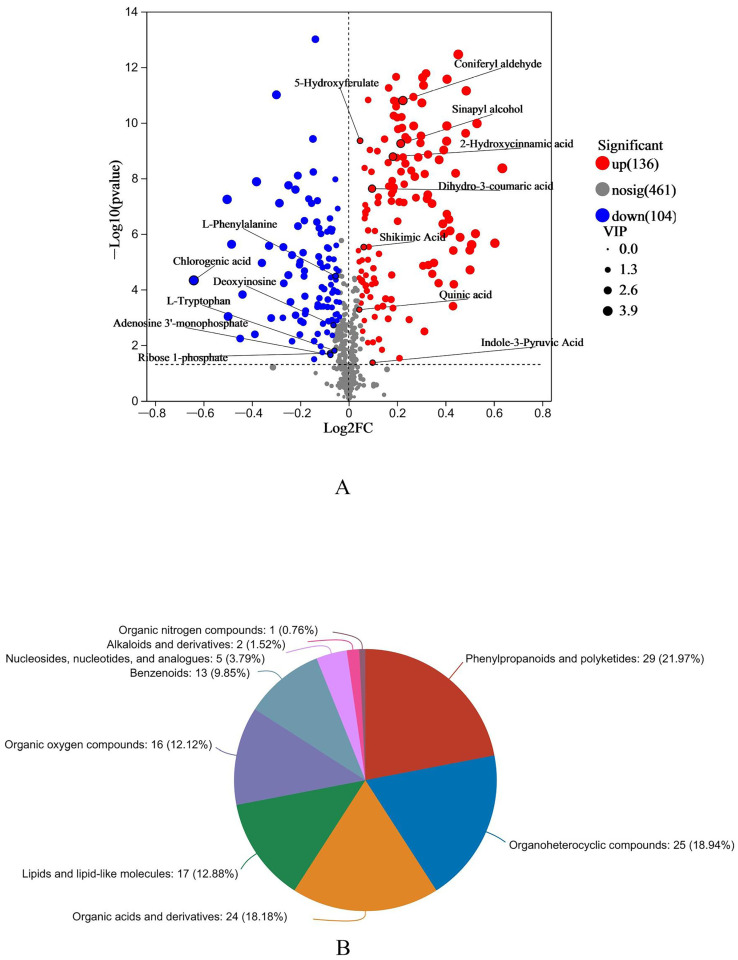 Figure 2
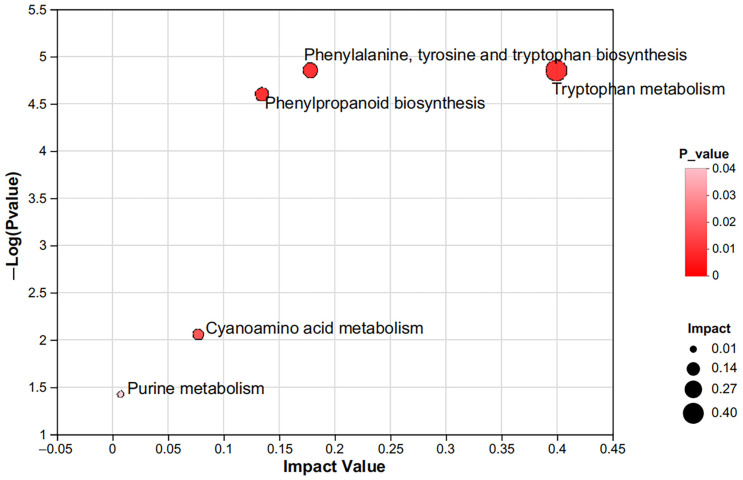 Figure 3
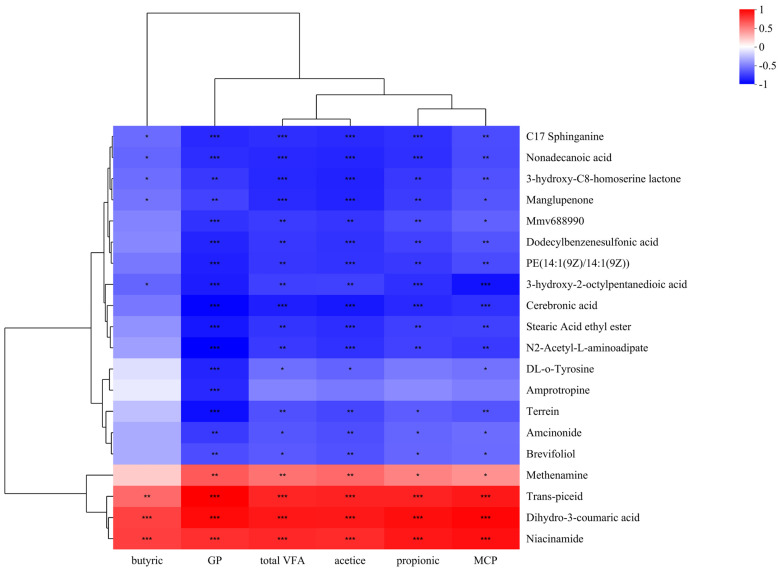 Figure 4
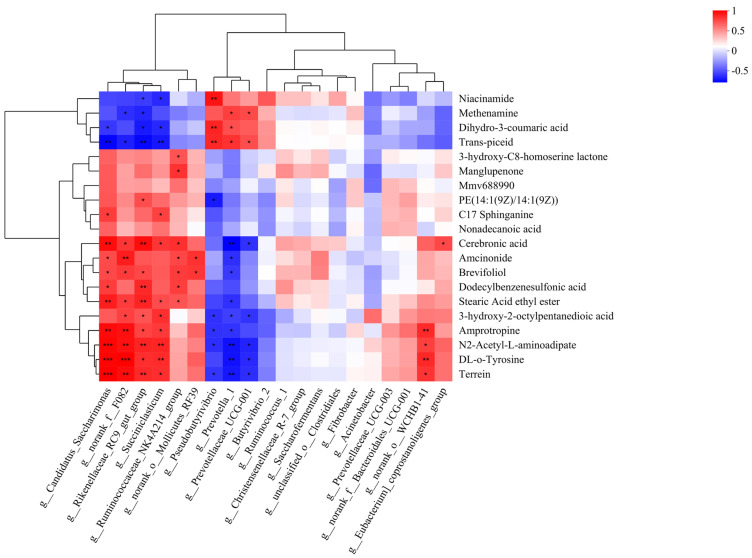 Figure 5
Peer Reviews
No public reviews on file for this paper yet. If you reviewed it on a platform where reviews are public (OpenReview, ICLR, NeurIPS, ICML), you can paste yours below so the community can read it here.
Videos
No videos yet. Explain this paper in a talk, walkthrough, or lecture? Add one.
Taxonomy
TopicsRuminant Nutrition and Digestive Physiology · Genetics and Plant Breeding · Microbial Metabolites in Food Biotechnology