Clinical, Laboratory, and Imaging Features Associated with Arginine Vasopressin Deficiency (Central Diabetes Insipidus) in Erdheim–Chester Disease (ECD)
Sonal Vaid, Juvianee Estrada-Veras, William A. Gahl, Nicholas Patronas, Rahul H. Dave, Fady Hannah-Shmouni, Kevin O’Brien, Skand Shekhar

TL;DR
This study explores how arginine vasopressin deficiency in Erdheim–Chester disease is linked to younger age, hormonal issues, and BRAF mutations, offering insights for better patient care.
Contribution
The study identifies AVP-D in ECD as associated with BRAF V600E mutations and specific hormonal and imaging features, suggesting a need for comprehensive assessments.
Findings
Subjects with AVP-D were younger and had more central endocrine deficiencies and pituitary imaging abnormalities.
AVP-D was associated with a higher burden of BRAF V600E pathogenic variants.
Absent posterior pituitary bright spots and abnormal pituitary imaging were linked to AVP-D.
Abstract
Arginine vasopressin deficiency (AVP-D, previously known as central diabetes insipidus) is among the most common initial presentations of ECD, implying that a deeper understanding of AVP-D-related factors may help improve outcomes. We performed a cross-sectional analysis of clinical, molecular and imaging features associated with AVP-D in ECD. Subjects with AVP-D were younger, and had more central endocrine deficiencies and pituitary imaging abnormalities. Importantly, AVP-D was associated with a higher burden of BRAF V600E pathogenic variants, which is also a therapeutic target. Together, our findings provide insights for triaging the care of AVP-D in ECD, suggesting that subjects with AVP-D may benefit from a comprehensive hormonal, molecular, and radiological assessment. Purpose: Erdheim–Chester disease (ECD) is an L Group Langerhans histiocytosis associated with pathogenic variants…
Genes, proteins, chemicals, diseases, species, mutations and cell lines named across the full text — each resolved to its canonical identifier and authoritative record.
Click any figure to enlarge with its caption.
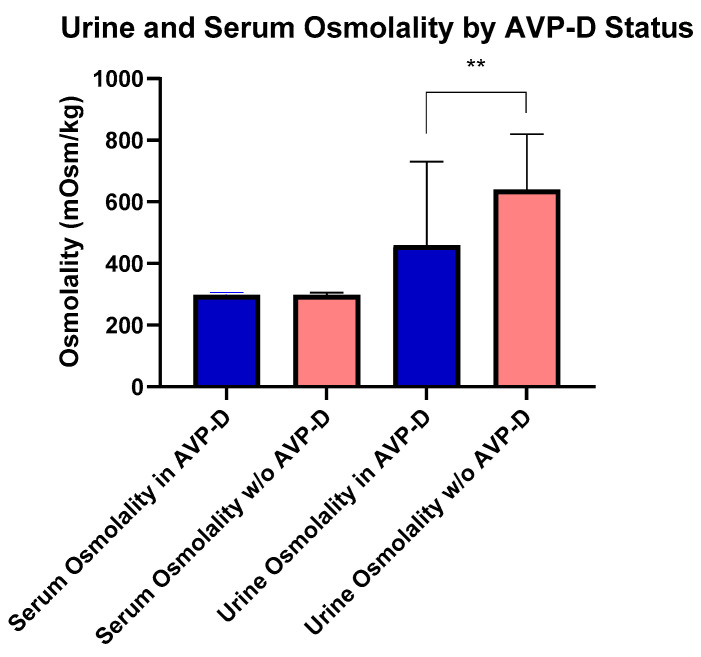 Figure 1
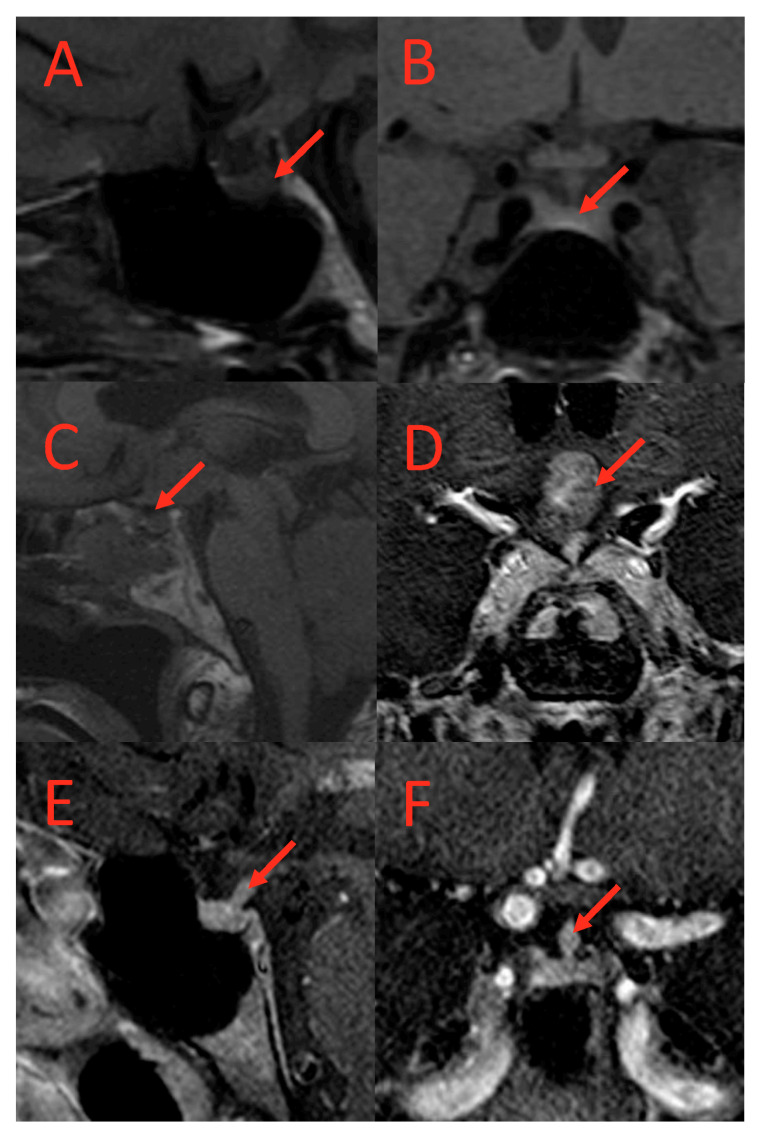 Figure 2
Peer Reviews
No public reviews on file for this paper yet. If you reviewed it on a platform where reviews are public (OpenReview, ICLR, NeurIPS, ICML), you can paste yours below so the community can read it here.
Videos
No videos yet. Explain this paper in a talk, walkthrough, or lecture? Add one.
Taxonomy
TopicsHistiocytic Disorders and Treatments · Parvovirus B19 Infection Studies · Eosinophilic Disorders and Syndromes