Decoding Time of Death: Histopathological Dynamics of Intervertebral Discs as a Novel Marker for Postmortem Interval Estimation
Selcuk Cetin, Tugba Ataseven, Ilkay Kalkanli, Bulent Eren

TL;DR
This study explores how changes in spinal discs after death can help estimate the time since death, offering a new forensic tool.
Contribution
The study introduces intervertebral disc histopathology as a novel and reliable marker for estimating postmortem intervals.
Findings
Histopathological changes in intervertebral discs showed a clear time-dependent progression correlated with postmortem intervals.
Parameters like homogenization, eosinophilia, and collagen fragmentation increased significantly over time.
The intervertebral disc is less affected by early decomposition, making it a promising tissue for PMI estimation.
Abstract
Objectives: Determination of the postmortem interval (PMI) remains a critical challenge in forensic science. Intervertebral discs, due to their structural resilience, hold promise as a reliable tissue for PMI estimation; however, studies focusing on their forensic applicability remain limited. This study aimed to evaluate progressive histopathological changes in intervertebral discs at specific postmortem intervals and assess their forensic applicability. Materials and Methods: A total of 48 rats were divided into six groups: control (0 h), 7-day, 15-day, 30-day, 60-day, and 90-day postmortem intervals. Intervertebral disc samples were stained with hematoxylin–eosin and trichrome, and histopathological parameters such as homogenization, eosinophilia, dissociation, nuclear alterations (pyknosis and karyolysis), and collagen fragmentation were analyzed. Results: Statistically significant…
Genes, proteins, chemicals, diseases, species, mutations and cell lines named across the full text — each resolved to its canonical identifier and authoritative record.
Click any figure to enlarge with its caption.
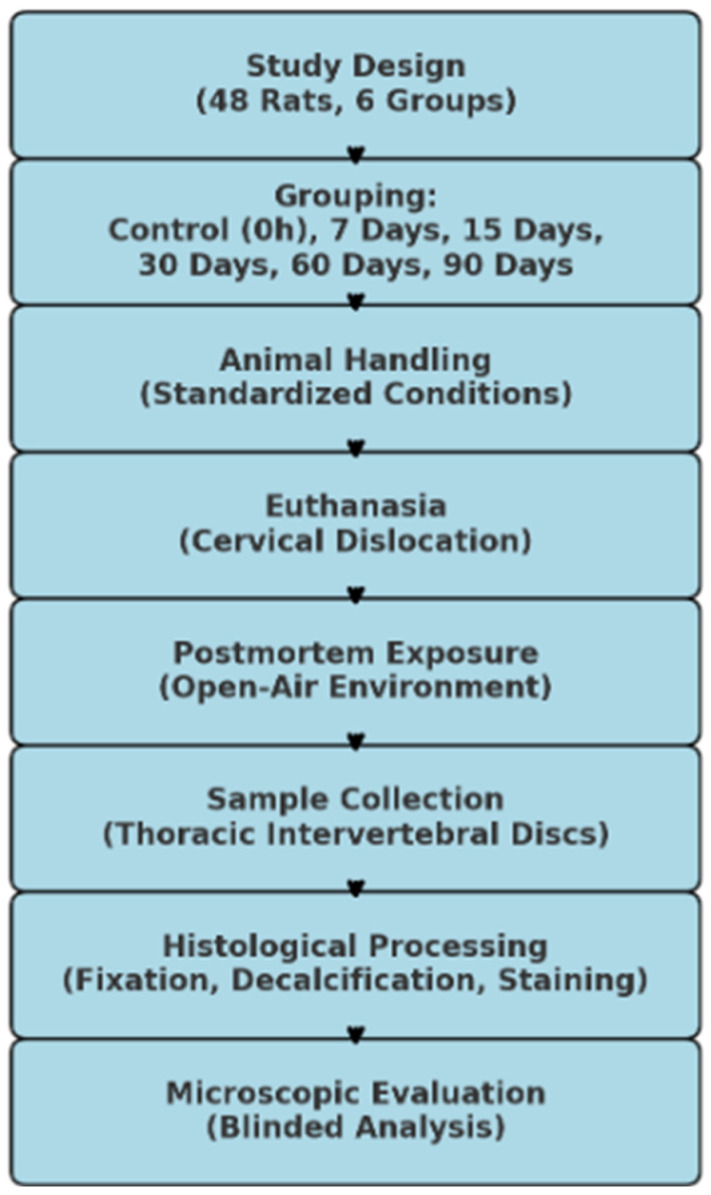 Figure 1
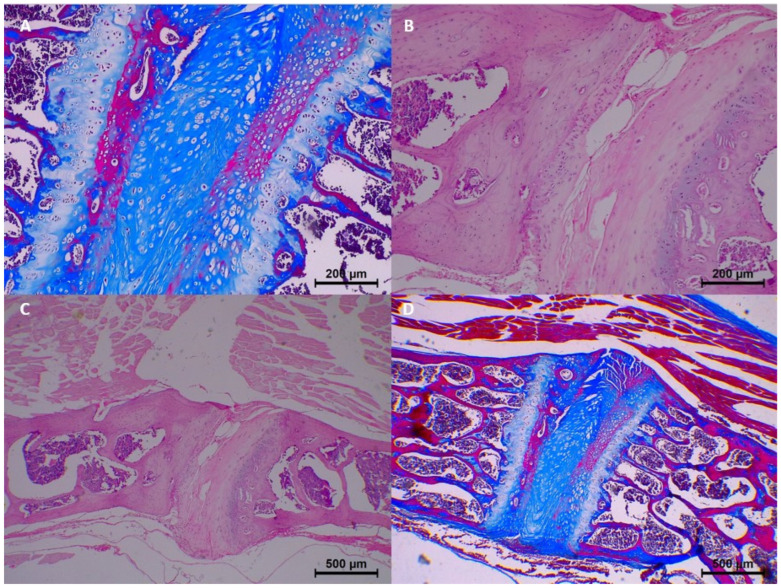 Figure 2
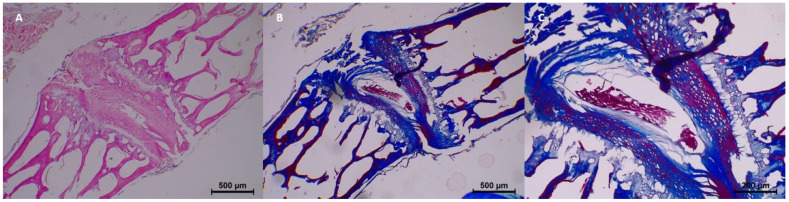 Figure 3
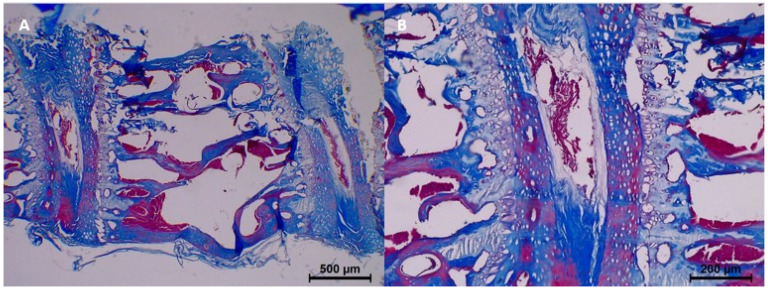 Figure 4
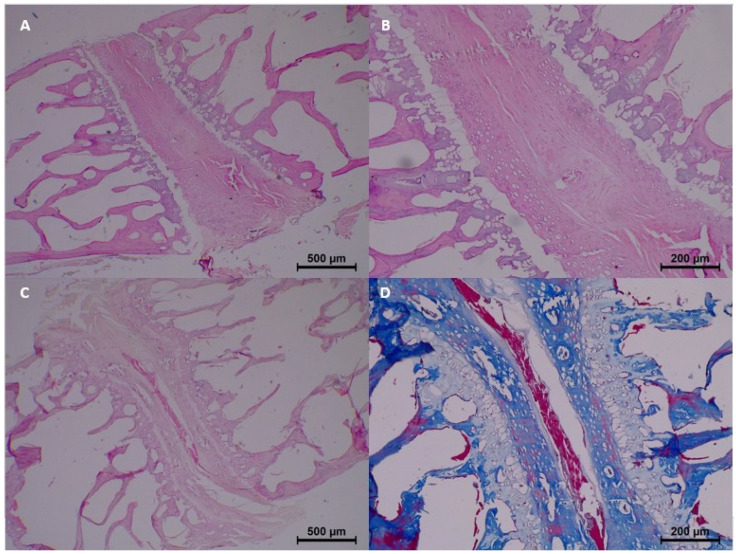 Figure 5
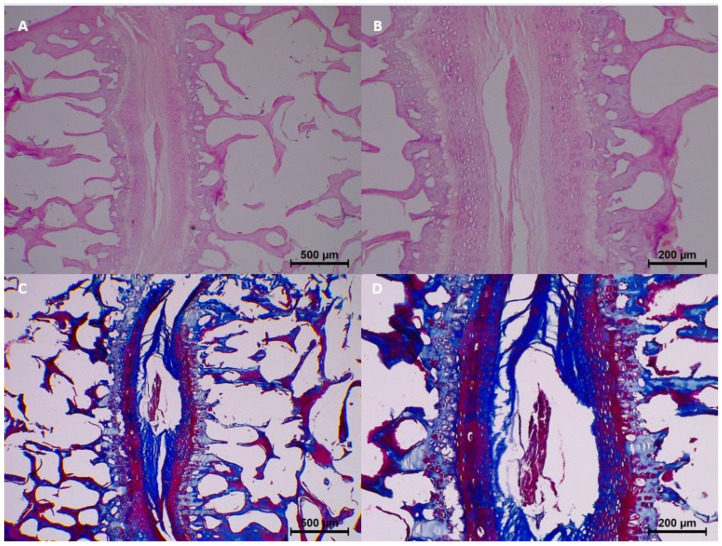 Figure 6
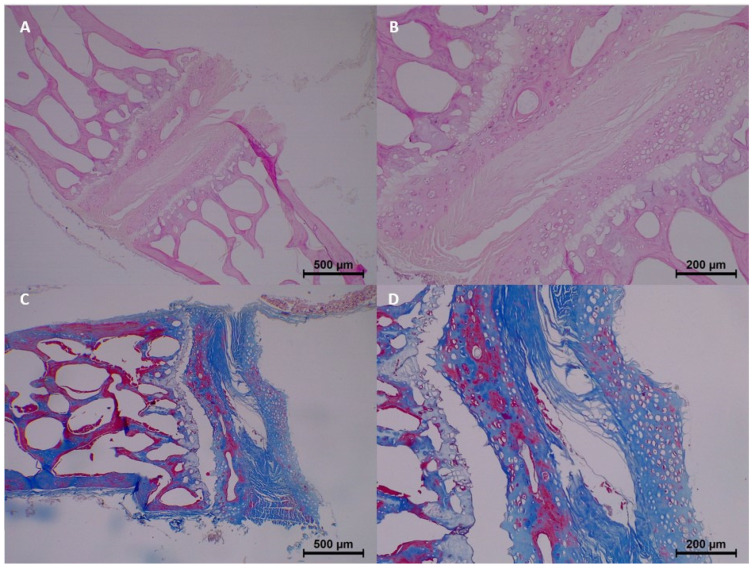 Figure 7
Peer Reviews
No public reviews on file for this paper yet. If you reviewed it on a platform where reviews are public (OpenReview, ICLR, NeurIPS, ICML), you can paste yours below so the community can read it here.
Videos
No videos yet. Explain this paper in a talk, walkthrough, or lecture? Add one.
Taxonomy
TopicsForensic Entomology and Diptera Studies · Yersinia bacterium, plague, ectoparasites research · Musculoskeletal pain and rehabilitation