Exploring the role and mechanisms of the PMA gene in Aspergillus fumigatus
Chengrui Tan, Shaojie Jiang, Hongli Zhai, Qingwen Hu, Chenxi Liu, Yi Sun, Lujuan Gao

TL;DR
This study explores how the PMA gene in Aspergillus fumigatus affects fungal growth, stress resistance, and antifungal susceptibility, suggesting it could be a target for new treatments.
Contribution
The study identifies the PMA gene as a novel target for antifungal drug development by analyzing its role in growth and stress adaptation in A. fumigatus.
Findings
PMA gene knockout reduces sensitivity to voriconazole and causes significant growth defects in A. fumigatus.
Loss of PMA leads to increased ergosterol and altered ATP levels, affecting fungal adaptation.
Transcriptome analysis shows reduced expression of genes related to ribosome function and stress pathways in the mutant strain.
Abstract
In the realm of aspergillosis, a critical concern for immunocompromised patients facing Aspergillus fumigatus, effective management hinges on understanding fungal growth, stress resistance, and response to antifungal treatments. Our study investigates the crucial role of fungal plasma membrane proton ATPase (PMA) in nutrient absorption, intertwined with growth and antifungal susceptibility. We employed a high-throughput knockout method to create the PMA gene knockout mutant, ΔAfu-PMA1, in A. fumigatus, alongside a complementation strain. Antifungal susceptibility to triazoles was assessed by micro-dilution method and E-test, revealing decreased sensitivity to voriconazole in ΔAfu-PMA1. Comparative analysis demonstrated significant growth differences, with wild-type strain surpassing ΔAfu-PMA1 by 3.2-fold. Under oxidative stress and heightened osmotic pressure, ΔAfu-PMA1 showed notable…
Genes, proteins, chemicals, diseases, species, mutations and cell lines named across the full text — each resolved to its canonical identifier and authoritative record.
Click any figure to enlarge with its caption.
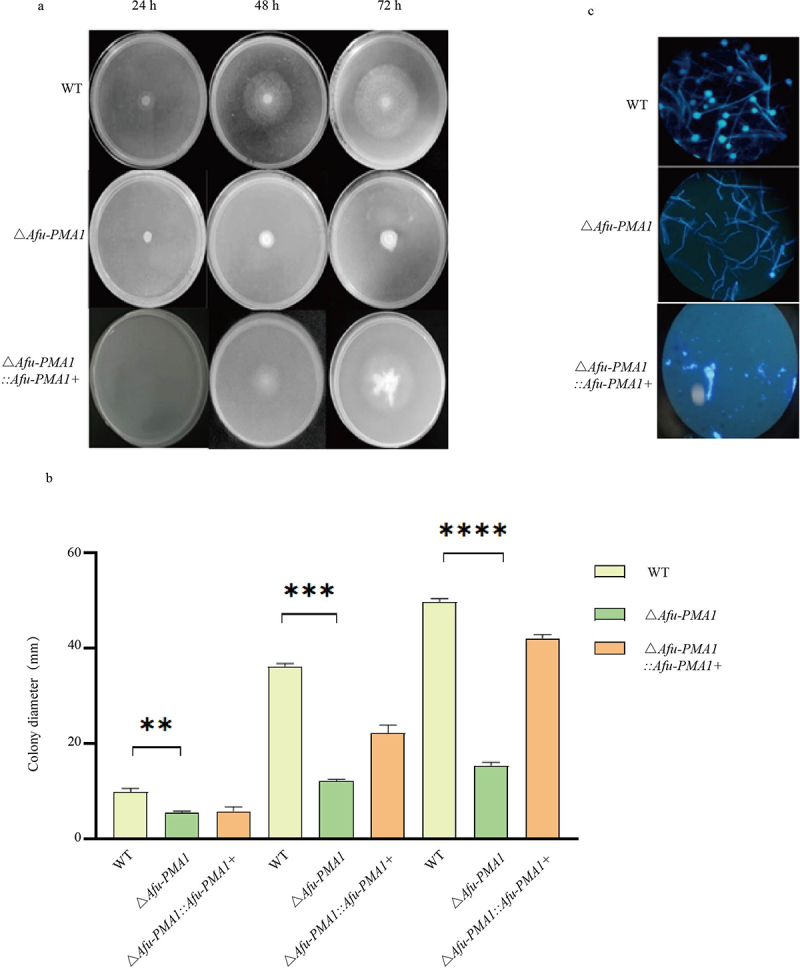 Figure 1
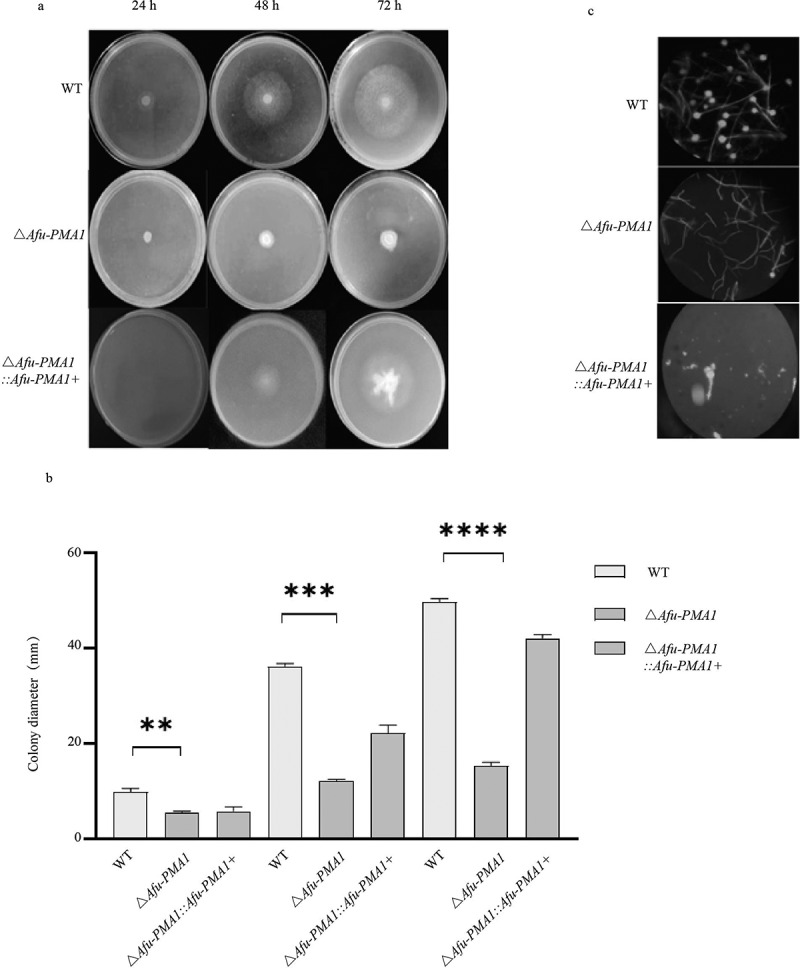 Figure 2
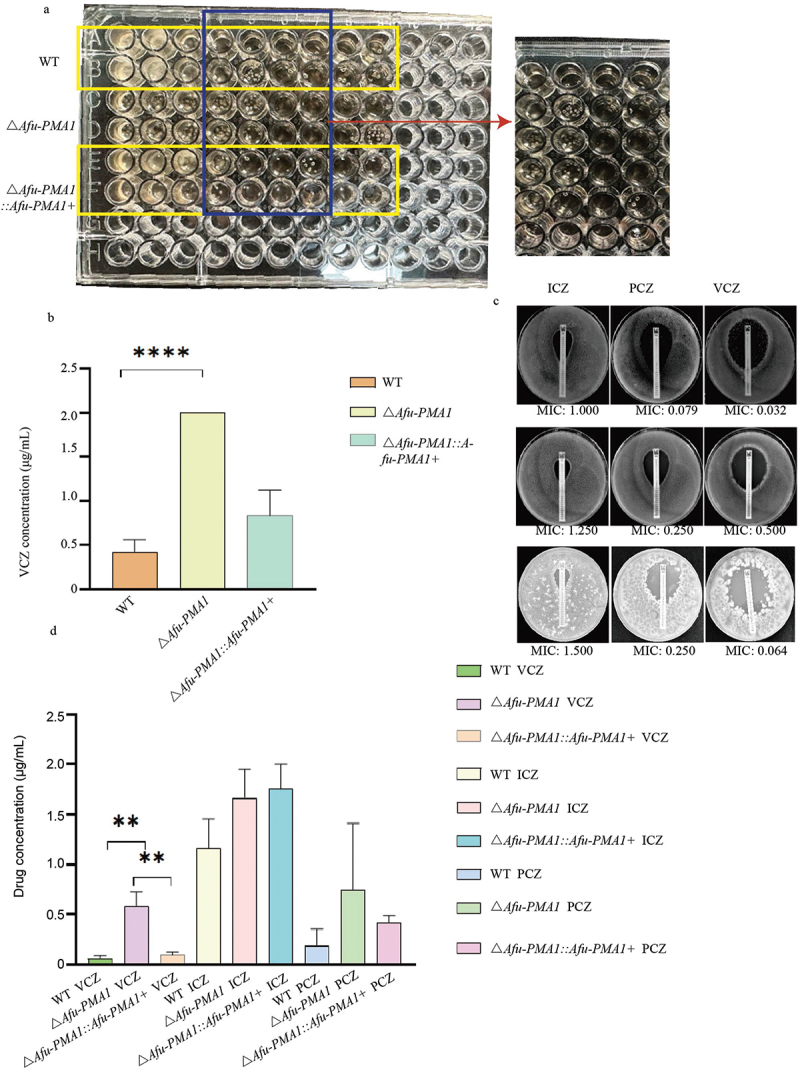 Figure 3
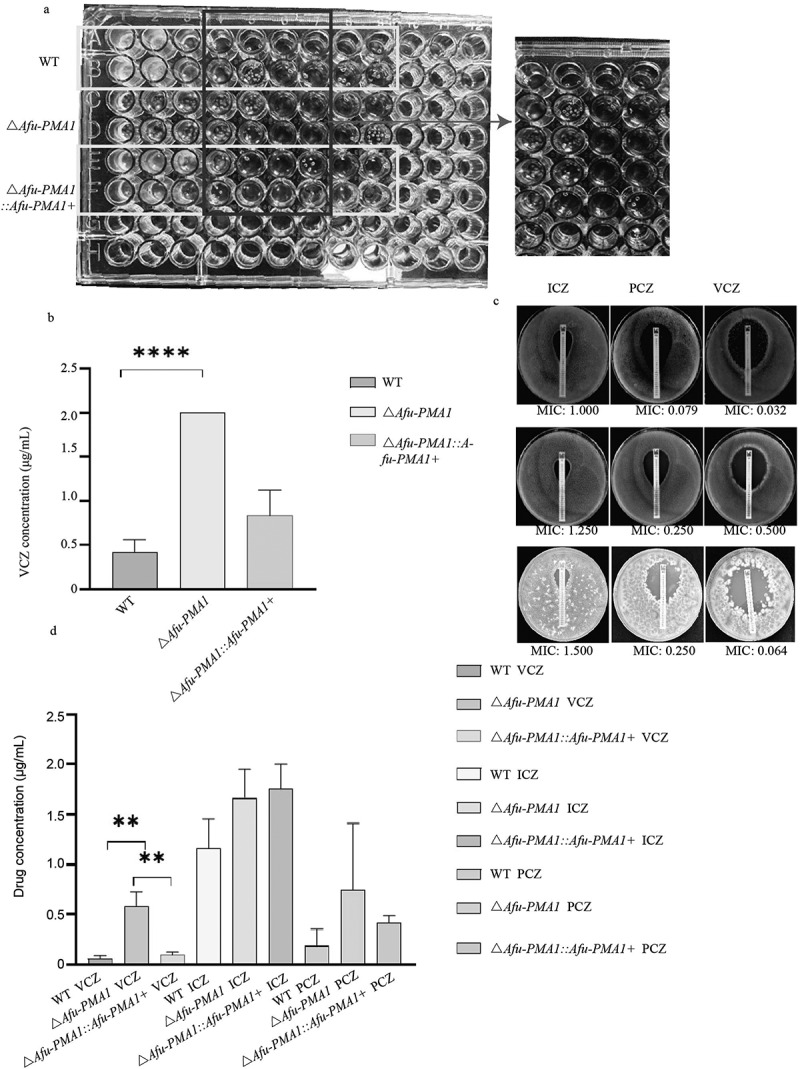 Figure 4
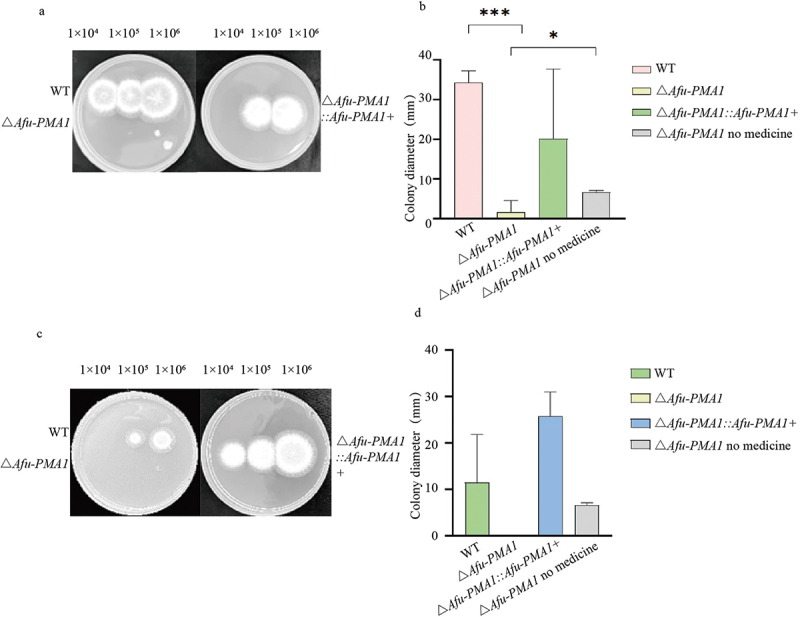 Figure 5
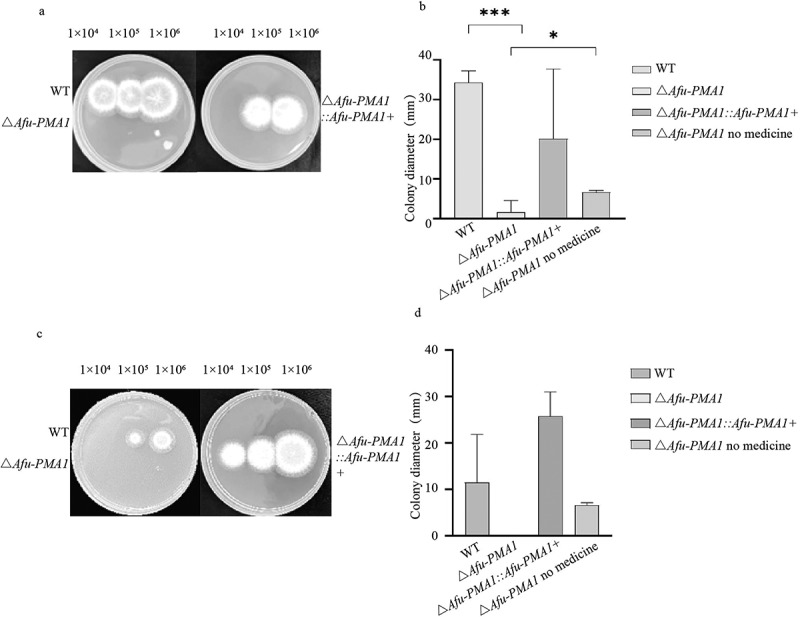 Figure 6
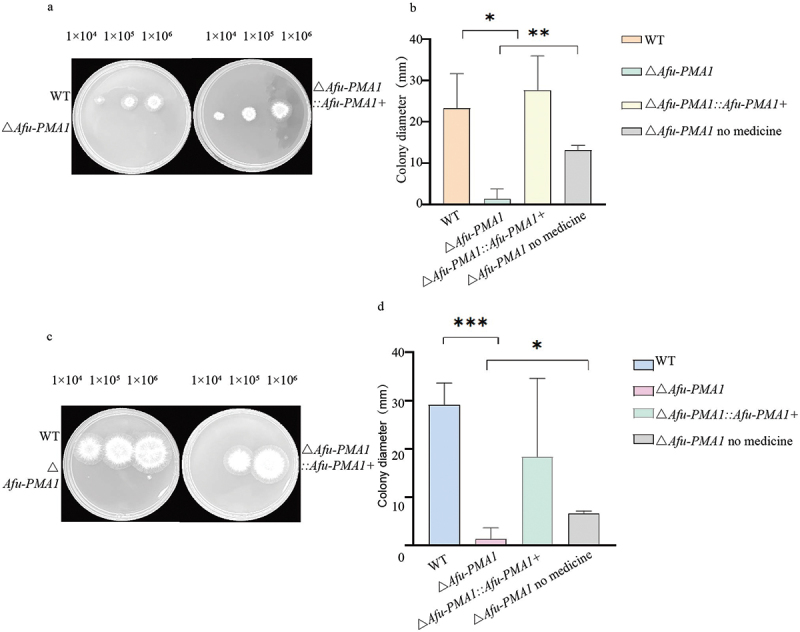 Figure 7
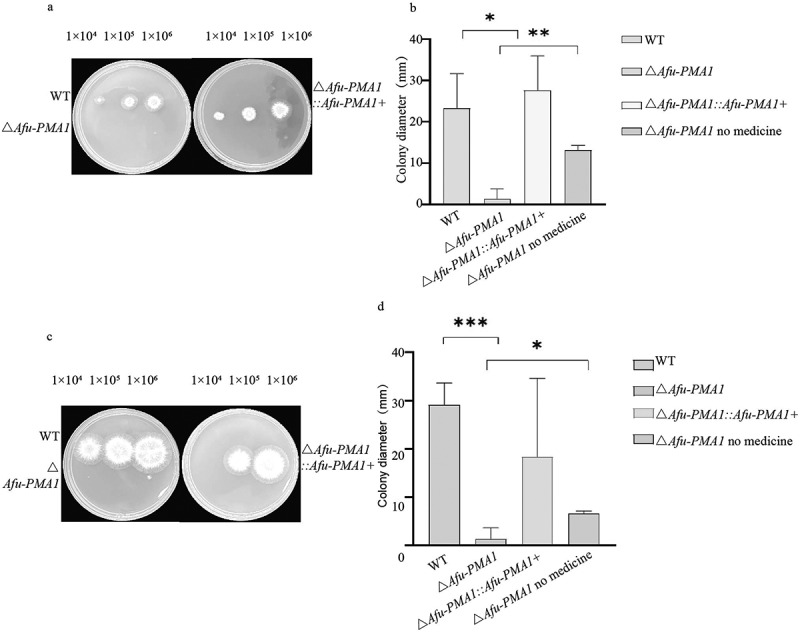 Figure 8
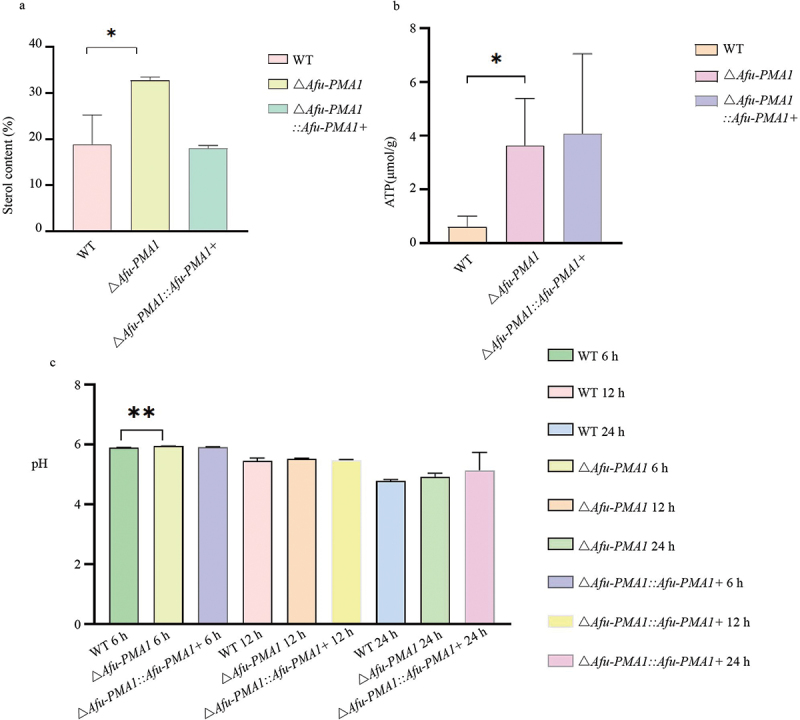 Figure 9
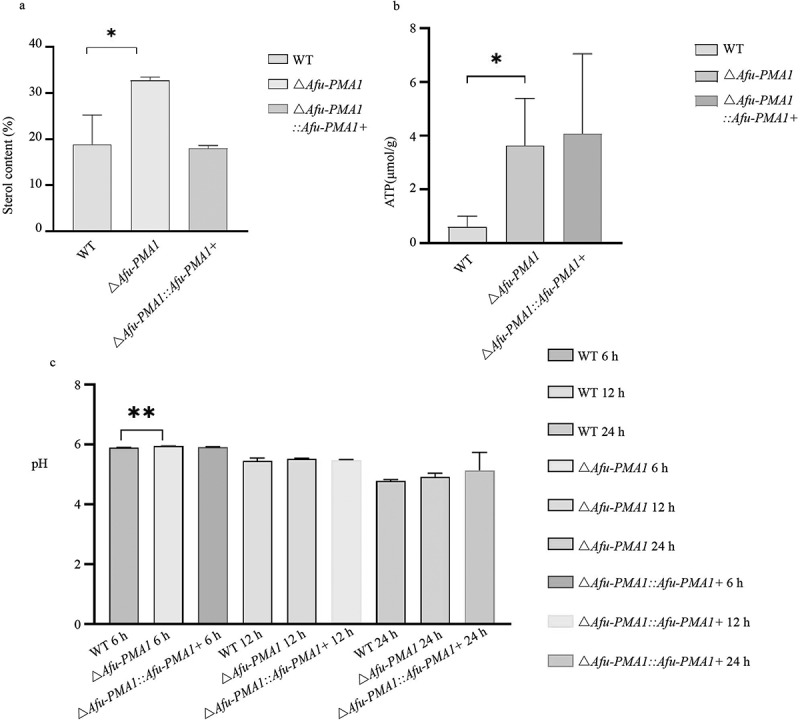 Figure 10
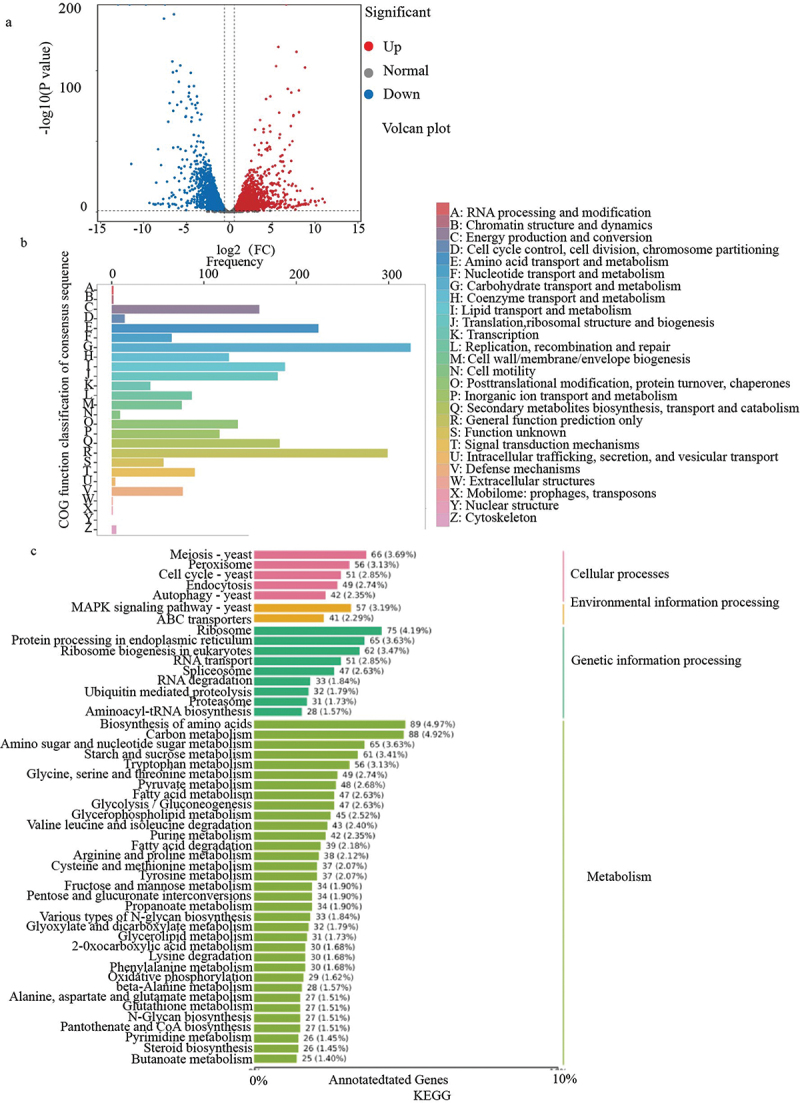 Figure 11
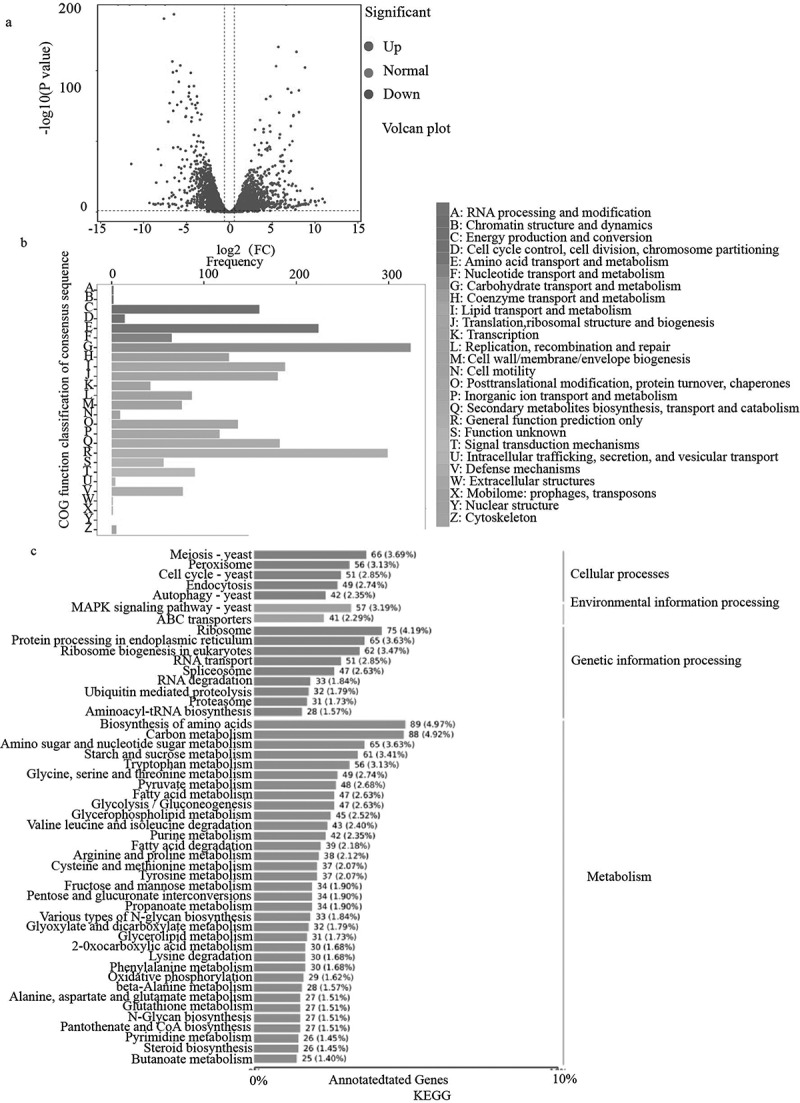 Figure 12
 Figure 13
Peer Reviews
No public reviews on file for this paper yet. If you reviewed it on a platform where reviews are public (OpenReview, ICLR, NeurIPS, ICML), you can paste yours below so the community can read it here.
Videos
No videos yet. Explain this paper in a talk, walkthrough, or lecture? Add one.
Taxonomy
TopicsATP Synthase and ATPases Research · Antifungal resistance and susceptibility · Antibiotic Resistance in Bacteria