The Dark Side of the Moon: A Good Adoption Rate Conceals the Unsolved Ethical Problem of Never-Adopted Dogs
Sara Corsetti, Eugenia Natoli, Livia Malandrucco

TL;DR
This paper examines the ethical issues of a no-kill dog policy in Italy, highlighting that while adoption rates are high, many dogs remain in shelters for life.
Contribution
The study provides new ethical insights into the long-term consequences of no-kill policies for unadoptable dogs.
Findings
Adoption rates at Muratella shelter were 53.84% and 49.11% in two study periods.
Approximately 3-4% of dogs remained unadopted and spent their lives in shelters.
The ethical dilemma of lifelong confinement for unadoptable dogs persists despite high adoption success.
Abstract
Driven by society’s growing interest in animal welfare, nine European countries, including Italy, have adopted a no-kill policy for unowned domestic dogs. This approach increases the likelihood of dogs being adopted and living with a family. However, dogs deemed unadoptable are required to spend their entire lives in shelters. In countries where the no-kill policy is implemented by law, several challenges arise, including managing the costs associated with the large number of dogs in shelters and addressing the ethical dilemma of keeping non-adoptable dogs confined for life. While adoption rates are generally successful, the small percentage of dogs condemned to lifelong shelter residence still represents a significant number and poses important ethical concerns. The no-kill policy for domestic dogs, adopted in Italy in 1991, reflects a growing interest in animal welfare and increases…
Genes, proteins, chemicals, diseases, species, mutations and cell lines named across the full text — each resolved to its canonical identifier and authoritative record.
Click any figure to enlarge with its caption.
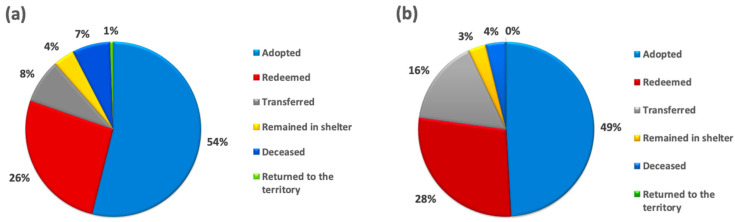 Figure 1
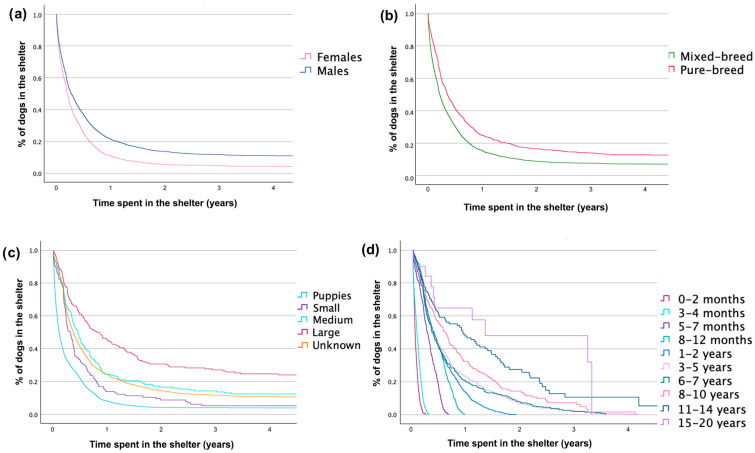 Figure 2
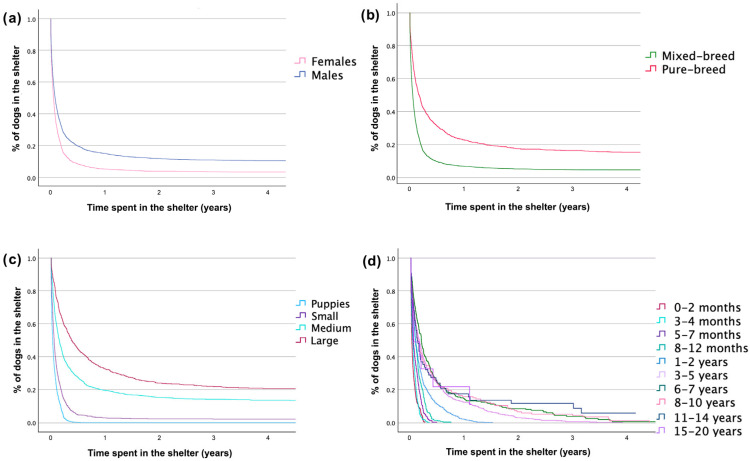 Figure 3
Peer Reviews
No public reviews on file for this paper yet. If you reviewed it on a platform where reviews are public (OpenReview, ICLR, NeurIPS, ICML), you can paste yours below so the community can read it here.
Videos
No videos yet. Explain this paper in a talk, walkthrough, or lecture? Add one.
Taxonomy
TopicsHuman-Animal Interaction Studies · Geographies of human-animal interactions · Neuroethics, Human Enhancement, Biomedical Innovations