Protein-Losing Enteropathy Demonstrated by 99mTc-ASC Lymphoscintigraphy
Jingnan Wang, Hongli Jing, Fang Li

TL;DR
A woman with edema and low albumin was diagnosed with protein-losing enteropathy using a radiotracer scan that showed lymphatic leakage in the gut.
Contribution
Demonstration of 99mTc-ASC lymphoscintigraphy as a diagnostic tool for identifying protein loss due to intestinal lymphatic leakage.
Findings
99mTc-ASC lymphoscintigraphy revealed abnormal radiotracer leakage in the bowel, indicating protein loss.
Enhanced CT showed thickened intestinal walls, supporting the diagnosis of protein-losing enteropathy.
Abnormal thoracic duct and venous angle visualization suggested lymphatic obstruction and reflux.
Abstract
A 30-year-old woman presented with progressive edema and mild diarrhea. Laboratory examination revealed hypoalbuminemia. She underwent 99mTc-antimony sulphide colloid (99mTc-ASC) lymphoscintigraphy to evaluate potential loss of protein through gastrointestinal tract caused by lymphatic leakage and detect abnormalities in the lymphatic systems. The images showed abnormal leakage of radiotracers in the bowel, suggestive of protein loss through the gastrointestinal tract. Abnormal visualization of the lower part of thoracic duct and bilateral venous angle was also demonstrated on 99mTc-ASC scintigraphy. It suggested secondary intestinal lymphangiectasis caused by lymphatic obstruction and reflux. Enhanced CT reconstruction of the small intestine revealed roughness and thickening of intestinal wall, consistent with the diagnosis of protein-losing enteropathy.
Genes, proteins, chemicals, diseases, species, mutations and cell lines named across the full text — each resolved to its canonical identifier and authoritative record.
Click any figure to enlarge with its caption.
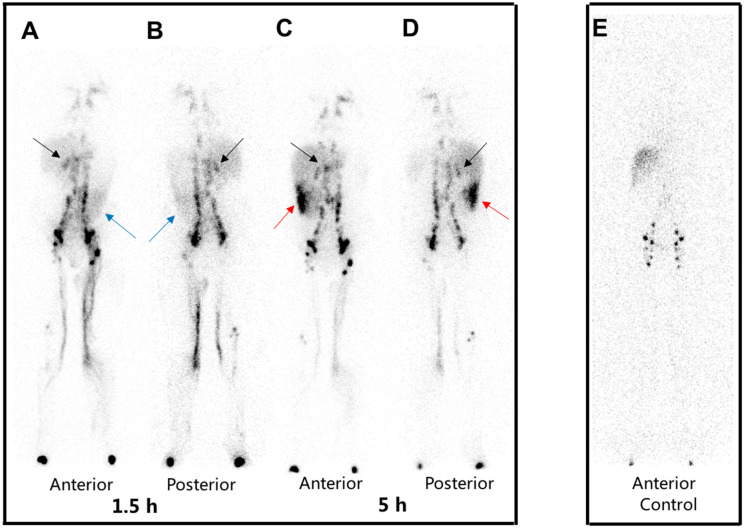 Figure 1
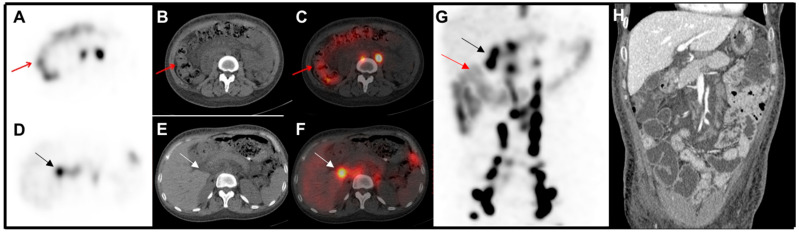 Figure 2
Peer Reviews
No public reviews on file for this paper yet. If you reviewed it on a platform where reviews are public (OpenReview, ICLR, NeurIPS, ICML), you can paste yours below so the community can read it here.
Videos
No videos yet. Explain this paper in a talk, walkthrough, or lecture? Add one.
Taxonomy
TopicsLymphatic Disorders and Treatments · Vascular Malformations and Hemangiomas · Myasthenia Gravis and Thymoma