Identification of intestinal mediators of Caenorhabditis elegans DBL-1/BMP immune signaling shaping gut microbiome composition
Dan Kim, Kenneth Trang, Barbara Pees, Siavash Karimzadegan, Rahul Bodkhe, Sabrina Hammond, Michael Shapira

TL;DR
This study identifies intestinal genes in C. elegans that mediate DBL-1/BMP signaling to control gut microbiome composition, particularly Enterobacteriaceae abundance.
Contribution
The study identifies specific intestinal effectors downstream of DBL-1/BMP signaling that locally regulate gut bacteria in C. elegans.
Findings
RNA-seq analysis identified candidate genes in the intestine that mediate DBL-1/BMP signaling effects on gut bacteria.
Epistasis analysis confirmed these genes act downstream of DBL-1 to control Enterobacteriaceae abundance.
RNAi knock-down experiments showed the local intestinal contribution of these genes to microbiome shaping.
Abstract
The composition of the gut microbiome is determined by a complex interplay of diet, host genetics, microbe-microbe interactions, abiotic factors, and stochasticity. Previous studies have demonstrated the importance of host genetics in community assembly of the Caenorhabditis elegans gut microbiome and identified a central role for DBL-1/BMP immune signaling in determining the abundance of gut Enterobacteriaceae. However, the effects of DBL-1 signaling on gut bacteria were found to depend on its activation in extra-intestinal tissues, highlighting a gap in our understanding of the proximal factors that determine microbiome composition. In the present study, we used RNA-seq gene expression analysis of wildtype, dbl-1 and sma-3 mutants, and dbl-1 over-expressors to identify candidate DBL-1/BMP targets that may mediate the pathway’s effects on gut commensals. Bacterial colonization…
Genes, proteins, chemicals, diseases, species, mutations and cell lines named across the full text — each resolved to its canonical identifier and authoritative record.
Click any figure to enlarge with its caption.
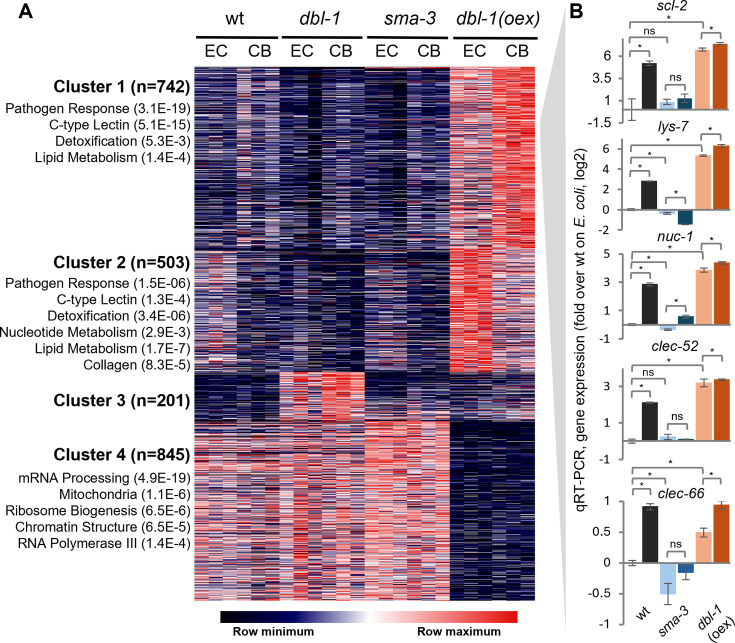 Figure 1
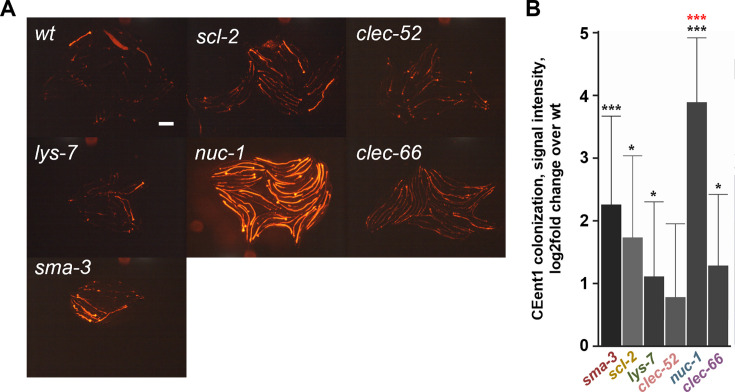 Figure 2
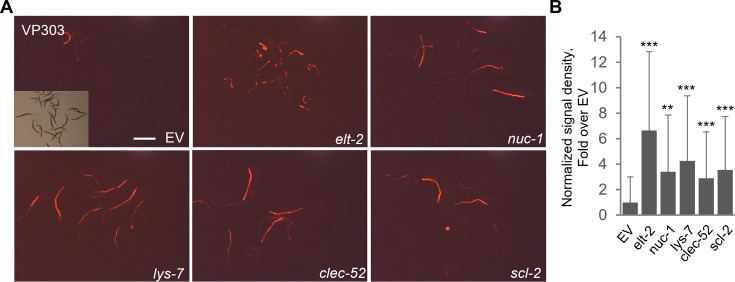 Figure 3
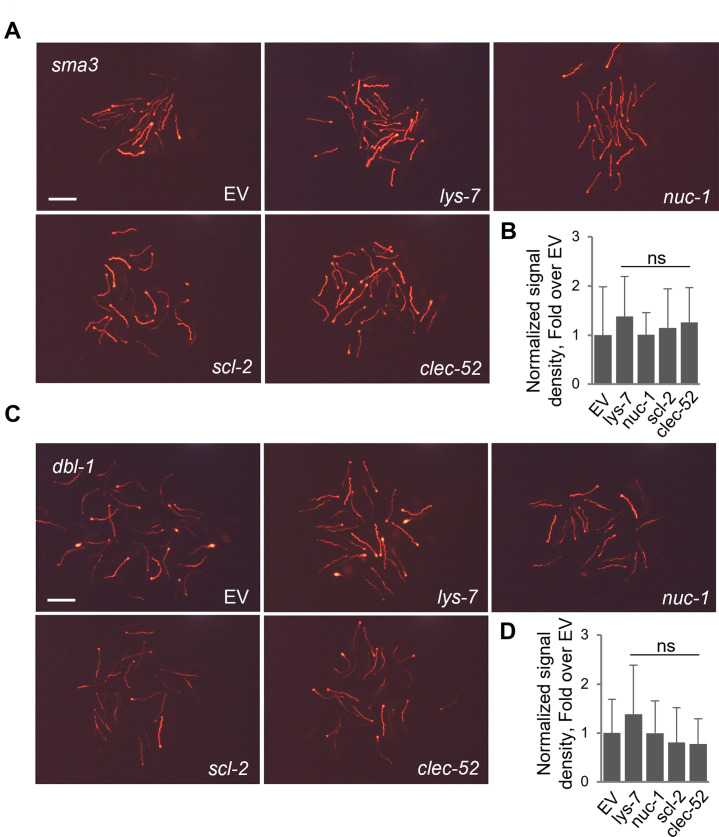 Figure 4
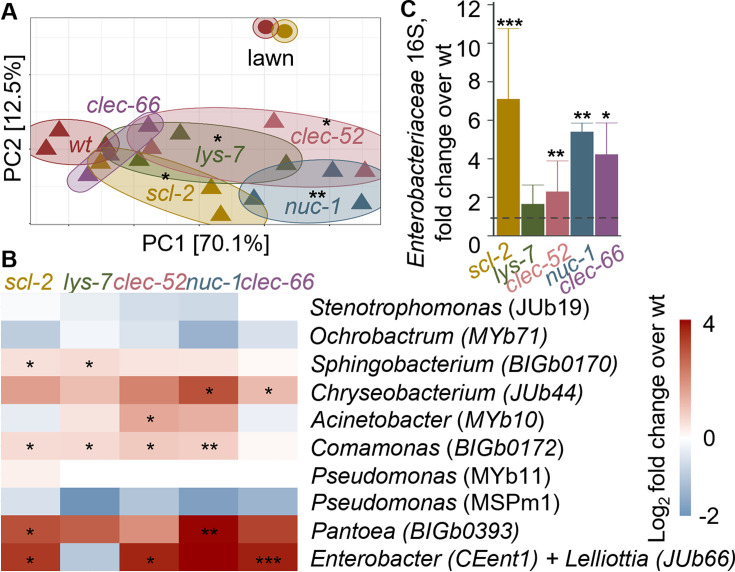 Figure 5
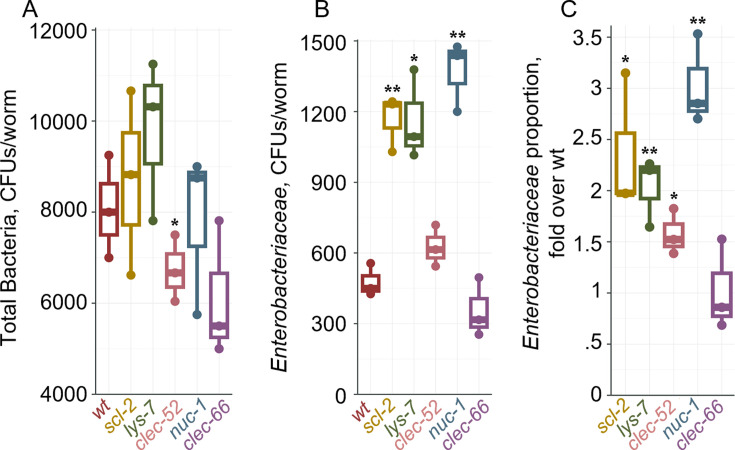 Figure 6
Peer Reviews
No public reviews on file for this paper yet. If you reviewed it on a platform where reviews are public (OpenReview, ICLR, NeurIPS, ICML), you can paste yours below so the community can read it here.
Videos
No videos yet. Explain this paper in a talk, walkthrough, or lecture? Add one.
Taxonomy
TopicsGenetics, Aging, and Longevity in Model Organisms · Gut microbiota and health