Evaluation of tumor-colonizing Salmonella strains using the chick chorioallantoic membrane model
Khin K. Z. Mon, Linda J. Kenney

TL;DR
This study uses a chick embryo model to show how Salmonella can target and kill tumors, and compares different strains for their effectiveness.
Contribution
The study validates the CAM tumor model as a predictive platform for evaluating oncolytic Salmonella strains.
Findings
Salmonella preferentially colonizes tumors and causes tumor cell death.
Tumor colonization does not require flagellar motility or type III secretion systems.
Extracellular Salmonella on tumors does not require biofilm formation.
Abstract
The chick embryo chorioallantoic membrane (CAM) tumor model is a valuable preclinical model for studying the tumor-colonizing process of Salmonella enterica serovar Typhimurium. It offers advantages such as cost-effectiveness, rapid turnaround, reduced engraftment issues, and ease of observation. In this study, we explored and validated the applicability of the partially immune-deficient CAM tumor model. Herein, we demonstrate that Salmonella preferentially colonizes tumors and directly causes tumor cell death. Bacterial migration, tumor colonization, and intra-tumor distribution did not require flagellar-mediated motility. The vast majority of Salmonella that colonized the CAM tumor were extracellular. Thus, tumor invasion was independent of both Salmonella pathogenicity island-1-encoded and Salmonella pathogenicity island-2-encoded type III secretion systems. Surprisingly, the…
Genes, proteins, chemicals, diseases, species, mutations and cell lines named across the full text — each resolved to its canonical identifier and authoritative record.
Click any figure to enlarge with its caption.
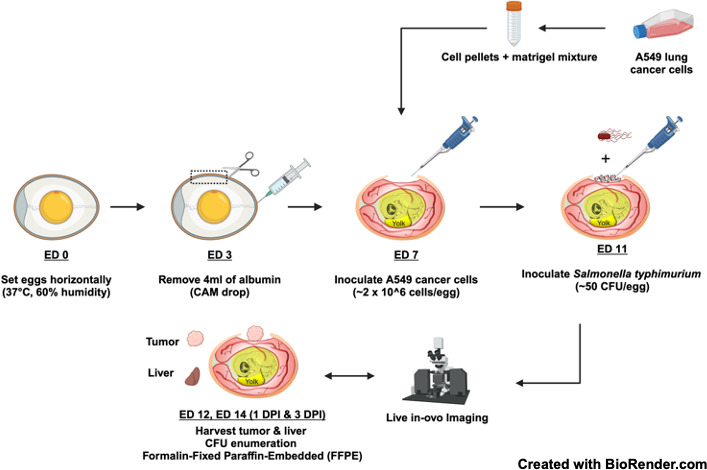 Figure 1
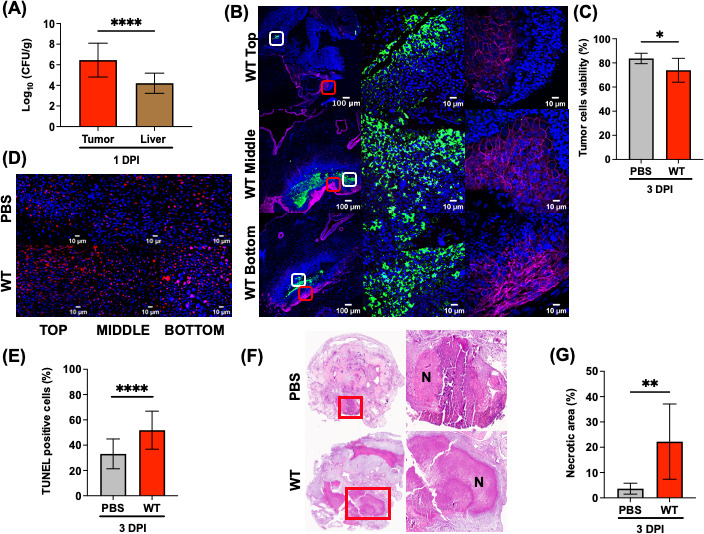 Figure 2
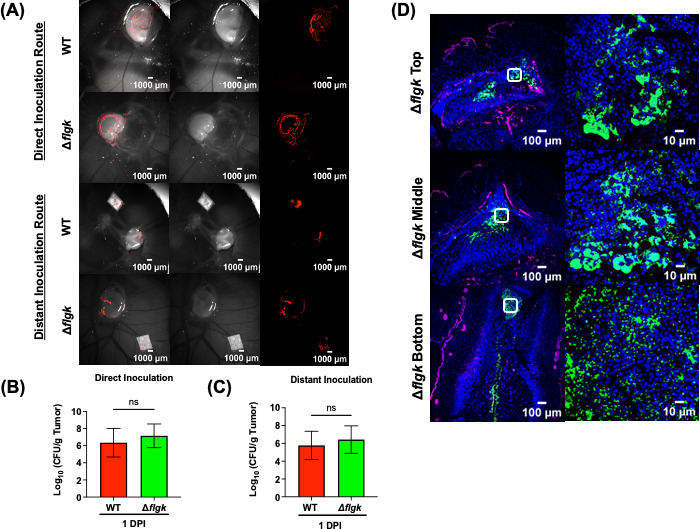 Figure 3
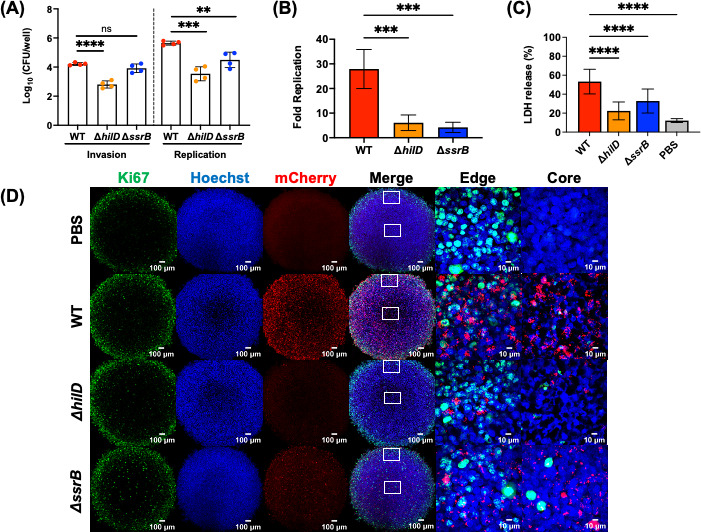 Figure 4
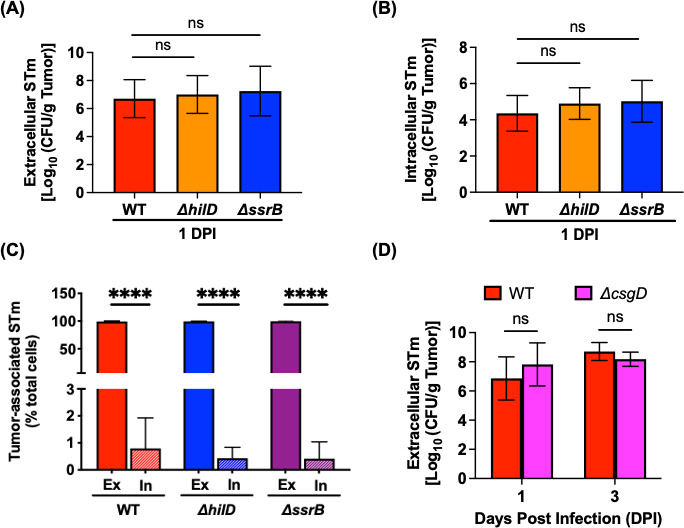 Figure 5
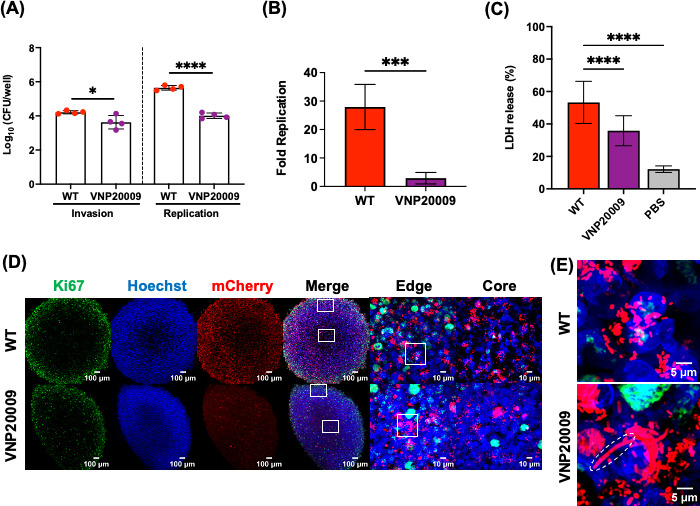 Figure 6
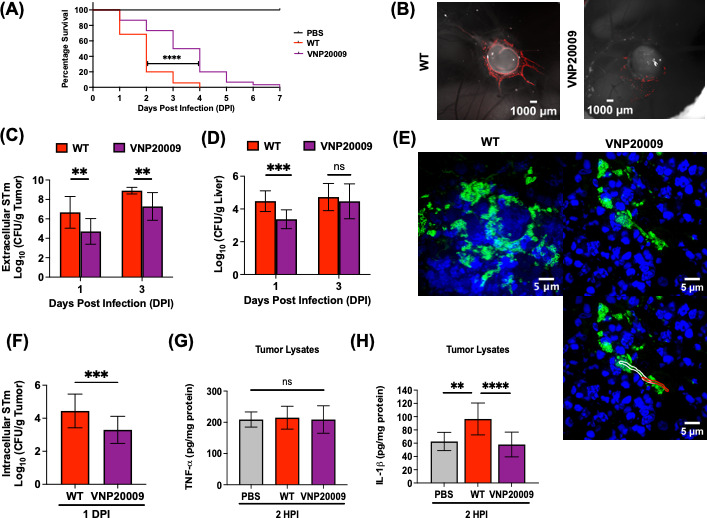 Figure 7
Peer Reviews
No public reviews on file for this paper yet. If you reviewed it on a platform where reviews are public (OpenReview, ICLR, NeurIPS, ICML), you can paste yours below so the community can read it here.
Videos
No videos yet. Explain this paper in a talk, walkthrough, or lecture? Add one.
Taxonomy
TopicsCancer Research and Treatments · Nanoplatforms for cancer theranostics · Virus-based gene therapy research