Sweetening with Agavins: Its Impact on Sensory Acceptability, Physicochemical Properties, Phenolic Composition and Nutraceutical Potential of Oak Iced Tea
Aylín Araiza-Alvarado, Saúl Alberto Álvarez, José Alberto Gallegos-Infante, Jorge Alberto Sánchez-Burgos, Nuria Elizabeth Rocha-Guzmán, Silvia Marina González-Herrera, Martha Rocío Moreno-Jiménez, Rubén Francisco González-Laredo, Verónica Cervantes-Cardoza

TL;DR
Adding agavins to oak iced tea changes its taste, chemical properties, and health benefits, with effects on acidity and antioxidants.
Contribution
This study reveals how agavins interact with phenolic compounds in oak infusions, affecting their nutraceutical potential and stability.
Findings
Agavins significantly altered pH, acidity, and soluble solids in oak infusions.
Interactions between agavins and phenolics reduced quinic acid by 43% and affected antioxidant capacity.
Species differences were observed in acidogenic response and soluble solid concentration.
Abstract
Oak infusions enriched with agavins may offer nutraceutical benefits in the development of iced teas. This study evaluated infusions of Quercus sideroxyla and Quercus eduardii leaves formulated with different concentrations of agavins (0, 2, 6, and 10%), analyzing their physicochemical and sensory properties, chemical stability, and antioxidant capacity. The incorporation of agavins resulted in substantial modifications to physicochemical parameters, including pH, titratable acidity, and soluble solids, thereby enhancing product stability and consistency. Notable distinctions were observed between the two species with respect to their acidogenic response and soluble solid concentration. Interactions between agavins and phenolic compounds, as discerned by UPLC-PDA-ESI-MS/MS and FT-IR, exerted a significant influence on bioactivity of the phenolic constituents, thereby affecting the…
Genes, proteins, chemicals, diseases, species, mutations and cell lines named across the full text — each resolved to its canonical identifier and authoritative record.
Click any figure to enlarge with its caption.
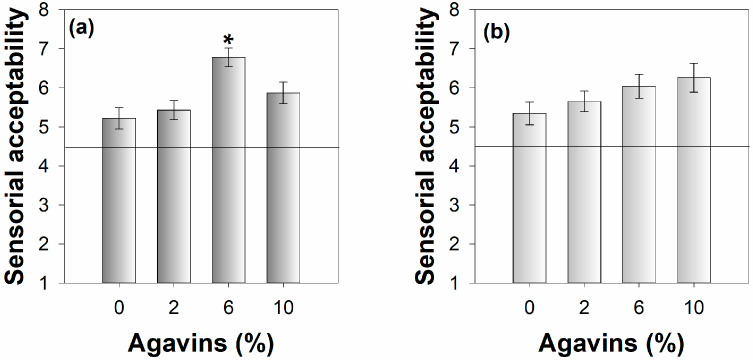 Figure 1
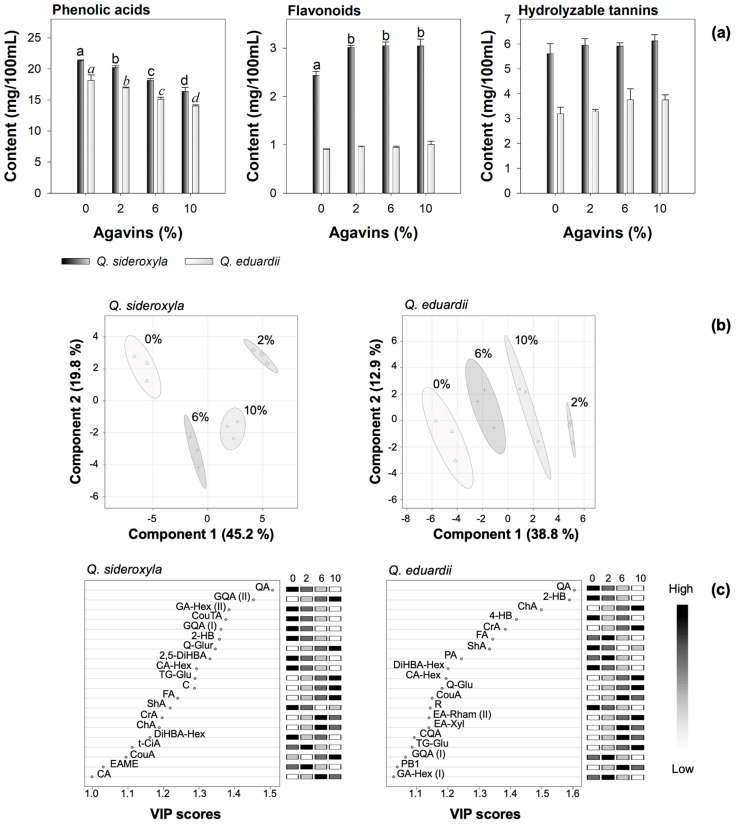 Figure 2
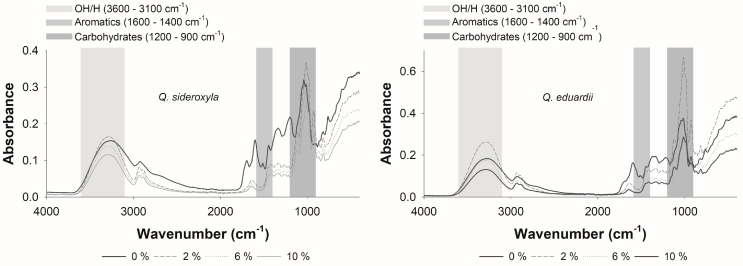 Figure 3
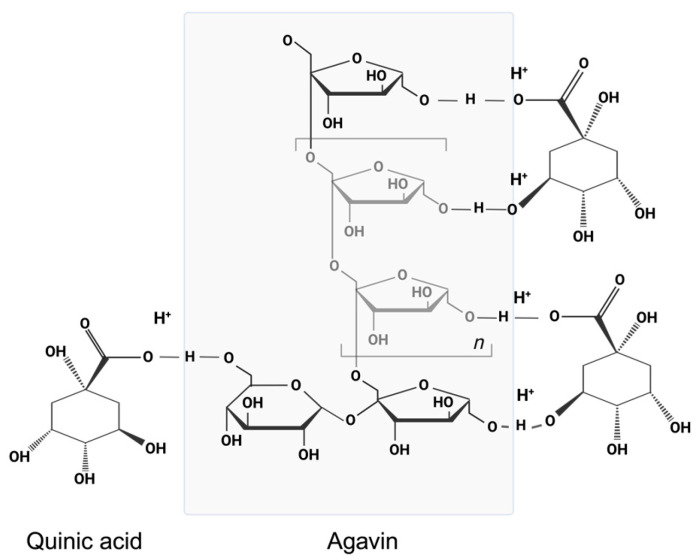 Figure 4
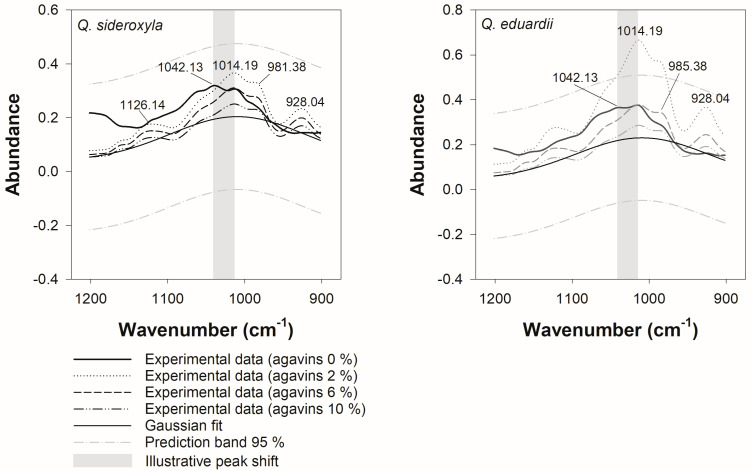 Figure 5
Peer Reviews
No public reviews on file for this paper yet. If you reviewed it on a platform where reviews are public (OpenReview, ICLR, NeurIPS, ICML), you can paste yours below so the community can read it here.
Videos
No videos yet. Explain this paper in a talk, walkthrough, or lecture? Add one.
Taxonomy
TopicsFood Quality and Safety Studies · Phytochemicals and Antioxidant Activities · Tea Polyphenols and Effects