Biomechanical Evaluation of the Sheep Common Peroneal Nerve After Crush Injury
Rui Alvites, Bruna Lopes, Ana Catarina Sousa, Fábio Pinheiro, Elisabete Silva, Justina Prada, Artur Varejão, Ana Colette Maurício

TL;DR
This study identifies 180 N as the optimal force to create consistent nerve damage in sheep, helping standardize research on nerve injuries for better human and animal treatments.
Contribution
The study establishes a standardized crush force protocol for sheep nerves to model axonotmesis injuries.
Findings
Higher crushing forces caused greater nerve damage, reducing strength and flexibility.
180 N was identified as the most effective force for inducing consistent nerve injury in sheep.
Nerves crushed with 180 N showed higher stress and strain, indicating structural degradation.
Abstract
Axonotmesis, a type of nerve damage caused by crushing, often leads to severe consequences in humans and animals. However, the lack of a standardized method for creating crush injuries in animal models makes it difficult for researchers to compare results and develop effective treatments for both humans and animals. This study explored how different levels of force affect the behavior of sheep nerves, aiming to establish a reliable protocol for future research. Nerves were collected, measured, and subjected to various crushing forces for one minute. Afterward, researchers measured their strength, flexibility, and structural changes. The results showed that higher forces caused more significant damage, reducing the strength and flexibility of the nerves while increasing the stress they could endure before breaking. The study identified 180 N as the most effective force to create…
Genes, proteins, chemicals, diseases, species, mutations and cell lines named across the full text — each resolved to its canonical identifier and authoritative record.
Click any figure to enlarge with its caption.
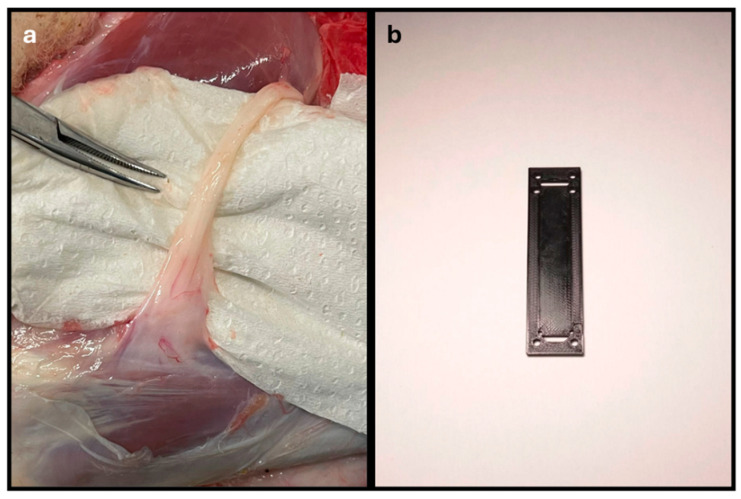 Figure 1
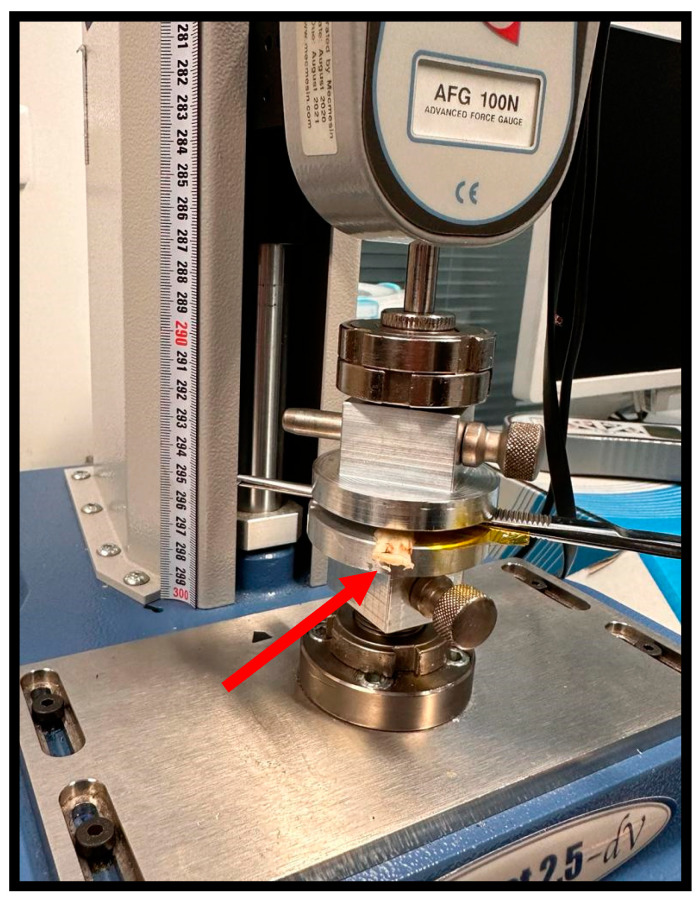 Figure 2
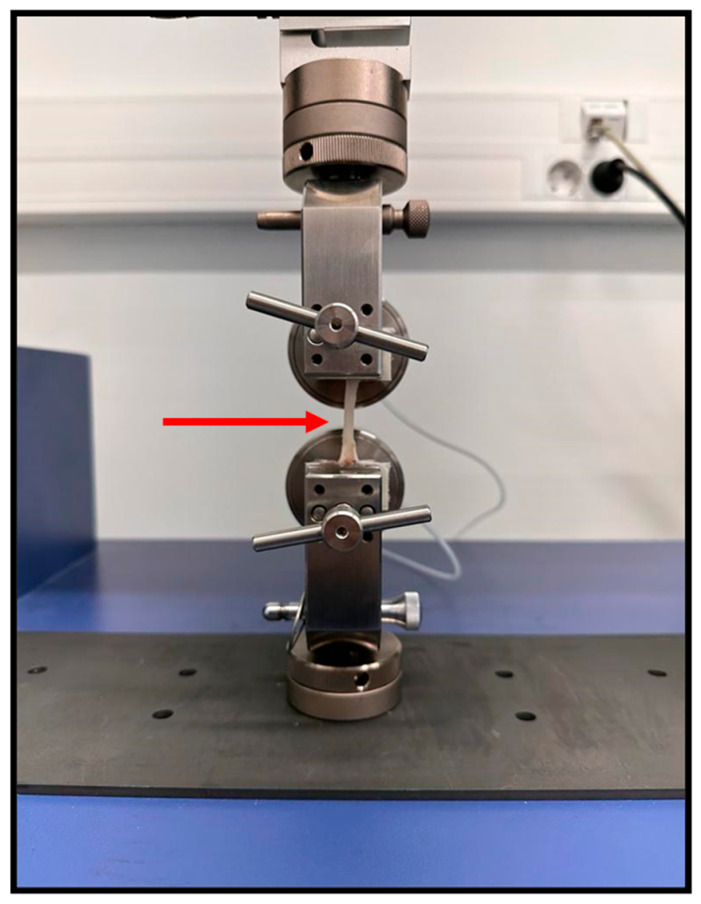 Figure 3
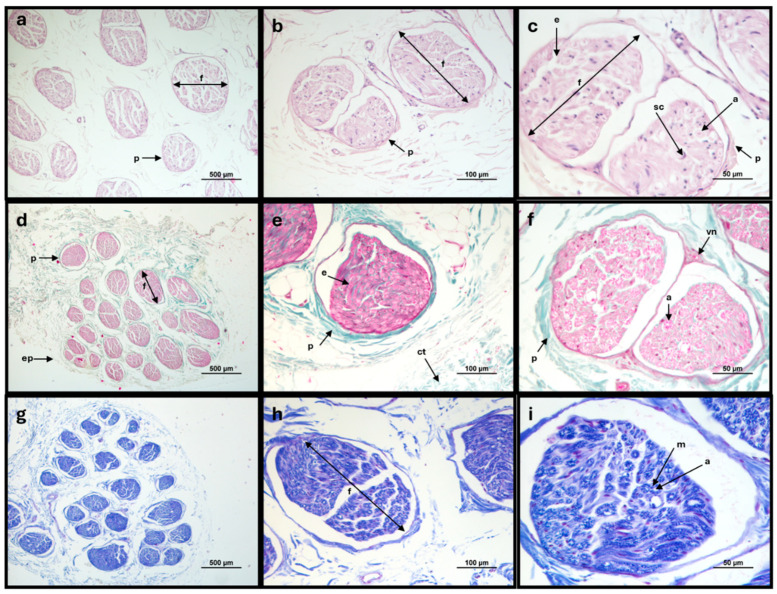 Figure 4
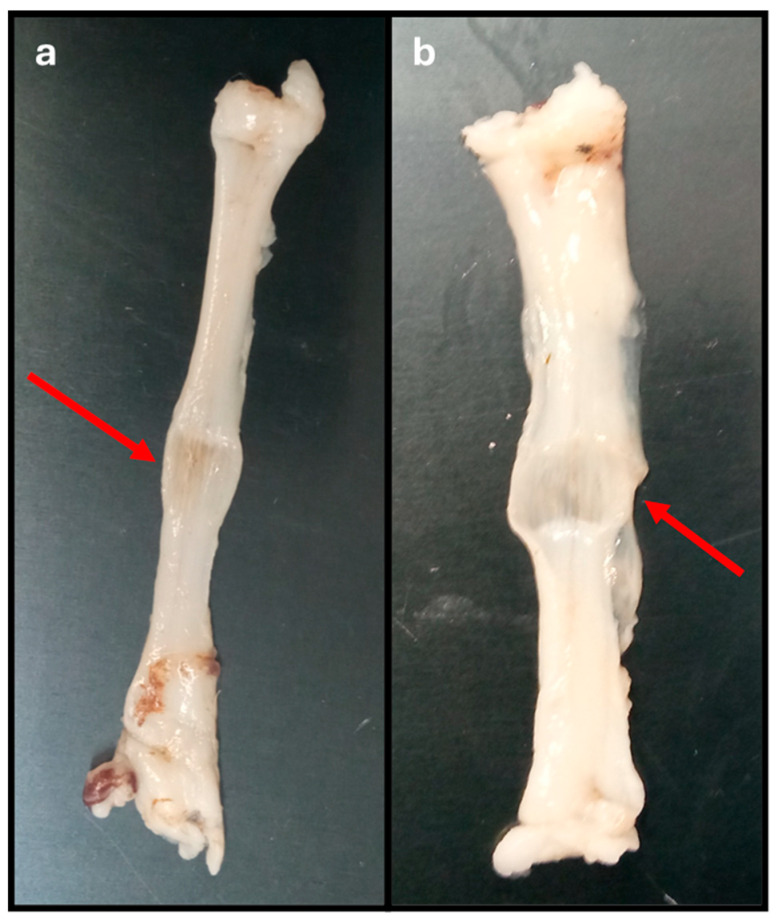 Figure 5
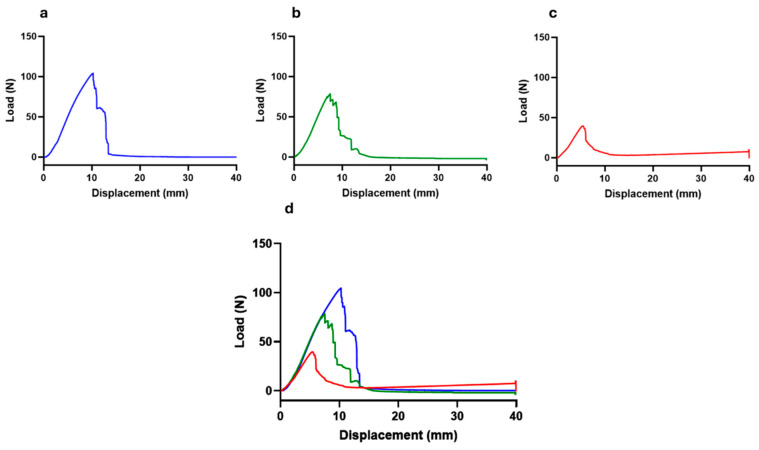 Figure 6
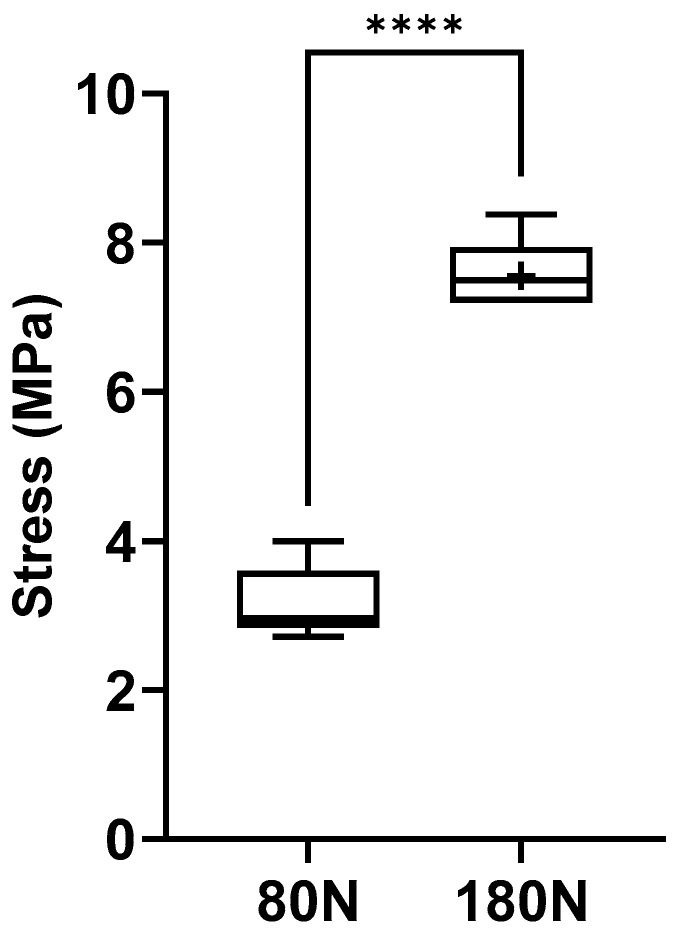 Figure 7
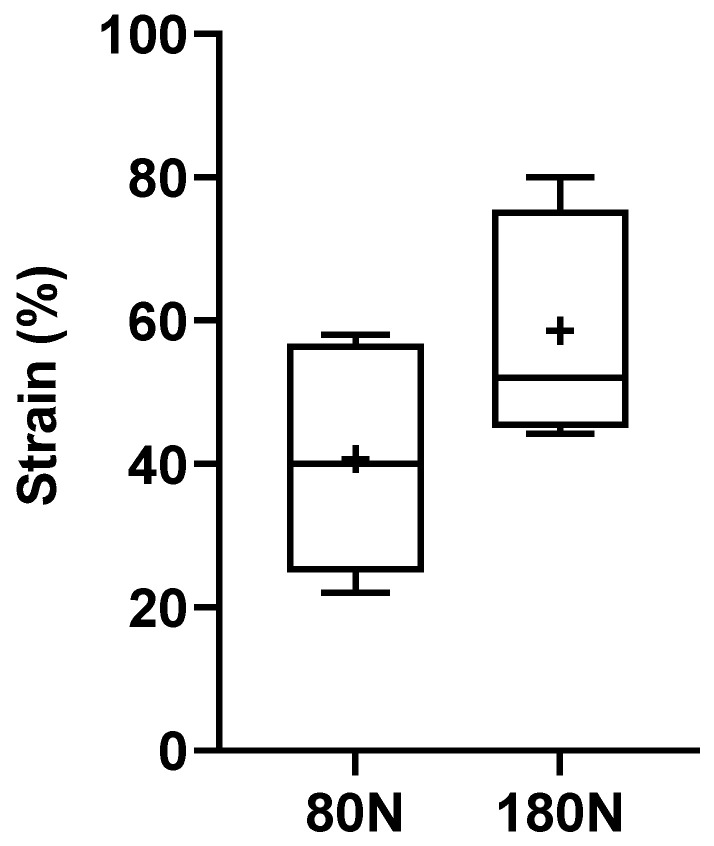 Figure 8
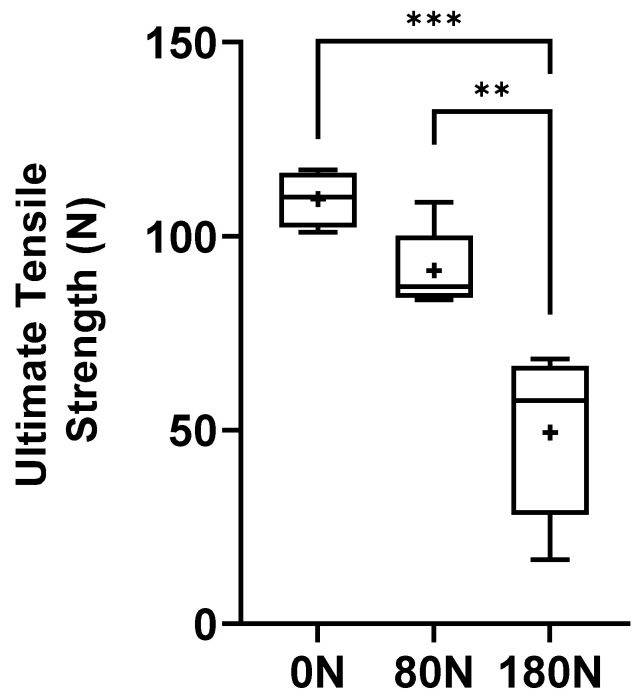 Figure 9
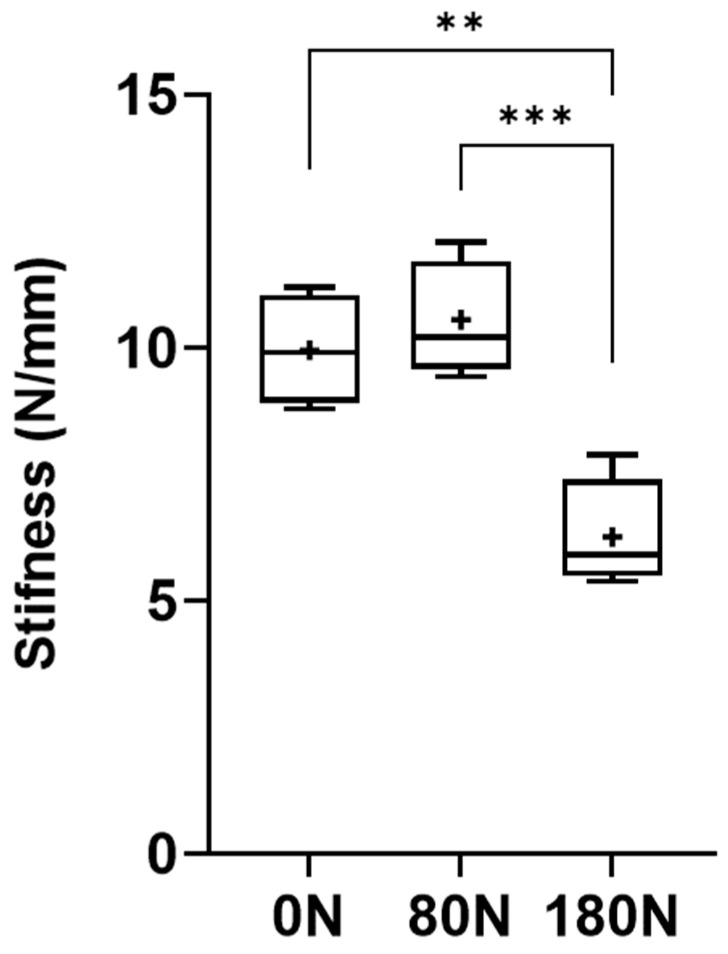 Figure 10
Peer Reviews
No public reviews on file for this paper yet. If you reviewed it on a platform where reviews are public (OpenReview, ICLR, NeurIPS, ICML), you can paste yours below so the community can read it here.
Videos
No videos yet. Explain this paper in a talk, walkthrough, or lecture? Add one.
Taxonomy
TopicsNerve injury and regeneration · Nerve Injury and Rehabilitation · Tendon Structure and Treatment