Molecular Characterization of BsCu/Zn-Superoxide Dismutases and BsMn-Superoxide Dismutases from Chinese Black Sleeper (Bostrychus sinensis)
Haolin Li, Suzhen Ran, Xiaoyu Wang, Bin Shen, Jianshe Zhang

TL;DR
This study explores how Chinese black sleeper fish respond to environmental stress by analyzing the expression of antioxidant enzymes called SODs.
Contribution
The paper reports the molecular characterization and expression patterns of BsCu/Zn-SOD and BsMn-SOD in response to cadmium and immune challenges.
Findings
BsCu/Zn-SOD and BsMn-SOD showed tissue-specific and time-dependent expression changes after cadmium exposure and immune challenges.
BsMn-SOD had the highest expression in skin under normal conditions and in liver after cadmium exposure.
BsCu/Zn-SOD and BsMn-SOD are involved in the fish's immune response to environmental stressors like Vibrio parahaemolyticus and poly(I:C).
Abstract
In this study, the effects of cadmium (Cd2+) exposure and immune challenges on the antioxidant gene expression and immune response of the Chinese black sleeper were investigated. Cd2+ exposure caused variations in the expression of antioxidant genes, with peak expression occurring at different times in various tissues. Immune challenges with Vibrio parahaemolyticus and poly(I:C) induced dynamic changes in the expression of BsCu/Zn-SOD and BsMn-SOD, suggesting their roles in antioxidant defense and immune response. These findings provide insights into the physiological and immune responses of the Chinese black sleeper to environmental stress. Superoxide dismutases (SODs) are critical antioxidant enzymes that protect organisms by catalyzing the dismutation of superoxide radicals into molecular oxygen (O2) and hydrogen peroxide (H2O2). In this study, we cloned the full-length cDNA of two…
Genes, proteins, chemicals, diseases, species, mutations and cell lines named across the full text — each resolved to its canonical identifier and authoritative record.
Click any figure to enlarge with its caption.
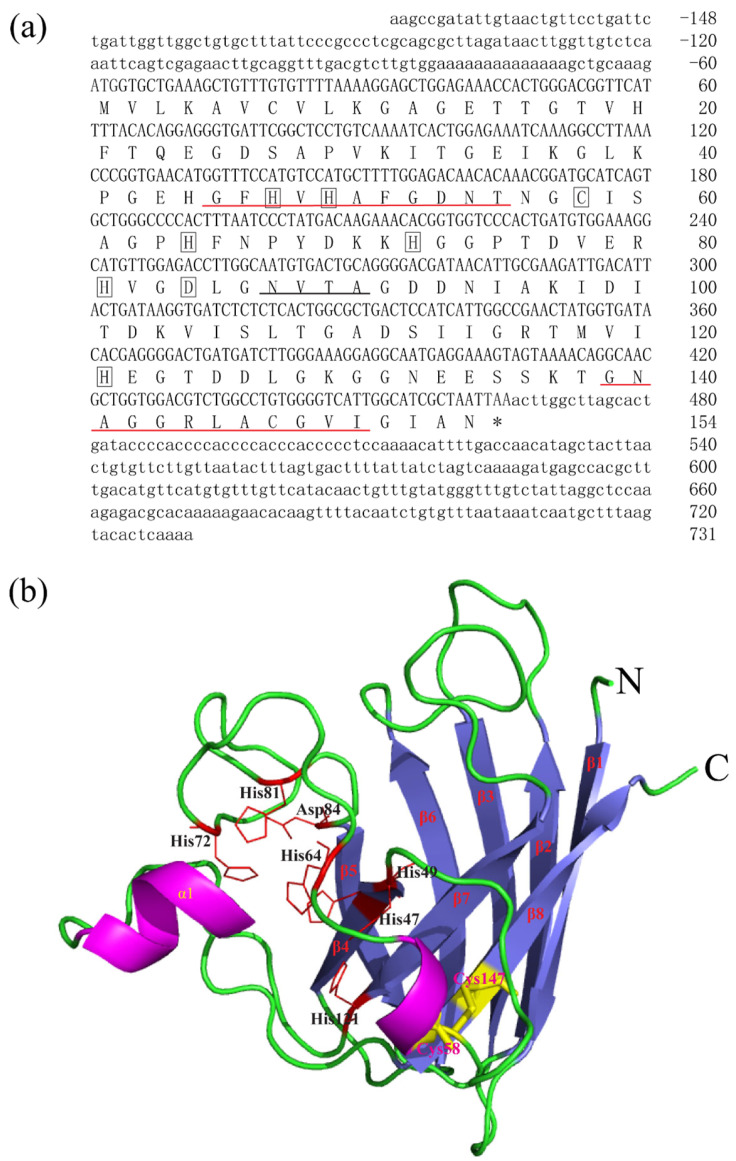 Figure 1
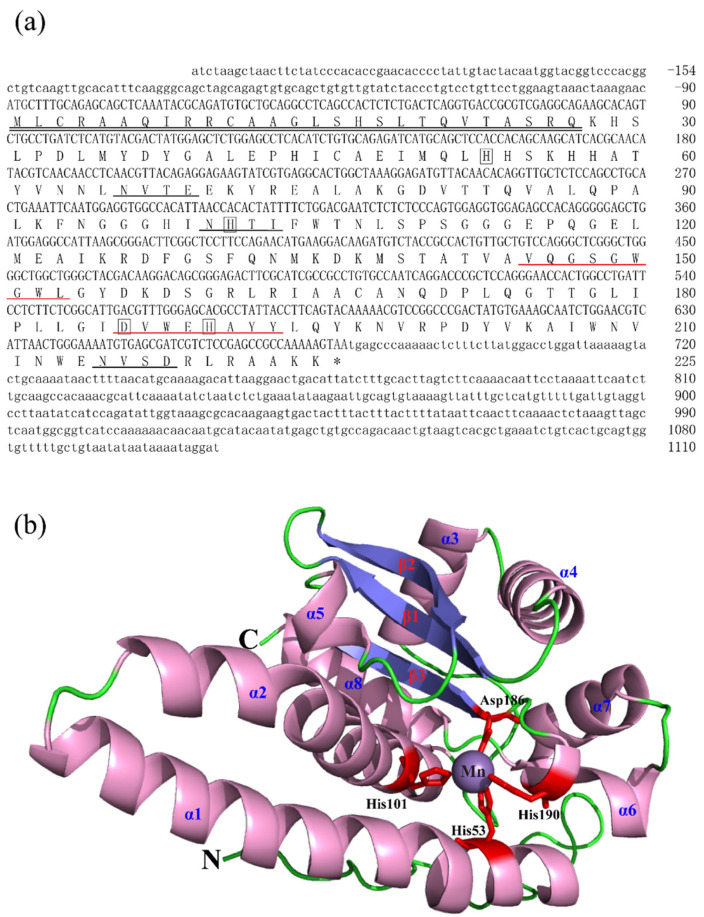 Figure 2
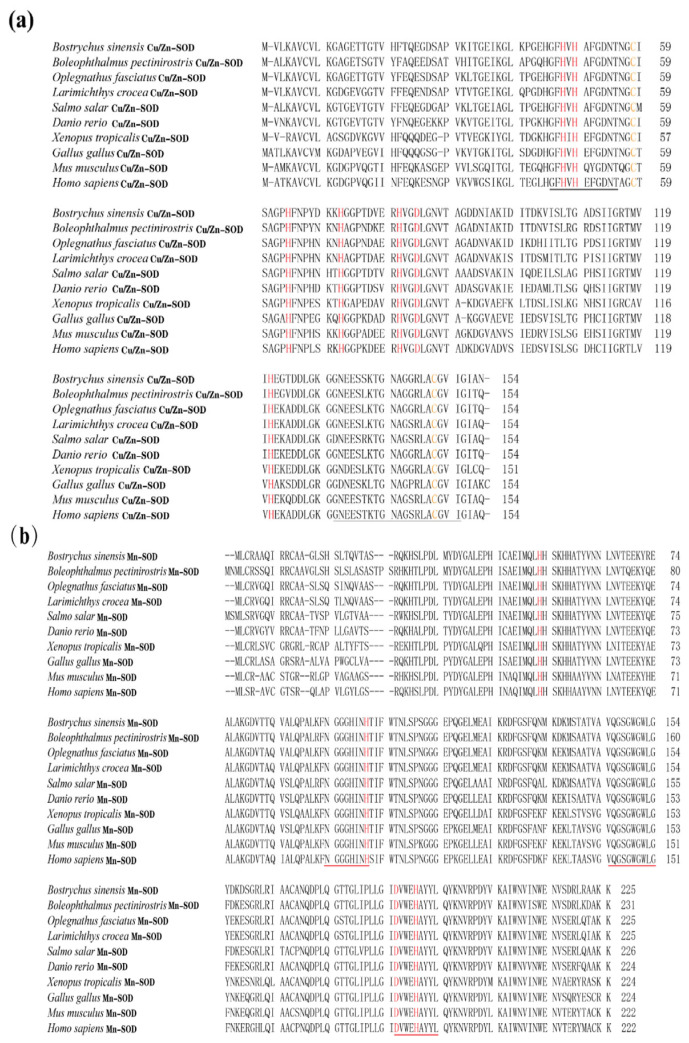 Figure 3
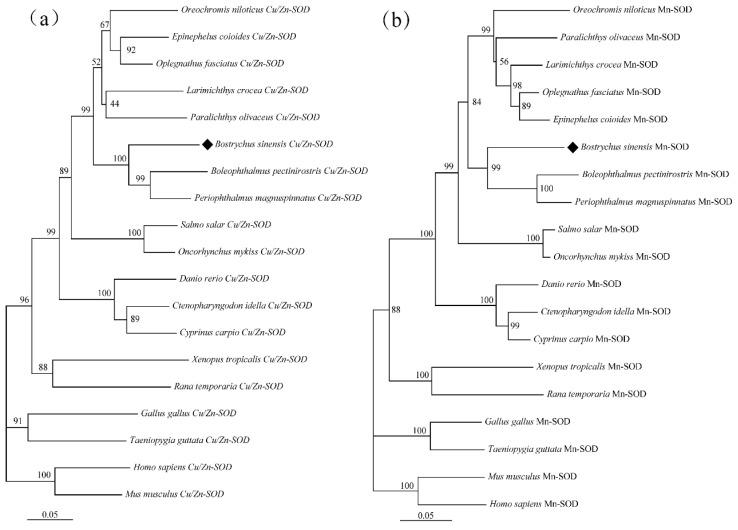 Figure 4
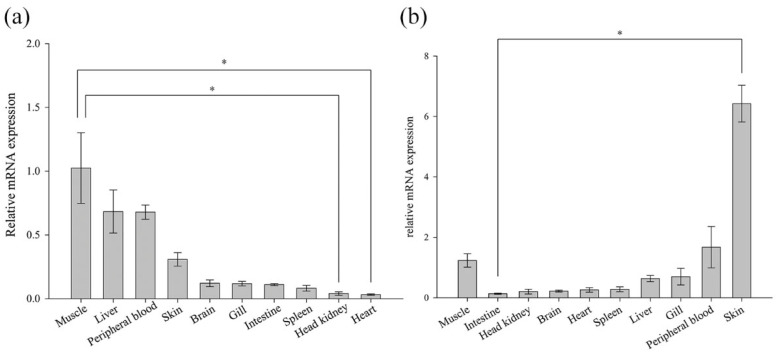 Figure 5
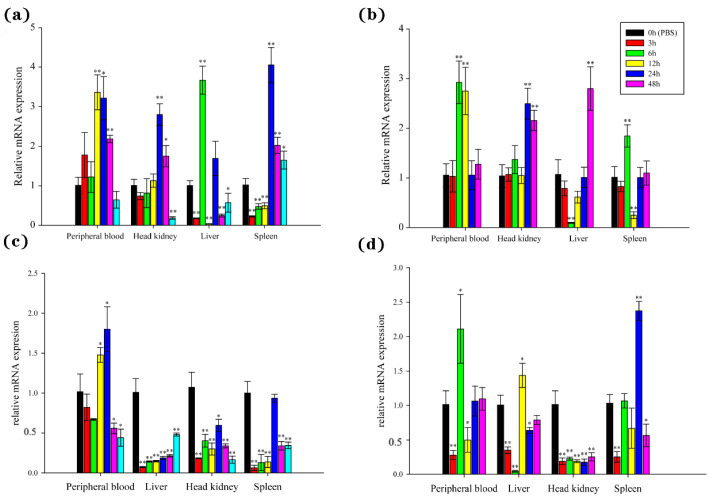 Figure 6
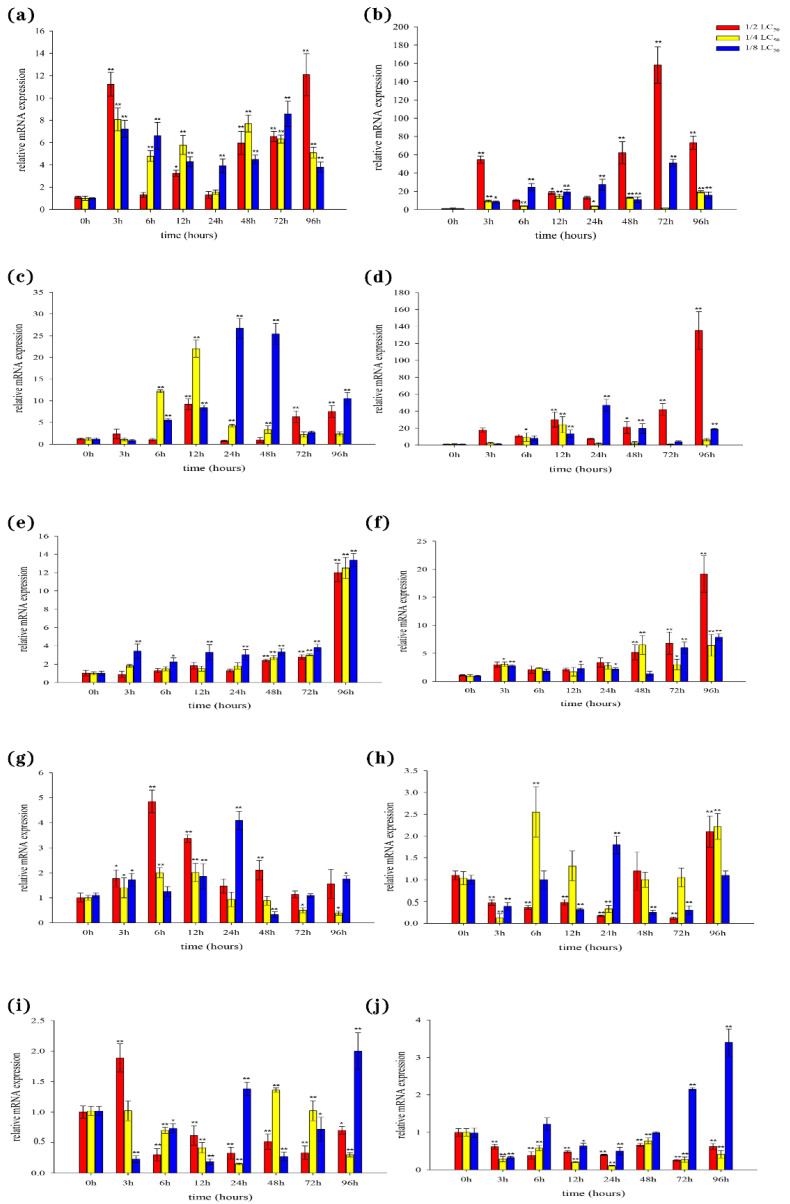 Figure 7
Peer Reviews
No public reviews on file for this paper yet. If you reviewed it on a platform where reviews are public (OpenReview, ICLR, NeurIPS, ICML), you can paste yours below so the community can read it here.
Videos
No videos yet. Explain this paper in a talk, walkthrough, or lecture? Add one.
Taxonomy
TopicsEnvironmental Toxicology and Ecotoxicology · Glutathione Transferases and Polymorphisms · Physiological and biochemical adaptations