Spiked Systems for Colonic Drug Delivery: Architectural Opportunities and Quality Assurance of Selective Laser Sintering
Angelos Gkaragkounis, Konstantina Chachlioutaki, Orestis L. Katsamenis, Fernando Alvarez-Borges, Savvas Koltsakidis, Ioannis Partheniadis, Nikolaos Bouropoulos, Ioannis S. Vizirianakis, Dimitrios Tzetzis, Ioannis Nikolakakis, Chris H. J. Verhoeven, Dimitrios G. Fatouros

TL;DR
This paper explores using 3D printing to create spiked drug delivery systems for the colon, showing improved retention and bioavailability.
Contribution
The study introduces spiked geometries in drug-loaded systems using SLS 3D printing without additives, enhancing colon retention and bioavailability.
Findings
Spiked drug-loaded specimens met pharmacopoeia standards and showed good biocompatibility.
Spiked balls exhibited longer retention times and better mucoadhesive properties compared to unspiked ones.
Innovative printing protocols improved product quality without sintering agents.
Abstract
Additive manufacturing has been a breakthrough therapy for the pharmaceutical industry raising opportunities for long-quested properties, such as controlled drug-delivery. The aim of this study was to explore the geometrical capabilities of selective laser sintering (SLS) by creating spiked (tapered-edged) drug-loaded specimens for administration in colon. Poly(vinyl alcohol) (PVA) was used as the binding material and loperamide hydrochloride was incorporated as the active ingredient. Printing was feasible without the addition of a sintering agent or other additives. Innovative printing protocols were developed to help improve the quality of the obtained products. Intentional vibrations were applied on the powder bed through rapid movements of the printing platform in order to facilitate rigidity and consistency of the printed objects. The drug-loaded products had physicochemical…
Genes, proteins, chemicals, diseases, species, mutations and cell lines named across the full text — each resolved to its canonical identifier and authoritative record.
Click any figure to enlarge with its caption.
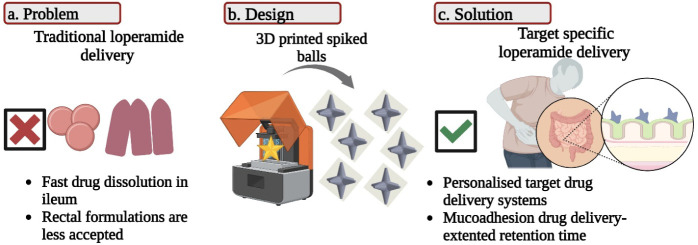 Figure 1
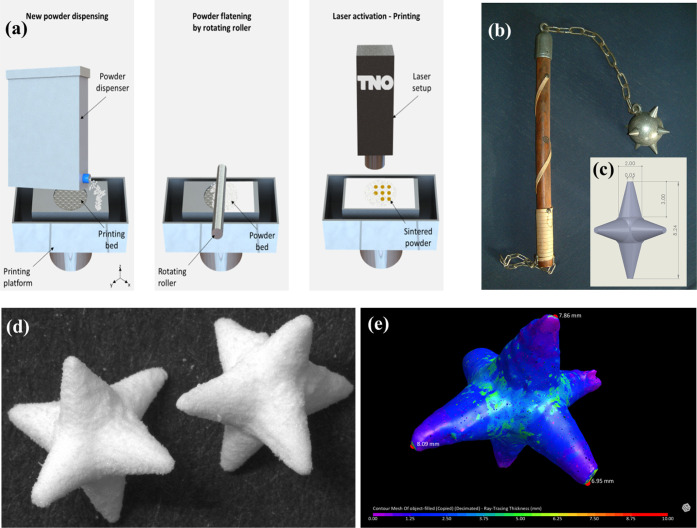 Figure 2
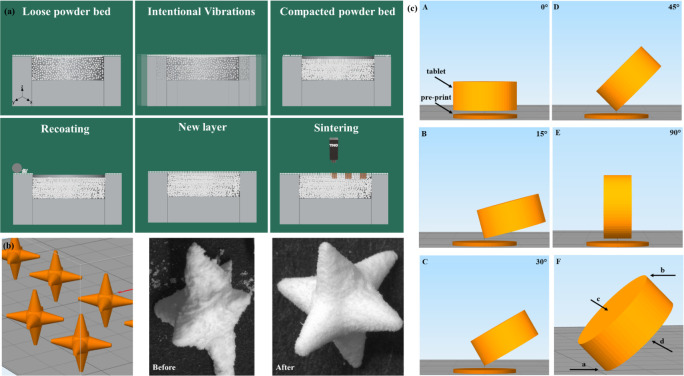 Figure 3
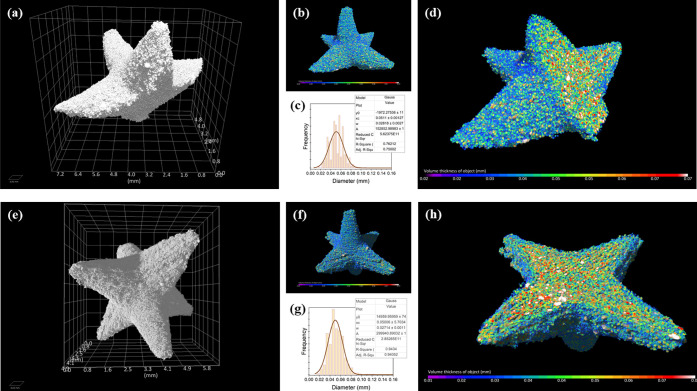 Figure 4
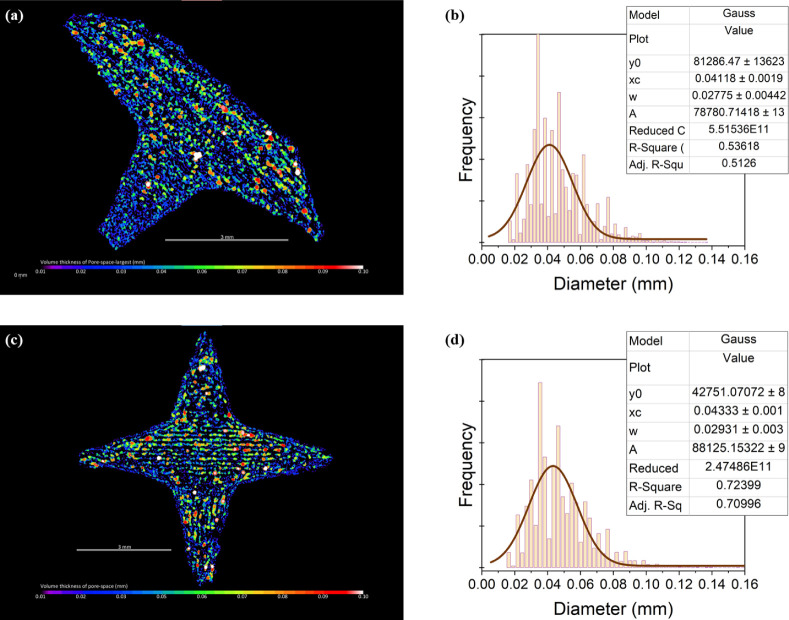 Figure 5
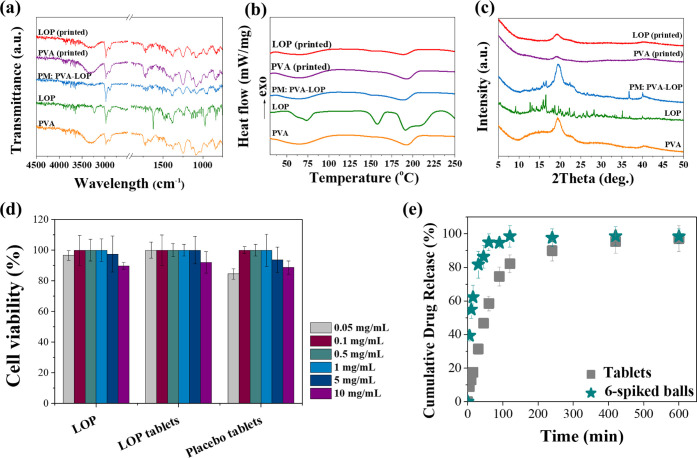 Figure 6
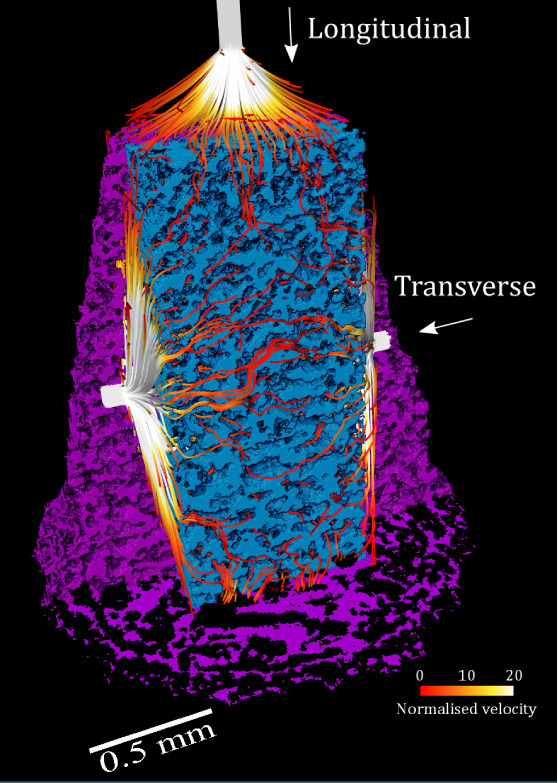 Figure 7
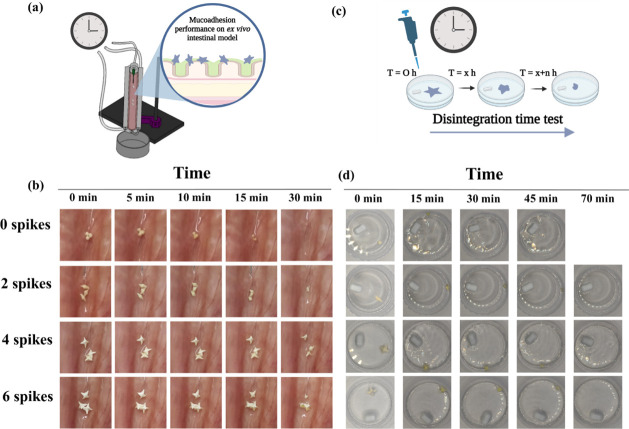 Figure 8
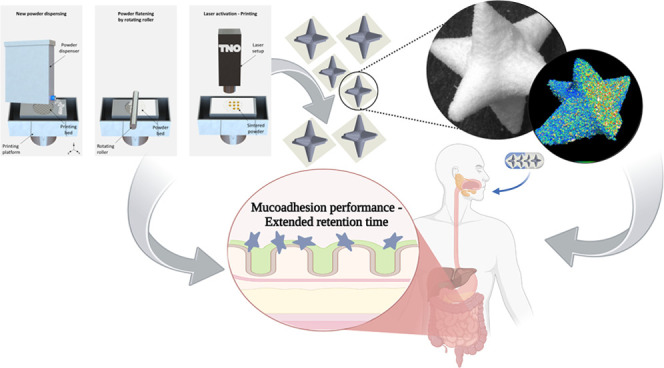 Figure 9
 Figure 10
Peer Reviews
No public reviews on file for this paper yet. If you reviewed it on a platform where reviews are public (OpenReview, ICLR, NeurIPS, ICML), you can paste yours below so the community can read it here.
Videos
No videos yet. Explain this paper in a talk, walkthrough, or lecture? Add one.
Taxonomy
Topics3D Printing in Biomedical Research · Additive Manufacturing and 3D Printing Technologies · Drug Solubulity and Delivery Systems