Successful Valve-in-Valve-in-Valve Transcatheter Aortic Valve Implantation for Severe Bioprosthetic Valve Restenosis in a High-Risk Patient
Benjamin A Gonzalez Burgos, Jose J Irizarry, Victor H Molina-Lopez, Juan Rivera-Torres, Miguel A Campos-Esteve, Antonio L Orraca-Gotay, Ismael Ortiz Cartagena

TL;DR
A high-risk patient with repeated valve issues successfully underwent a third transcatheter valve procedure, showing the potential of this approach for complex cases.
Contribution
Demonstrates the feasibility and safety of valve-in-valve-in-valve TAVI in a high-risk patient with recurrent bioprosthetic valve dysfunction.
Findings
ViViV TAVI significantly improved hemodynamics, reducing transvalvular gradient from 80-90 mmHg to 15-20 mmHg.
Effective orifice area increased from 0.4 cm² to 1.5 cm², and symptoms improved to NYHA Class I.
Procedure was performed safely in a patient deemed at high surgical risk.
Abstract
Transcatheter aortic valve implantation (TAVI) has significantly improved in treating aortic valve disease in recent years, particularly in patients at high surgical risk. This case report describes an 80-year-old woman who had severe aortic stenosis previously treated with surgical aortic valve replacement (SAVR) and six years later had a valve-in-valve (ViV) TAVI who developed severe symptomatic restenosis of the bioprosthetic aortic valve five years later of the last procedure. A third valve-in-valve-in-valve (ViViV) TAVI using a 26-mm Sapien 3 valve was performed due to the high surgical risk. The procedure resulted in significant hemodynamic improvement, reducing the transvalvular gradient from 80-90 mmHg to 15-20 mmHg and increasing the effective orifice area from 0.4 cm² to 1.5 cm². The patient’s symptoms improved to NYHA Class I. This case highlights the feasibility and safety…
Genes, proteins, chemicals, diseases, species, mutations and cell lines named across the full text — each resolved to its canonical identifier and authoritative record.
Click any figure to enlarge with its caption.
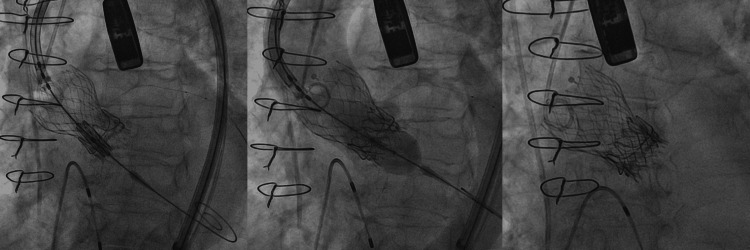 Figure 1
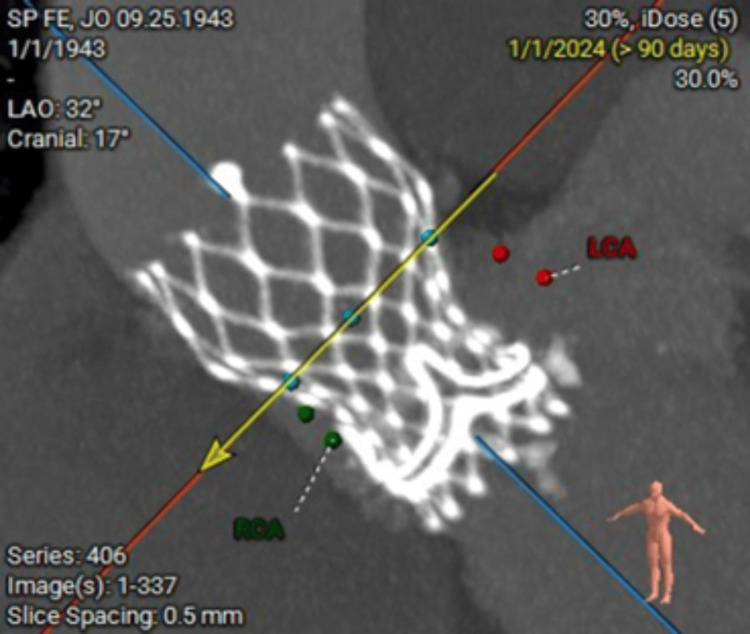 Figure 2
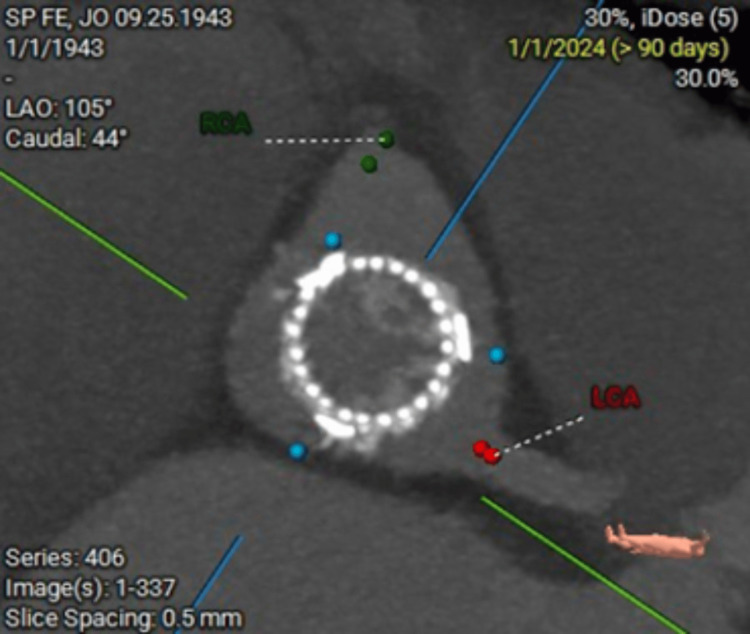 Figure 3
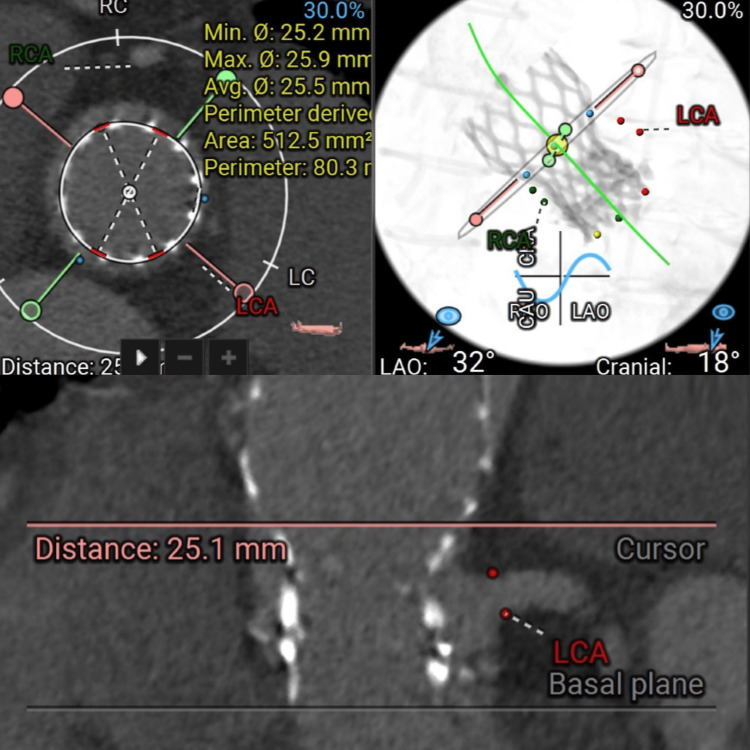 Figure 4
 Figure 5
Peer Reviews
No public reviews on file for this paper yet. If you reviewed it on a platform where reviews are public (OpenReview, ICLR, NeurIPS, ICML), you can paste yours below so the community can read it here.
Videos
No videos yet. Explain this paper in a talk, walkthrough, or lecture? Add one.
Taxonomy
TopicsCardiac Valve Diseases and Treatments · Infective Endocarditis Diagnosis and Management · Cardiac pacing and defibrillation studies