Bis(trimethylsilyl)phosphide chemistry: a half-century of advances across the periodic table
Jack Baldwin, David P. Mills

TL;DR
This review explores the chemistry of bis(trimethylsilyl)phosphide ligands over 55 years, highlighting their unique structures and potential in catalysis and materials science.
Contribution
The paper provides a comprehensive review of the synthesis, structure, and reactivity of bis(trimethylsilyl)phosphide complexes across the periodic table.
Findings
Bis(trimethylsilyl)phosphide complexes show diverse coordination modes and reactivity profiles.
These ligands offer unique structural motifs compared to bis(trimethylsilyl)amide ligands.
They have potential applications in catalysis, materials science, and bioinorganic chemistry.
Abstract
Whilst bis(trimethylsilyl)amide has been used extensively as a ligand across the periodic table, the chemistry of its heavier group 15 congeners is relatively underdeveloped. However, bis(trimethylsilyl)phosphide coordination chemistry has provided unique structural motifs and has also shown potential applications in catalysis, materials science, and bioinorganic chemistry. This review, which marks 55 years since the first report of a bis(trimethylsilyl)phosphide complex, provides a comprehensive overview of the synthesis, characterisation and reactivity of structurally authenticated s-, p-, d- and f-block metal complexes of this ligand, focusing on salient single crystal XRD and NMR spectroscopic data. We discuss the factors influencing the diverse coordination modes and reactivity profiles of bis(trimethylsilyl)phosphide complexes, together with an overview of their potential as…
Genes, proteins, chemicals, diseases, species, mutations and cell lines named across the full text — each resolved to its canonical identifier and authoritative record.
Click any figure to enlarge with its caption.
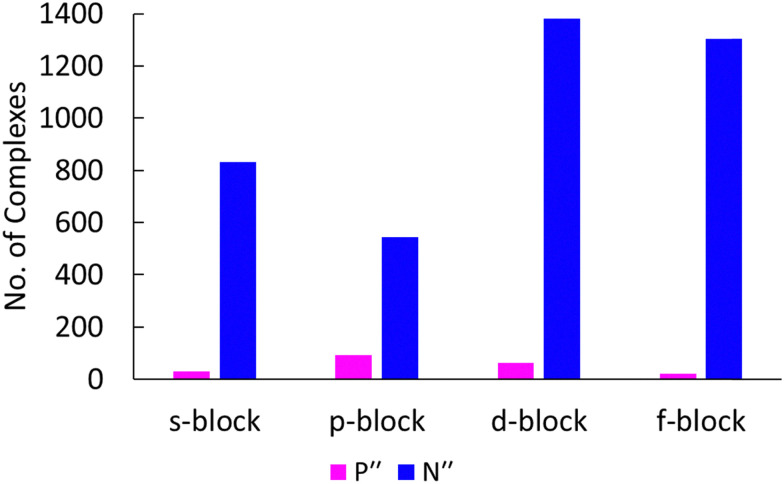 Figure 1
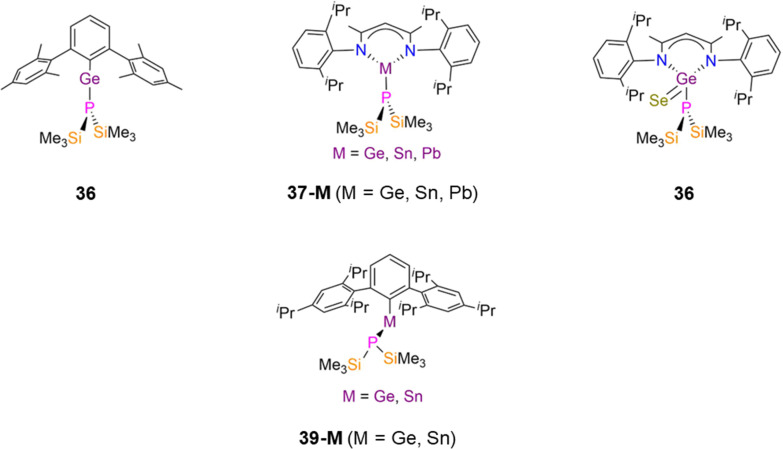 Figure 2
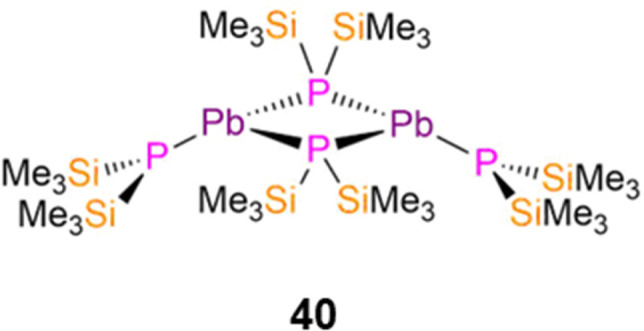 Figure 3
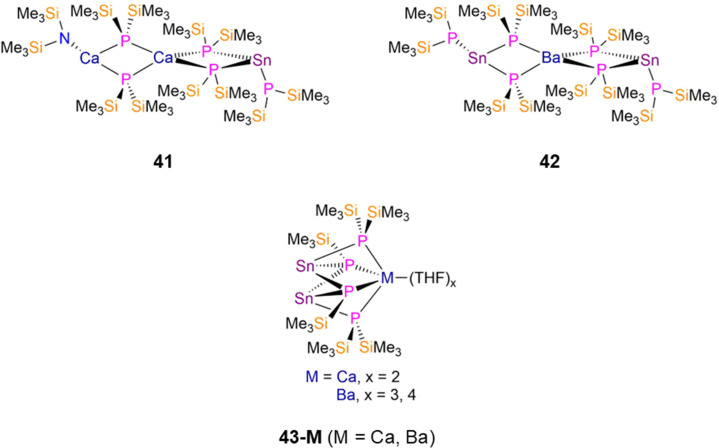 Figure 4
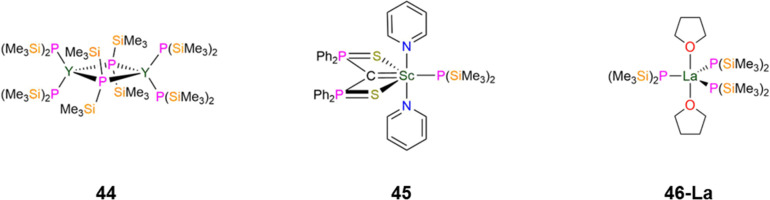 Figure 5
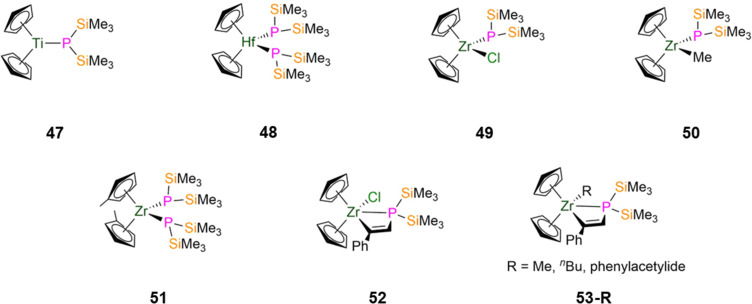 Figure 6
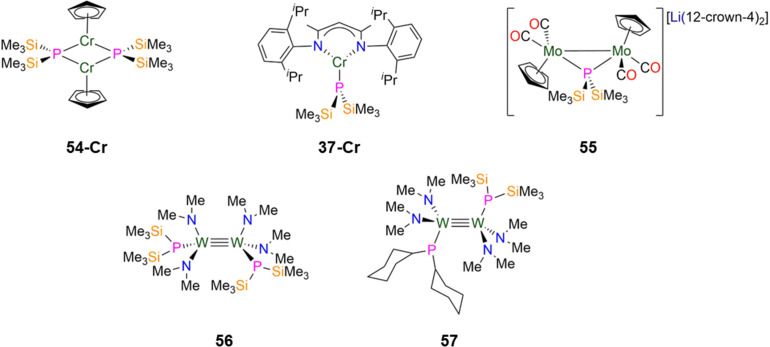 Figure 7
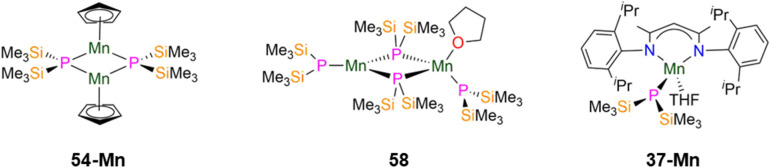 Figure 8
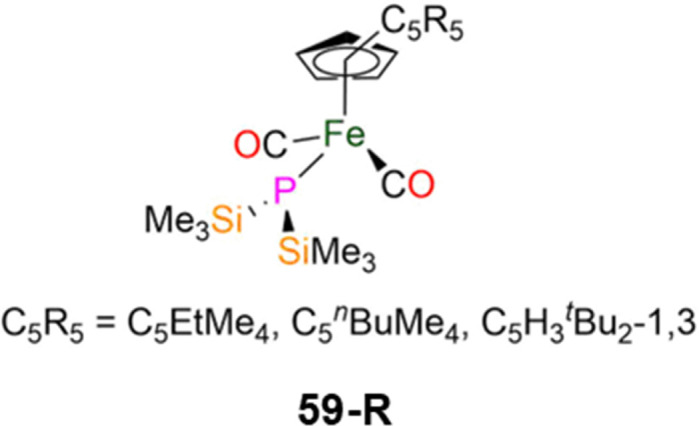 Figure 9
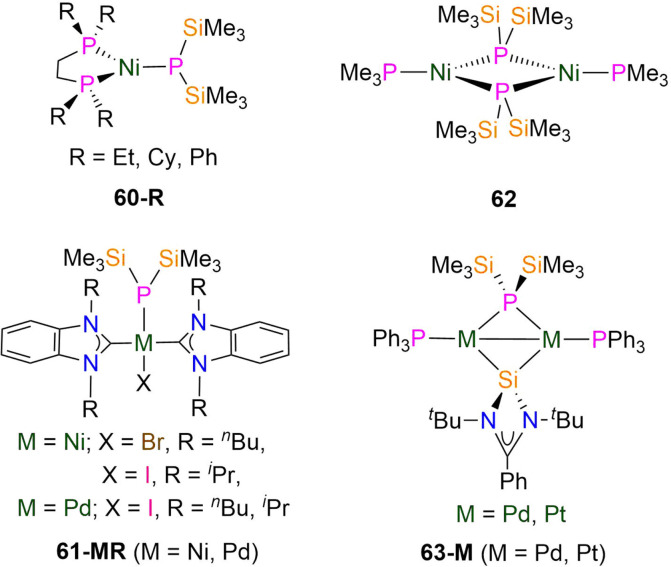 Figure 10
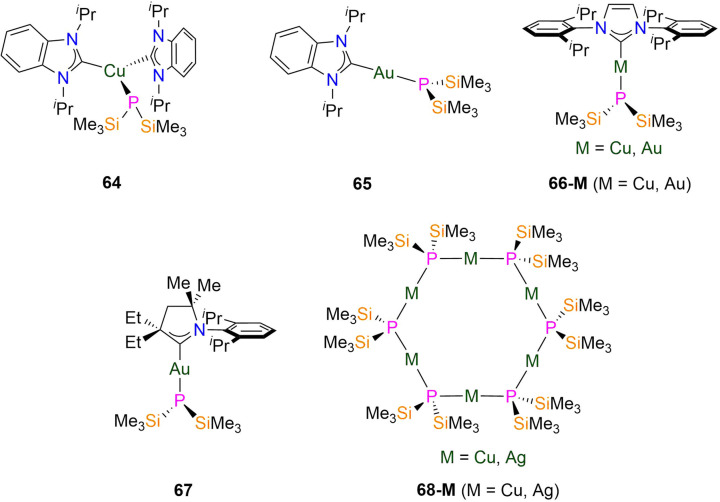 Figure 11
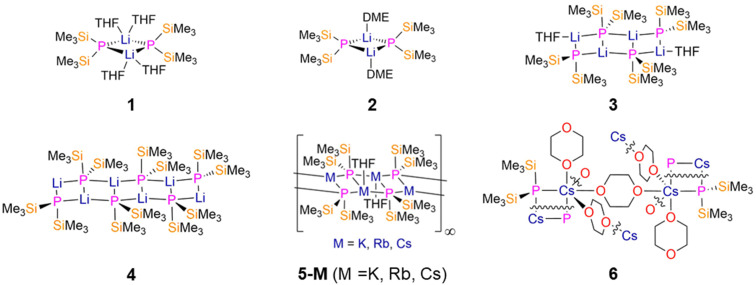 Figure 12
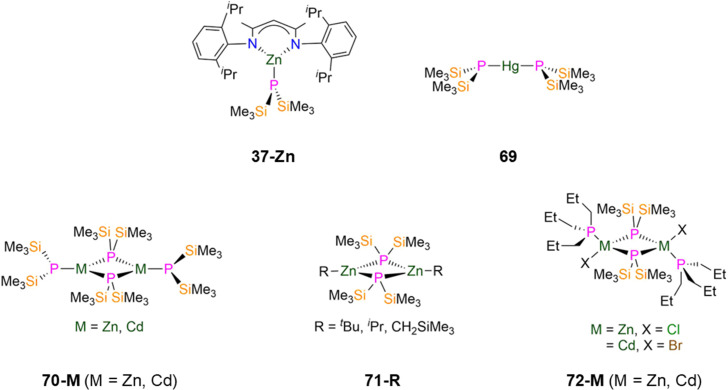 Figure 13
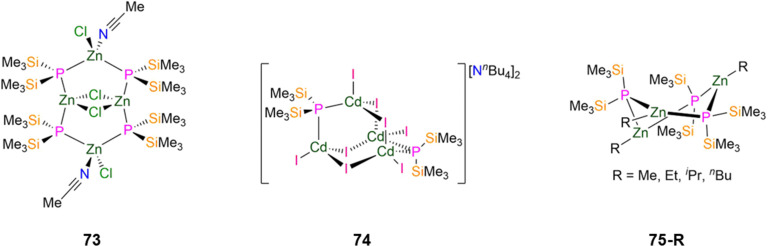 Figure 14
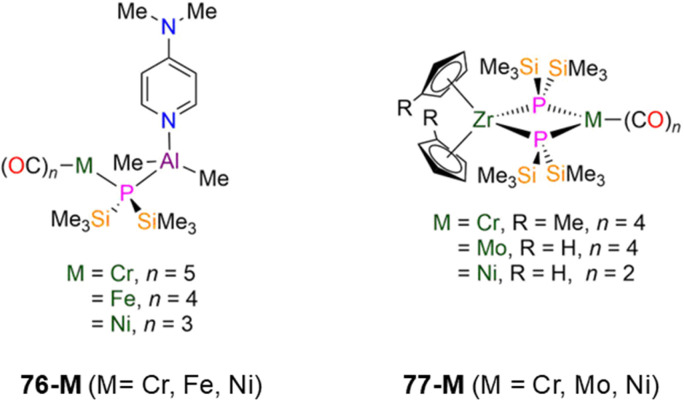 Figure 15
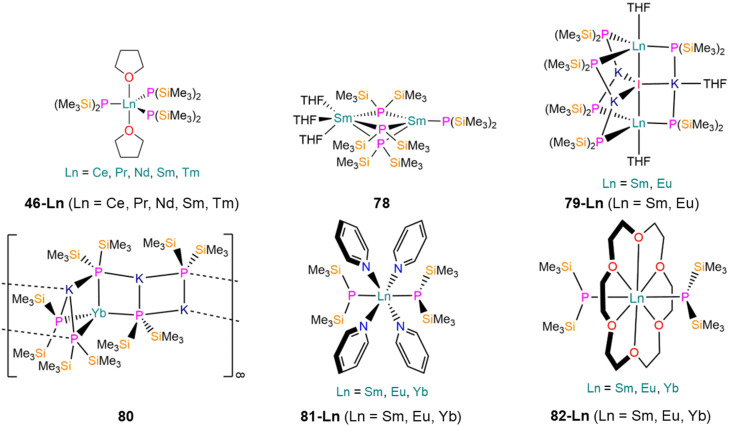 Figure 16
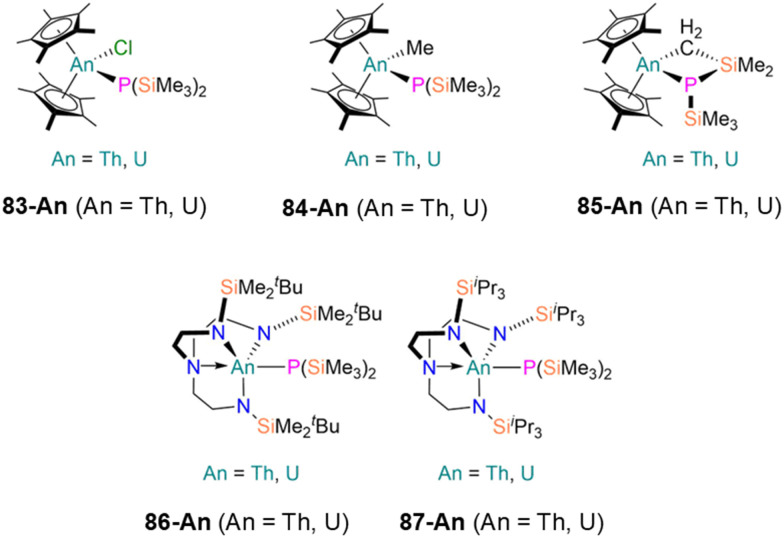 Figure 17
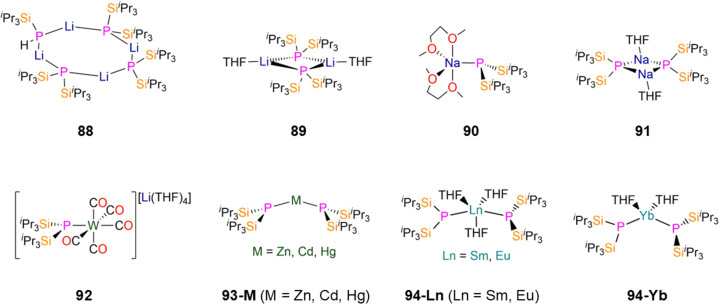 Figure 18
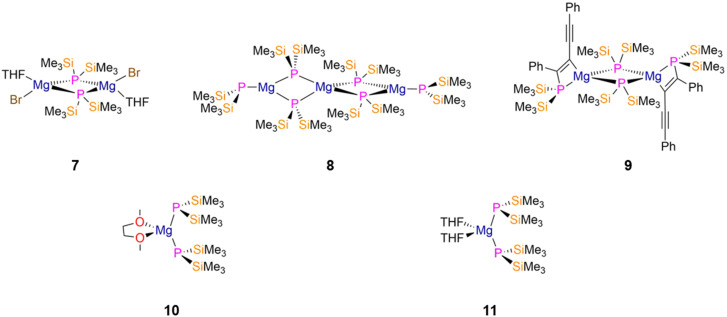 Figure 19
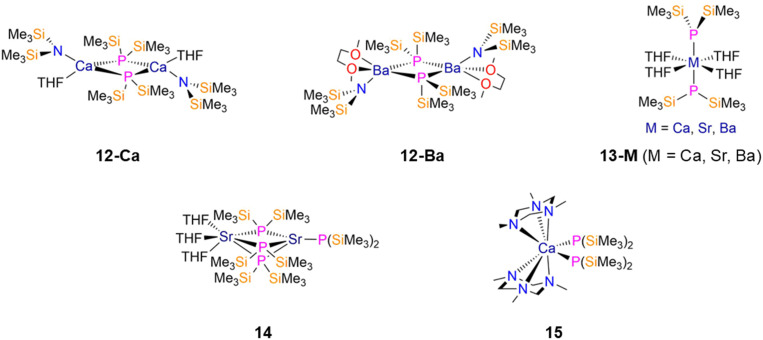 Figure 20
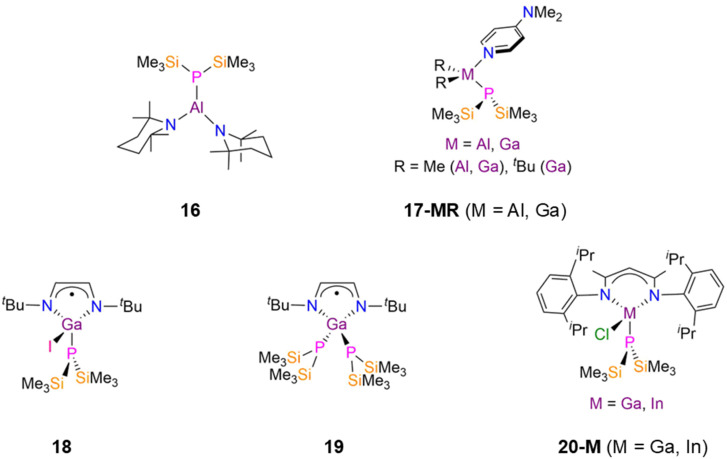 Figure 21
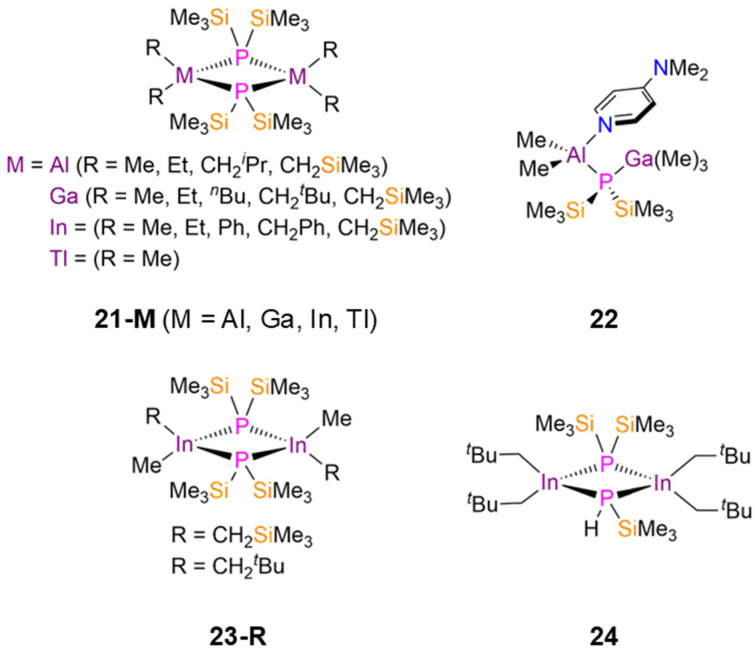 Figure 22
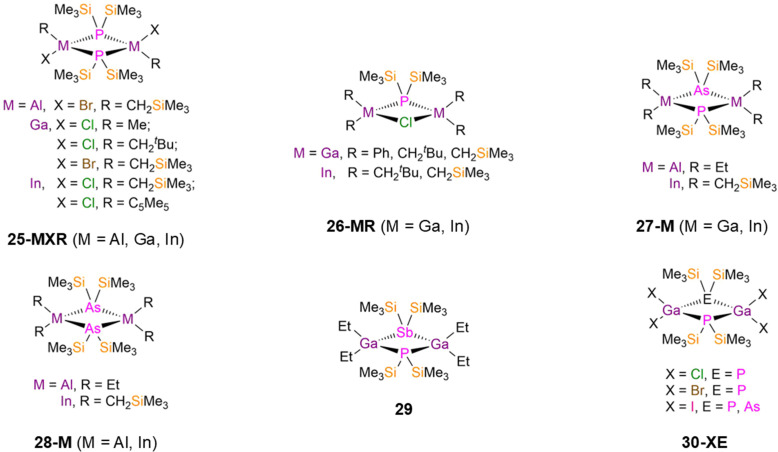 Figure 23
 Figure 24
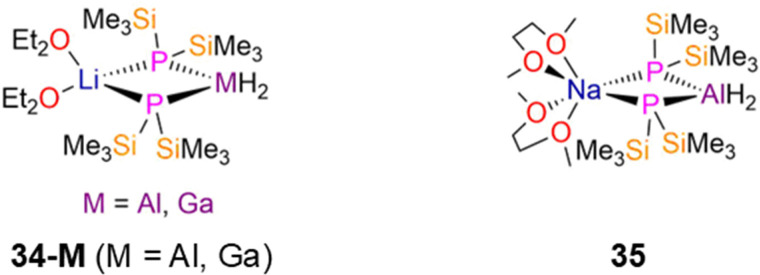 Figure 25
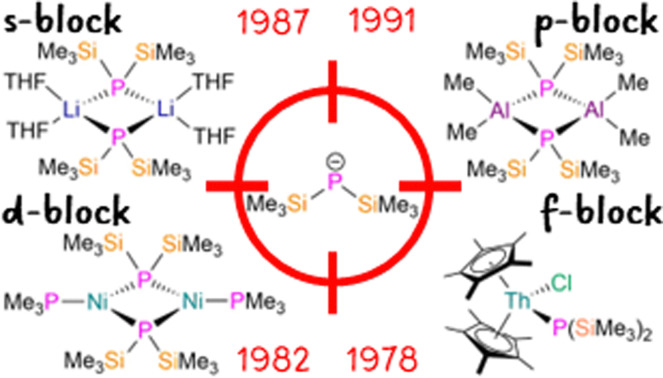 Figure 26
 Figure 27
 Figure 28
 Figure 29
Peer Reviews
No public reviews on file for this paper yet. If you reviewed it on a platform where reviews are public (OpenReview, ICLR, NeurIPS, ICML), you can paste yours below so the community can read it here.
Videos
No videos yet. Explain this paper in a talk, walkthrough, or lecture? Add one.
Taxonomy
TopicsSynthesis and characterization of novel inorganic/organometallic compounds · Organometallic Complex Synthesis and Catalysis · Organoboron and organosilicon chemistry