Identification of a minimal strong translation enhancer within the 5′-untranslated region of OsMac3 mRNA
Hiromi Aoki-Mutsuro, Ryoko Tamukai, Miho Fukui, Mai Wajiki, Tomohiro Imamura, Lyubov A. Ryabova, Mikhail V. Schepetilnikov, Hiroshi Teramura, Hiroaki Kusano, Hiroaki Shimada

TL;DR
Researchers identified a short, strong enhancer in the 5′UTR of rice OsMac3 mRNA that boosts protein production in various systems.
Contribution
A minimal 158 nt enhancer (dMac3) was identified for efficient translation in both in vitro and in vivo systems.
Findings
Deletion of the uORF and SL1 increases translation by two-fold.
SL2 and a 13 nt region downstream are critical for dMac3's enhancer activity.
dMac3 promotes translation in cultured cells and Nicotiana benthamiana leaves.
Abstract
The long 5′ untranslated region (5′UTR) exhibits enhancer activity in translation of rice OsMac3 mRNA. In this report, we describe elements of OsMac3 5′UTR that may be responsible for its enhancer activity, including a long uORF and several secondary structure elements. OsMac3 5′UTR can be dissected into three stem-loop structures SL1, small SL and SL2, where the uORF starts within SL1 and ends within SL2. As expected, uORF inhibits translation of downstream ORF since deletion of the uORF AUG or the SL1 stem-loop increases translation by approximately two-fold. Thus, the 158 nt 3′ region of the 5′UTR lacking SL1 together with the AUG uORF, which has significant enhancer activity, was named dMac3. We investigated two critical regions within dMac3 mRNA that influence its translation: SL2, which destabilization potentially decreases translation activity, and another 13 nt located…
Genes, proteins, chemicals, diseases, species, mutations and cell lines named across the full text — each resolved to its canonical identifier and authoritative record.
Click any figure to enlarge with its caption.
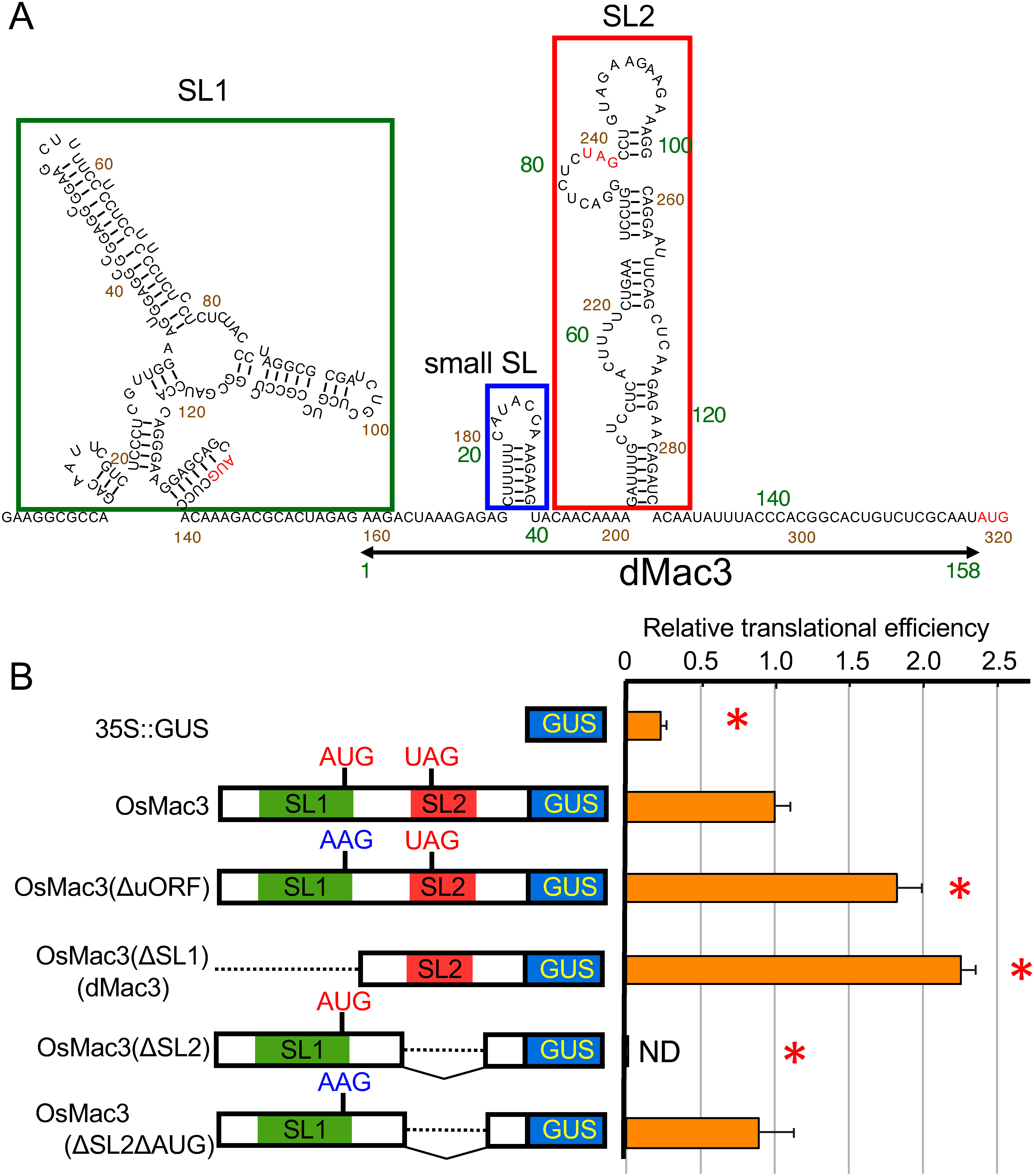 Figure 1
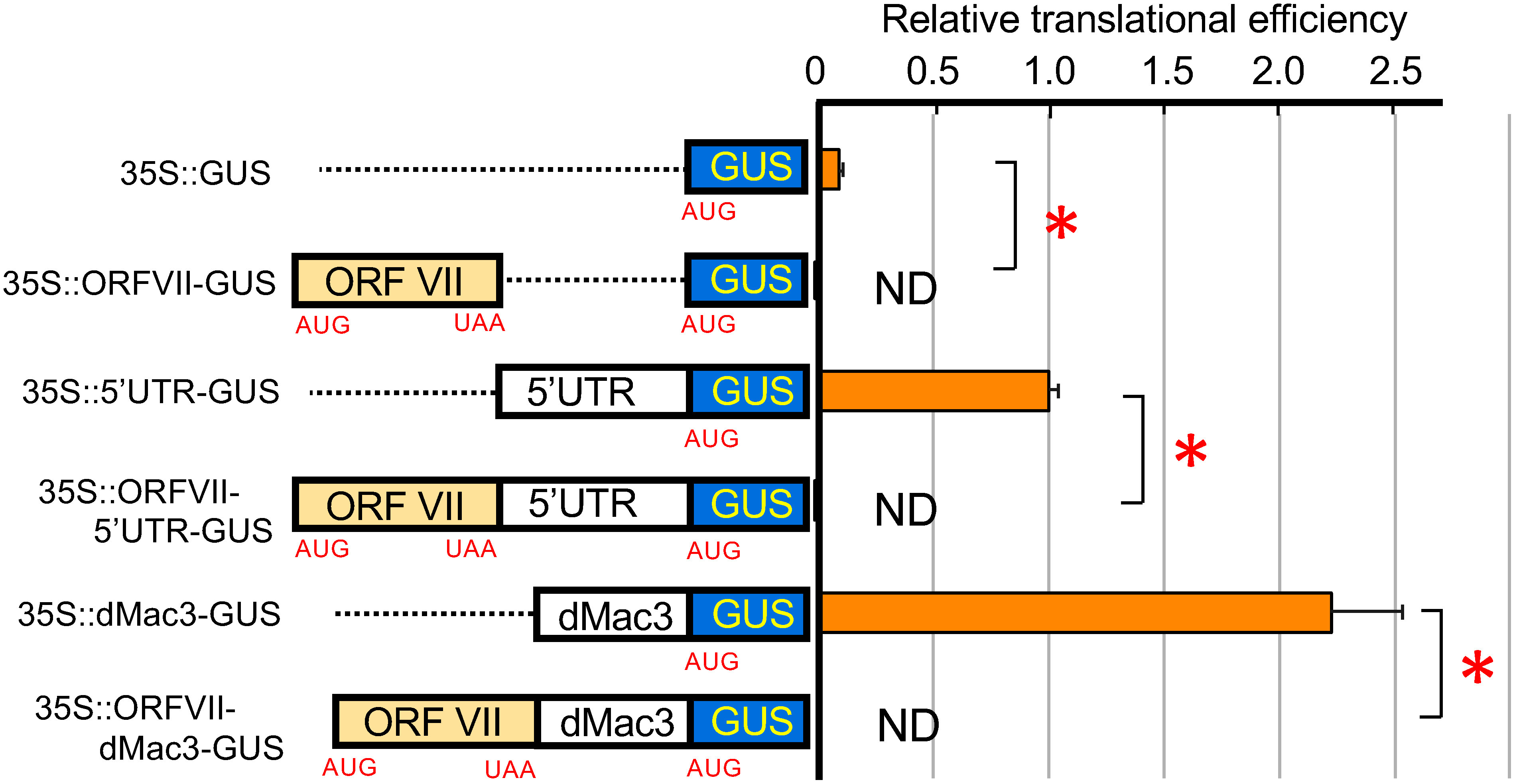 Figure 2
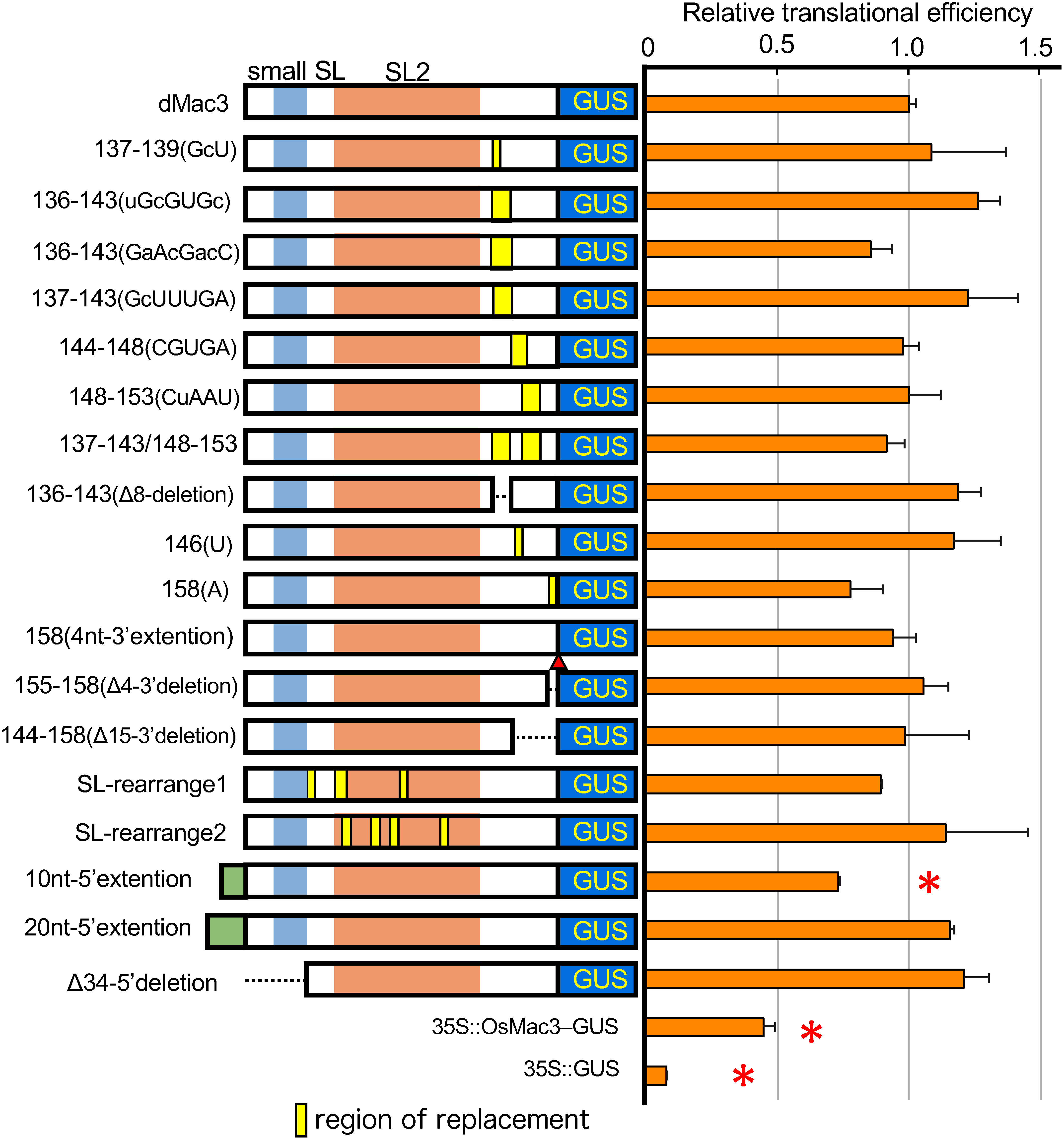 Figure 3
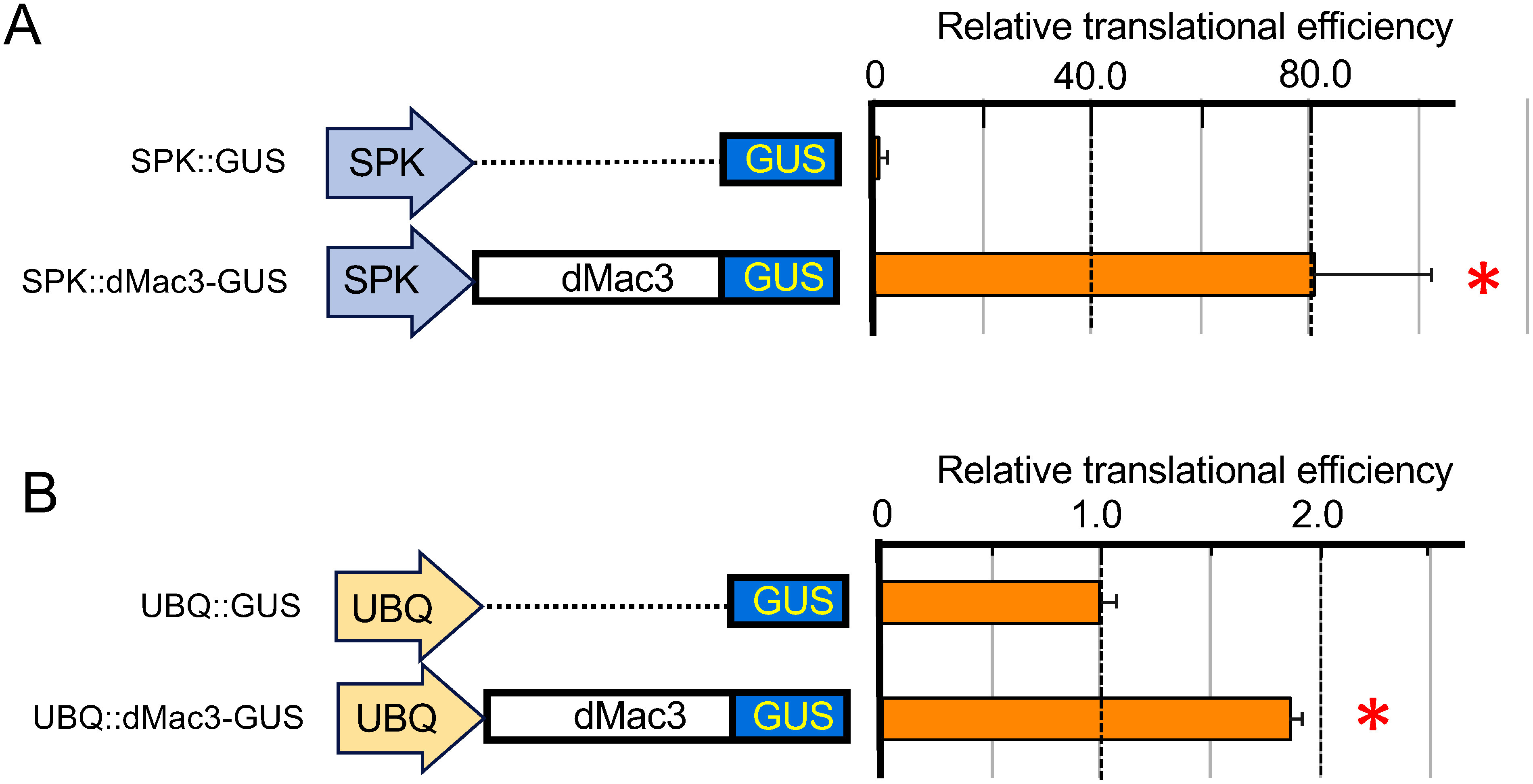 Figure 4
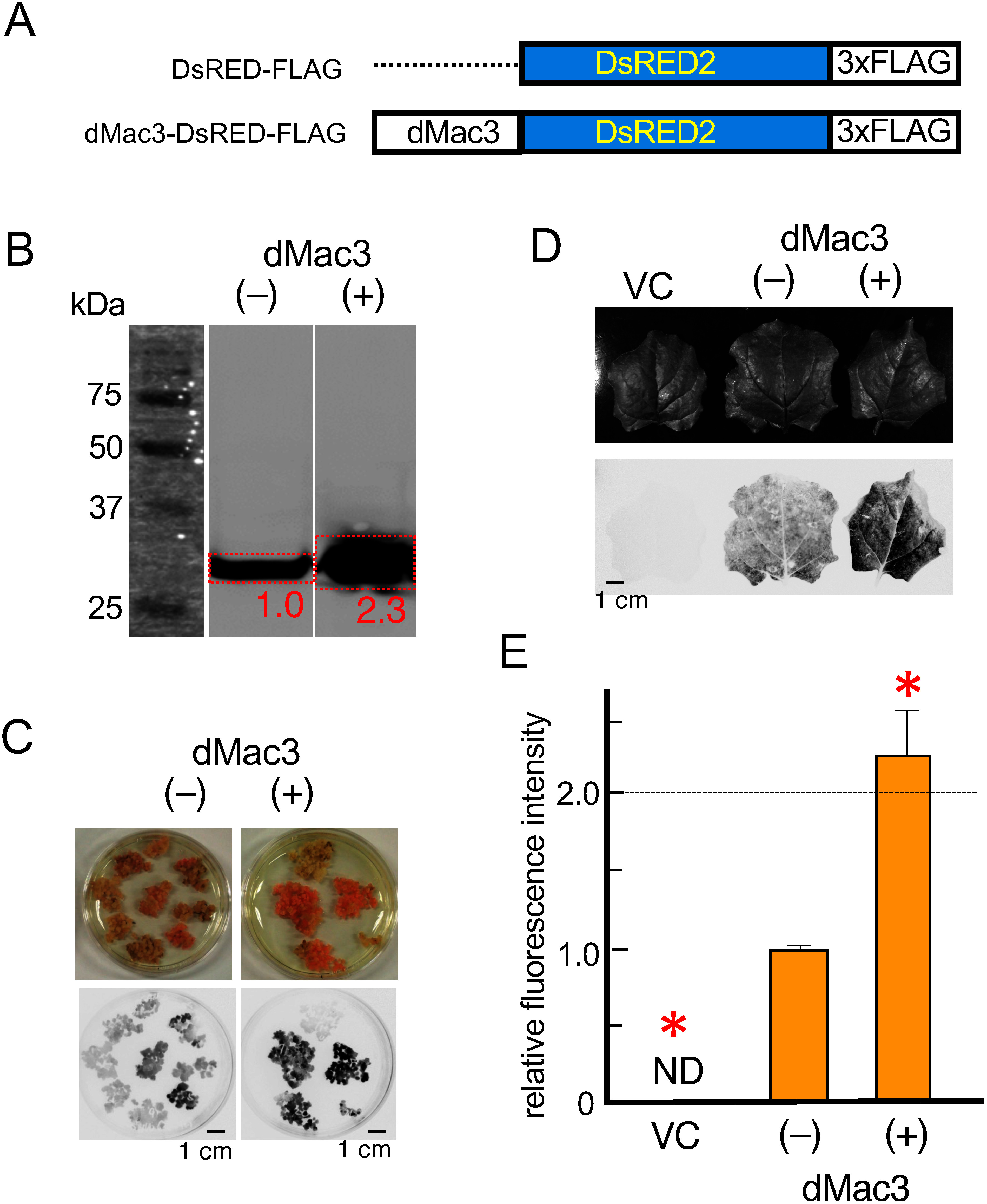 Figure 5
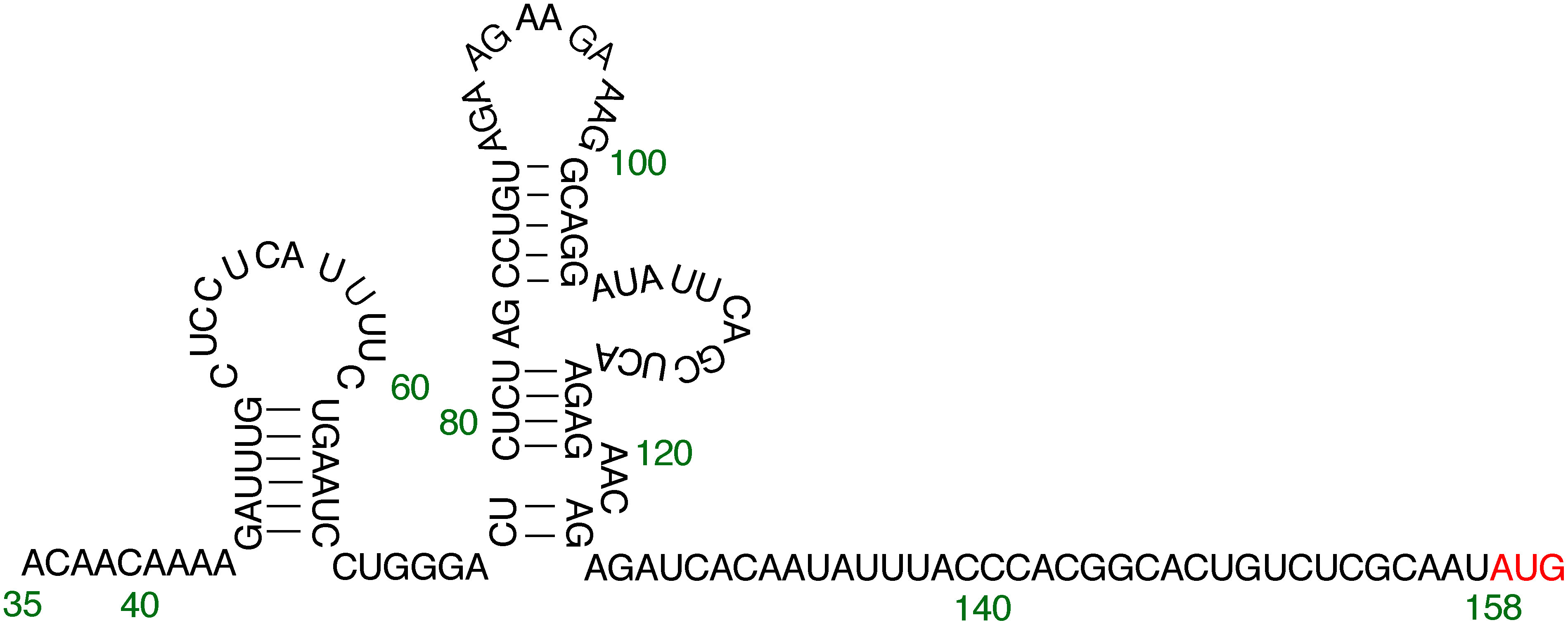 Figure 6
Peer Reviews
No public reviews on file for this paper yet. If you reviewed it on a platform where reviews are public (OpenReview, ICLR, NeurIPS, ICML), you can paste yours below so the community can read it here.
Videos
No videos yet. Explain this paper in a talk, walkthrough, or lecture? Add one.
Taxonomy
TopicsRNA modifications and cancer · RNA Research and Splicing · RNA and protein synthesis mechanisms