The deficiency of methylglyoxal synthase promotes cell proliferation in Synechocystis sp. PCC 6803 under mixotrophic conditions
Aikeranmu Kadeer, Yuuma Ishikawa, Kaushalya Dayarathne, Atsuko Miyagi, Toshiki Ishikawa, Masatoshi Yamaguchi, Maki Kawai-Yamada

TL;DR
A deficiency in methylglyoxal synthase boosts cell growth in Synechocystis under mixotrophic conditions, likely due to reduced methylglyoxal levels.
Contribution
The study reveals a novel role of methylglyoxal synthase in regulating cell proliferation in Synechocystis under mixotrophic conditions.
Findings
The sll0036-deficient strain shows higher growth under mixotrophic conditions compared to the wild-type.
MG levels are reduced in the sll0036-deficient strain under mixotrophic conditions.
Growth enhancement is linked to glucose-related metabolism, not osmotic stress.
Abstract
Methylglyoxal synthase (MGS), which converts dihydroxyacetone phosphate to methylglyoxal (MG), is found in only prokaryotes. Synechocystis sp. PCC 6803 possesses the gene sll0036, which encodes MGS. To clarify the biological function of MGS, we constructed a gene-disruption strain of Synechocystis sp. PCC 6803. Expression analysis showed that MG metabolic genes (sll0036, sll0067, and slr1167) were upregulated under photoautotrophic conditions compared to mixotrophic conditions. The sll0036-deficient strain (Δ0036) exhibited a higher growth rate than the wild-type (WT) strain under mixotrophic conditions, whereas no significant difference was observed under photoautotrophic conditions. When cells were cultured in a medium supplemented with sorbitol or mannitol instead of glucose, the growth enhancement observed in the Δ0036 strain disappeared. This suggests that the difference in growth…
Genes, proteins, chemicals, diseases, species, mutations and cell lines named across the full text — each resolved to its canonical identifier and authoritative record.
Click any figure to enlarge with its caption.
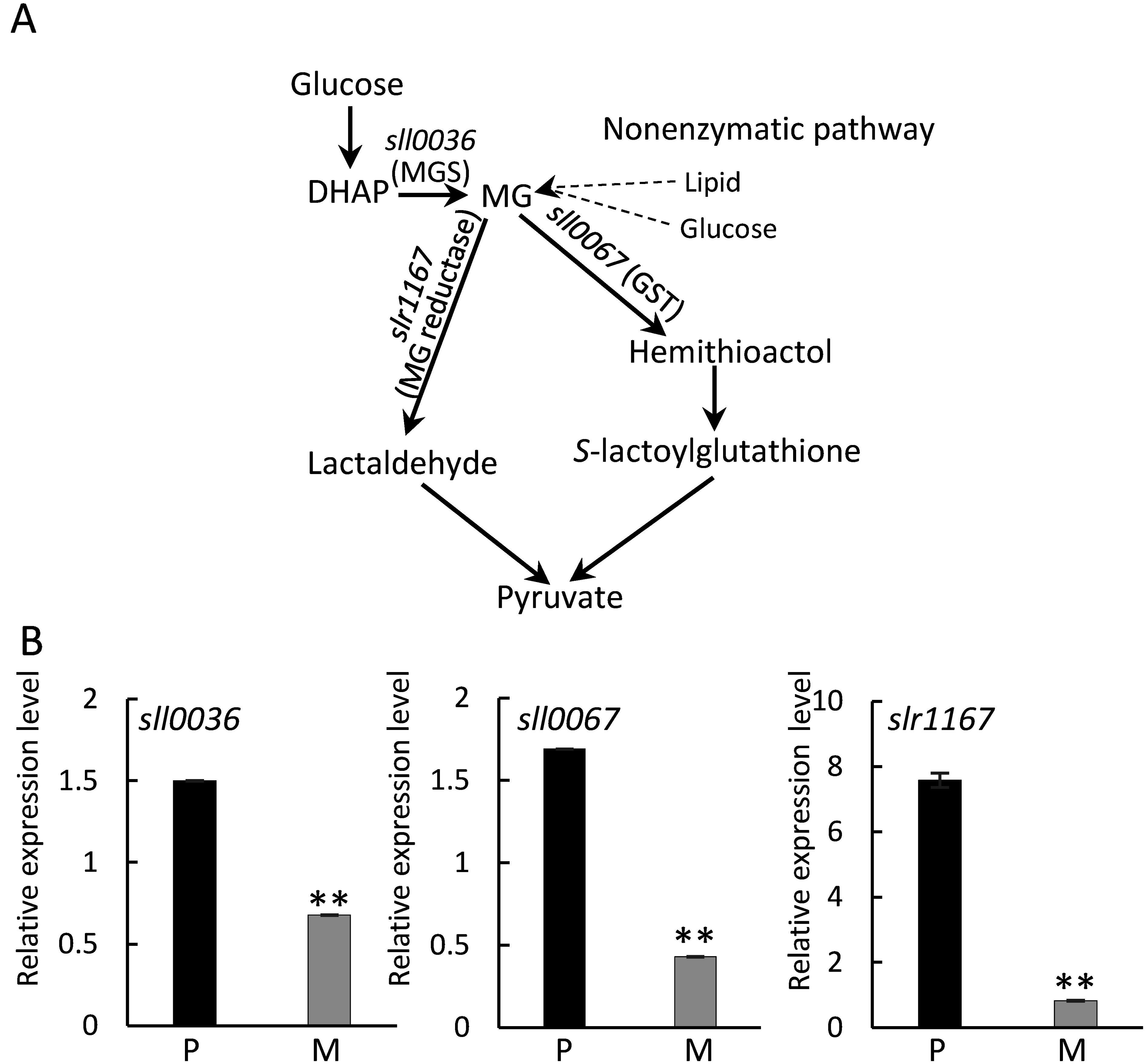 Figure 1
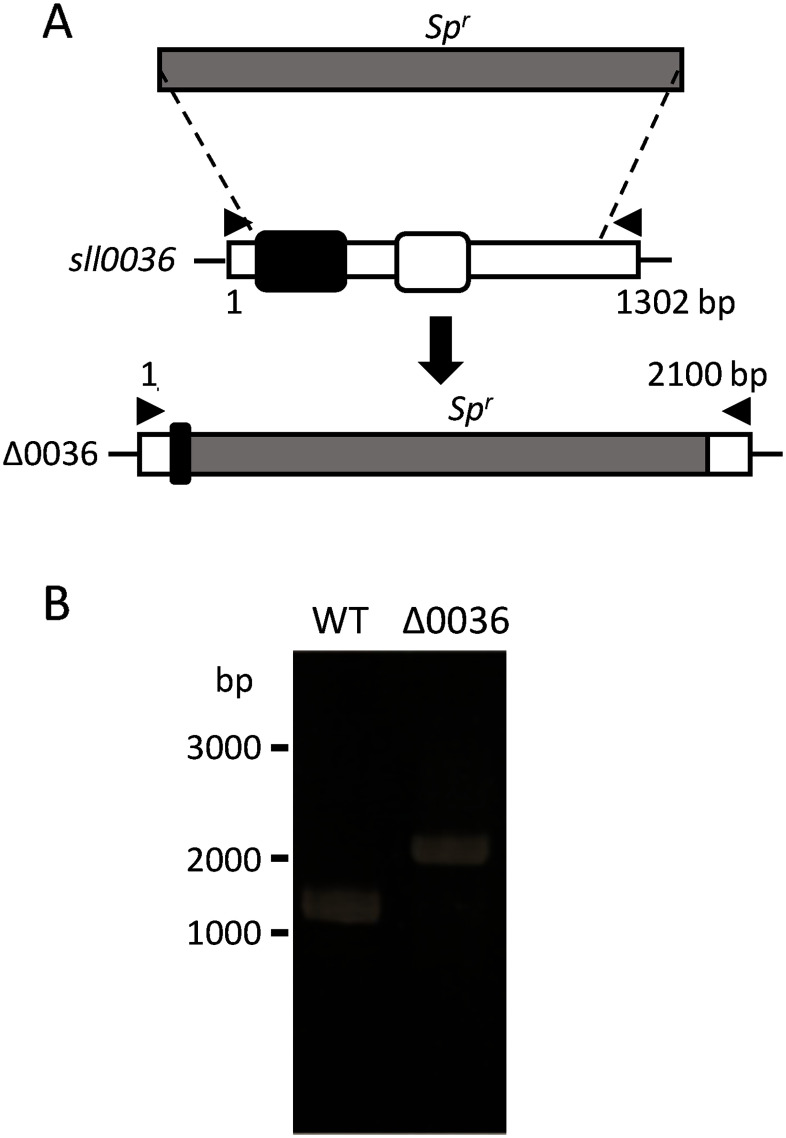 Figure 2
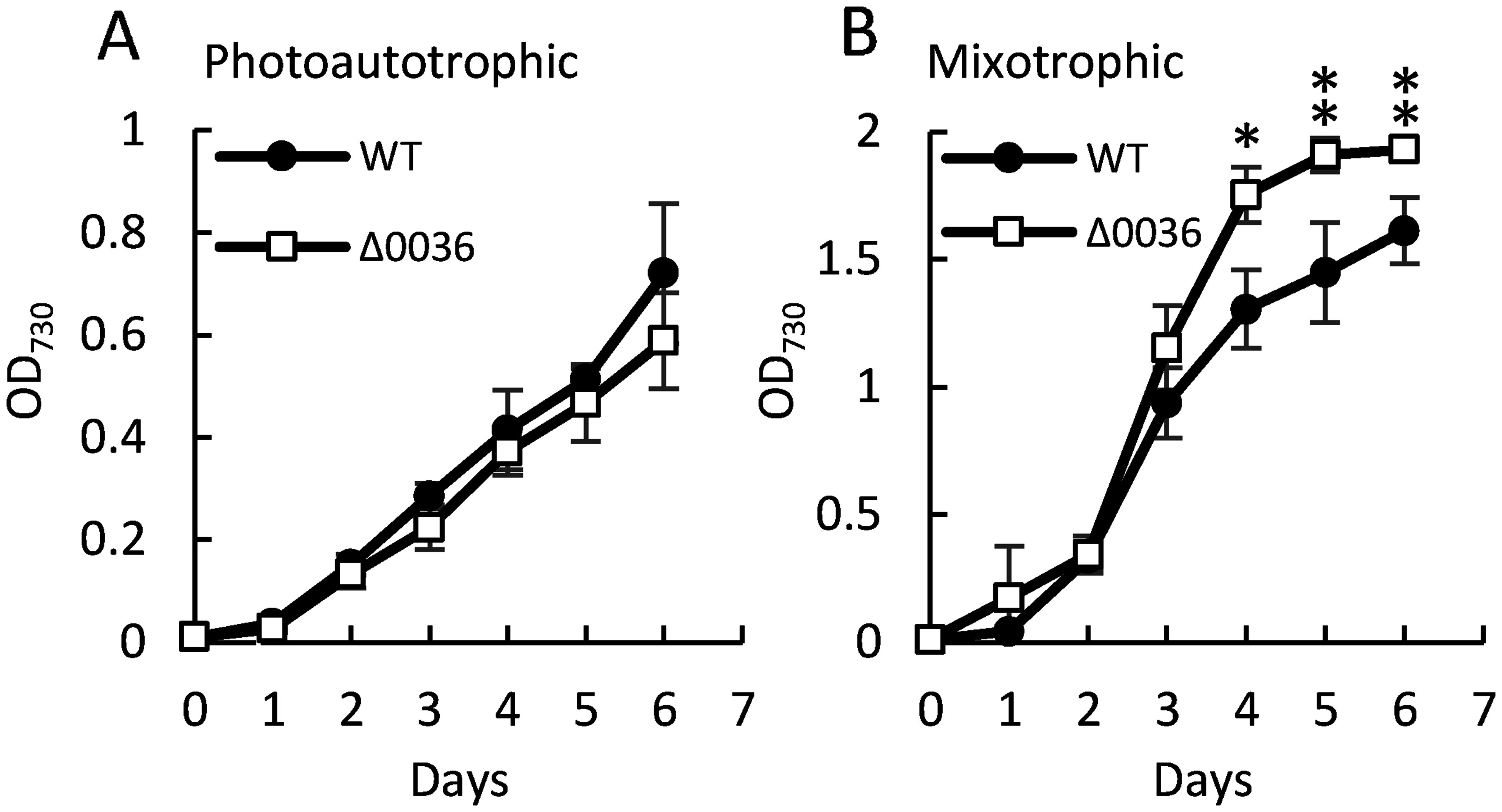 Figure 3
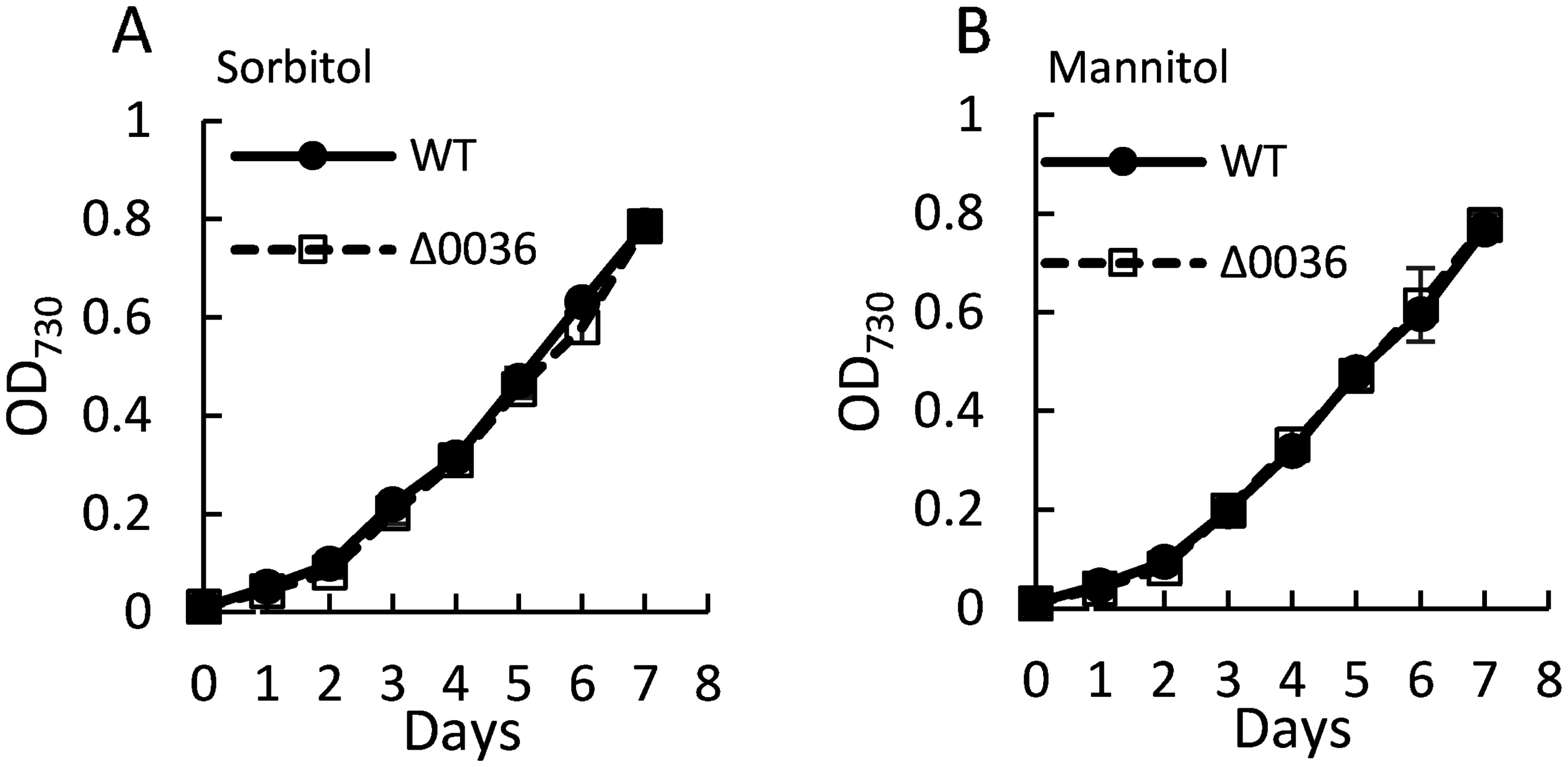 Figure 4
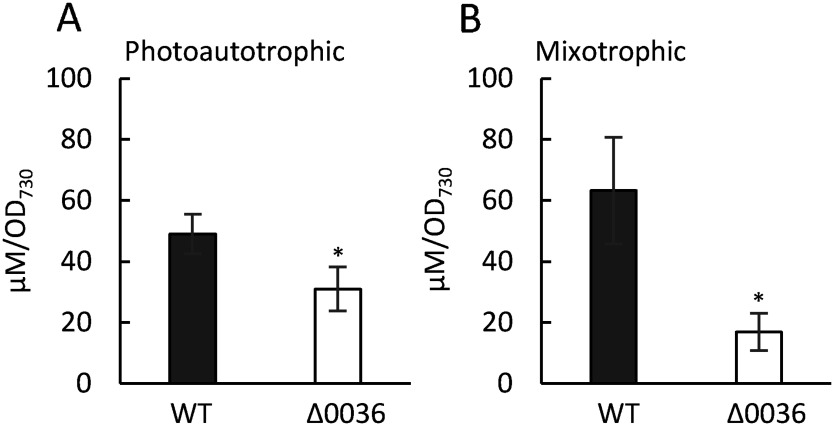 Figure 5
Peer Reviews
No public reviews on file for this paper yet. If you reviewed it on a platform where reviews are public (OpenReview, ICLR, NeurIPS, ICML), you can paste yours below so the community can read it here.
Videos
No videos yet. Explain this paper in a talk, walkthrough, or lecture? Add one.
Taxonomy
TopicsAdvanced Glycation End Products research · Enzyme Structure and Function · Microbial metabolism and enzyme function