Synthesis of N-acetyl diazocine derivatives via cross-coupling reaction
Thomas Brandt, Pascal Lentes, Jeremy Rudtke, Michael Hösgen, Christian Näther, Rainer Herges

TL;DR
Researchers synthesized new water-soluble diazocine derivatives using cross-coupling reactions, improving their performance in aqueous environments.
Contribution
A novel synthesis strategy for water-soluble diazocine derivatives using cross-coupling reactions is introduced.
Findings
Fourteen substituted diazocine derivatives were successfully synthesized via Stille, Suzuki, and Buchwald–Hartwig reactions.
X-ray structures confirmed the structures of derivatives 1, 2, and 7.
The modified diazocines maintain high switching efficiency even in aqueous solutions.
Abstract
Diazocines are photoswitches derived from azobenzenes by bridging the two phenyl rings in ortho position with a CH2CH2 group forming an eight membered (diazocine) ring. Diazocine is superior to most azobenzenes in almost all photophysical properties (switching efficiency, quantum yield, wavelengths etc.). The biggest advantage, especially in photopharmacology and when used in photoswitchable materials, is the inverted thermodynamic stability of the two switching states (isomers). The Z isomer is more stable than the E form. However, one disadvantage that it shares with the frequently used azobenzene is that the switching efficiency decreases sharply with increasing water content in the solvent. In a recently published paper, we reported that replacing one CH2 group in the bridge with NCOCH3 not only confers intrinsic water solubility, but also largely eliminates the problem of reduced…
Genes, proteins, chemicals, diseases, species, mutations and cell lines named across the full text — each resolved to its canonical identifier and authoritative record.
Click any figure to enlarge with its caption.
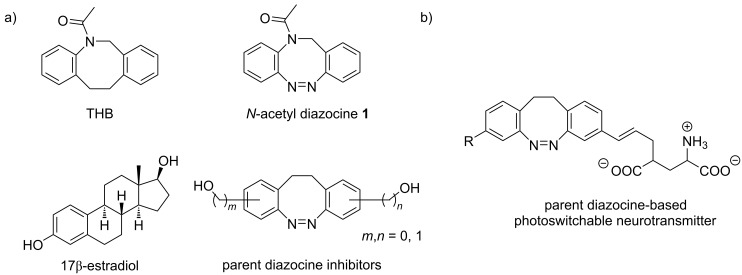 Figure 1
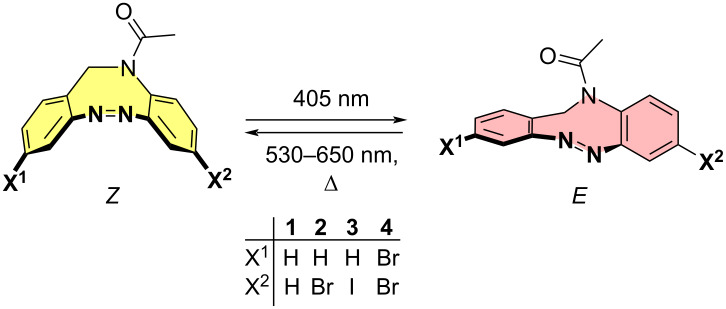 Figure 2
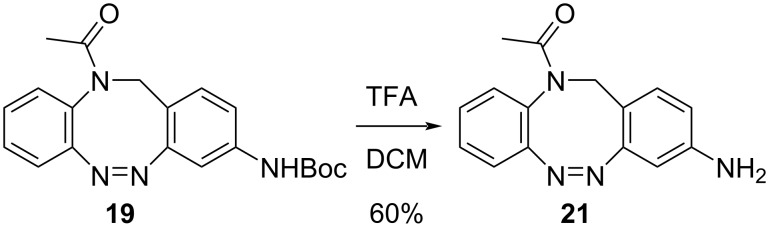 Figure 3
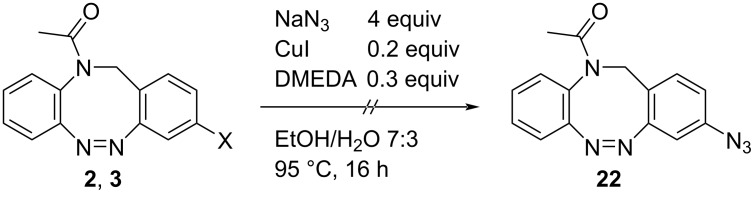 Figure 4
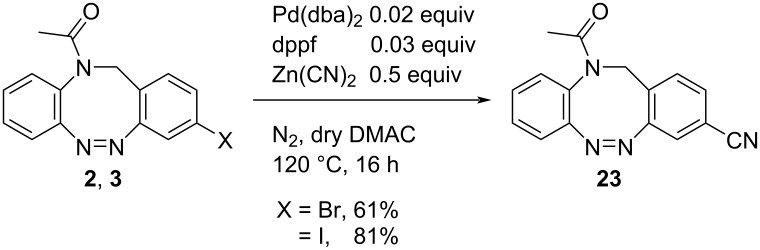 Figure 5
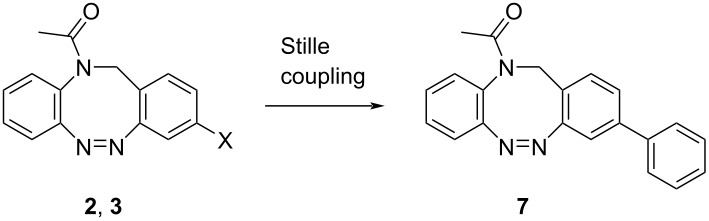 Figure 6
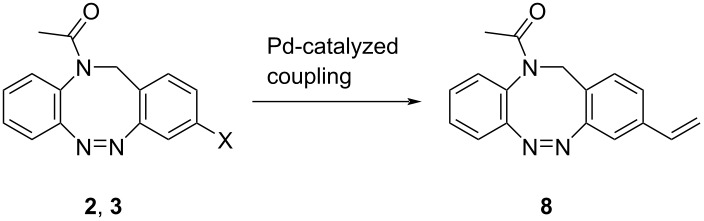 Figure 7
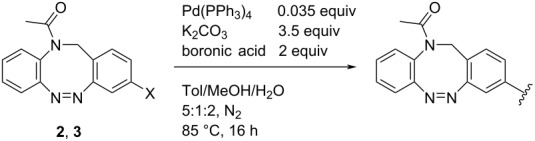 Figure 8
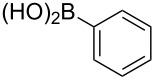 Figure 9
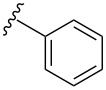 Figure 10
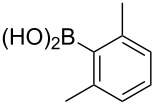 Figure 11
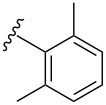 Figure 12
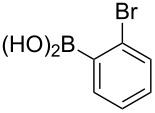 Figure 13
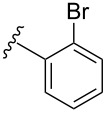 Figure 14
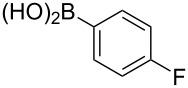 Figure 15
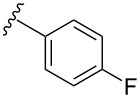 Figure 16
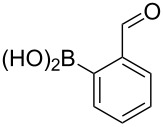 Figure 17
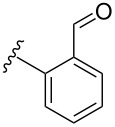 Figure 18
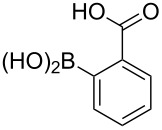 Figure 19
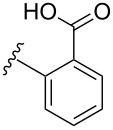 Figure 20
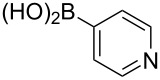 Figure 21
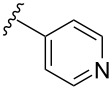 Figure 22
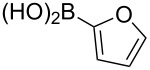 Figure 23
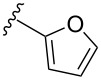 Figure 24
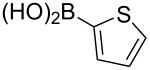 Figure 25
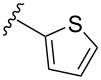 Figure 26
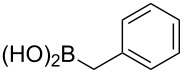 Figure 27
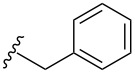 Figure 28
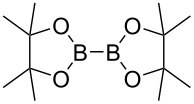 Figure 29
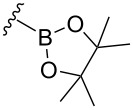 Figure 30
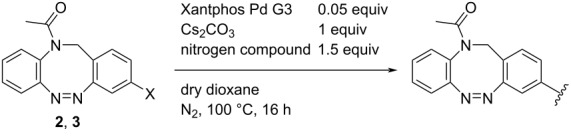 Figure 31
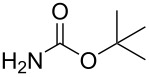 Figure 32
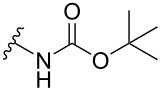 Figure 33
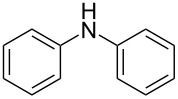 Figure 34
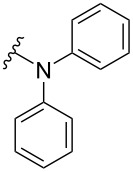 Figure 35
Peer Reviews
No public reviews on file for this paper yet. If you reviewed it on a platform where reviews are public (OpenReview, ICLR, NeurIPS, ICML), you can paste yours below so the community can read it here.
Videos
No videos yet. Explain this paper in a talk, walkthrough, or lecture? Add one.
Taxonomy
TopicsPhotochromic and Fluorescence Chemistry · Chemical synthesis and alkaloids · Axial and Atropisomeric Chirality Synthesis