Autism spectrum disorder related phenotypes in a mouse model lacking the neuronal actin binding protein profilin 2
Walter Witke, Marina Di Domenico, Laura Maggi, Alessia Di Nardo, Valentin Stein, Pietro Pilo Boyl

TL;DR
This study shows that a lack of the protein PFN2 in mice leads to autistic-like behaviors and brain imbalances, linking it to autism spectrum disorder.
Contribution
The study directly links PFN2 deficiency to autism-like phenotypes and altered synaptic function in a mouse model.
Findings
PFN2 deficiency in mice causes social behavior impairment, stereotypic behavior, and motor deficits.
Increased excitation/inhibition ratio in the brain is linked to hyperactive glutamatergic neurons and excessive glutamate release.
PFN2 deficiency leads to seizures and age-dependent loss of cerebellar Purkinje cells, similar to some autistic patients.
Abstract
Profilin 2 (PFN2) is an actin binding protein highly expressed in the brain that participates in actin dynamics. It has been shown in vitro and in vivo that in neurons it functions both post-synaptically to shape and maintain dendritic arborizations and spine density and plasticity, as well as pre-synaptically to regulate vesicle exocytosis. PFN2 was also found in protein complexes with proteins that have been implicated in or are causative of autism spectrum disorder. We employ a genetically engineered knock-out mouse line for Pfn2 that we previously generated to study the mouse social, vocal and motor behavior in comparison to wild type control littermates. We also study neuronal physiology in the knock-out mouse model by means of cellular and field electrophysiological recordings in cerebellar Purkinje cells and in the Schaffer collaterals. Lastly, we study anatomical features of…
Genes, proteins, chemicals, diseases, species, mutations and cell lines named across the full text — each resolved to its canonical identifier and authoritative record.
Click any figure to enlarge with its caption.
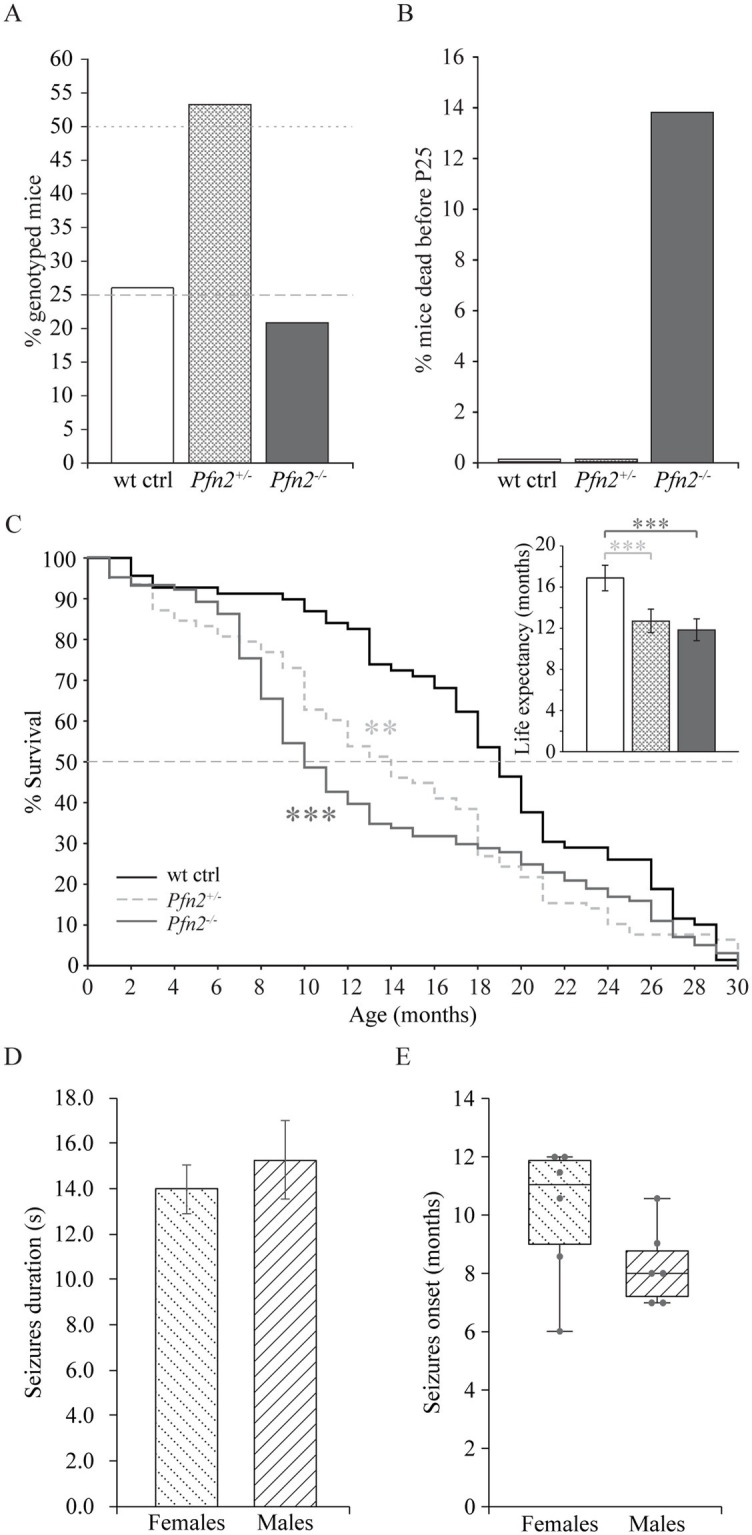 Figure 1
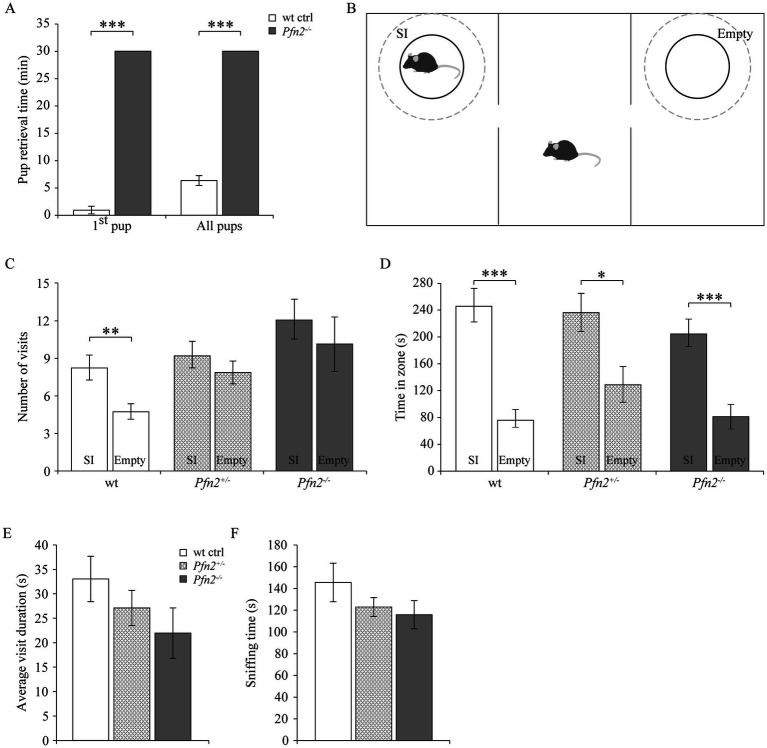 Figure 2
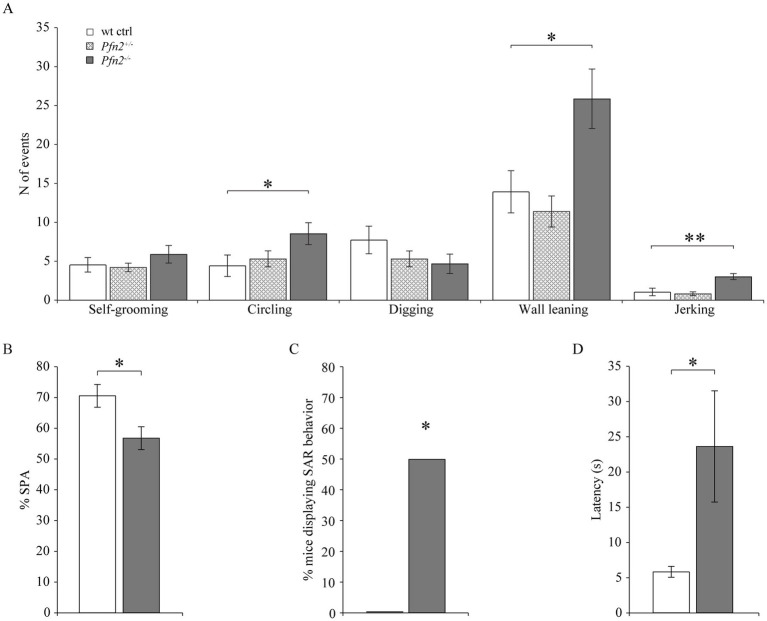 Figure 3
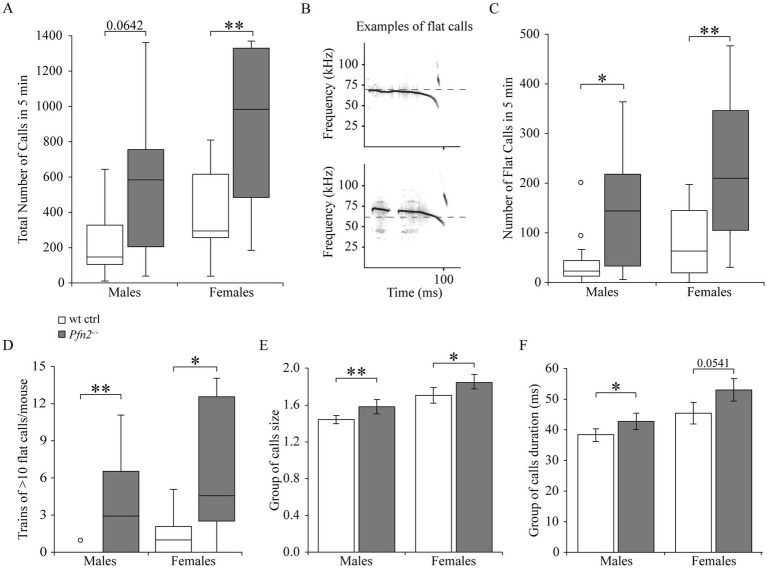 Figure 4
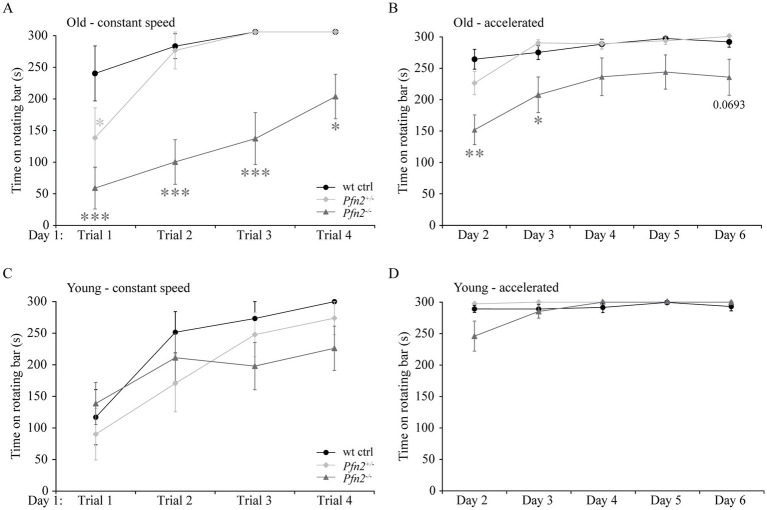 Figure 5
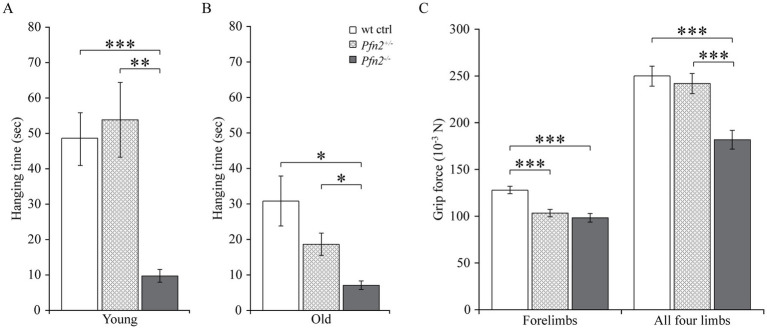 Figure 6
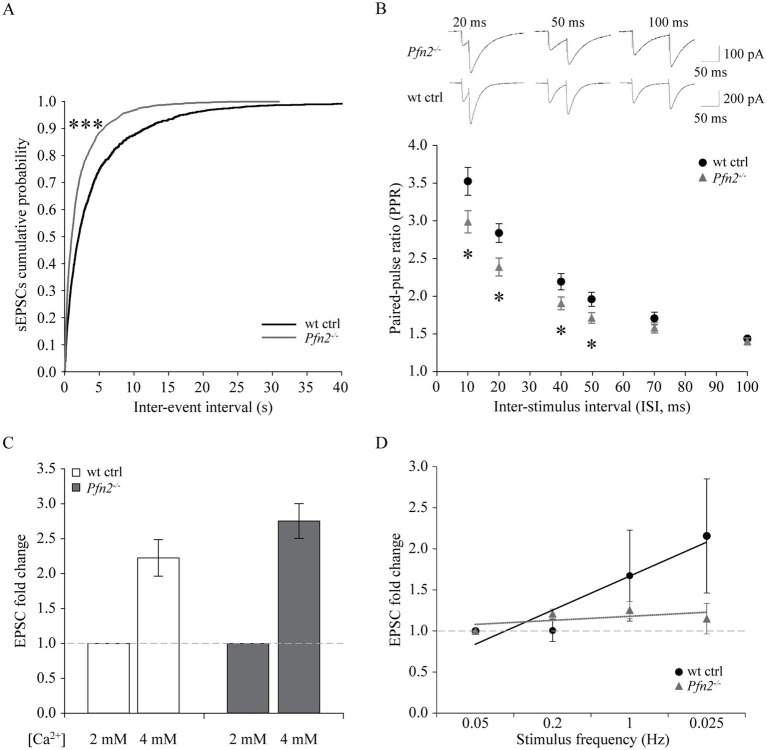 Figure 7
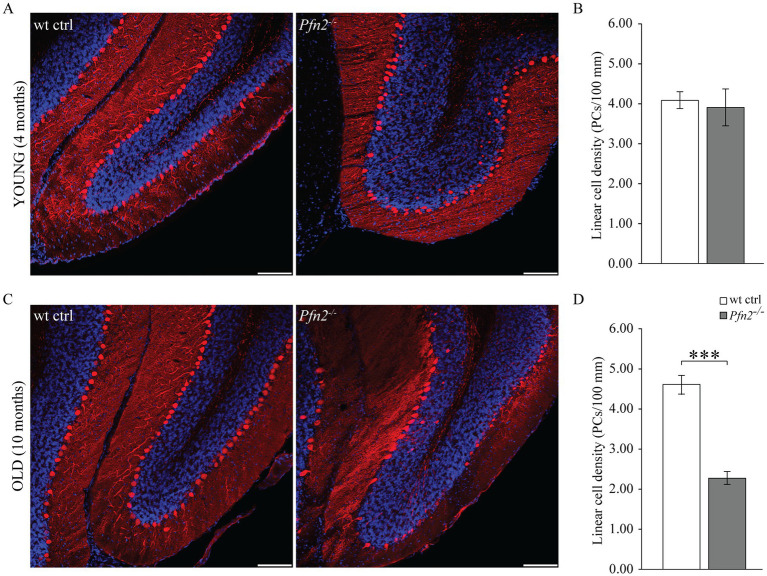 Figure 8
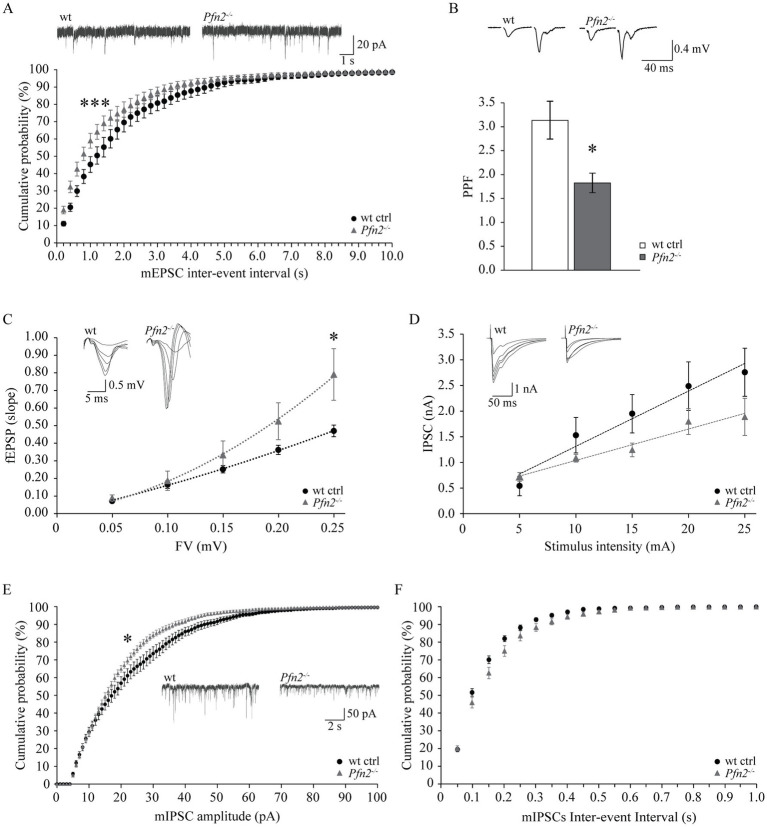 Figure 9
Peer Reviews
No public reviews on file for this paper yet. If you reviewed it on a platform where reviews are public (OpenReview, ICLR, NeurIPS, ICML), you can paste yours below so the community can read it here.
Videos
No videos yet. Explain this paper in a talk, walkthrough, or lecture? Add one.
Taxonomy
TopicsAutism Spectrum Disorder Research · Genetics and Neurodevelopmental Disorders · Congenital heart defects research