Sex-specific attenuation of constant light-induced memory impairment and Clock gene expression in brain in hepatic Npas2 knockout mice
Ruby Chrisp, Mitchell Masterson, Rebecca Pope, Christopher J. Roberts, Hilary M. Collins, David J. G. Watson, Derek O’Neil, Kjersti M. Aagaard, Claire L. Gibson, David M. Heery, Paula M. Moran

TL;DR
Removing the Npas2 gene in mice livers affects memory under constant light, especially in females, and changes brain circadian gene expression.
Contribution
This study reveals sex-specific effects of liver Npas2 deletion on memory and brain circadian gene expression under constant light.
Findings
Npas2-/- mice showed resistance to constant light-induced memory impairment, especially in females.
Npas2-/- mice exhibited altered Clock gene expression in the frontal cortex.
Sex differences in circadian gene expression were absent in Npas2-/- mice.
Abstract
NPAS2 (Neuronal PAS Domain Protein 2) is a component of the core circadian clock and the coordinated activity between central brain and peripheral liver clock proteins postulated to be instrumental for linking behaviour and metabolism. We investigated a conditional liver-specific knockout mouse model (Npas2-/- or cKO) to explore its function in activity, circadian rhythms and cognition (novel object recognition-NOR). Circadian rhythms showed no genotype differences. Constant-light reduced NOR in floxxed controls but remarkably not in Npas2-/- mice, particularly females. Consistent with entrainment of systemic and central circadian biology, Npas2-/- mice showed altered expression of circadian gene Clock in frontal cortex. Sex differences independent of genotype were found in expression of circadian genes Clock, Bmal1 and Reverb-b in brain. Sex differences in Clock were absent in Npas2-/-…
Genes, proteins, chemicals, diseases, species, mutations and cell lines named across the full text — each resolved to its canonical identifier and authoritative record.
Click any figure to enlarge with its caption.
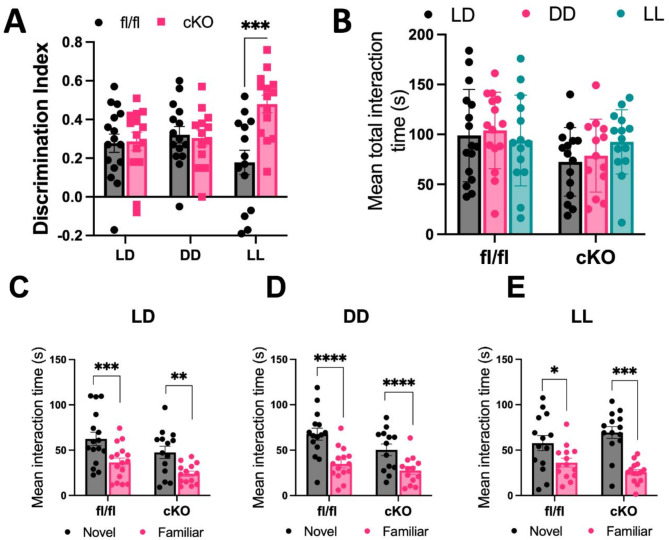 Figure 1
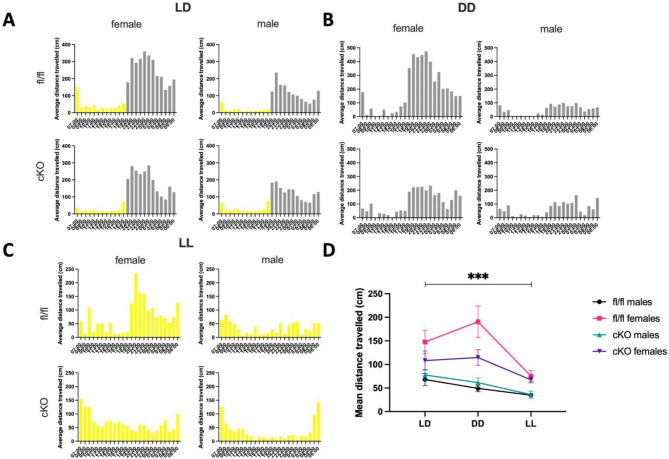 Figure 2
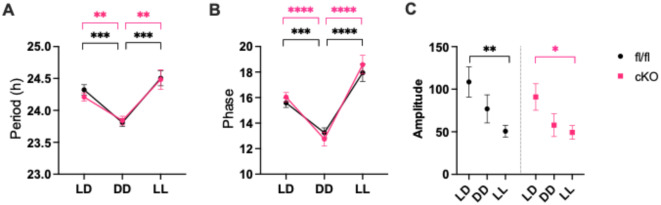 Figure 3
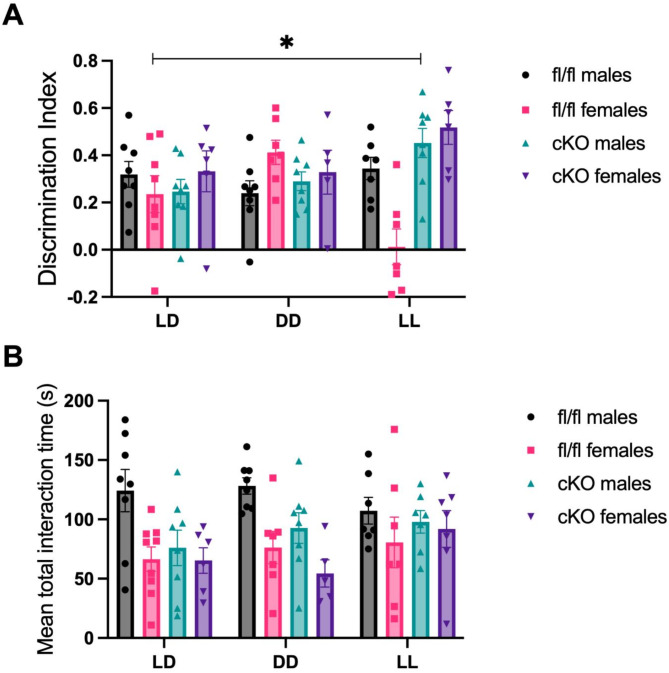 Figure 4
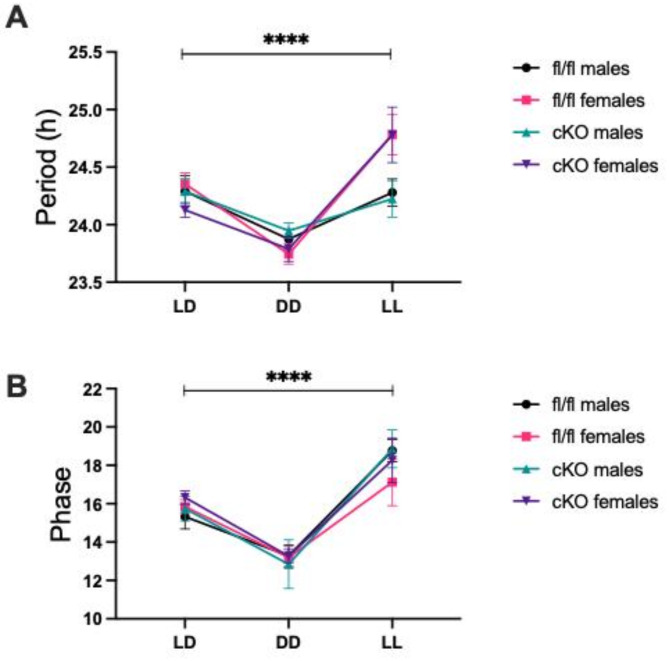 Figure 5
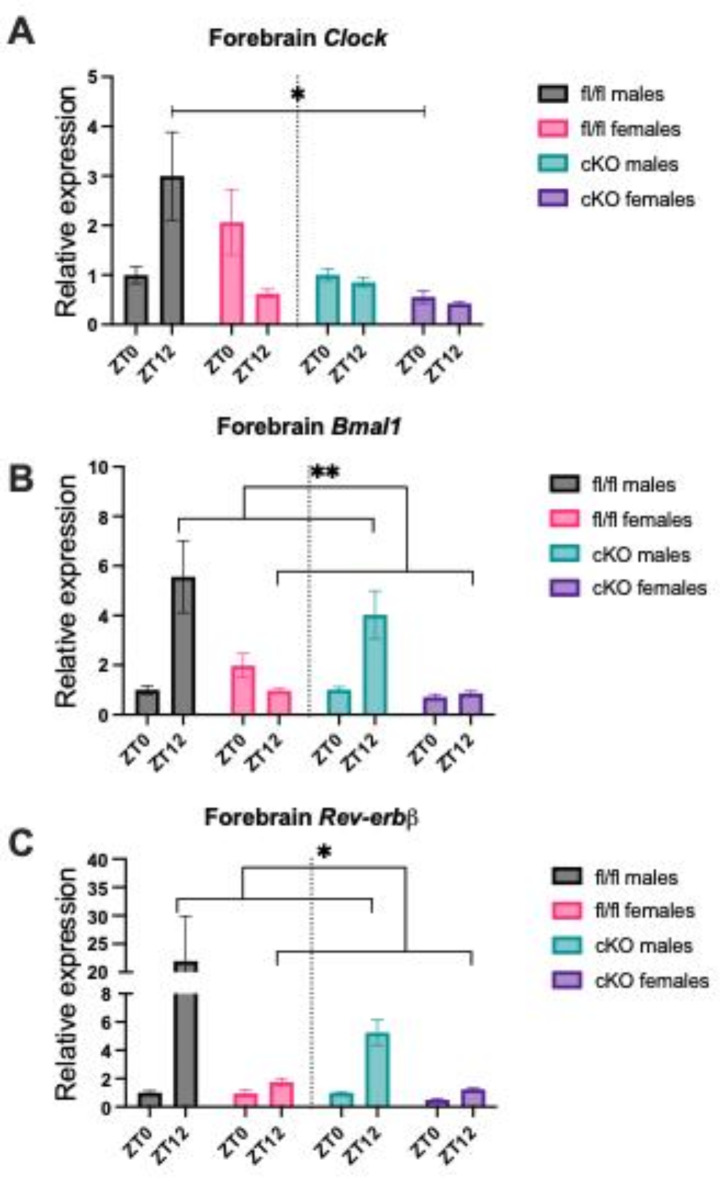 Figure 6
Peer Reviews
No public reviews on file for this paper yet. If you reviewed it on a platform where reviews are public (OpenReview, ICLR, NeurIPS, ICML), you can paste yours below so the community can read it here.
Videos
No videos yet. Explain this paper in a talk, walkthrough, or lecture? Add one.
Taxonomy
TopicsCircadian rhythm and melatonin · Genetics, Aging, and Longevity in Model Organisms · Spaceflight effects on biology