An epidemiological extension of the El Farol Bar problem
Francesco Bertolotti, Niccolò Kadera, Luca Pasquino, Luca Mari

TL;DR
This paper extends the El Farol Bar problem to include an epidemic, showing how better information and social structure can help control infections.
Contribution
The paper introduces an agent-based model combining social and epidemiological dynamics to study decision-making during an epidemic.
Findings
Infection spread can be reduced by increasing information availability in the social system.
Adjusting the structure of the social system also helps in containing the epidemic.
The model reveals complex interactions between social behavior and disease transmission.
Abstract
This paper presents an epidemiological extension of the El Farol Bar problem, where both a social and an epidemiological dimension are present. In the model, individual agents making binary decisions—to visit a bar or stay home—amidst a non-fatal epidemic. The extension of the classic social dilemma is implemented as an agent-based model, and it is later explored by sampling the parameter space and observing the resulting behavior. The results of this analysis suggest that the infection could be contained by increasing the information available in the underlying social system and adjusting its structure.
Genes, proteins, chemicals, diseases, species, mutations and cell lines named across the full text — each resolved to its canonical identifier and authoritative record.
Click any figure to enlarge with its caption.
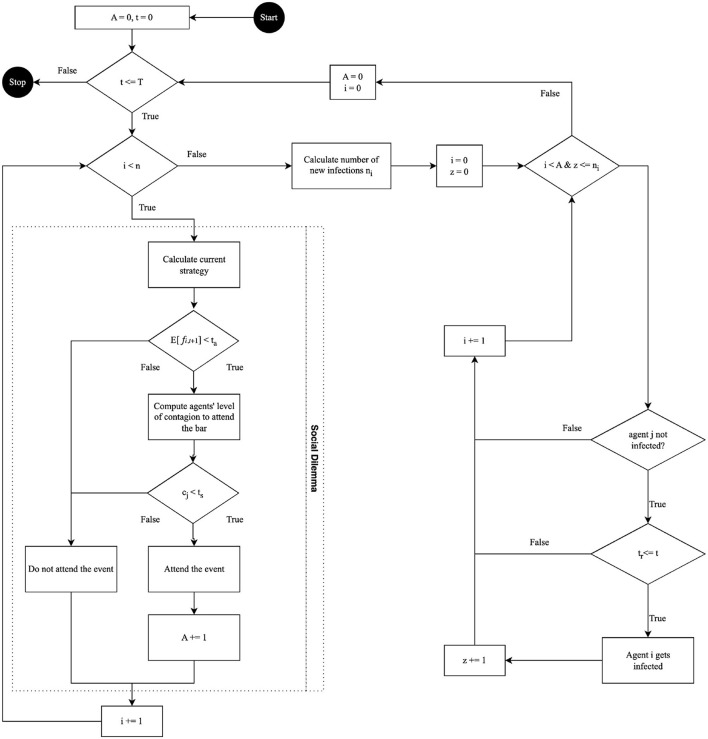 Figure 1
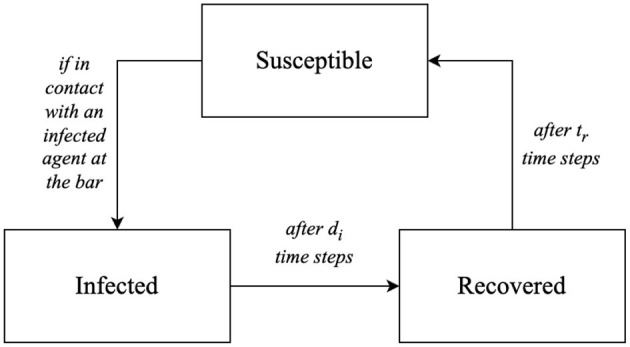 Figure 2
 Figure 3
 Figure 4
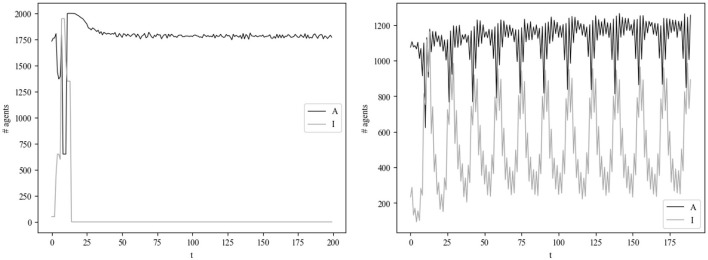 Figure 5
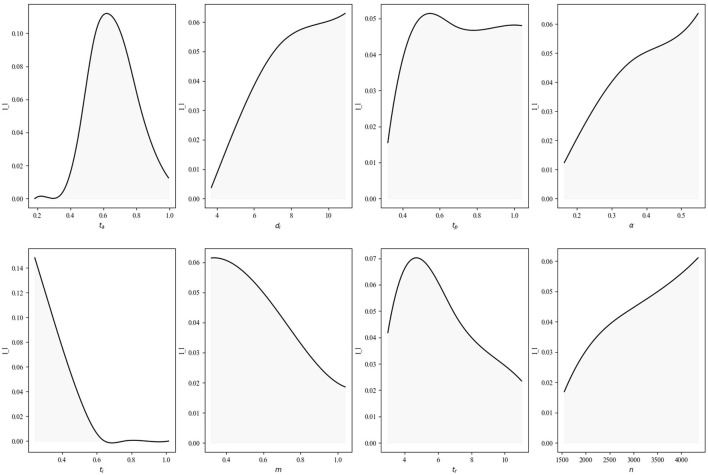 Figure 6
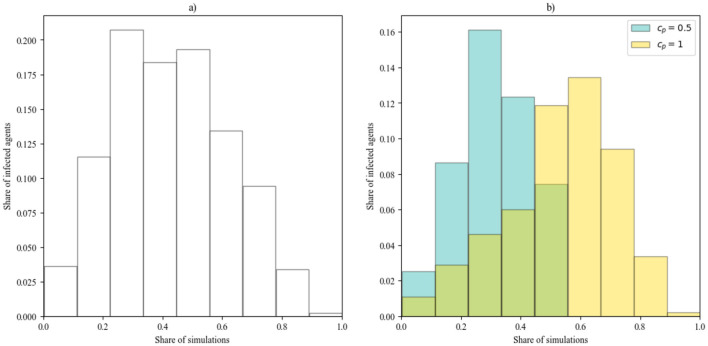 Figure 7
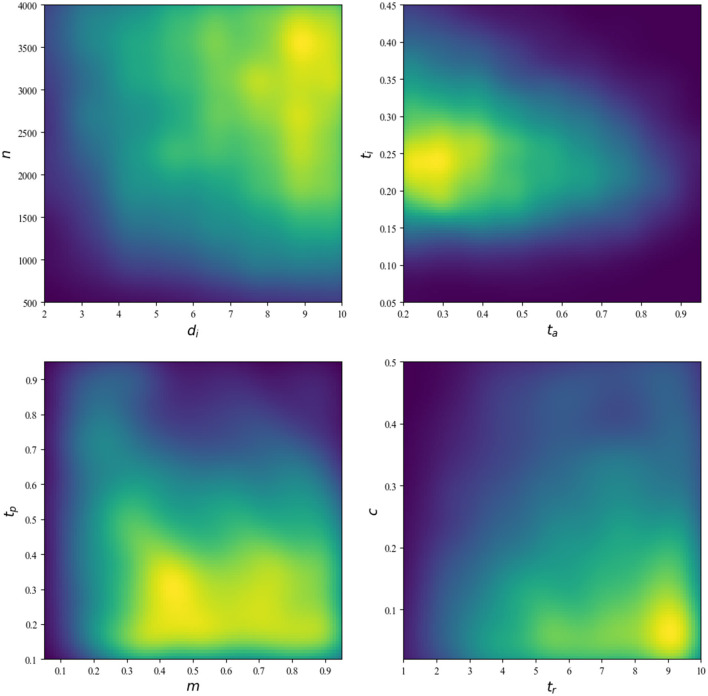 Figure 8
Peer Reviews
No public reviews on file for this paper yet. If you reviewed it on a platform where reviews are public (OpenReview, ICLR, NeurIPS, ICML), you can paste yours below so the community can read it here.
Videos
No videos yet. Explain this paper in a talk, walkthrough, or lecture? Add one.
Taxonomy
TopicsGeological and Geophysical Studies Worldwide