Protective and risk factors in daily life associated with cognitive decline of older adults
Fang Tong, Hao Yang, Haidong Yu, Le-wen Sui, Jing-yuan Yao, Chen-lei Shi, Qiao-yuan Yao, Mei-fang Shi, Cheng-lang Qian, Gang Li, Chao Zhao, Hui-jing Wang

TL;DR
This study identifies lifestyle factors that protect against or increase the risk of cognitive decline in older adults, using a predictive model based on health data.
Contribution
The study introduces a logistic regression model to predict cognitive decline based on lifestyle and health factors in older adults.
Findings
Male gender, height, moderate exercise, and nicotine use were identified as protective factors against cognitive decline.
Age, female gender, vegetarianism, and hypertension were found to be risk factors for cognitive decline.
The predictive model achieved AUC values of 0.683 (training) and 0.682 (testing), indicating moderate predictive accuracy.
Abstract
Cognitive decline is a chronic condition which is characterized by a loss of the ability to remember, learn, and pay attention to complex tasks. Many older people are now suffering from cognitive decline, which decreases life quality and leads to disability. This study aimed to identify the risk and protective factors for cognitive decline of the older people from daily life and establish a predictive model using logistic regression. We investigated 3,790 older people with health examination and questionnaires which included information associated with physical condition, lifestyle factors, and cognitive status. Single-factor comparison, principal component analysis with a Manova-Wilk test, multiple linear regression, and logistic regression were performed to filter the risk and protective factors regarding cognitive decline of older individuals. Then a predictive model using logistic…
Genes, proteins, chemicals, diseases, species, mutations and cell lines named across the full text — each resolved to its canonical identifier and authoritative record.
Click any figure to enlarge with its caption.
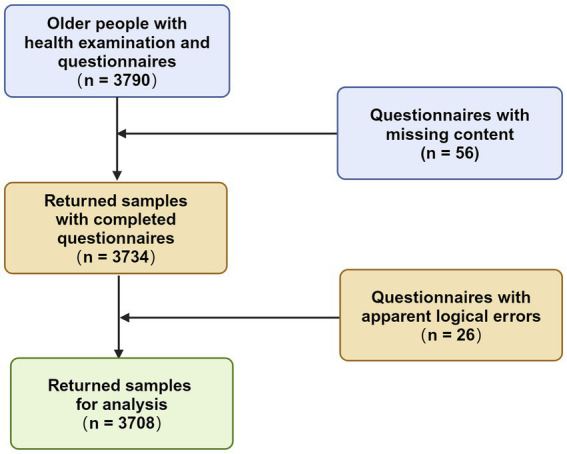 Figure 1
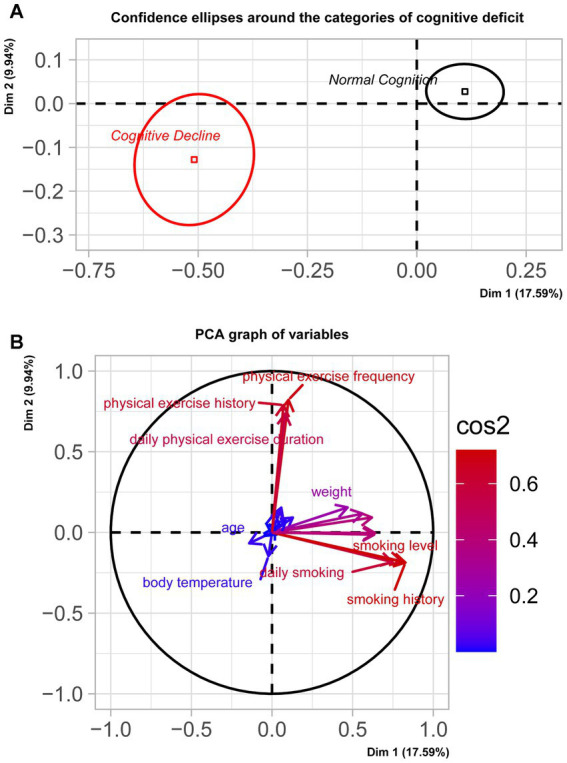 Figure 2
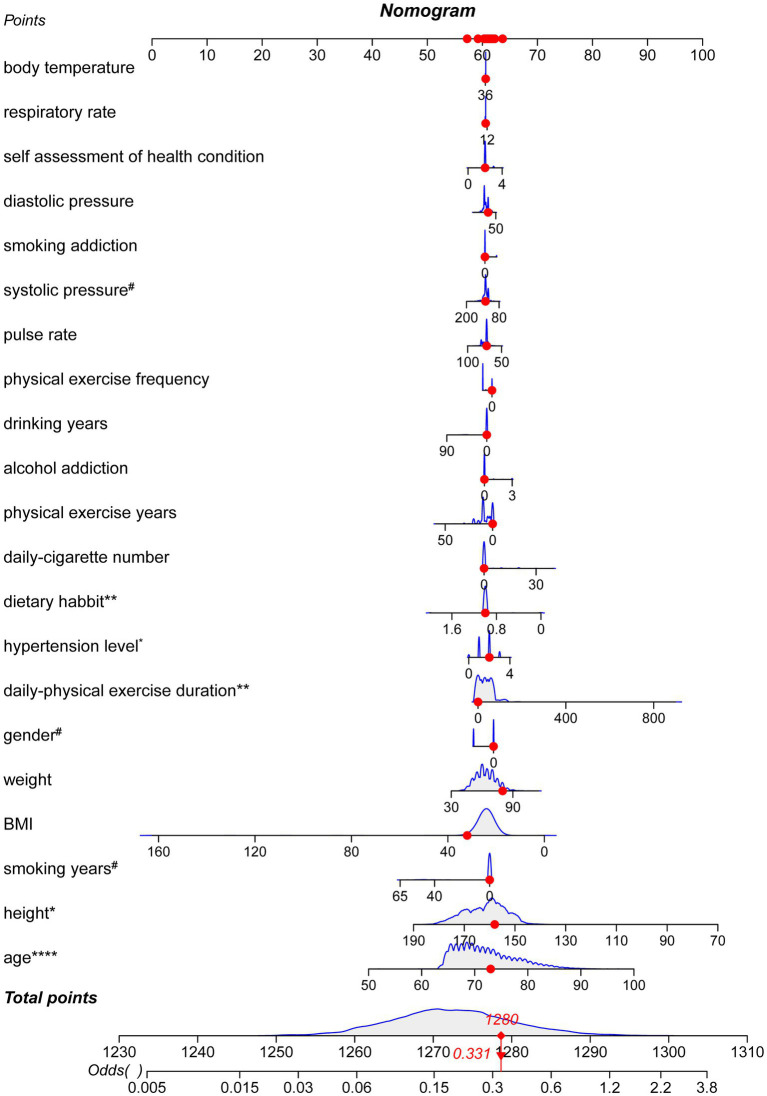 Figure 3
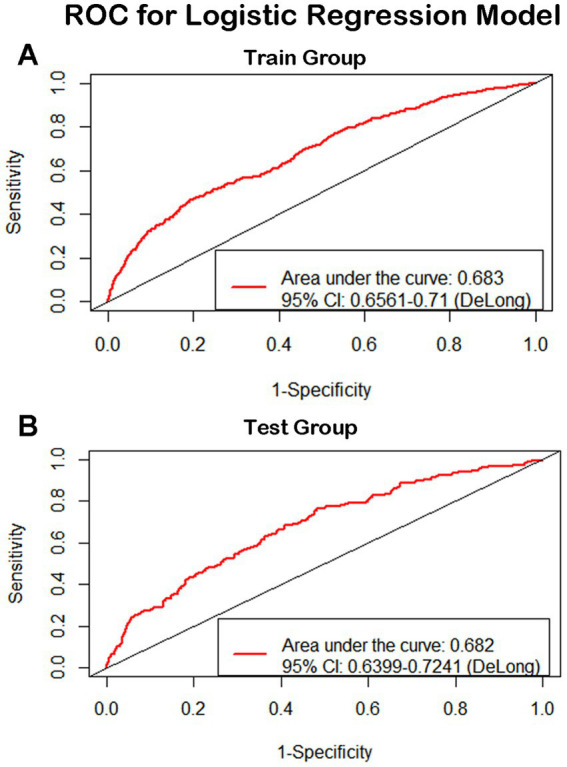 Figure 4
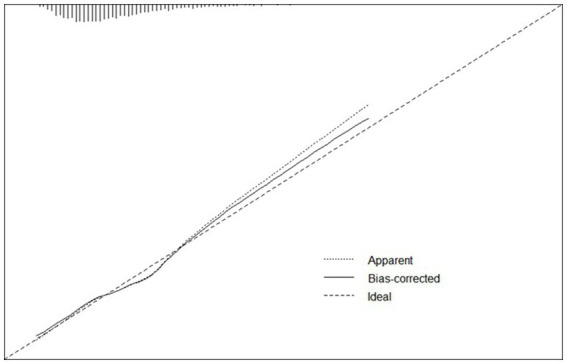 Figure 5
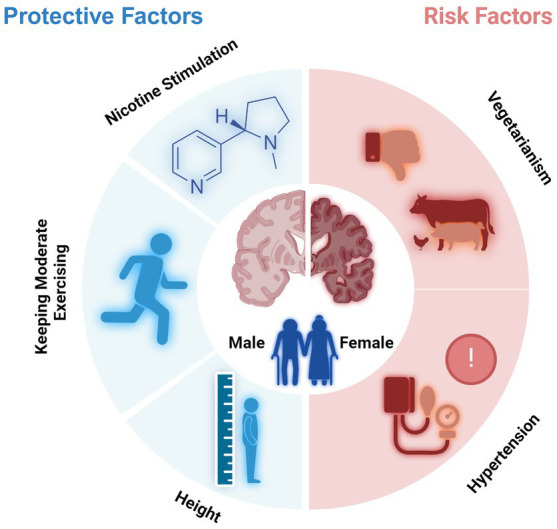 Figure 6
Peer Reviews
No public reviews on file for this paper yet. If you reviewed it on a platform where reviews are public (OpenReview, ICLR, NeurIPS, ICML), you can paste yours below so the community can read it here.
Videos
No videos yet. Explain this paper in a talk, walkthrough, or lecture? Add one.
Taxonomy
TopicsDementia and Cognitive Impairment Research · Health and Wellbeing Research · Health and Well-being Studies