Multi-omics analysis identifies a liquid-liquid phase separation-related subtypes in head and neck squamous cell carcinoma
Peng-Lei Zhai, Meng-Min Chen, Qi Wang, Jing-Jun Zhao, Xiao-Mei Tang, Cui-Ni Lu, Jia Liu, Qin-Xin Yang, Ming-Liang Xiang, Qing-Hai Tang, Biao Gu, Shu-Ping Zhang, Si-Ping Tang, Da Fu

TL;DR
This study identifies three subtypes of head and neck cancer based on liquid-liquid phase separation patterns and develops a tool to predict prognosis and treatment response.
Contribution
A novel classification system and prognostic signature for HNSCC based on LLPS-related genes and immune microenvironment patterns.
Findings
Three distinct LLPS subtypes (LS1, LS2, LS3) were identified with differences in prognosis and immune response.
The LPRS showed strong predictive power for HNSCC prognosis and immunotherapy response across multiple cohorts.
Potential small-molecule compounds targeting LLPS were identified for HNSCC treatment.
Abstract
Growing evidence indicates that abnormal liquid–liquid phase separation (LLPS) can disrupt biomolecular condensates, contributing to cancer development and progression. However, the influence of LLPS on the prognosis of head and neck squamous cell carcinoma (HNSCC) patients and its effects on the tumor immune microenvironment (TIME) are not yet fully understood. Therefore, we aimed to categorize patients with HNSCC based on LLPS-related genes and explored their multidimensional heterogeneity. We integrated the transcriptomic data of 3,541 LLPS-related genes to assess the LLPS patterns in 501 patients with HNSCC within The Cancer Genome Atlas cohort. Subsequently, we explored the differences among the three LLPS subtypes using multi-omics analysis. We also developed an LLPS-related prognostic risk signature (LPRS) to facilitate personalized and integrative assessments and then screened…
Genes, proteins, chemicals, diseases, species, mutations and cell lines named across the full text — each resolved to its canonical identifier and authoritative record.
Click any figure to enlarge with its caption.
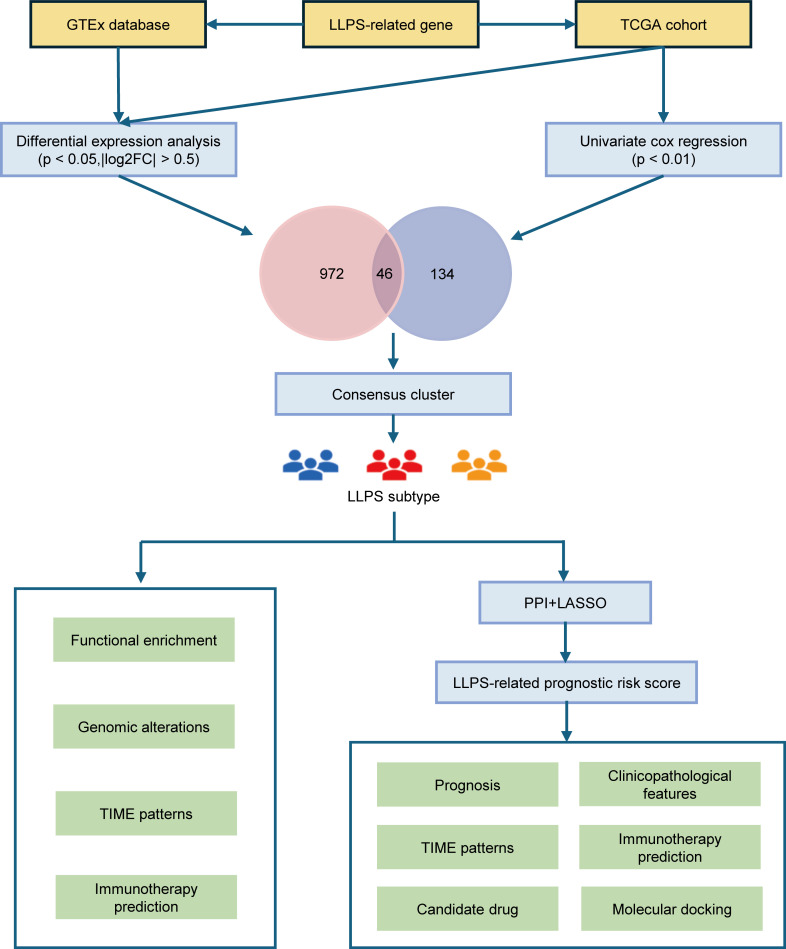 Figure 1
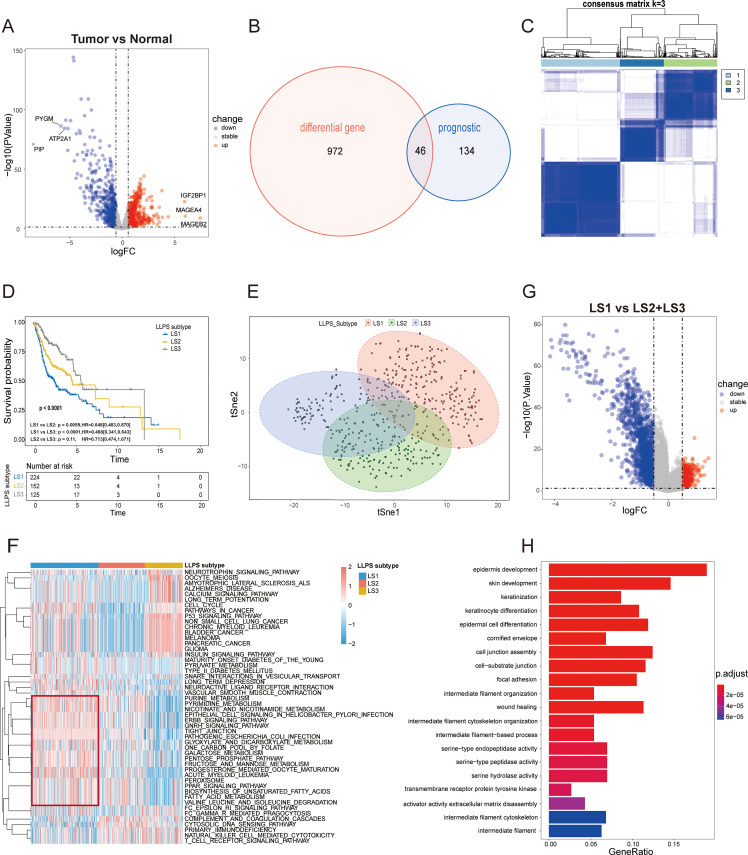 Figure 2
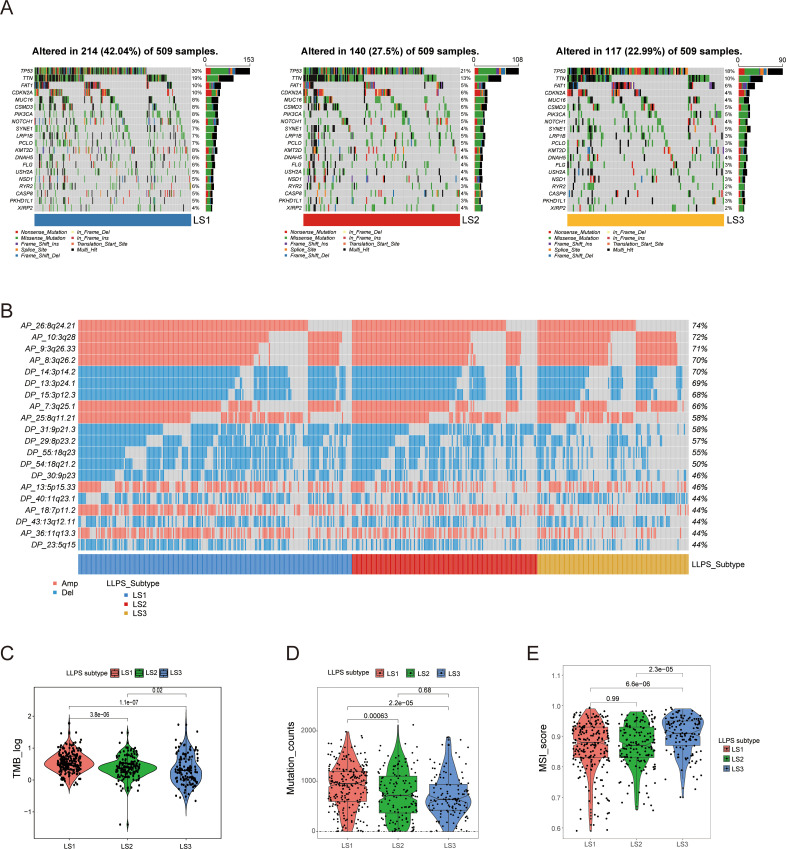 Figure 3
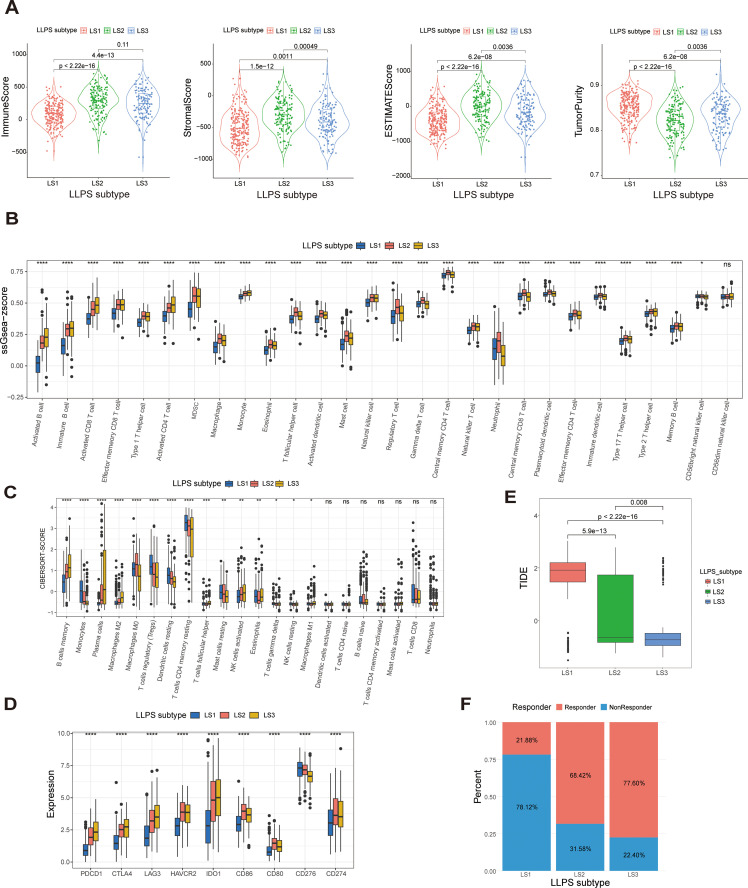 Figure 4
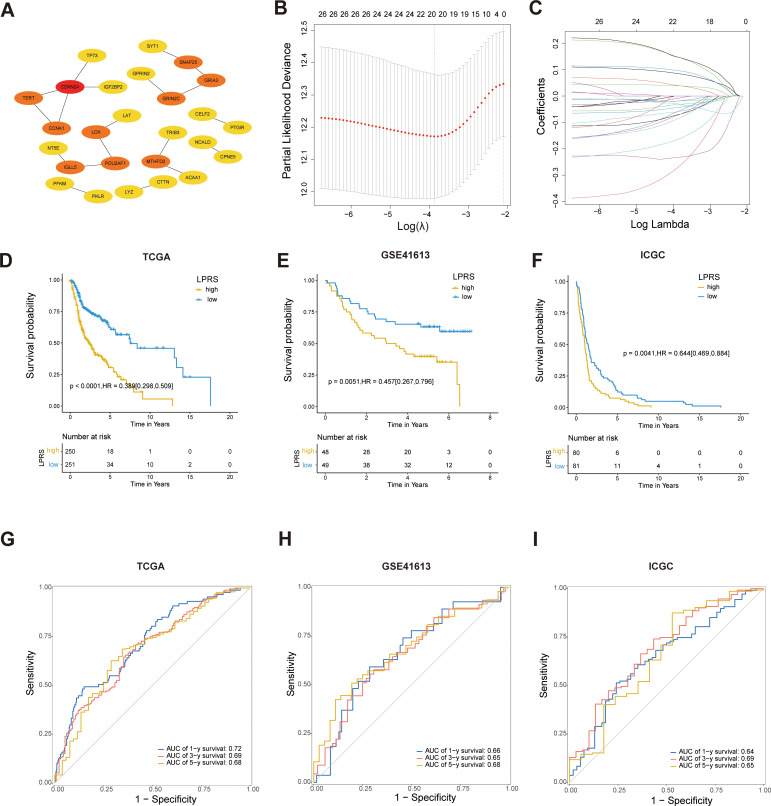 Figure 5
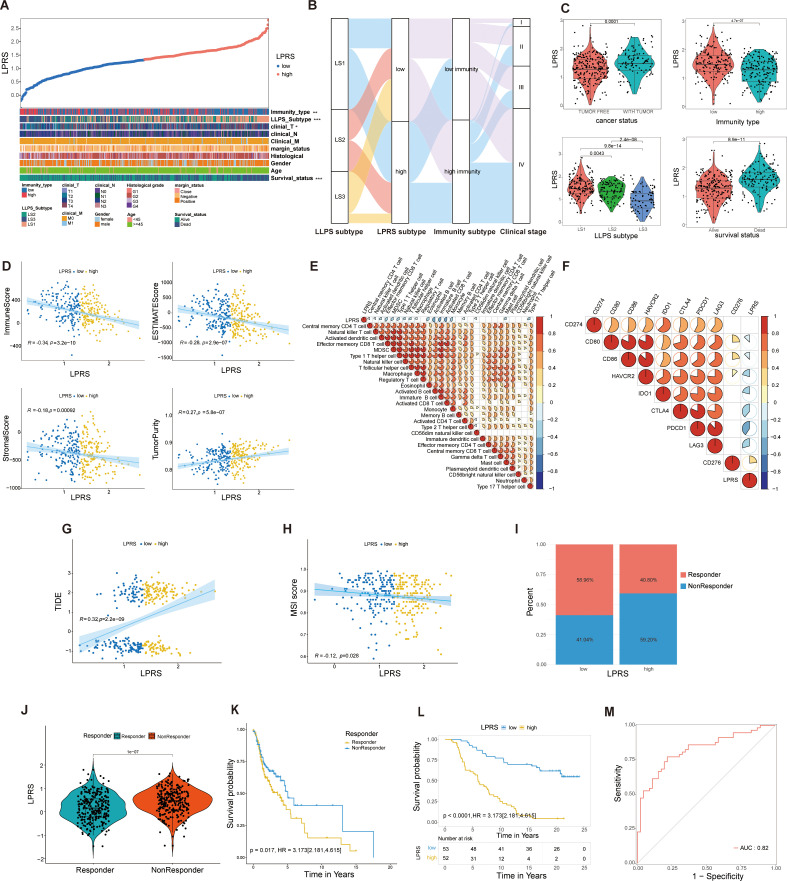 Figure 6
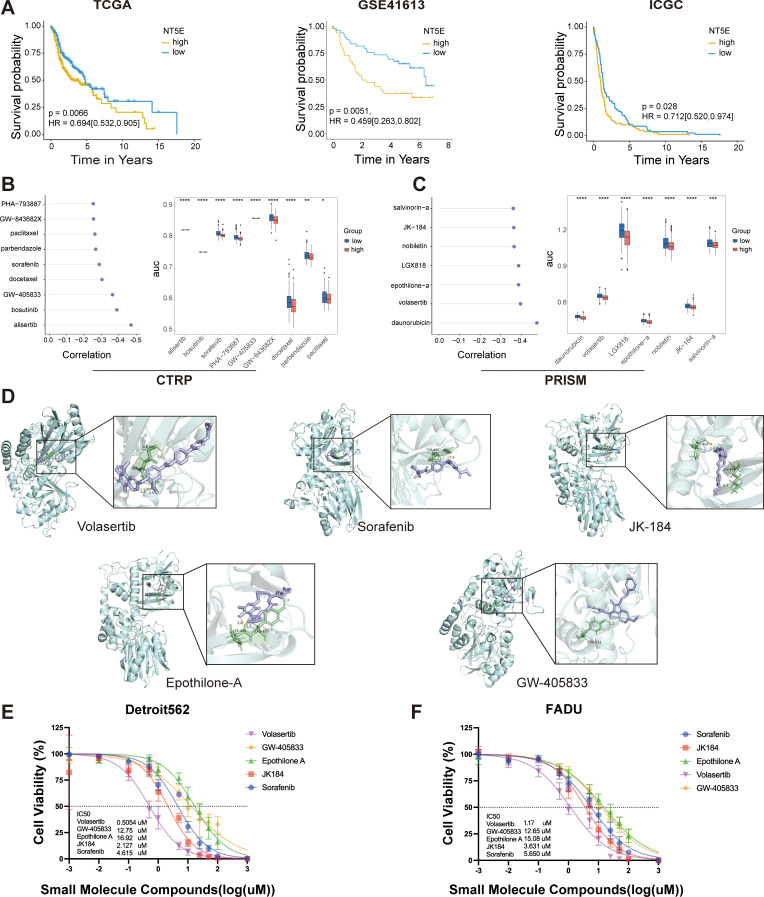 Figure 7
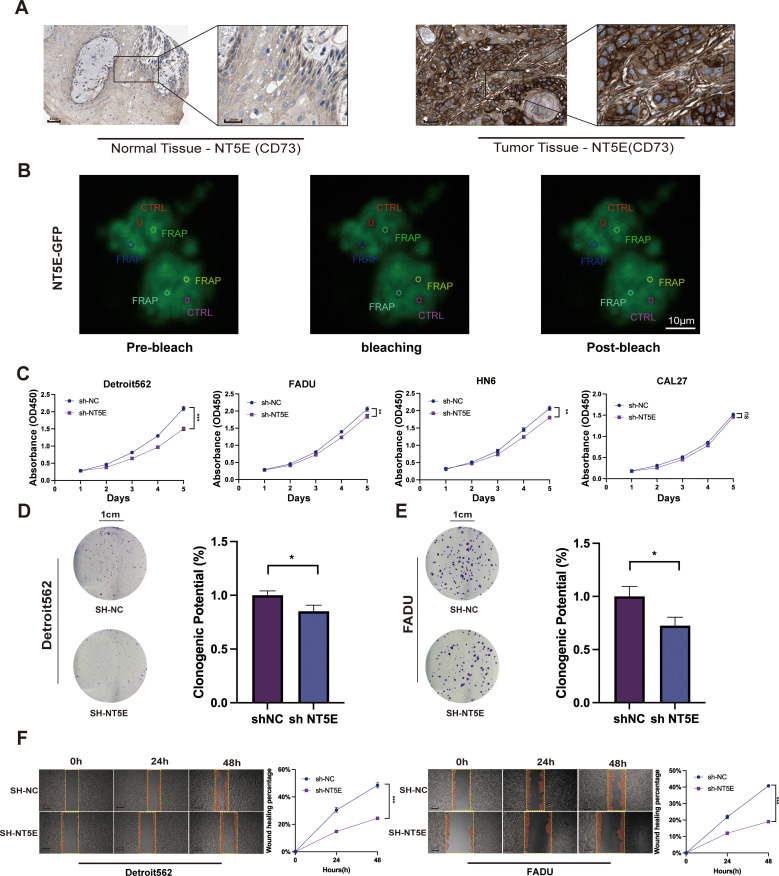 Figure 8
Peer Reviews
No public reviews on file for this paper yet. If you reviewed it on a platform where reviews are public (OpenReview, ICLR, NeurIPS, ICML), you can paste yours below so the community can read it here.
Videos
No videos yet. Explain this paper in a talk, walkthrough, or lecture? Add one.
Taxonomy
TopicsRNA Research and Splicing · RNA modifications and cancer · Nuclear Structure and Function