Association between the p53 polymorphisms and cervical cancer risk: an updated meta-analysis
Xi-Qin Zhang, Xiao-Hui Bai, Hui-Zhen Zhang, Xiao-Feng He

TL;DR
This study updates a meta-analysis on p53 gene polymorphisms and cervical cancer risk, finding conflicting and unreliable results.
Contribution
An updated meta-analysis and reliability assessment of p53 polymorphisms in cervical cancer.
Findings
The p53 rs1042522 polymorphism showed a statistically significant decreased cervical cancer risk in overall and subgroup analyses.
The p53 rs17878362 polymorphism showed no significant association with cervical cancer risk.
Reliability analysis deemed all associations 'unreliable' using FPRP, BFDP, and Venice criteria.
Abstract
The association of the p53 rs1042522 and rs17878362 polymorphisms with cervical cancer risk has been reported in several published original studies and meta-analyses. However, the conclusions of these studies were contradictory. Consequently, we conducted an updated meta-analysis to further validate these debates. To evaluate the association between the p53 rs1042522 and rs17878362 polymorphisms and cervical cancer risk. PubMed, Medline, Ovid, Embase, CNKI, and China Wanfang databases were searched. Association was assessed using odds ratio (OR) with 95% confidence interval (CI). Moreover, the false-positive reporting probability (FPRP), Bayesian false-finding probability (BFDP), and Venice criteria were used to assess the credibility of statistically significant association. A significantly decreased cervical cancer risk was revealed for the p53 rs1042522 polymorphism (Pro/Pro…
Genes, proteins, chemicals, diseases, species, mutations and cell lines named across the full text — each resolved to its canonical identifier and authoritative record.
Click any figure to enlarge with its caption.
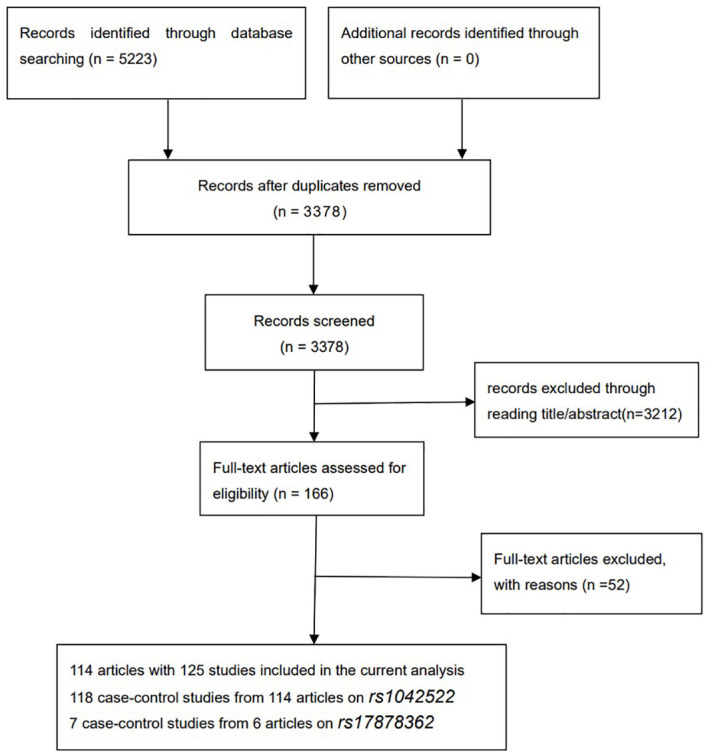 Figure 1
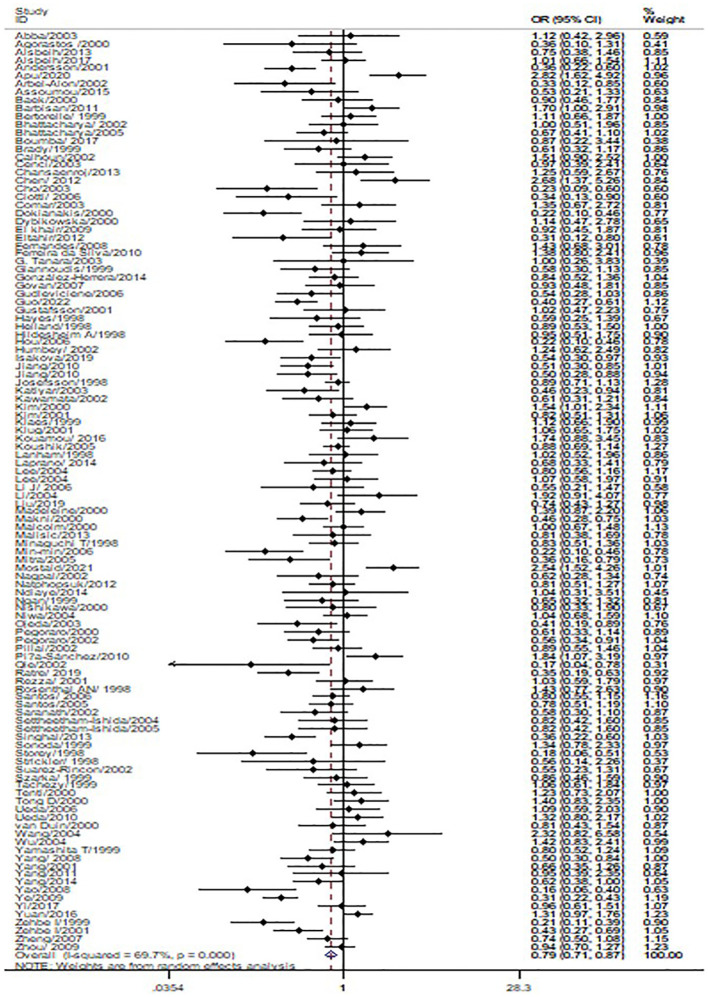 Figure 2
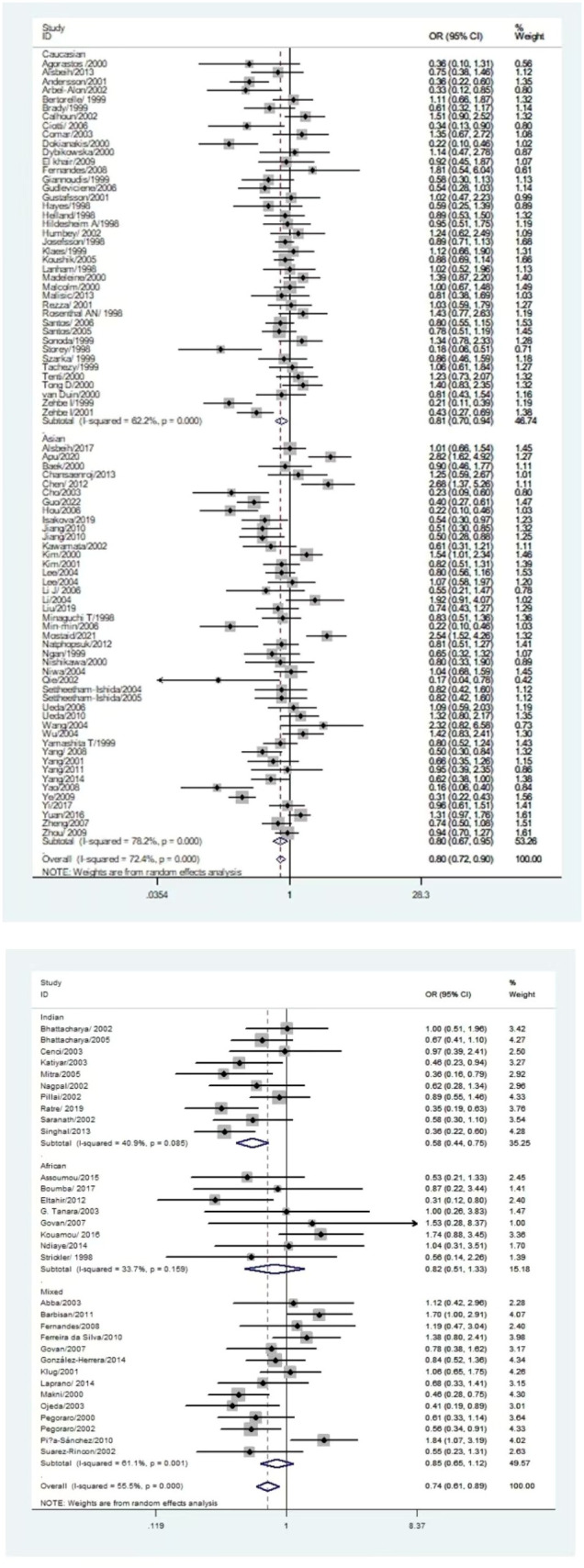 Figure 3
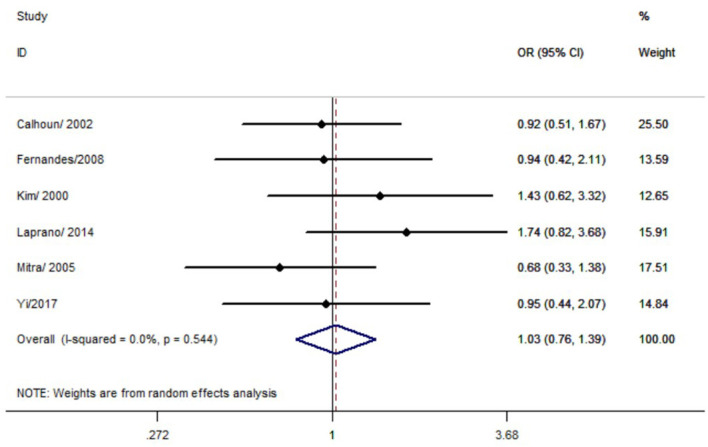 Figure 4
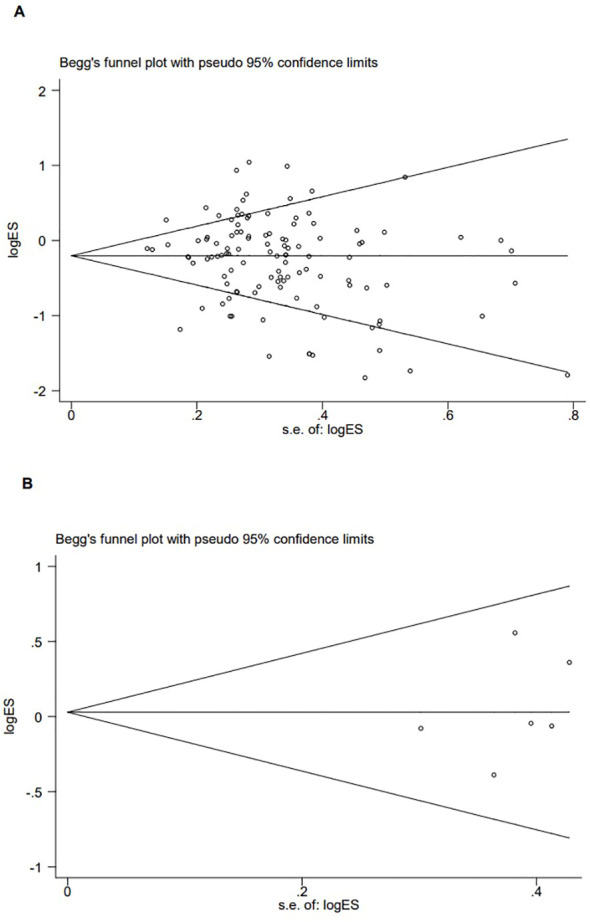 Figure 5
Peer Reviews
No public reviews on file for this paper yet. If you reviewed it on a platform where reviews are public (OpenReview, ICLR, NeurIPS, ICML), you can paste yours below so the community can read it here.
Videos
No videos yet. Explain this paper in a talk, walkthrough, or lecture? Add one.
Taxonomy
TopicsCancer-related Molecular Pathways · Cervical Cancer and HPV Research · Cancer-related molecular mechanisms research