Evaluating the Effect of Video Source and Other Video Characteristics on the Quality, Reliability, Actionability, and Understandability of Videos on Acromioclavicular Joint Repair
Abdullah B Chandasir, Justin T Skariah, Justin D Abes, Akshar Patel, Mitchell J Lomis, Noora S Chandasir, Brett D Owens, Stephen A Parada

TL;DR
This study found that videos on acromioclavicular joint repair by physicians are more reliable and understandable than those by non-physicians, with no link between video quality and popularity.
Contribution
The study introduces a systematic evaluation of YouTube videos on a specific medical topic, comparing source credentials and video characteristics.
Findings
Physician-made videos had higher reliability scores compared to non-physician videos.
Longer videos correlated with higher quality scores, but views did not reflect video quality.
PEMAT actionability scores increased with more views, but overall understandability remained moderate.
Abstract
Purpose: This study aims to evaluate video quality, reliability, actionability, and understandability differences based on length, popularity, and source credentials (physician versus non-physician). The hypothesis suggests that current videos are of low quality and limited usefulness to patients, highlighting significant disparities based on the credentials of the video source. Methods: The phrase "acromioclavicular joint separation" was searched on YouTube. The first 100 videos that populated were selected. Of those 100, 45 were excluded based on pre-existing criteria. Two reviewers watched and graded the included videos using four established, additive algorithmic grading scales. Grades for all included videos were analyzed using R software version 4.2.3. Results: The mean Journal of the American Medical Association (JAMA) score was 2.32 (standard deviation (SD) = 0.74), with…
Genes, proteins, chemicals, diseases, species, mutations and cell lines named across the full text — each resolved to its canonical identifier and authoritative record.
Click any figure to enlarge with its caption.
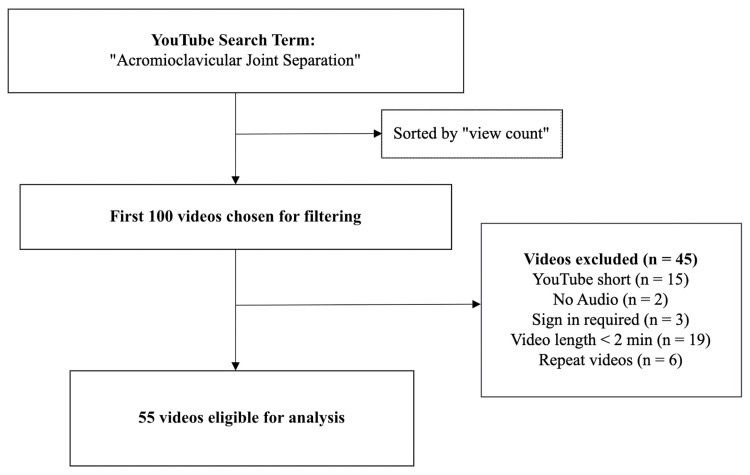 Figure 1
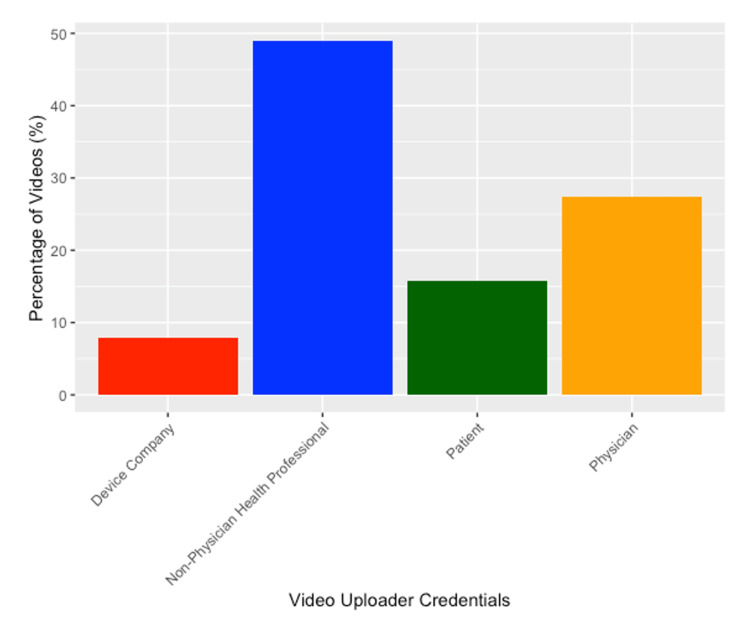 Figure 2
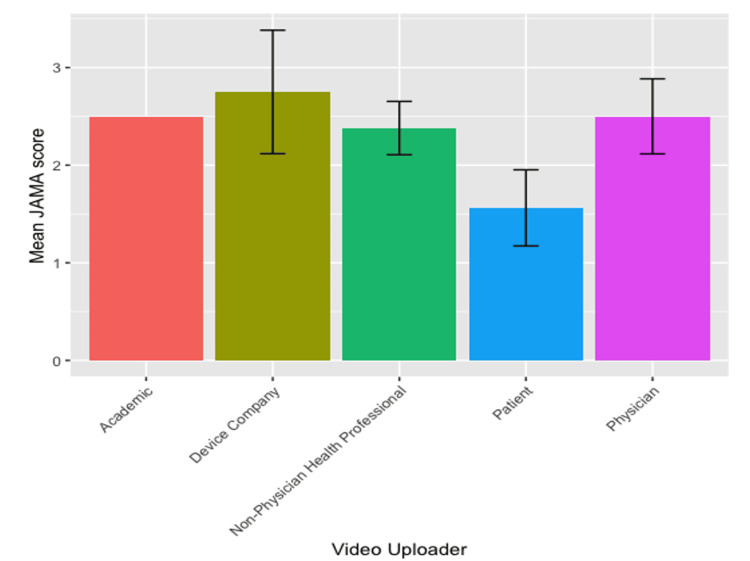 Figure 3
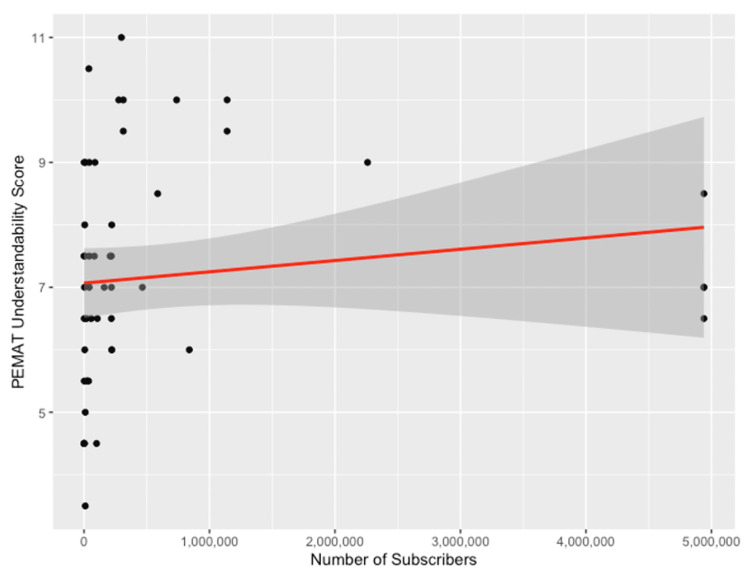 Figure 4
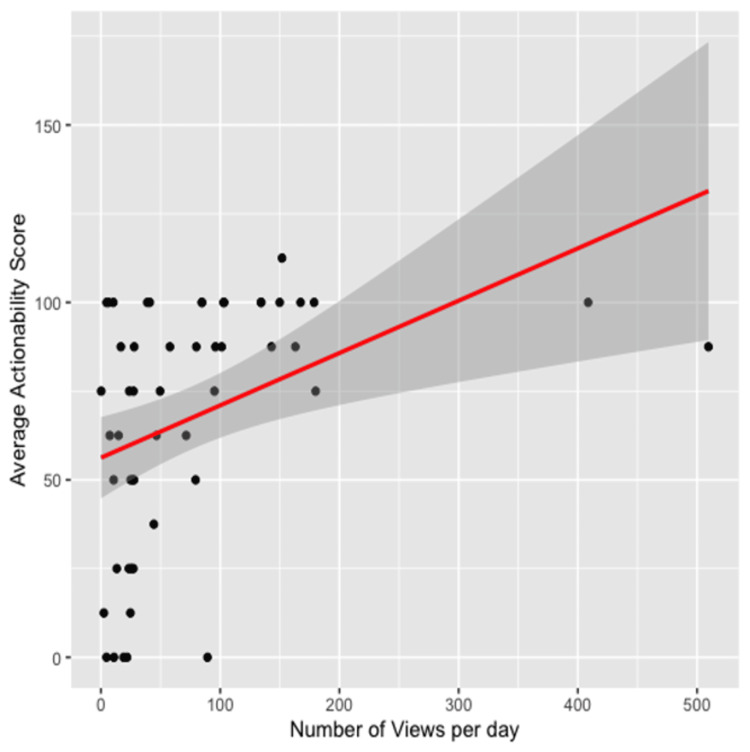 Figure 5
Peer Reviews
No public reviews on file for this paper yet. If you reviewed it on a platform where reviews are public (OpenReview, ICLR, NeurIPS, ICML), you can paste yours below so the community can read it here.
Videos
No videos yet. Explain this paper in a talk, walkthrough, or lecture? Add one.
Taxonomy
TopicsShoulder and Clavicle Injuries