Two New Ainsliaea Species (Asteraceae: Pertyoideae) From Southeast China: Based on Morphological Characters and Phylogenetic Evidence
Cheng‐Yuan Zhou, Xiangxiu Su, Chunyi Wei, Liang Ma, Shi‐Pin Chen

TL;DR
This paper describes two new Ainsliaea species from China, supported by morphological and genetic evidence, and reports their critically endangered status.
Contribution
The discovery and description of two new Ainsliaea species with phylogenetic and plastid genome data.
Findings
Two new Ainsliaea species were identified and described from Fujian, China.
Phylogenetic analysis shows the new species are closely related and belong to section Aggregatae.
The new species are critically endangered and their complete plastid genomes were reported.
Abstract
Two new species of Ainsliaea (Asteraceae: Pertyoideae), Ainsliaea erectifolia X.X.Su and S.P.Chen and Ainsliaea laxiflora X.X.Su and S.P.Chen, both from Fujian, Southeast China, are described and illustrated here. Morphologically, A. erectifolia is similar to A. simplicissima, but can be distinguished by both surfaces of leaves being glabrous and the capitulum bearing 3 flowers. A. laxiflora is similar to A. polystachya , but differs by its rosette leaves aggregating near the middle part of the stem, the capitulum bearing 3 flowers, the terminal inflorescence rachilla shorter than lateral rachillae, anthers lower than corolla lobes, and style equal to or slightly higher than corolla lobes. Phylogenetic analyses indicated that the two new species were closely related to each other and belong to section Aggregatae. These two species have currently been assessed as Critically Endangered…
Genes, proteins, chemicals, diseases, species, mutations and cell lines named across the full text — each resolved to its canonical identifier and authoritative record.
Click any figure to enlarge with its caption.
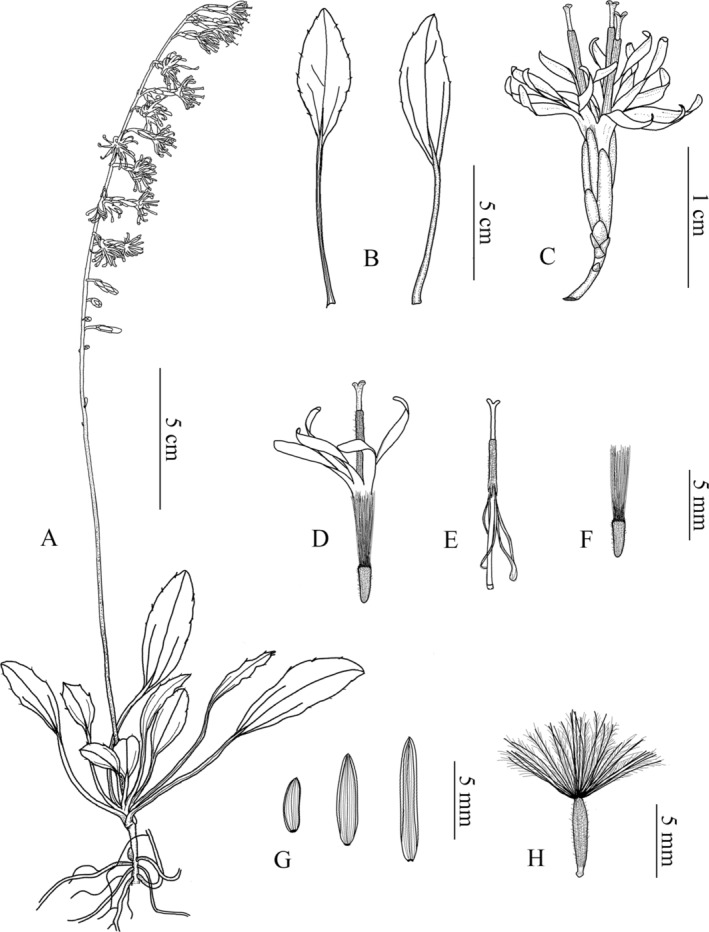 Figure 1
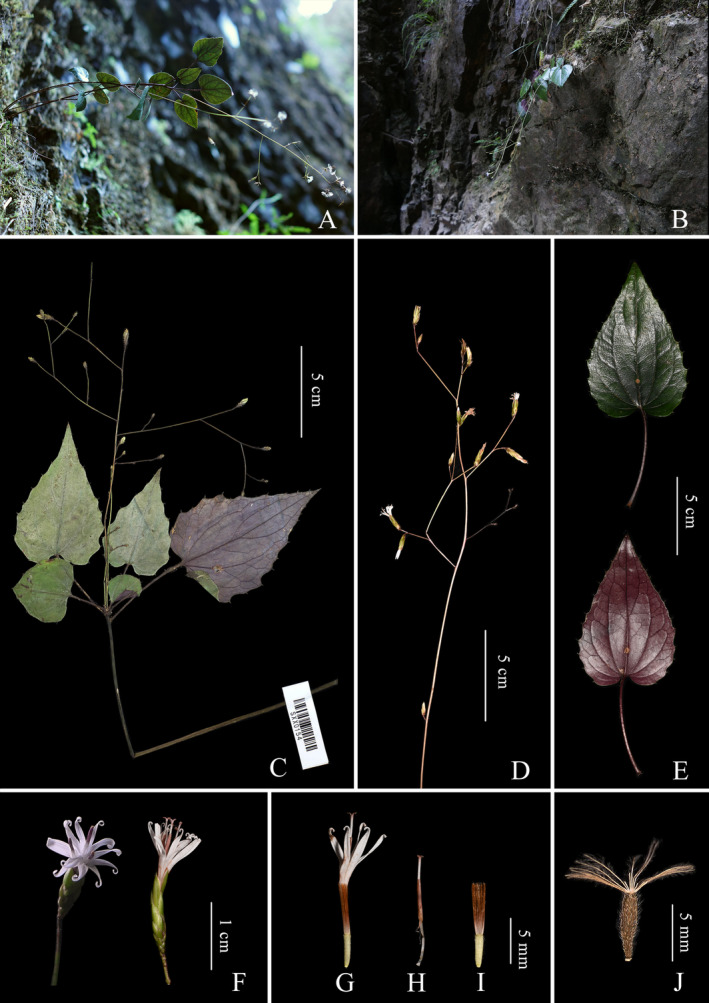 Figure 2
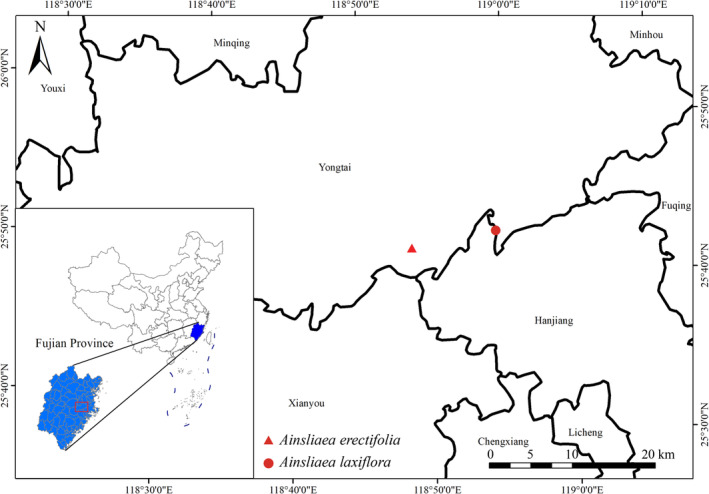 Figure 3
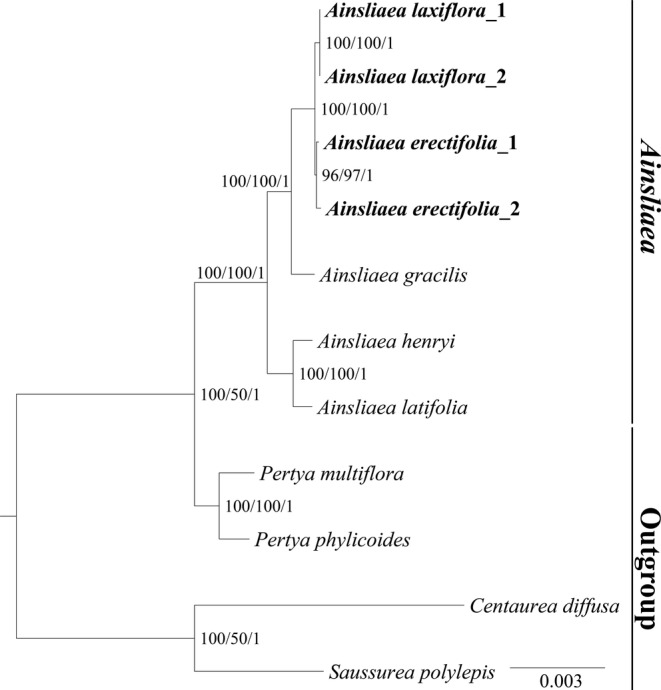 Figure 4
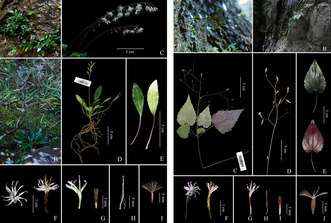 Figure 5
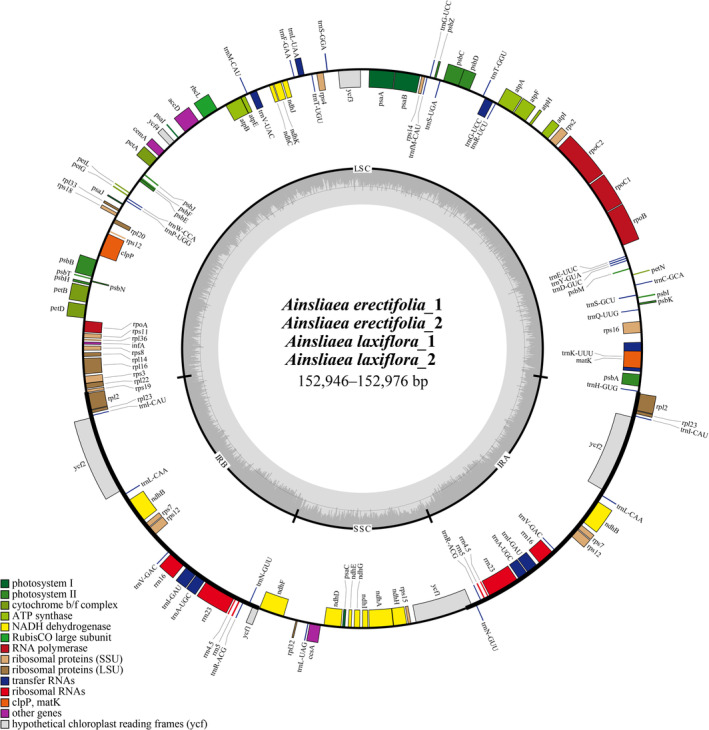 Figure 6
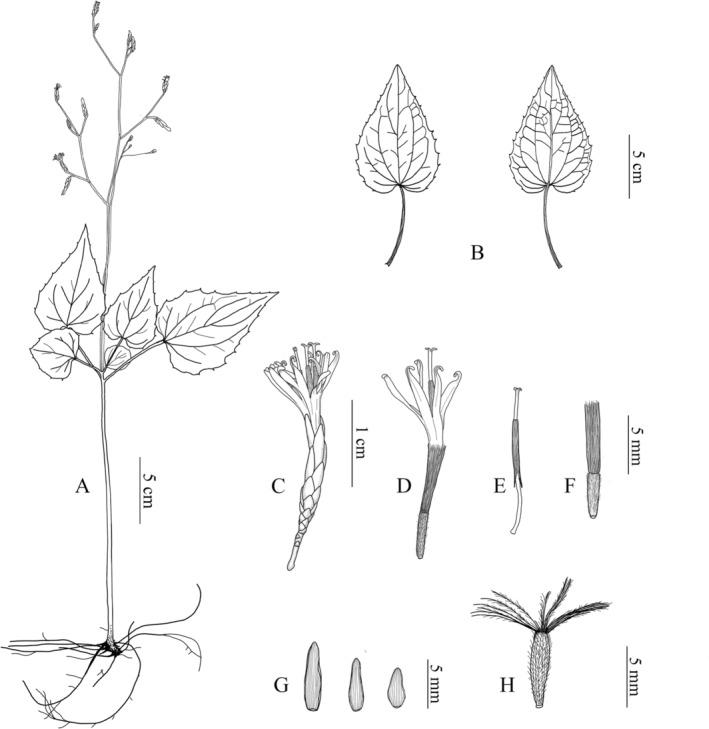 Figure 7
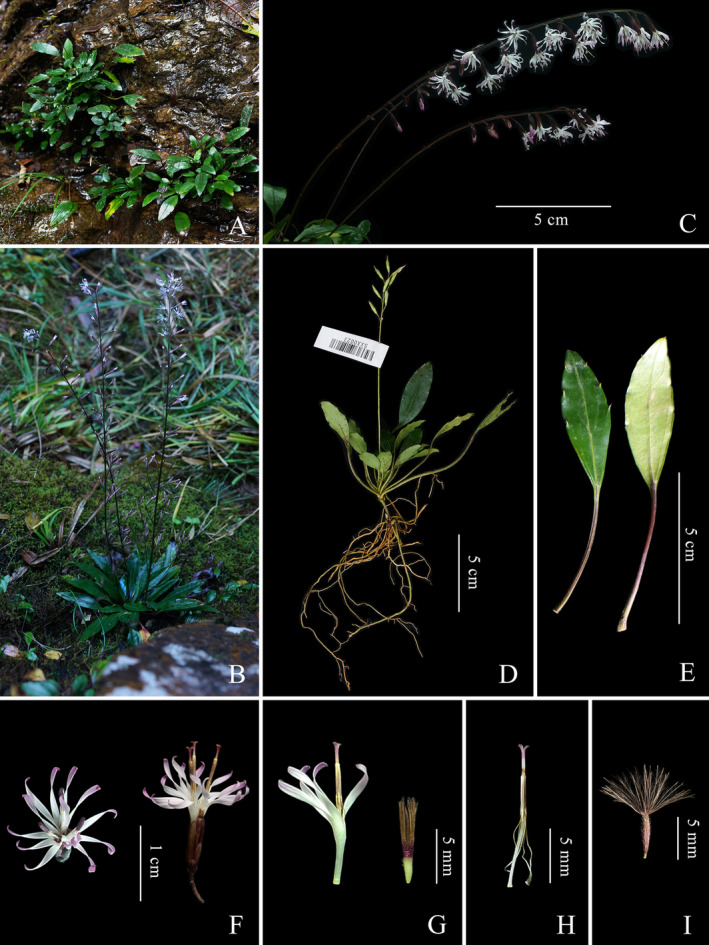 Figure 8
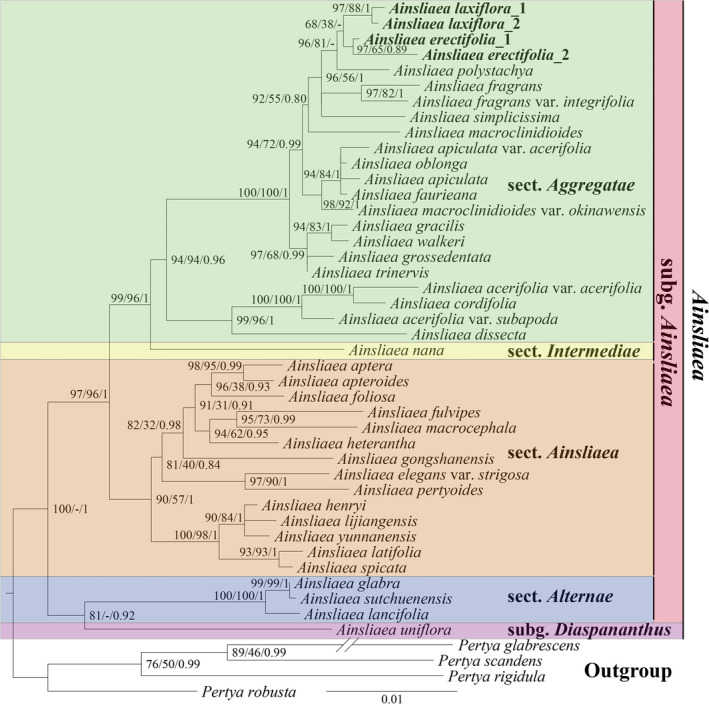 Figure 9
Peer Reviews
No public reviews on file for this paper yet. If you reviewed it on a platform where reviews are public (OpenReview, ICLR, NeurIPS, ICML), you can paste yours below so the community can read it here.
Videos
No videos yet. Explain this paper in a talk, walkthrough, or lecture? Add one.
Taxonomy
TopicsPlant and Fungal Species Descriptions · Plant Diversity and Evolution · Sesquiterpenes and Asteraceae Studies