A novel oncolytic vaccinia virus with multiple gene modifications involved in viral replication and maturation increases safety for intravenous administration while maintaining proliferative potential in cancer cells
Go Okita, Kiyotaka Suenaga, Masashi Sakaguchi, Toshio Murakami, Milad Zandi, Milad Zandi, Brian M. Ward, Brian M. Ward, Brian M. Ward

TL;DR
This paper describes a new oncolytic vaccinia virus that is safer for intravenous use and more effective in killing cancer cells.
Contribution
The novel virus combines gene deletions and replacements to enhance safety and productivity in cancer cells.
Findings
Deleting VGF, O1L, and RNR genes reduced cytotoxicity in normal cells.
Replacing six extracellular enveloped virus-associated proteins improved virus productivity in cancer cells.
Modified virus MD-RVV-ΔRR-EEV6 showed improved survival rates in mice compared to MD-RVV.
Abstract
To generate a novel oncolytic vaccinia virus with improved safety and productivity, the genome of smallpox vaccine strain LC16m8 was modified by a bacterial artificial chromosome system. By using LC16m8, a replicating virus homologous to the target virus, as a helper virus for the bacterial artificial chromosome system, we successfully recovered genome-edited infectious viruses. Oncolytic viruses with limited growth in normal cells were obtained by deleting the genes for vaccinia virus growth factor (VGF), extracellular signal-regulated kinase-activating protein (O1L), and ribonucleotide reductase (RNR) present in the viral genome. Furthermore, the amino acid residues of seven proteins involved in extracellular enveloped virus virion formation were replaced to the IHD-J strain sequence, which is known to highly express extracellular enveloped virus. In cultured cancer cells (HeLa),…
Genes, proteins, chemicals, diseases, species, mutations and cell lines named across the full text — each resolved to its canonical identifier and authoritative record.
Click any figure to enlarge with its caption.
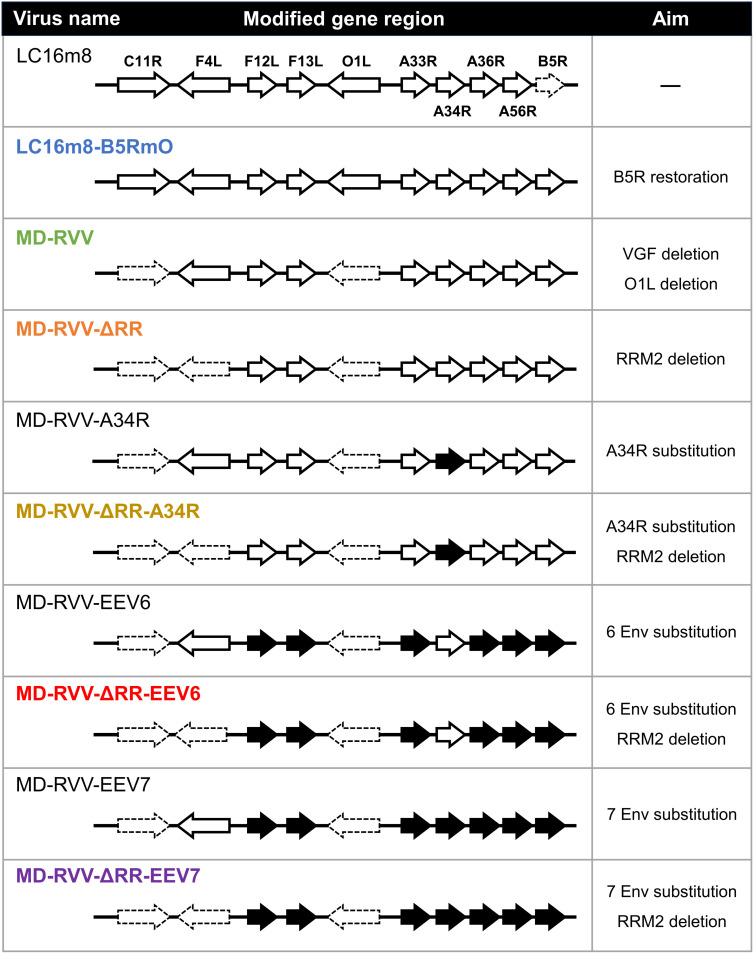 Figure 1
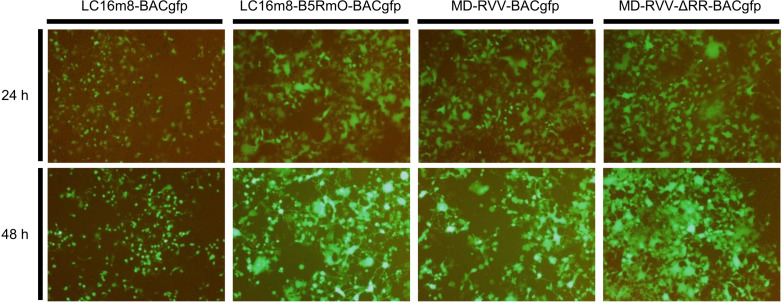 Figure 2
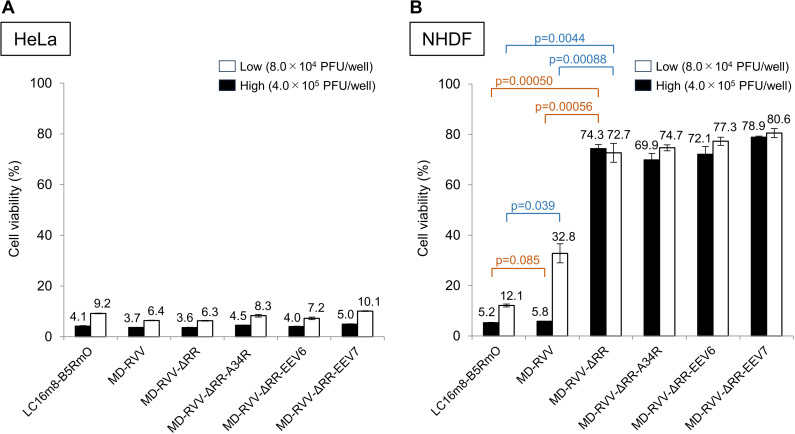 Figure 3
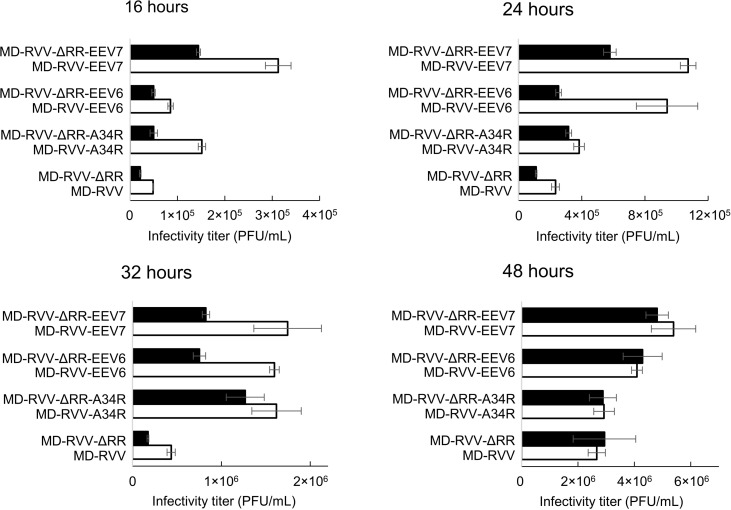 Figure 4
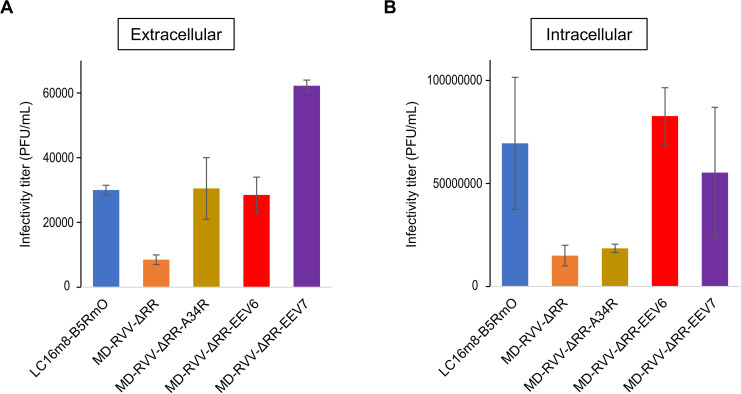 Figure 5
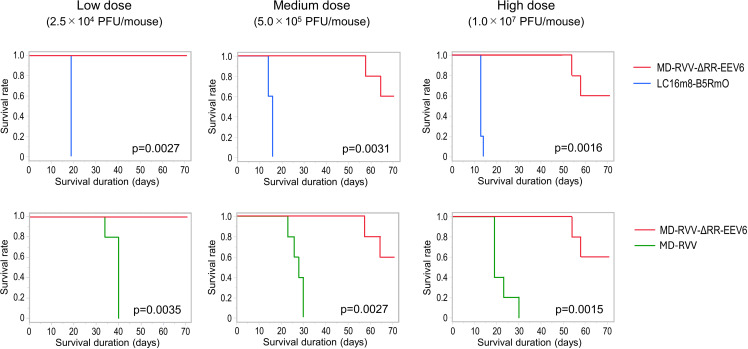 Figure 6
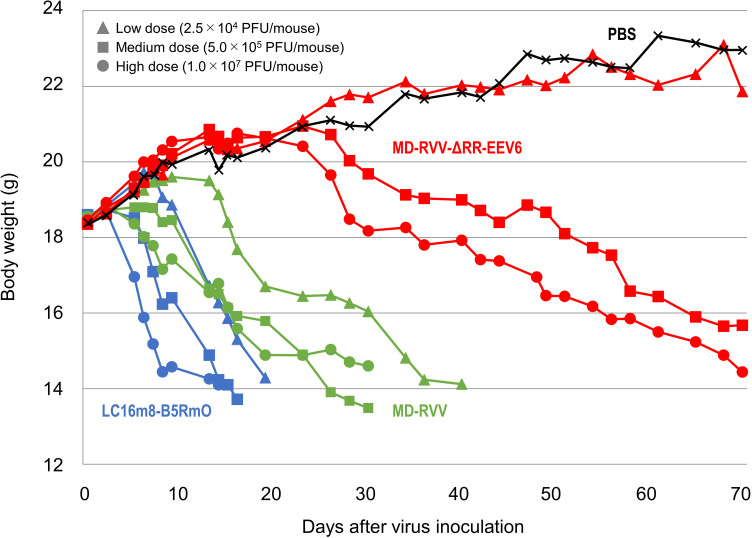 Figure 7
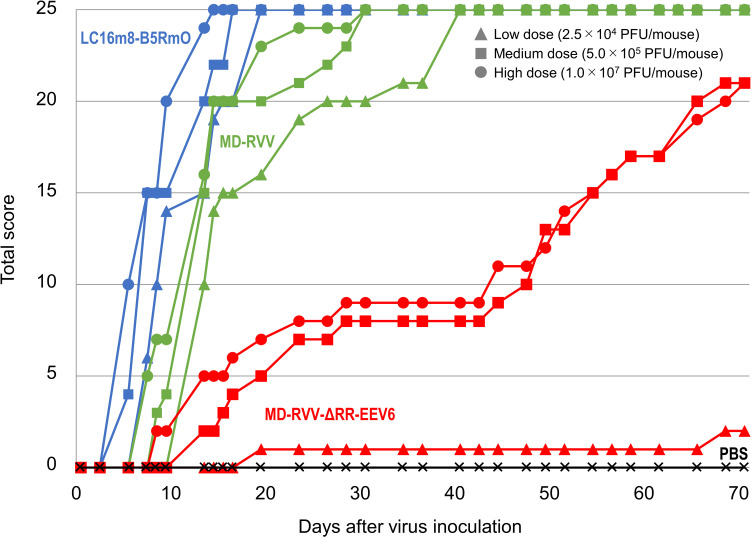 Figure 8
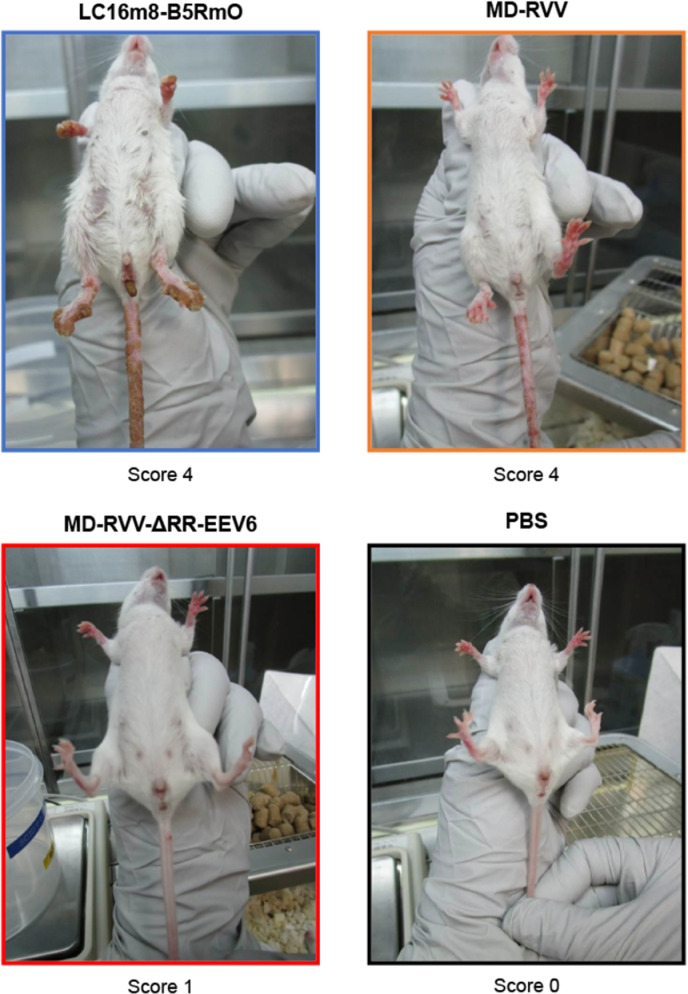 Figure 9
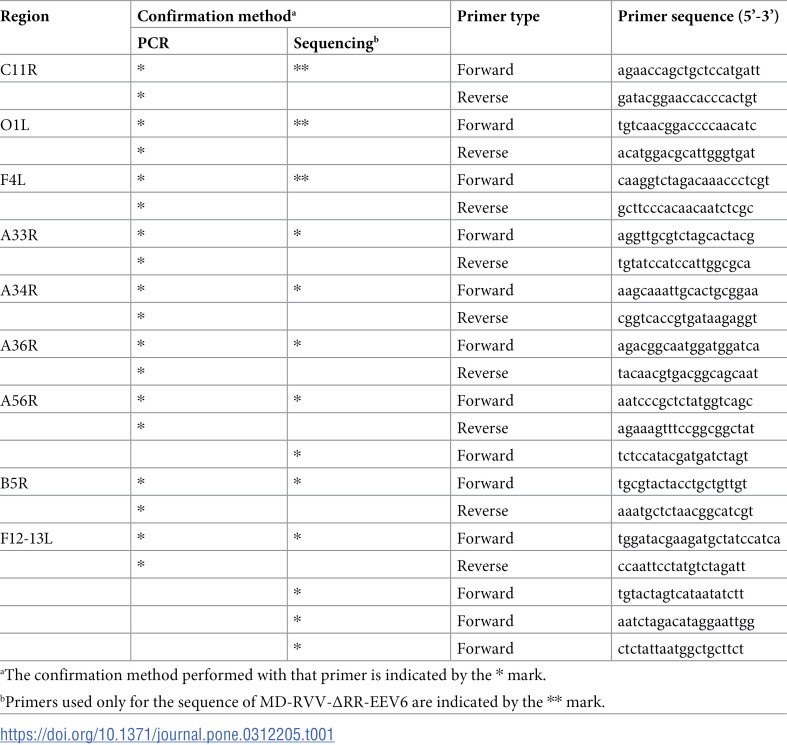 Figure 10
Peer Reviews
No public reviews on file for this paper yet. If you reviewed it on a platform where reviews are public (OpenReview, ICLR, NeurIPS, ICML), you can paste yours below so the community can read it here.
Videos
No videos yet. Explain this paper in a talk, walkthrough, or lecture? Add one.
Taxonomy
TopicsVirus-based gene therapy research · Poxvirus research and outbreaks · CAR-T cell therapy research