OM-VST: A video action recognition model based on optimized downsampling module combined with multi-scale feature fusion
Xiaozhong Geng, Cheng Chen, Ping Yu, Baijin Liu, Weixin Hu, Qipeng Liang, Xintong Zhang

TL;DR
This paper introduces OM-VST, a video action recognition model that improves accuracy and reduces training parameters through optimized downsampling and multi-scale feature fusion.
Contribution
The novel OM-VST model combines an optimized downsampling module with multi-scale feature fusion for better video classification performance.
Findings
OM-VST improves classification accuracy by 2.81% compared to existing models.
The model reduces training parameters by 54.7%, decreasing training time and energy consumption.
OM-VST outperforms VST, SlowFast, and TSM on a public dataset.
Abstract
Video classification, as an essential task in computer vision, aims to identify and label video content using computer technology automatically. However, the current mainstream video classification models face two significant challenges in practical applications: first, the classification accuracy is not high, which is mainly attributed to the complexity and diversity of video data, including factors such as subtle differences between different categories, background interference, and illumination variations; and second, the number of model training parameters is too high resulting in longer training time and increased energy consumption. To solve these problems, we propose the OM-Video Swin Transformer (OM-VST) model. This model adds a multi-scale feature fusion module with an optimized downsampling module based on a Video Swin Transformer (VST) to improve the model’s ability to…
Genes, proteins, chemicals, diseases, species, mutations and cell lines named across the full text — each resolved to its canonical identifier and authoritative record.
Click any figure to enlarge with its caption.
 Figure 1
 Figure 2
 Figure 3
 Figure 4
 Figure 5
 Figure 6
 Figure 7
 Figure 8
 Figure 9
 Figure 10
 Figure 11
 Figure 12
 Figure 13
 Figure 14
 Figure 15
 Figure 16
 Figure 17
 Figure 18
 Figure 19
 Figure 20
 Figure 21
 Figure 22
 Figure 23
 Figure 24
 Figure 25
 Figure 26
 Figure 27
 Figure 28
 Figure 29
 Figure 30
 Figure 31
 Figure 32
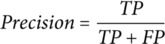 Figure 33
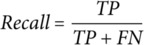 Figure 34
 Figure 35
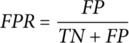 Figure 36
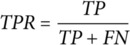 Figure 37
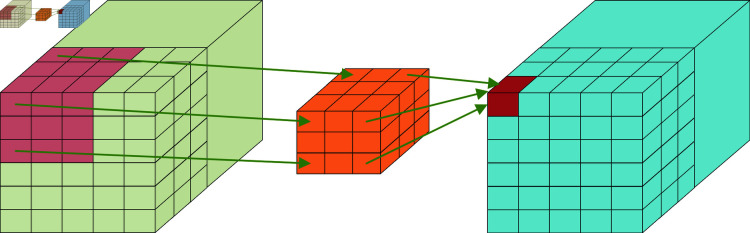 Figure 38
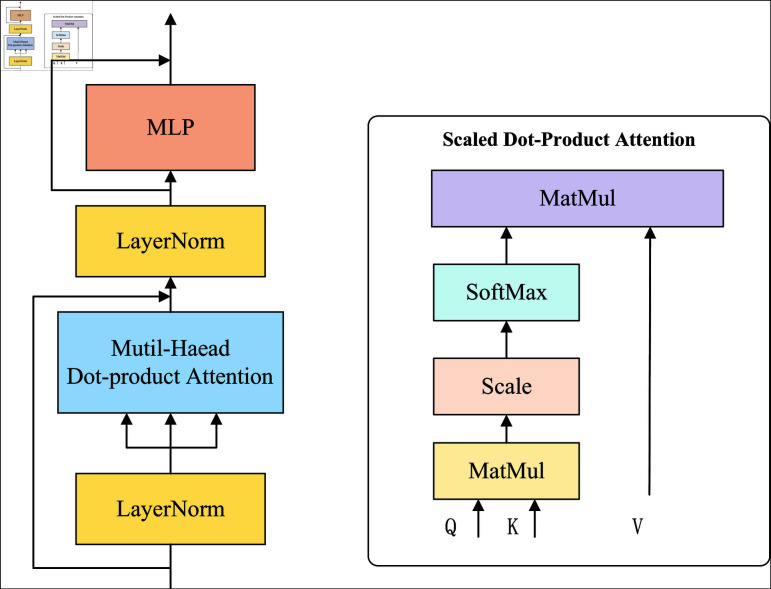 Figure 39
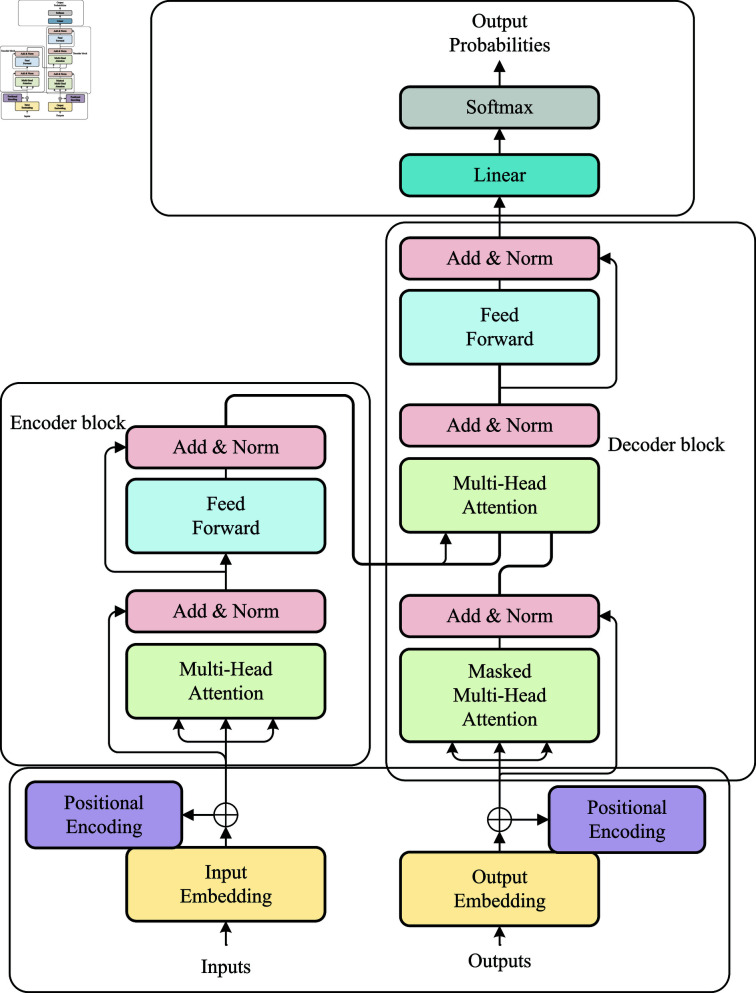 Figure 40
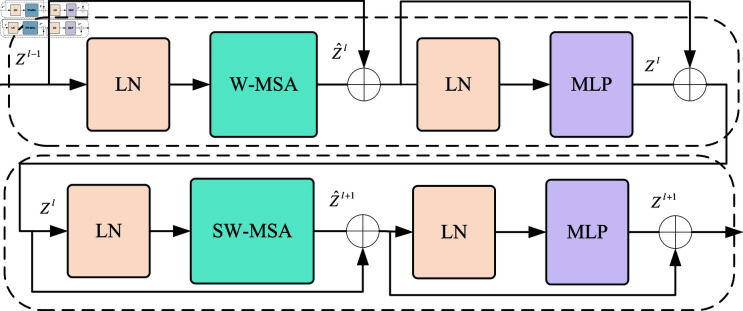 Figure 41
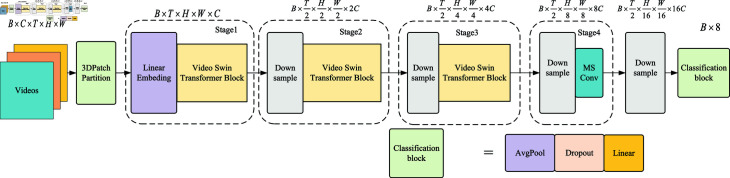 Figure 42
 Figure 43
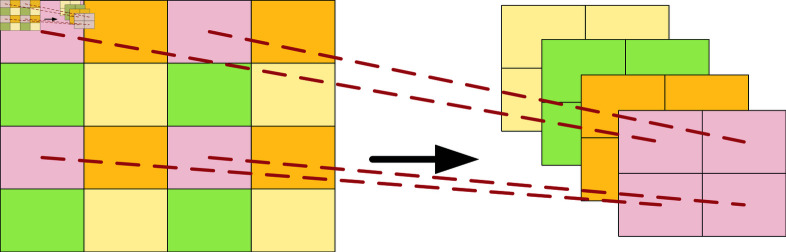 Figure 44
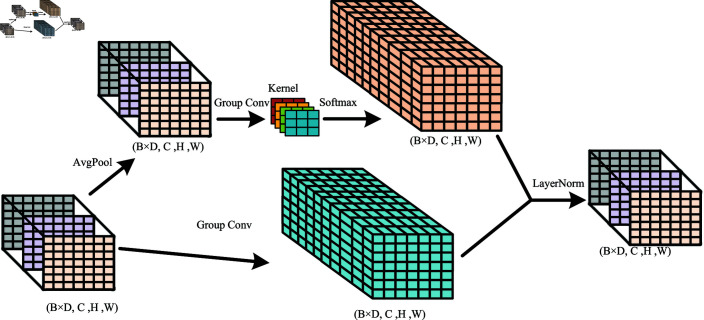 Figure 45
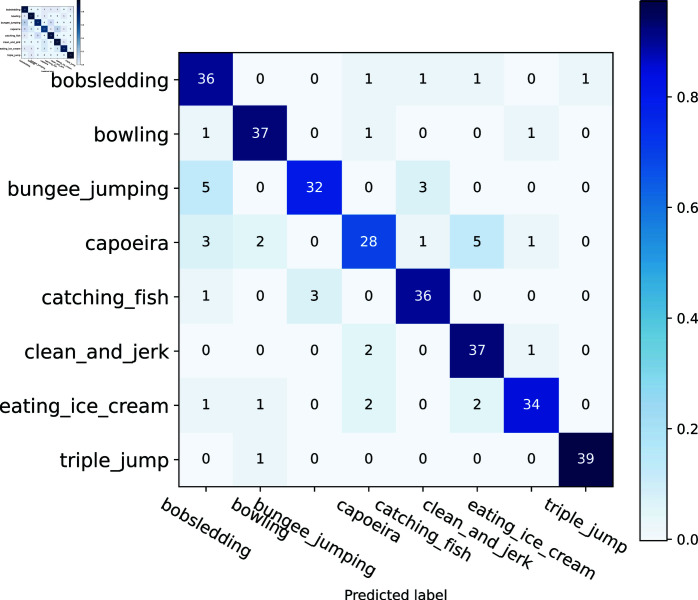 Figure 46
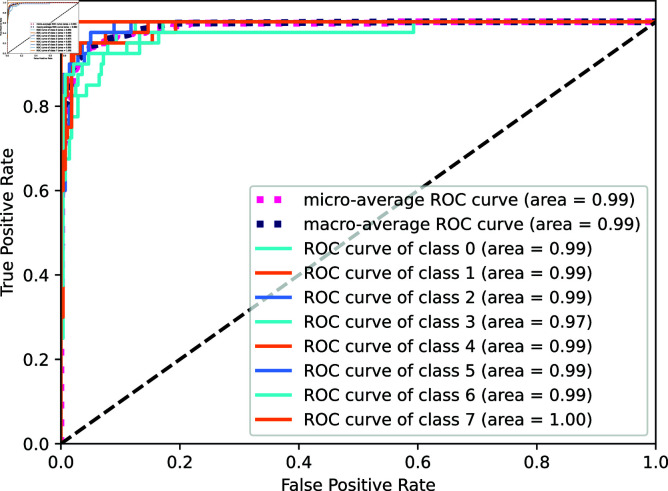 Figure 47
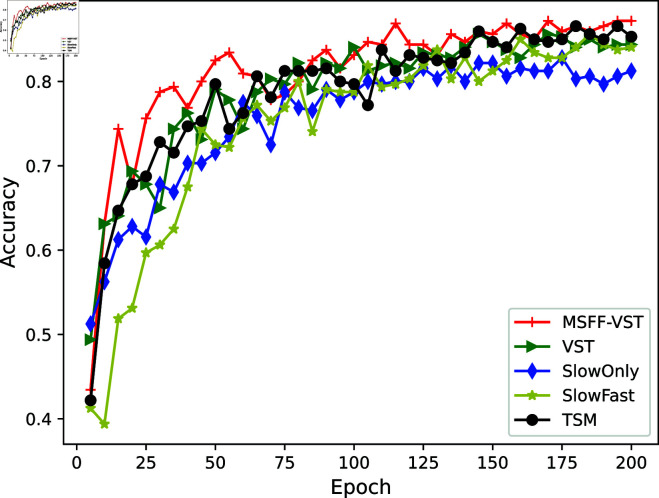 Figure 48
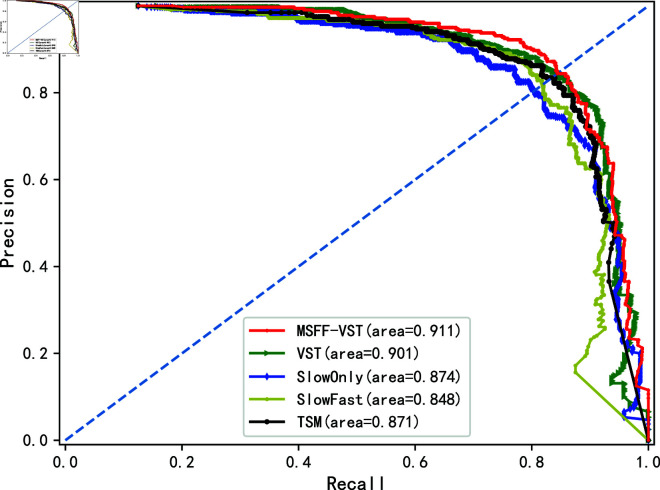 Figure 49
 Figure 50
Peer Reviews
No public reviews on file for this paper yet. If you reviewed it on a platform where reviews are public (OpenReview, ICLR, NeurIPS, ICML), you can paste yours below so the community can read it here.
Videos
No videos yet. Explain this paper in a talk, walkthrough, or lecture? Add one.
Taxonomy
TopicsHuman Pose and Action Recognition · Anomaly Detection Techniques and Applications · Gait Recognition and Analysis