Reversing Cochlear Nucleus Maladaptive Plasticity via Customized Extracochlear Stimulation: A New Approach for Tinnitus Treatment
Min Chen, Shuwen Fan, Jiabao Mao, Linhan Huang, Nafisa Tursun, Chen Zhang, Wen Li, Shufeng Li

TL;DR
A new non-damaging electrical stimulation method reverses brain changes linked to tinnitus in guinea pigs, offering potential for safer treatment.
Contribution
A novel extracochlear stimulation approach is introduced to reverse tinnitus-related brain plasticity without cochlear damage.
Findings
Targeted intracochlear stimulation reversed maladaptive plasticity in the cochlear nucleus of noise-induced hearing loss guinea pigs.
Extracochlear stimulation using a new electrode array alleviated tinnitus without causing cochlear damage or hearing loss.
Both intracochlear and extracochlear stimulation strategies reversed somatosensory and inhibitory network changes in the cochlear nucleus.
Abstract
Tinnitus, a widespread condition affecting numerous individuals worldwide, remains a significant challenge due to limited effective therapeutic interventions. Intriguingly, patients using cochlear implants (CIs) have reported significant relief from tinnitus symptoms, although the underlying mechanisms remain unclear and intracochlear implantation risks cochlear damage and hearing loss. This study demonstrates that targeted intracochlear electrical stimulation (ES) in guinea pigs with noise‐induced hearing loss reversed tinnitus‐related maladaptive plasticity in the cochlear nucleus (CN), characterized by reduced auditory innervation, increased somatosensory innervation, and diminished inhibitory neural networks. Additionally, a customized extracochlear ES delivered by a newly designed extracochlear electrode array to guinea pigs with salicylate‐induced tinnitus also reversed the…
Genes, proteins, chemicals, diseases, species, mutations and cell lines named across the full text — each resolved to its canonical identifier and authoritative record.
Click any figure to enlarge with its caption.
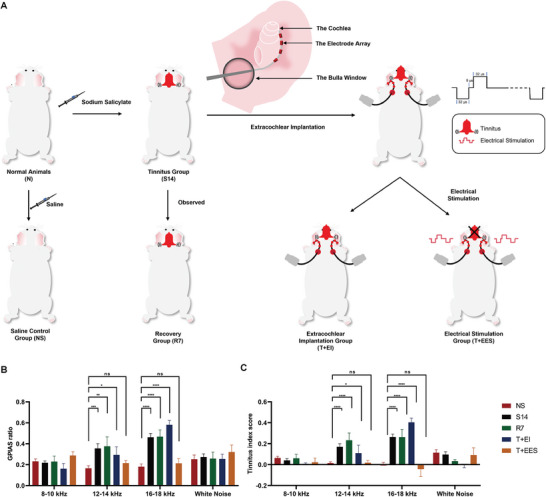 Figure 1
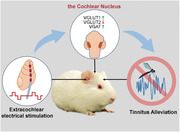 Figure 2
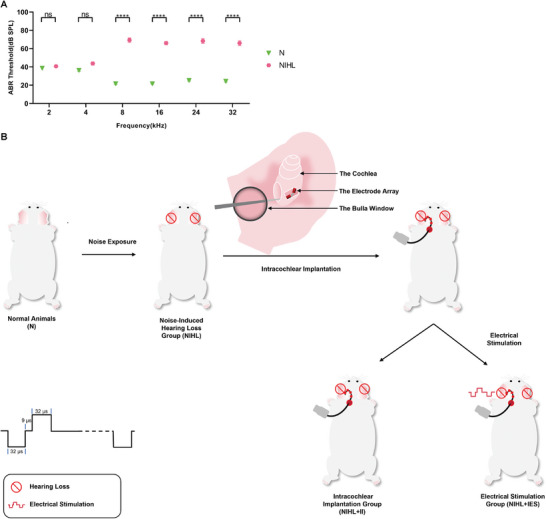 Figure 3
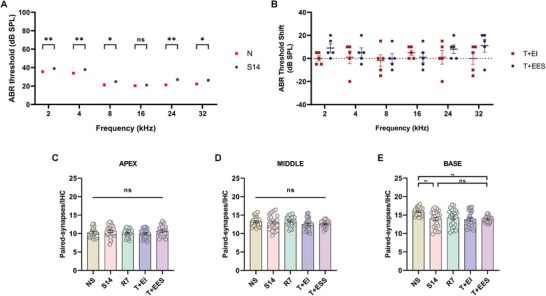 Figure 4
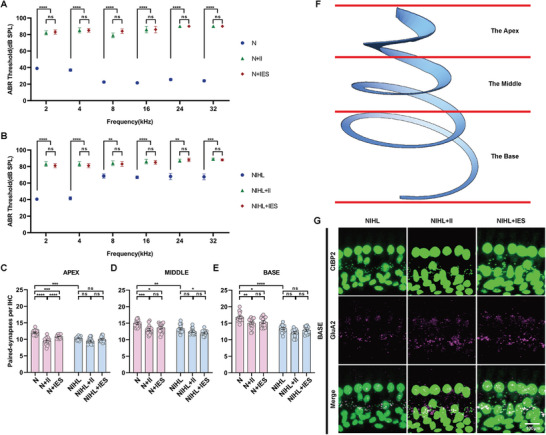 Figure 5
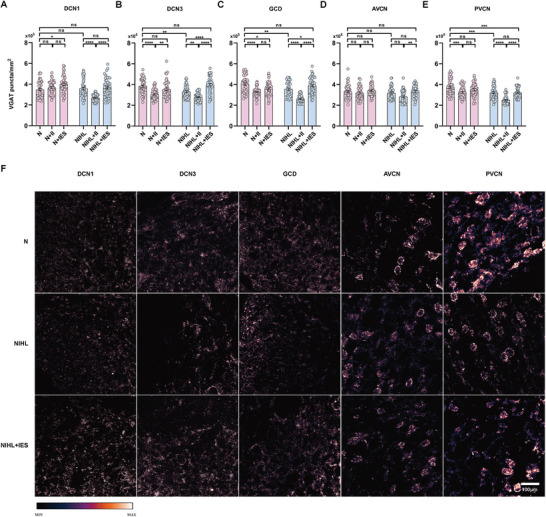 Figure 6
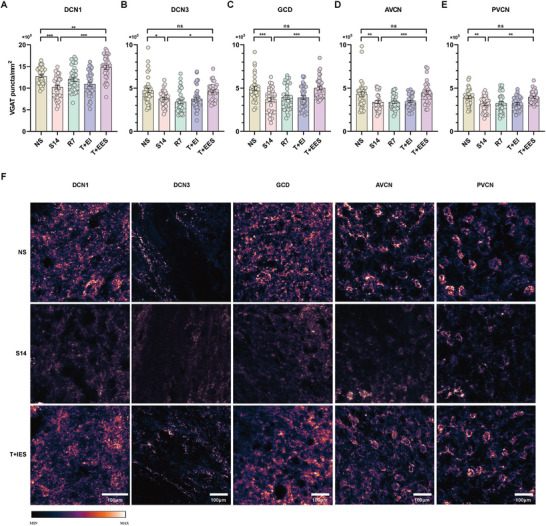 Figure 7
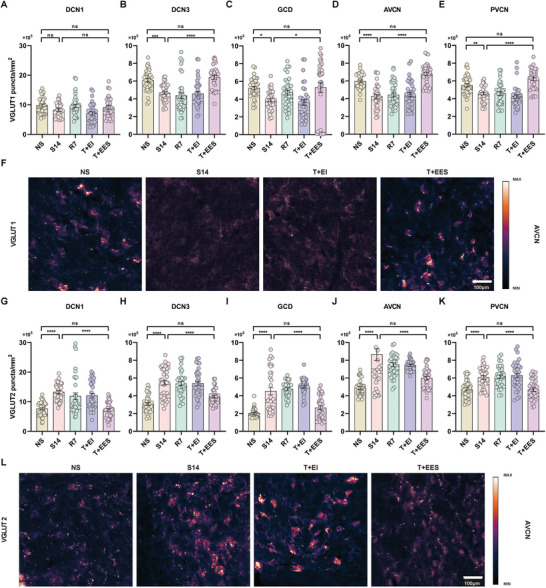 Figure 8
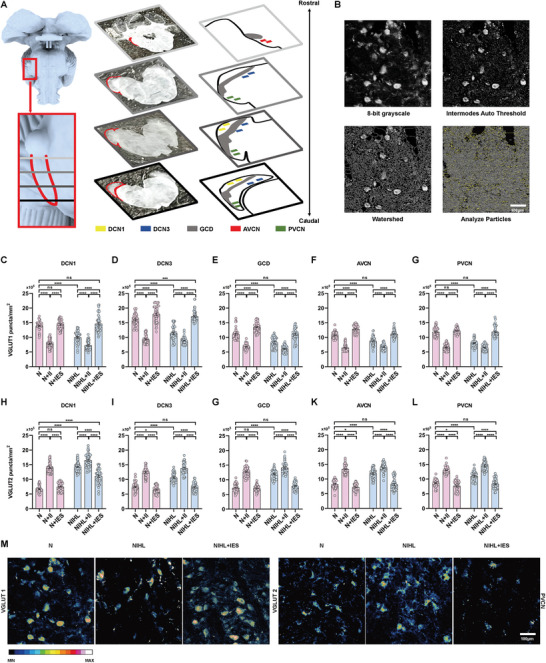 Figure 9
Peer Reviews
No public reviews on file for this paper yet. If you reviewed it on a platform where reviews are public (OpenReview, ICLR, NeurIPS, ICML), you can paste yours below so the community can read it here.
Videos
No videos yet. Explain this paper in a talk, walkthrough, or lecture? Add one.
Taxonomy
TopicsHearing, Cochlea, Tinnitus, Genetics · Hearing Loss and Rehabilitation · Vestibular and auditory disorders