Cerebral Hemodynamics Measured by Wearable Near-Infrared Spectroscopy During Bedside Mobilization in a Patient With Chronic Heart Failure Hospitalized for Acute Exacerbation
Yu Takada, Naoyuki Hashimoto, Masafumi Kubota, Atsuhiro Tsubaki

TL;DR
This study used wearable NIRS to monitor brain blood flow in a heart failure patient during hospital stays, showing how cerebral oxygen levels change with posture and recovery.
Contribution
The study demonstrates the potential of wearable NIRS for real-time monitoring of cerebral hemodynamics in heart failure patients.
Findings
Oxyhemoglobin and cerebral oxygen saturation were lowest in the standing position during both NIRS measurements.
The first admission showed greater variability in cerebral oxygen levels and more pronounced orthostatic hypotension symptoms.
NIRS data reflected changes in blood pressure, OH severity, and cerebral autoregulation influenced by weight loss progression.
Abstract
This report aimed to investigate the relationship between cerebral hemodynamics and orthostatic hypotension (OH) in a patient with acute exacerbation of chronic heart failure (HF) by measuring oxyhemoglobin (O2Hb) and regional cerebral oxygen saturation (rSO2) using the wearable near-infrared spectroscopy (NIRS) device for risk management. A 61-year-old man was diagnosed with acute exacerbation of chronic HF. The patient was admitted to the hospital for the first time on day 0, and the first NIRS was performed on day 9. He was discharged on day 30 but was admitted for the second time on day 86, and the second NIRS was performed on day 100. Although HF symptoms, including weight gain, cardiomegaly, and pleural effusion, present at both admissions had improved at the time of NIRS measurements, there was a difference between the first and second admissions in diuresis, progression of…
Genes, proteins, chemicals, diseases, species, mutations and cell lines named across the full text — each resolved to its canonical identifier and authoritative record.
Click any figure to enlarge with its caption.
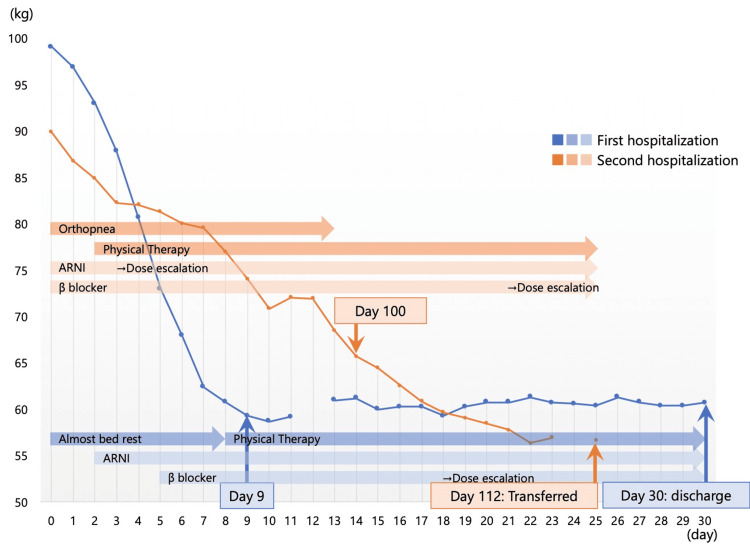 Figure 1
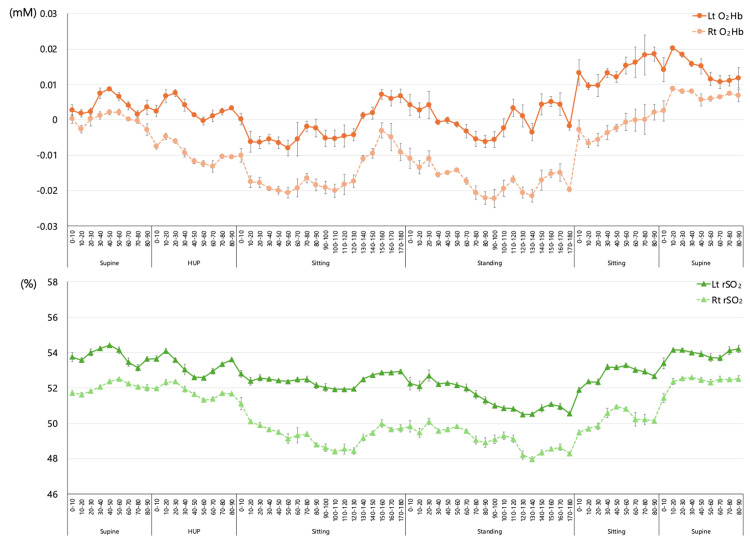 Figure 2
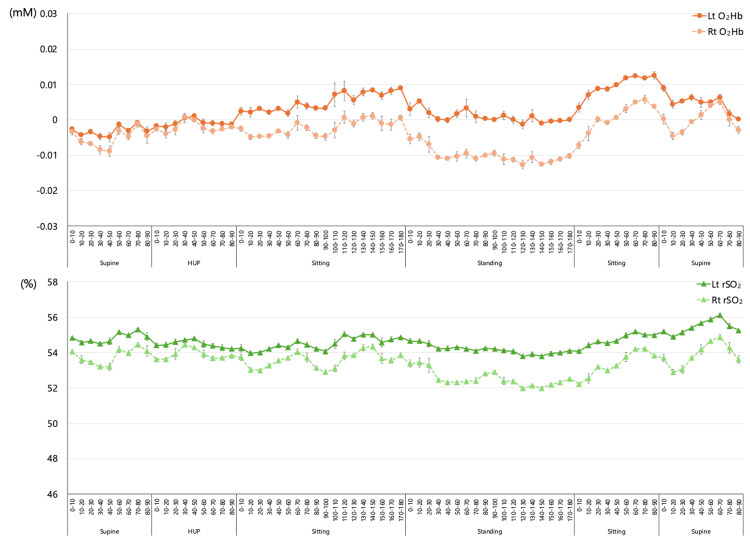 Figure 3
Peer Reviews
No public reviews on file for this paper yet. If you reviewed it on a platform where reviews are public (OpenReview, ICLR, NeurIPS, ICML), you can paste yours below so the community can read it here.
Videos
No videos yet. Explain this paper in a talk, walkthrough, or lecture? Add one.
Taxonomy
TopicsNon-Invasive Vital Sign Monitoring · Optical Imaging and Spectroscopy Techniques · Heart Rate Variability and Autonomic Control