Advanced phasing techniques in congenital skin diseases
Ken Natsuga

TL;DR
This paper reviews advanced phasing techniques using long-read sequencing for diagnosing and treating autosomal recessive skin diseases.
Contribution
The paper introduces novel phasing methods like nanopore Cas9-guided sequencing and adaptive sampling for complex clinical applications.
Findings
Low-coverage long-read sequencing improves haplotype determination in autosomal recessive diseases.
Nanopore sequencing aids in gene therapy design for recessive dystrophic epidermolysis bullosa.
Revertant mosaicism plays a role in therapeutic epidermal autografts.
Abstract
Phasing, the process of determining which alleles at different loci on homologous chromosomes belong together on the same chromosome, is crucial in the diagnosis and management of autosomal recessive diseases. Advances in long‐read sequencing technologies have significantly enhanced our ability to accurately determine haplotypes. This review discusses the application of low‐coverage long‐read sequencing, nanopore Cas9‐guided long‐read sequencing, and adaptive sampling in phasing, highlighting their utility in complex clinical scenarios. Through clinical vignettes, we explore the importance of phasing in gene therapy design for recessive dystrophic epidermolysis bullosa and the role of revertant mosaicism in therapeutic epidermal autografts. Despite its promise, phasing with long‐read sequencing faces challenges, including low efficiency in enriching target regions and the inherent error…
Genes, proteins, chemicals, diseases, species, mutations and cell lines named across the full text — each resolved to its canonical identifier and authoritative record.
Click any figure to enlarge with its caption.
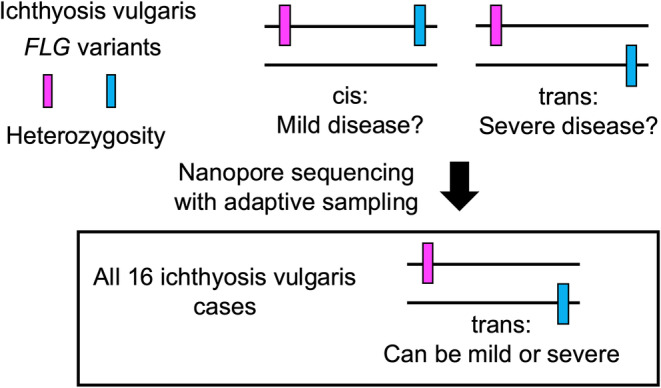 Figure 1
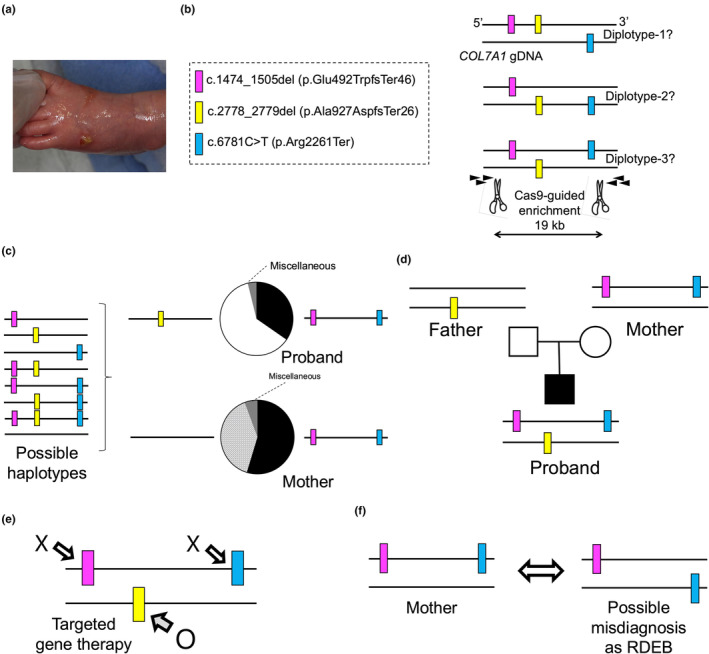 Figure 2
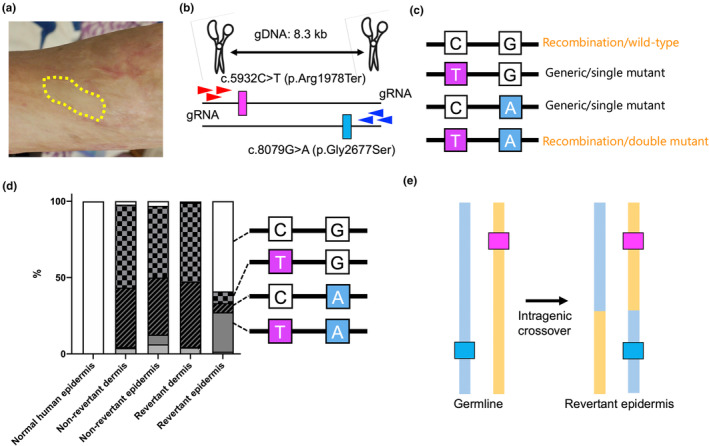 Figure 3
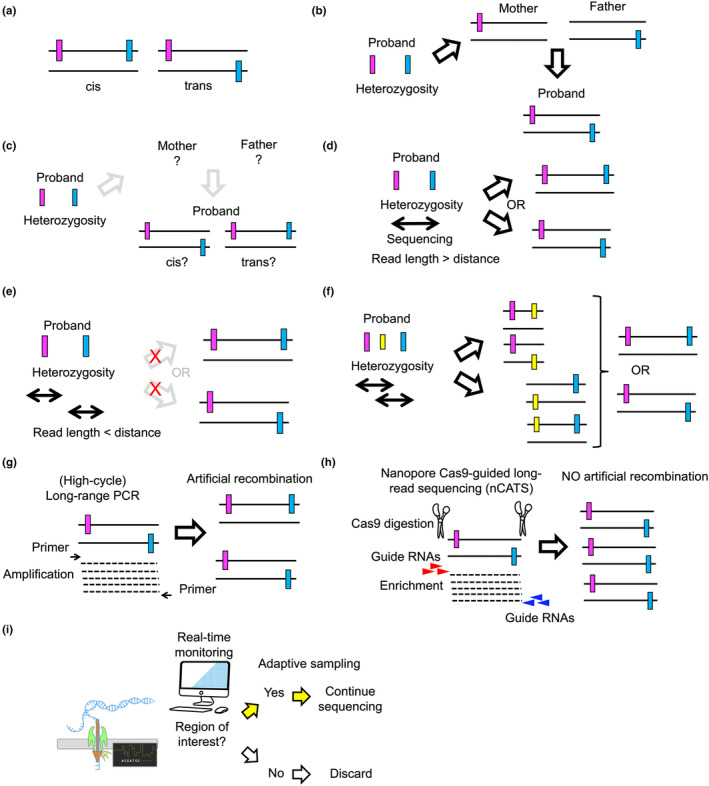 Figure 4
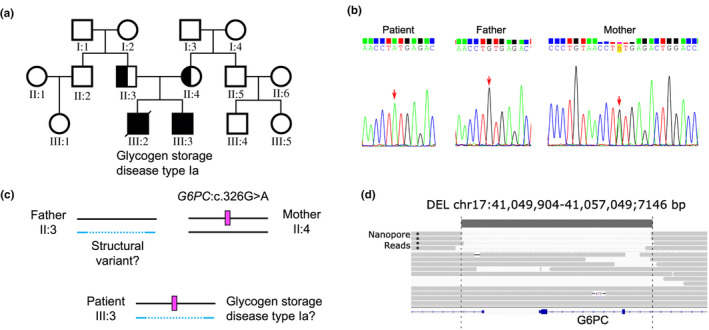 Figure 5
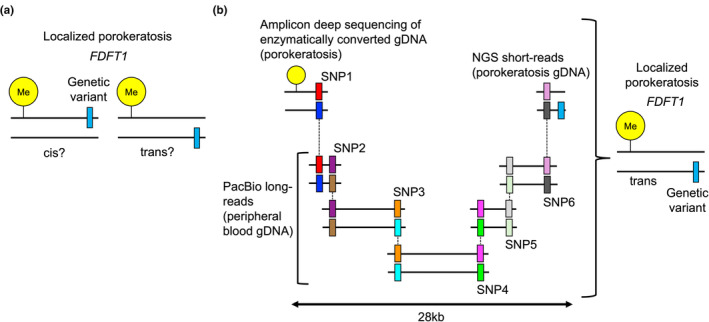 Figure 6
Peer Reviews
No public reviews on file for this paper yet. If you reviewed it on a platform where reviews are public (OpenReview, ICLR, NeurIPS, ICML), you can paste yours below so the community can read it here.
Videos
No videos yet. Explain this paper in a talk, walkthrough, or lecture? Add one.
Taxonomy
TopicsSkin and Cellular Biology Research · RNA regulation and disease · Genetic and rare skin diseases.