Dynamics in the Phytophthora capsici Effector AVR3a11 Confirm the Core WY Domain Fold
James Tolchard, Vicki S. Chambers, Laurence S. Boutemy, Mark J. Banfield, Tharin M. A. Blumenschein

TL;DR
This paper confirms the structural and dynamic properties of the AVR3a11 effector protein from Phytophthora capsici, showing how its flexibility may aid in evading plant defenses.
Contribution
The study provides a detailed structural and dynamic analysis of AVR3a11, confirming the core WY domain fold and its functional flexibility.
Findings
AVR3a11 forms a four-helix bundle confirmed by X-ray crystallography.
Hydrogen/deuterium exchange experiments show the N-terminal helix is less stable than others.
Conformational exchange in AVR3a11 occurs in slow/intermediate time scales, possibly linked to function.
Abstract
Oomycete pathogens cause large economic losses in agriculture through diseases such as late blight (Phytophthora infestans), and stem and root rot of soybean (Phytophthora sojae). The effector protein AVR3a, from P. infestans, and its homologue AVR3a11 from Phytophthora capsici, are host-translocated effectors that interact with plant proteins to evade defense mechanisms and enable infection. Both proteins belong to the family of RXLR effectors and contain an N-terminal secretion signal, an RXLR motif for translocation into the host cell, and a C-terminal effector domain. Within this family, many proteins have been predicted to contain one or more WY domains as their effector domain, which is proposed to encompass a conserved minimal core fold containing three helices, further stabilized by additional helices or dimerization. In AVR3a11, a helical N-terminal extension to the core fold…
Genes, proteins, chemicals, diseases, species, mutations and cell lines named across the full text — each resolved to its canonical identifier and authoritative record.
Click any figure to enlarge with its caption.
 Figure 1
 Figure 2
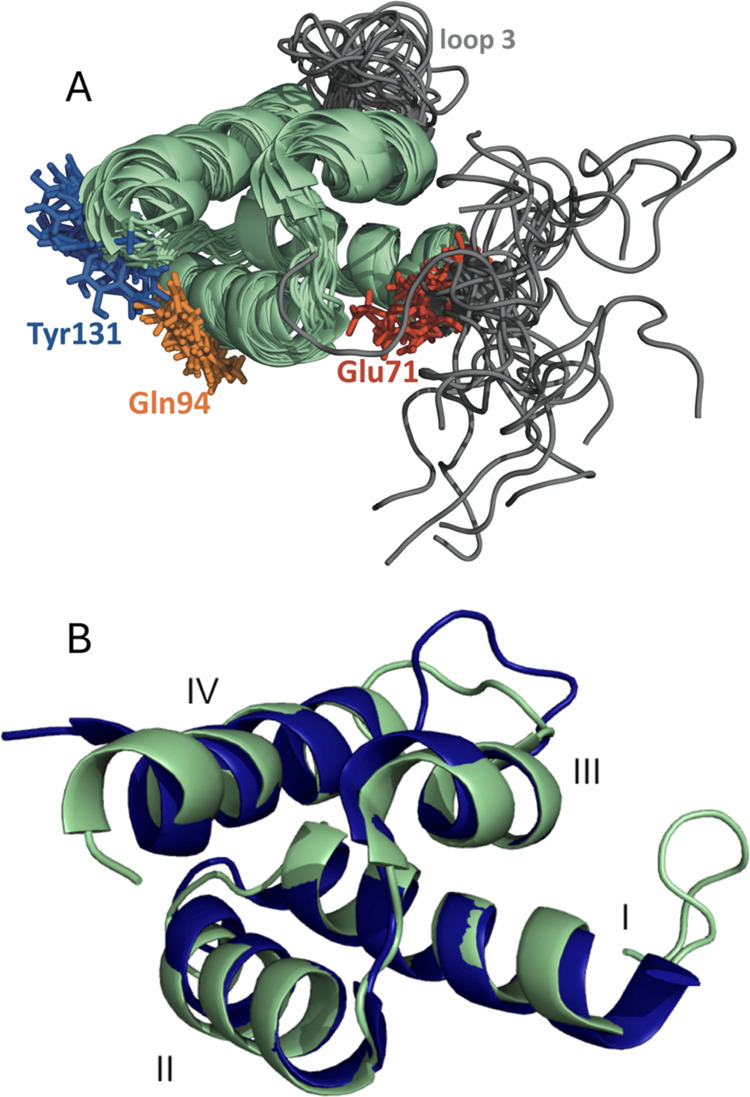 Figure 3
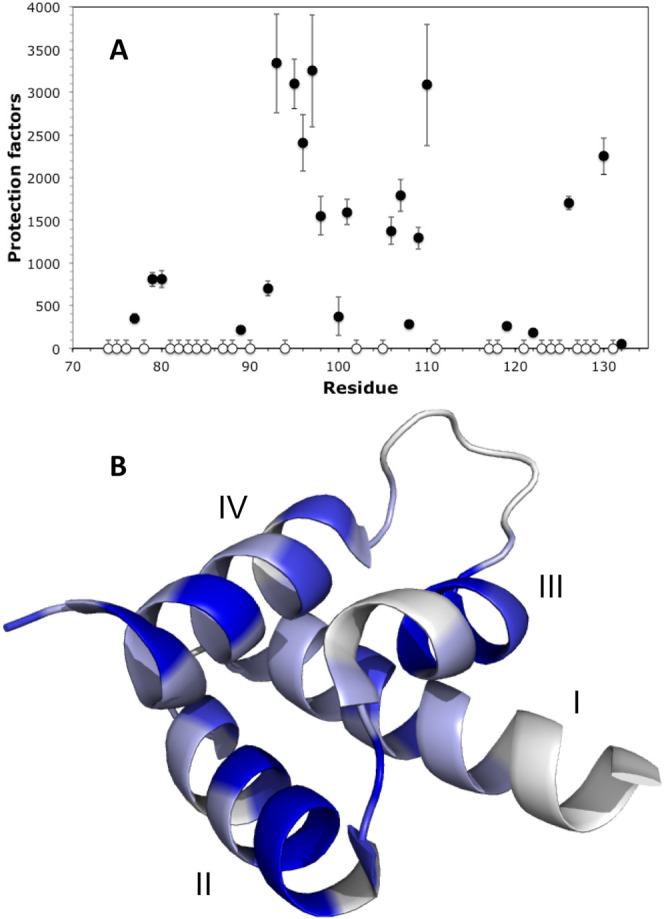 Figure 4
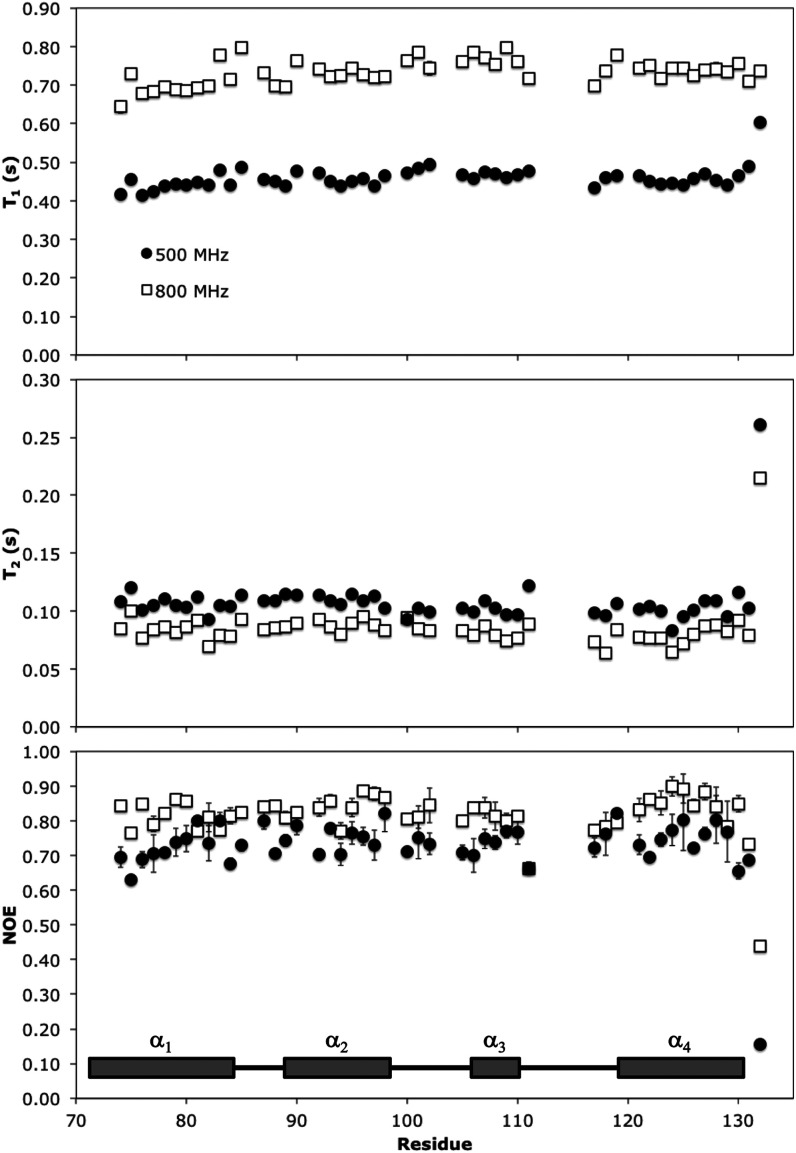 Figure 5
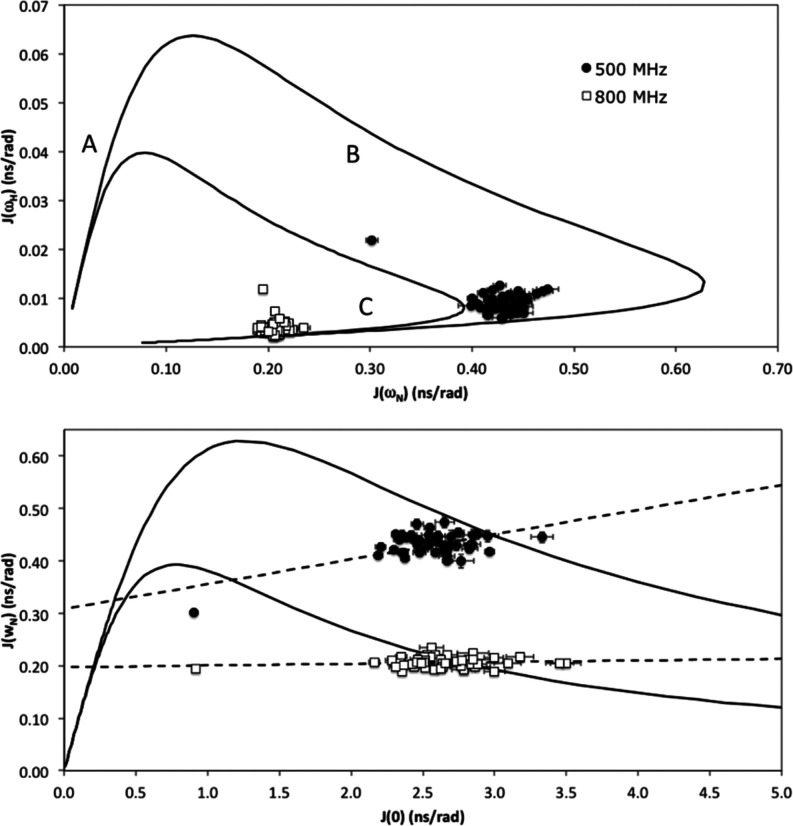 Figure 6
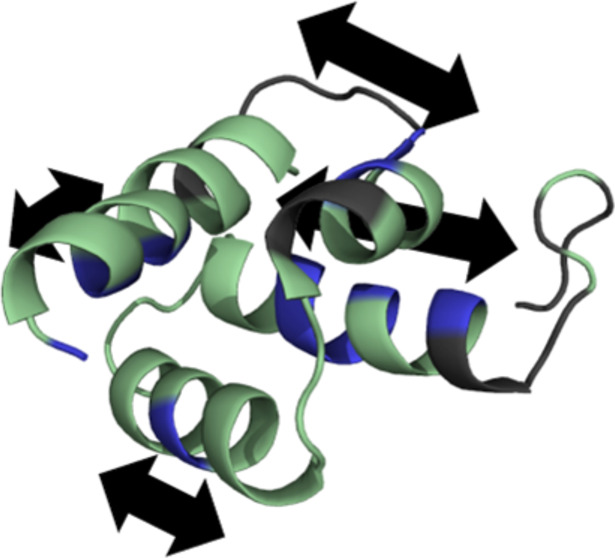 Figure 7
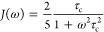 Figure 8
Peer Reviews
No public reviews on file for this paper yet. If you reviewed it on a platform where reviews are public (OpenReview, ICLR, NeurIPS, ICML), you can paste yours below so the community can read it here.
Videos
No videos yet. Explain this paper in a talk, walkthrough, or lecture? Add one.
Taxonomy
TopicsPlant Parasitism and Resistance · Plant-Microbe Interactions and Immunity · Plant Pathogens and Resistance