Interplay of protection and damage through intermolecular processes in the decay of electronic core holes in microsolvated organic molecules
Dana Bloß, Nikolai V. Kryzhevoi, Jonas Maurmann, Philipp Schmidt, André Knie, Johannes H. Viehmann, Catmarna Küstner-Wetekam, Sascha Deinert, Gregor Hartmann, Florian Trinter, Lorenz S. Cederbaum, Arno Ehresmann, Alexander I. Kuleff, Andreas Hans

TL;DR
This study explores how water clusters protect or damage organic molecules when exposed to X-rays by transferring energy and charge.
Contribution
The paper reveals that water can both protect and harm organic molecules through intermolecular energy and charge transfer.
Findings
Water clusters can prevent fragmentation of core-ionized organic molecules through non-local decay.
When the core hole is in water, energy and charge transfer to the organic molecule can cause its ionization.
The protective and harmful effects of the environment depend on the location of the core hole.
Abstract
Soft X-ray irradiation of molecules causes electronic core-level vacancies through photoelectron emission. In light elements, such as C, N, or O, which are abundant in the biosphere, these vacancies predominantly decay by Auger emission, leading inevitably to dissociative multiply charged states. It was recently demonstrated that an environment can prevent fragmentation of core-level-ionised small organic molecules through immediate non-local decay of the core hole, dissipating charge and energy to the environment. Here, we present an extended photoelectron–photoion–photoion coincidence (PEPIPICO) study of the biorelevant pyrimidine molecule embedded in a water cluster. It is observed and supported by theoretical calculations that the supposed protective effect of the environment is partially reversed if the vacancy is originally located at a water molecule. In this scenario,…
Genes, proteins, chemicals, diseases, species, mutations and cell lines named across the full text — each resolved to its canonical identifier and authoritative record.
Click any figure to enlarge with its caption.
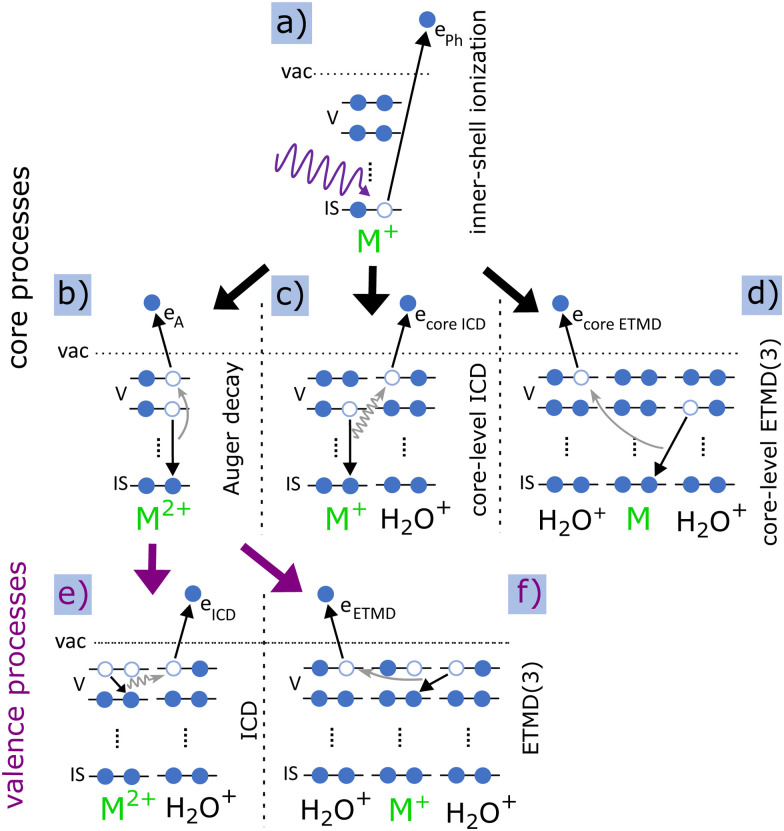 Figure 1
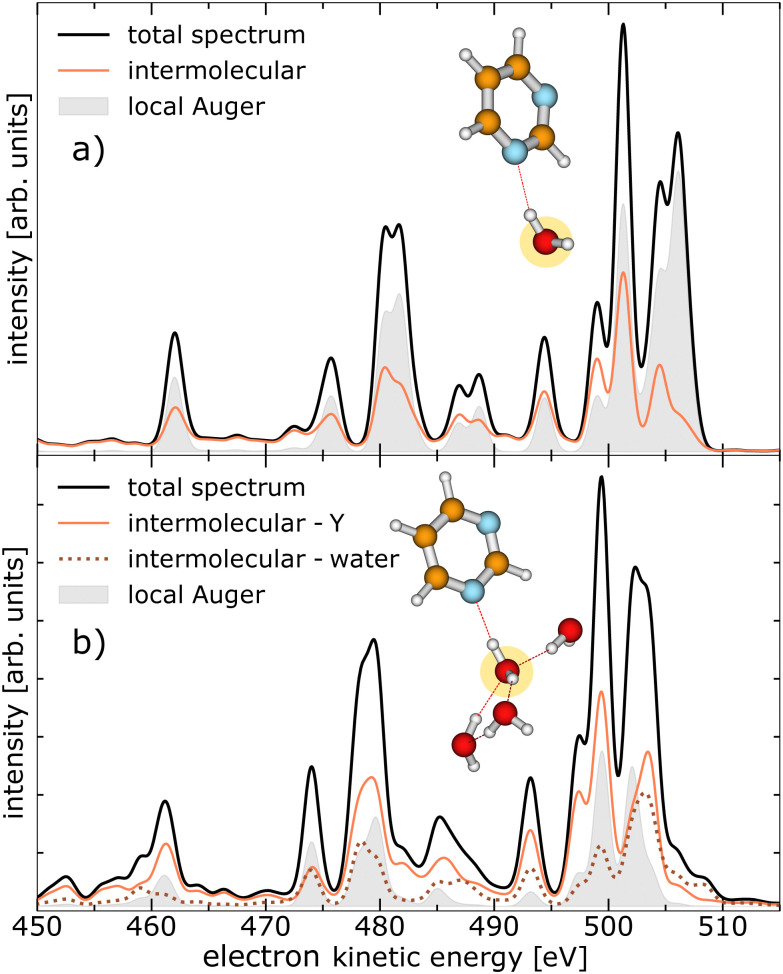 Figure 2
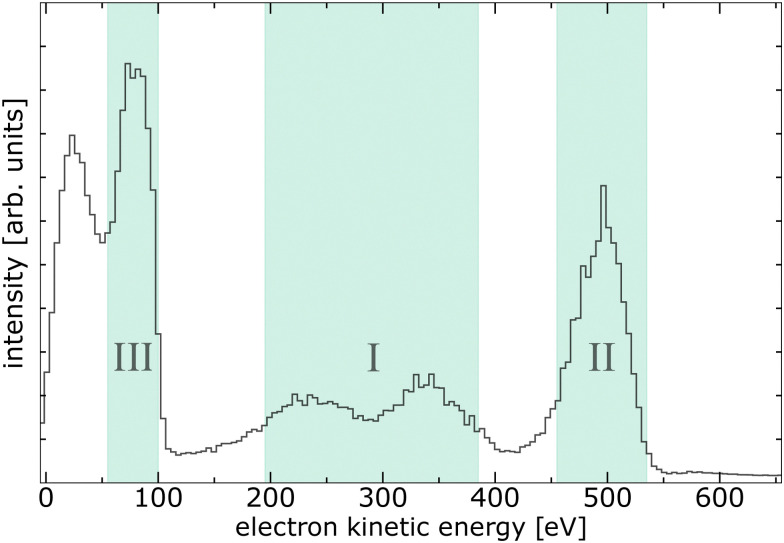 Figure 3
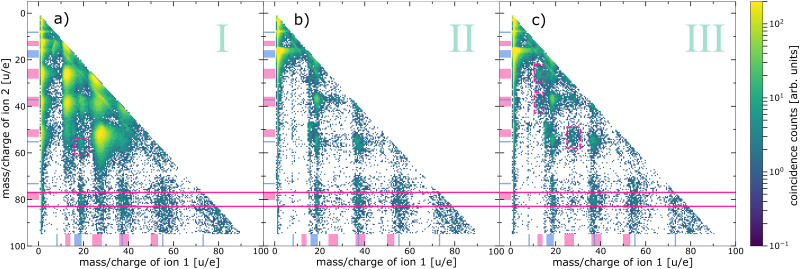 Figure 4
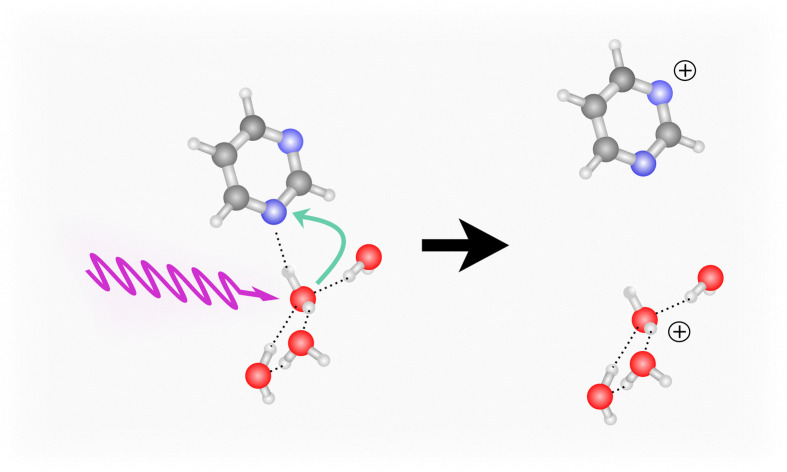 Figure 5
Peer Reviews
No public reviews on file for this paper yet. If you reviewed it on a platform where reviews are public (OpenReview, ICLR, NeurIPS, ICML), you can paste yours below so the community can read it here.
Videos
No videos yet. Explain this paper in a talk, walkthrough, or lecture? Add one.
Taxonomy
TopicsAdvanced Chemical Physics Studies · Spectroscopy and Quantum Chemical Studies · nanoparticles nucleation surface interactions