Combined genomic, transcriptomic, and metabolomic analyses provide insights into the fruit development of bottle gourd (Lagenaria siceraria)
Xuelian He, Yanyan Zheng, Songguang Yang, Ying Wang, Yu'e Lin, Biao Jiang, Dasen Xie, Wenrui Liu, Qingwu Peng, Jinhua Zuo, Min Wang

TL;DR
This study provides a high-quality genome for bottle gourd and uses combined analyses to understand fruit development processes like expansion and ripening.
Contribution
A nearly complete, gap-free genome assembly of bottle gourd and insights into its fruit development mechanisms through multi-omics analysis.
Findings
Amino acids and lipids accumulate during fruit expansion, while sugars and terpenoids increase during ripening.
GA4 and Aux/IAA genes mediate fruit expansion and maturation, while XTHs, EXPs, polyphenols, and alkaloids regulate cell wall remodeling.
GGAT2 correlates with glutamate, and SUS5 and SPS4 are linked to sucrose accumulation.
Abstract
Bottle gourd (Lagenaria siceraria (Molina) Standl) is a widely distributed Cucurbitaceae species, but gaps and low-quality assemblies have limited its genomic study. To address this, we assembled a nearly complete, high-quality genome of the bottle gourd (Pugua) using PacBio HiFi sequencing and Hi-C correction. The genome, being 298.67 Mb long with a ContigN50 of 28.55 Mb, was identified to possess 11 chromosomes, 11 centromeres, 18 telomeres, and 24 439 predicted protein-coding genes; notably, gap-free telomere-to-telomere assembly was accomplished for seven chromosomes. Based on the Pugua genome, the transcriptomic and metabolomic combined analyses revealed that amino acids and lipids accumulate during the expansion stage, while sugars and terpenoids increase during ripening. GA4 and genes of the Aux/IAA family mediate fruit expansion and maturation, while cell wall remodeling is…
Genes, proteins, chemicals, diseases, species, mutations and cell lines named across the full text — each resolved to its canonical identifier and authoritative record.
Click any figure to enlarge with its caption.
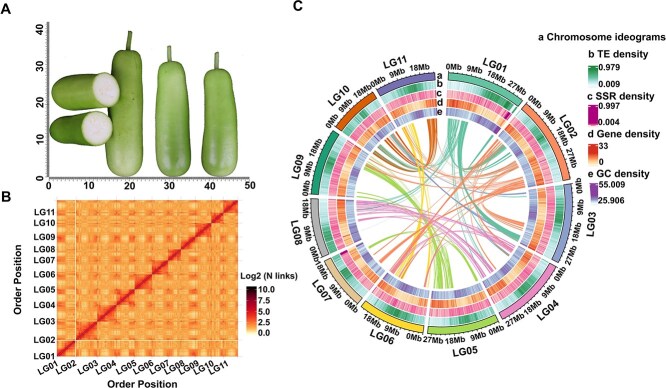 Figure 1
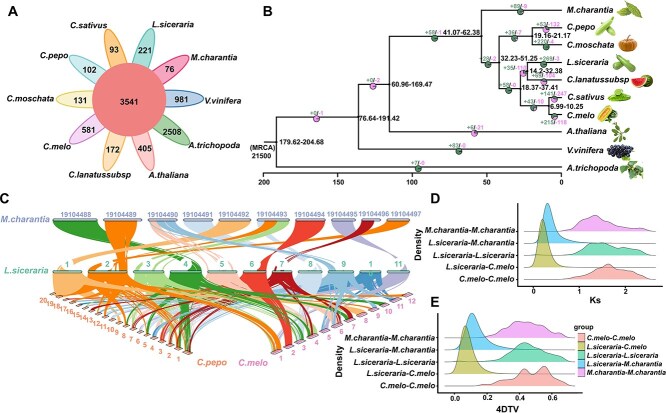 Figure 2
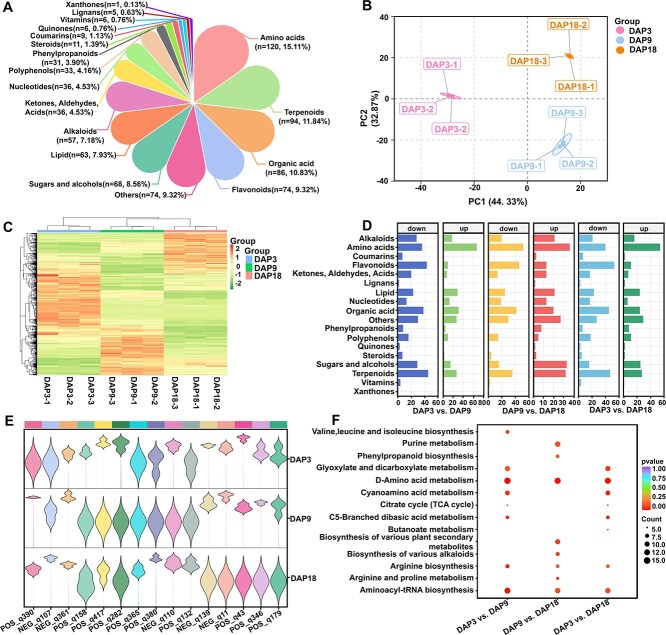 Figure 3
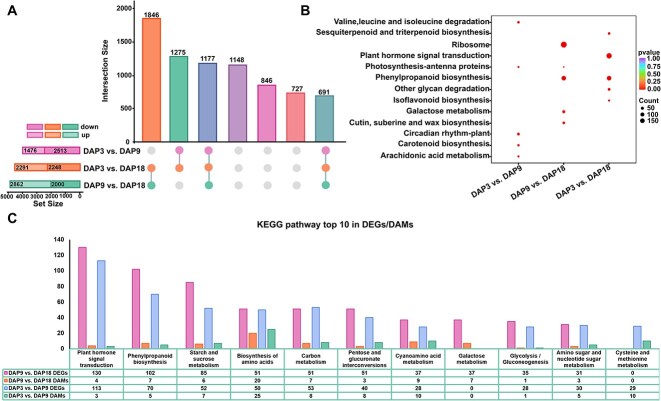 Figure 4
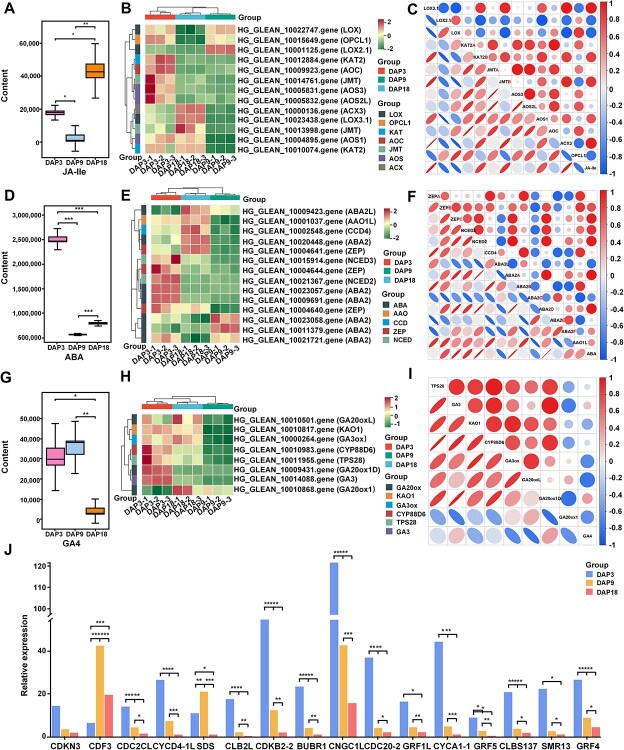 Figure 5
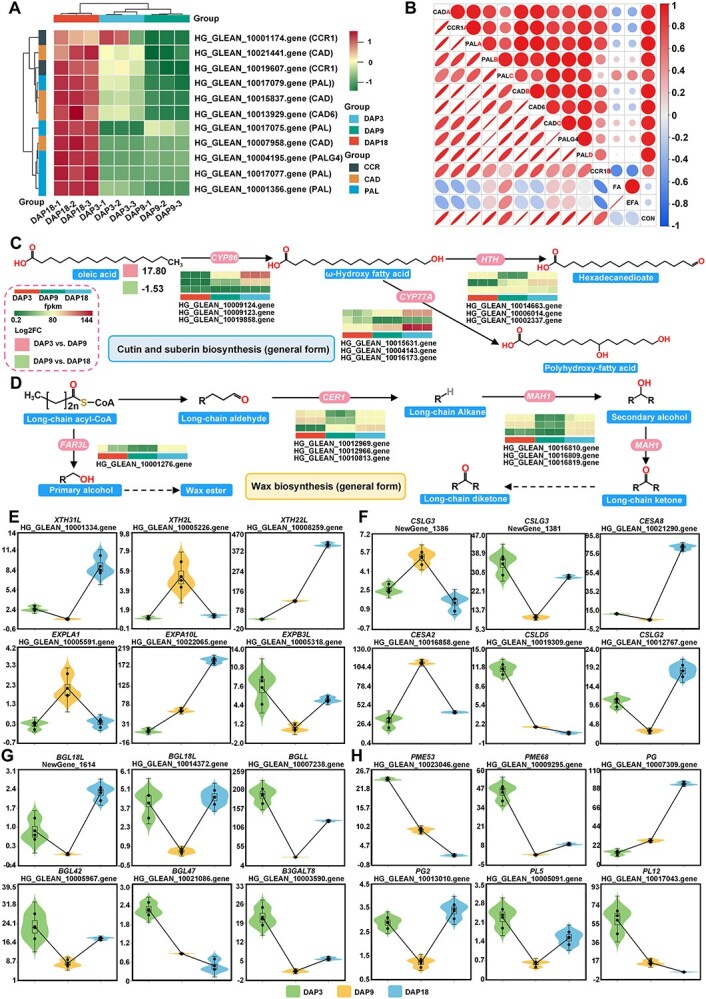 Figure 6
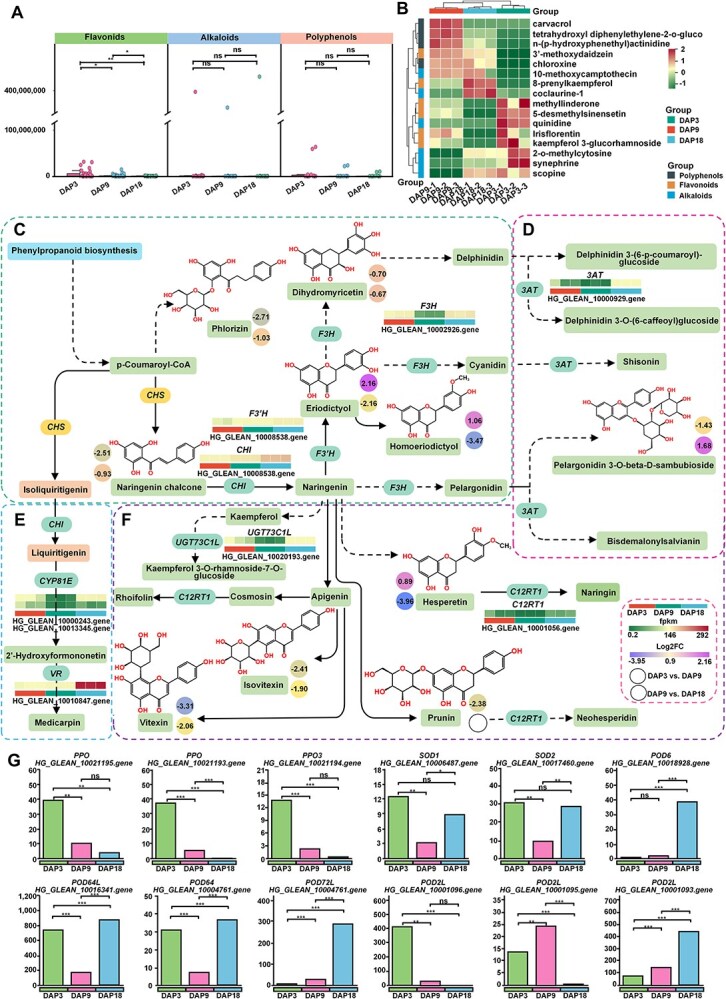 Figure 7
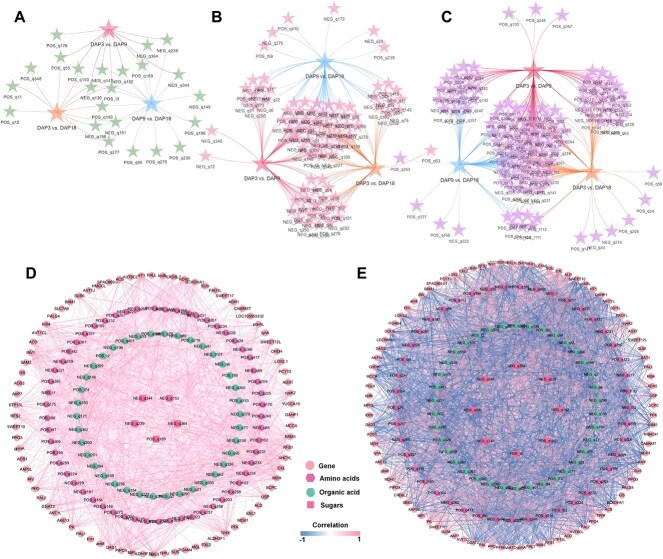 Figure 8
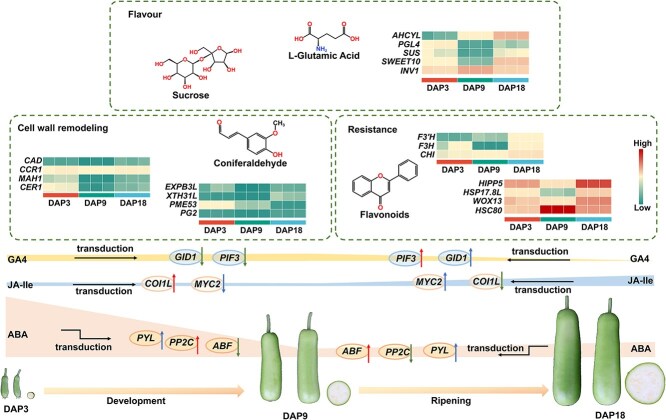 Figure 9
Peer Reviews
No public reviews on file for this paper yet. If you reviewed it on a platform where reviews are public (OpenReview, ICLR, NeurIPS, ICML), you can paste yours below so the community can read it here.
Videos
No videos yet. Explain this paper in a talk, walkthrough, or lecture? Add one.
Taxonomy
TopicsAdvances in Cucurbitaceae Research · Cocoa and Sweet Potato Agronomy · Powdery Mildew Fungal Diseases