The Results of Intestinal Villi of Laying Hens Exposed With Avian Pathogenic Escherichia coli (APEC) After Giving Citric Acid and Dextrose
Sunaryo Hadi Warsito, Mirni Lamid, M. Anam Al-Arif, Herry Agoes Hermadi, Emy Koestanti Sabdoningrum, Siti Rani Ayuti, Yan-Der Hsuuw

TL;DR
This study examines how citric acid and dextrose affect intestinal health in hens infected with a harmful bacteria, suggesting higher doses may not be beneficial.
Contribution
The study evaluates the impact of citric acid and dextrose mixtures on APEC-infected laying hens, revealing dosage-related effects on intestinal villi.
Findings
Higher concentrations of citric acid and dextrose showed less improvement in intestinal villi health.
Lower doses of the mixture correlated with better intestinal villi appearance in infected hens.
The study suggests the need for further research on lower doses for effective APEC control.
Abstract
The condition known as colibacillosis is still very common in Indonesia, which means that laying hens affected by it are unable to achieve their peak egg production phase. Instead, their egg production is delayed and more susceptible to infection by other diseases. The goal of this study is to determine if the mixture of citric acid and dextrose can inhibit the growth of Avian Pathogenic Escherichia coli (APEC) bacteria in laying hens, ultimately leading to the control of colibacillosis cases in Indonesia. A total of 240 laying hen heads in all were split up into 6 treatments, each with 40 replications.The group received the following treatments: T0 is a treatment for laying hens free of APEC infection and they are given no drink that contains any mixture of citric acid and dextrose. T0 (−) is a treatment for laying hens free of APEC infection but a drink mixture of citric acid and…
Genes, proteins, chemicals, diseases, species, mutations and cell lines named across the full text — each resolved to its canonical identifier and authoritative record.
Click any figure to enlarge with its caption.
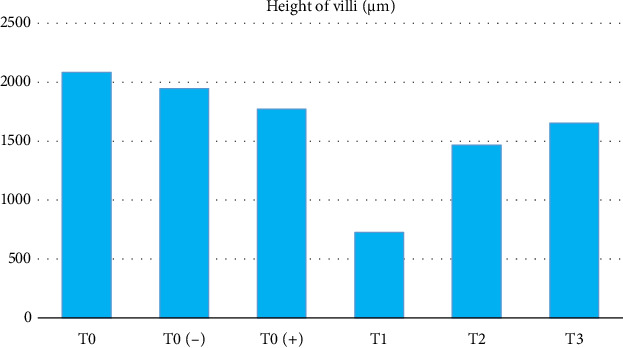 Figure 1
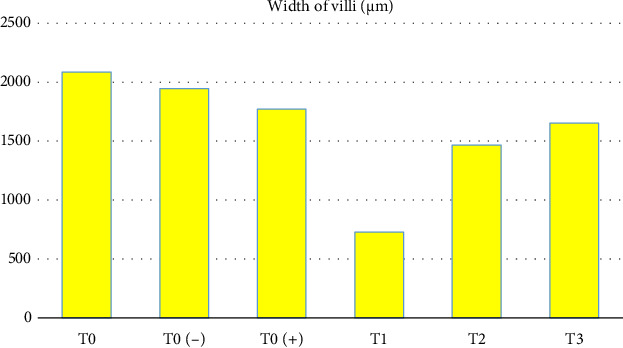 Figure 2
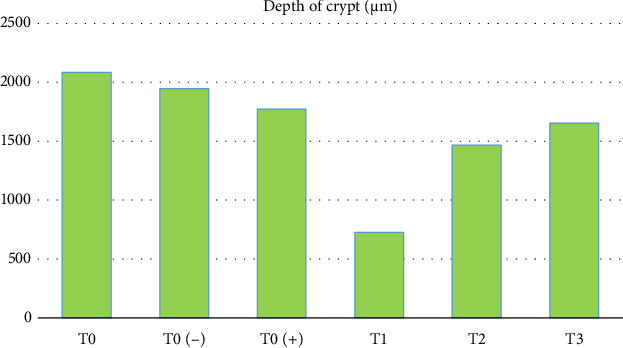 Figure 3
Peer Reviews
No public reviews on file for this paper yet. If you reviewed it on a platform where reviews are public (OpenReview, ICLR, NeurIPS, ICML), you can paste yours below so the community can read it here.
Videos
No videos yet. Explain this paper in a talk, walkthrough, or lecture? Add one.
Taxonomy
TopicsProbiotics and Fermented Foods · Animal Nutrition and Physiology · Gut microbiota and health