The Shu complex interacts with the replicative helicase to prevent mutations and aberrant recombination
Adeola A Fagunloye, Alessio De Magis, Jordan H Little, Isabela Contreras, Tanis J Dorwart, Braulio Bonilla, Kushol Gupta, Nathan Clark, Theresa Zacheja, Katrin Paeschke, Kara A Bernstein

TL;DR
The Shu complex interacts with replication machinery to prevent DNA damage-induced mutations and recombination during replication.
Contribution
The study reveals that the Shu complex interacts with replication initiation complexes ORC and MCM to prevent DNA damage.
Findings
The Shu complex binds to replication origins and interacts with the MCM and ORC complexes.
The Shu complex interaction with replication complexes is essential for DNA damage resistance and preventing mutations.
The interaction occurs independently of recombinase proteins Rad51 and Rad52.
Abstract
Homologous recombination (HR) is important for DNA damage tolerance during replication. The yeast Shu complex, a conserved homologous recombination factor, prevents replication-associated mutagenesis. Here we examine how yeast cells require the Shu complex for coping with MMS-induced lesions during DNA replication. We find that Csm2, a subunit of the Shu complex, binds to autonomous-replicating sequences (ARS) in yeast. Further evolutionary studies reveal that the yeast and human Shu complexes have co-evolved with specific replication-initiation factors. The connection between the Shu complex and replication is underlined by the finding that the Shu complex interacts with the ORC and MCM complexes. For example, the Shu complex interacts, independent of other HR proteins, with the replication initiation complexes through the N-terminus of Psy3. Lastly, we show interactions between the…
Genes, proteins, chemicals, diseases, species, mutations and cell lines named across the full text — each resolved to its canonical identifier and authoritative record.
Click any figure to enlarge with its caption.
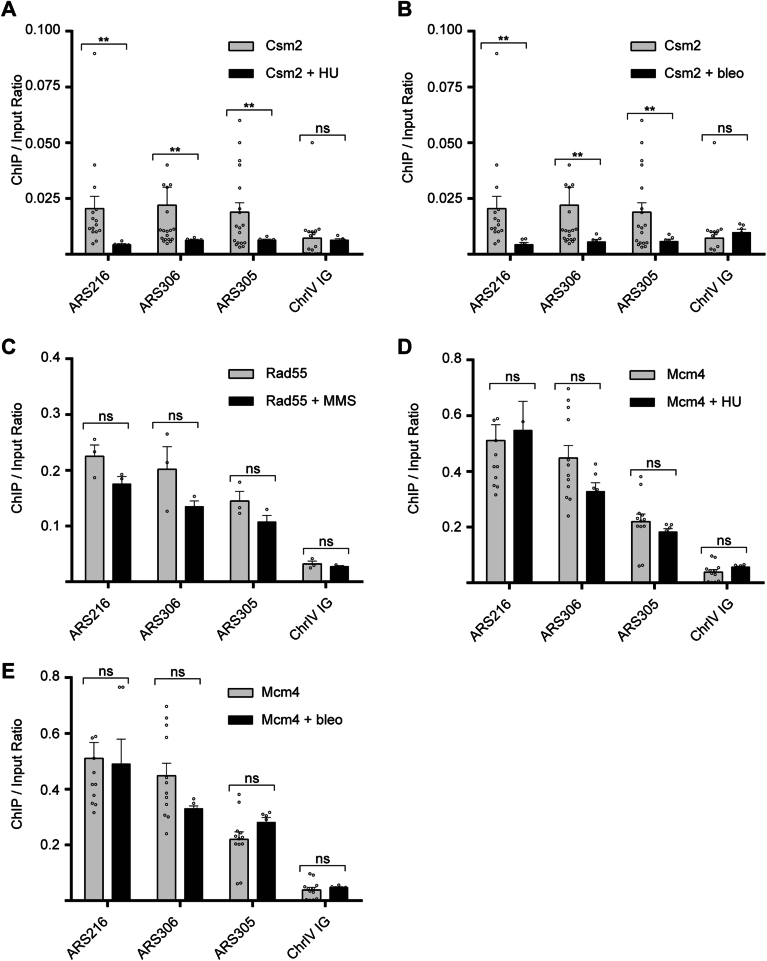 Figure 10
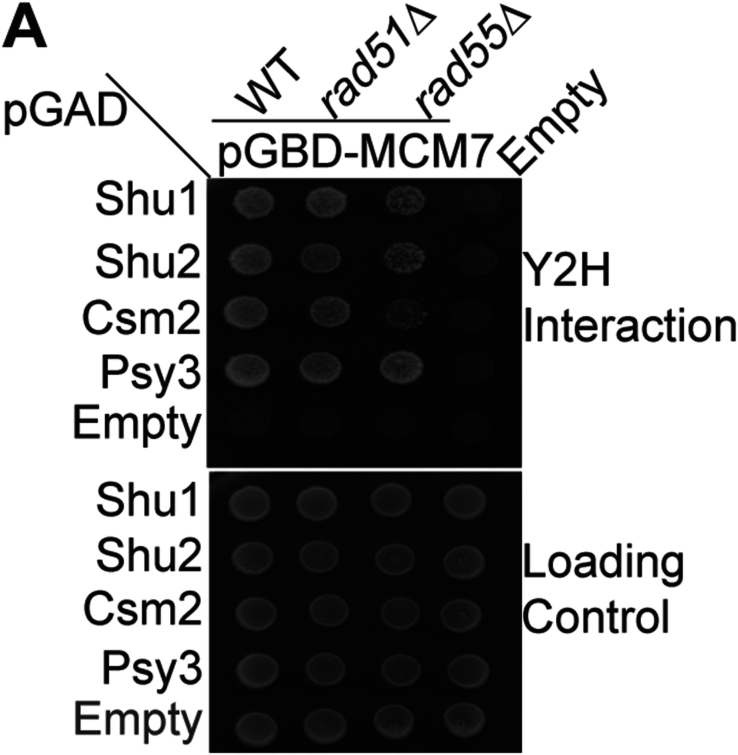 Figure 11
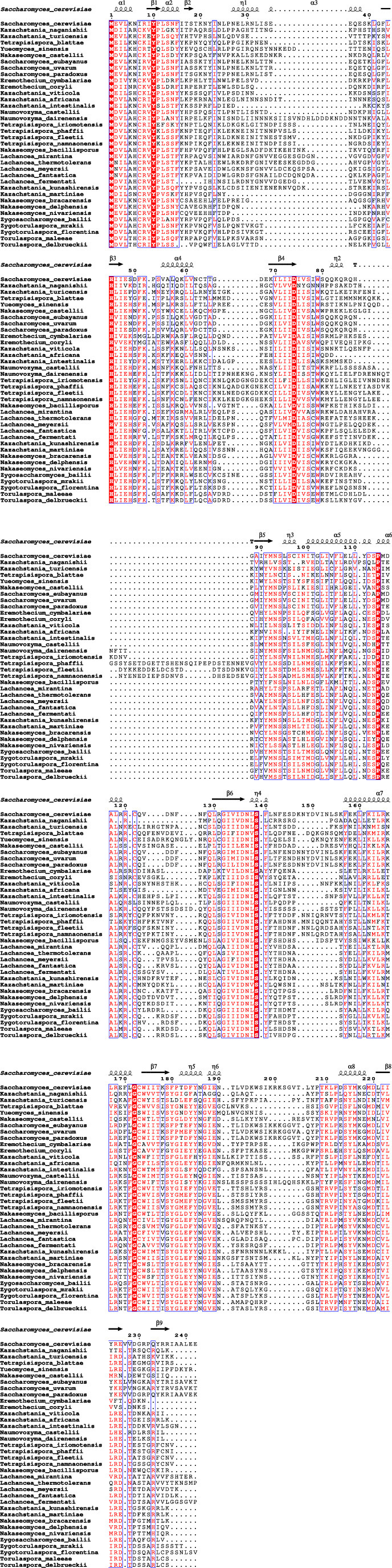 Figure 12
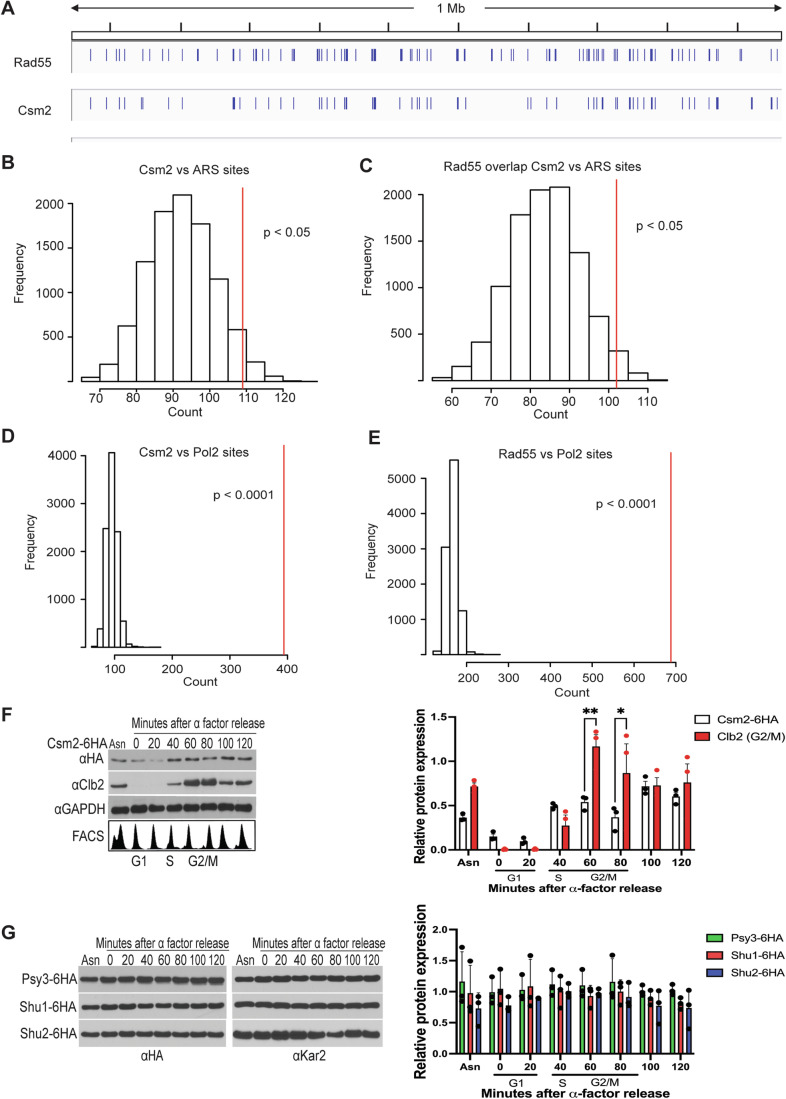 Figure 1
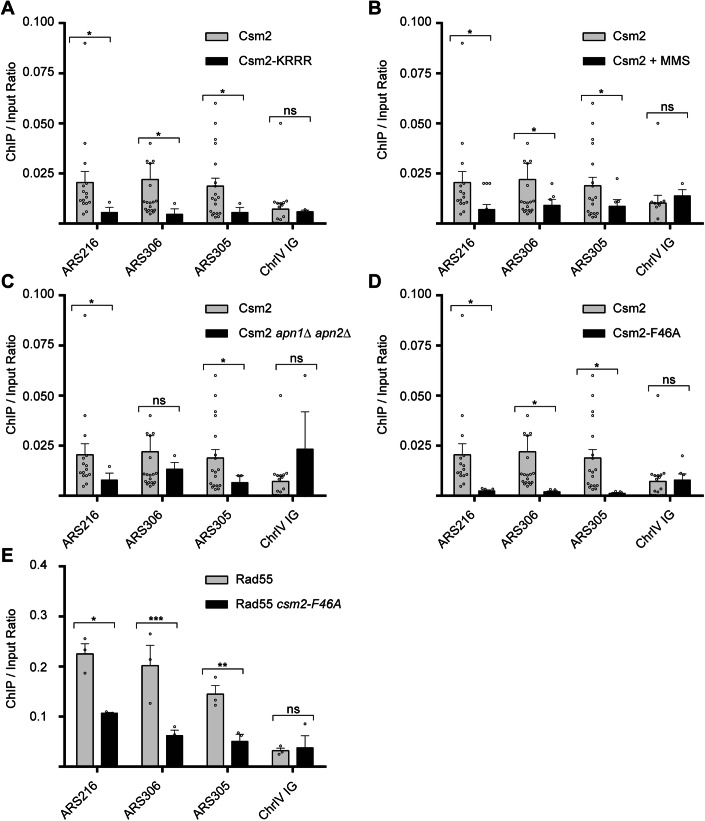 Figure 2
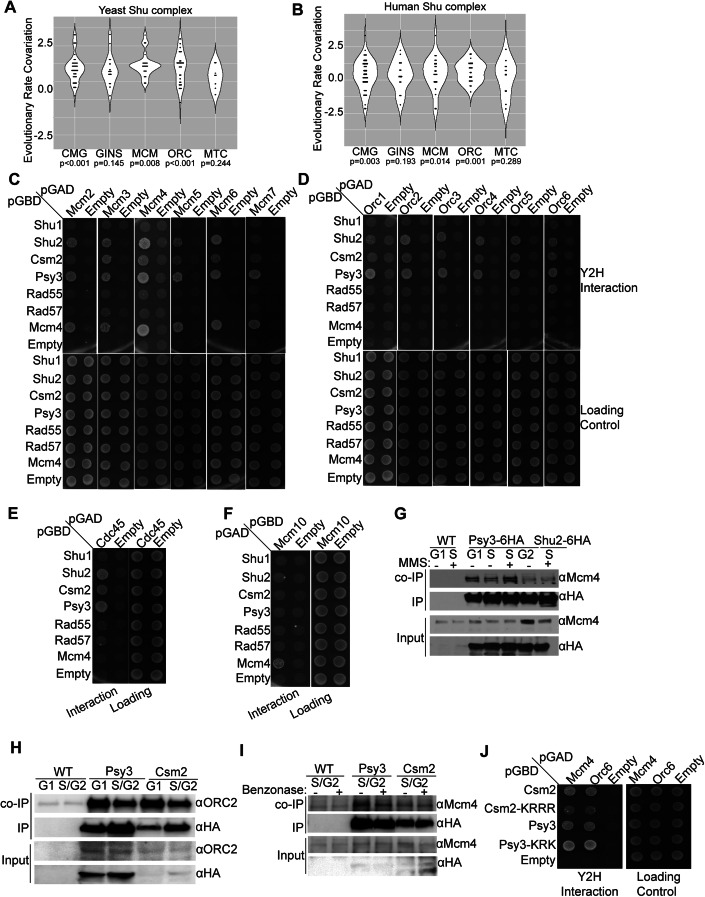 Figure 3
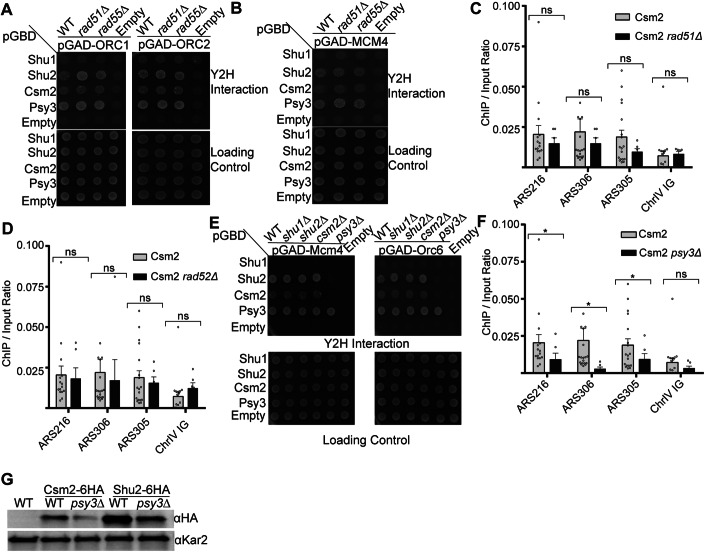 Figure 4
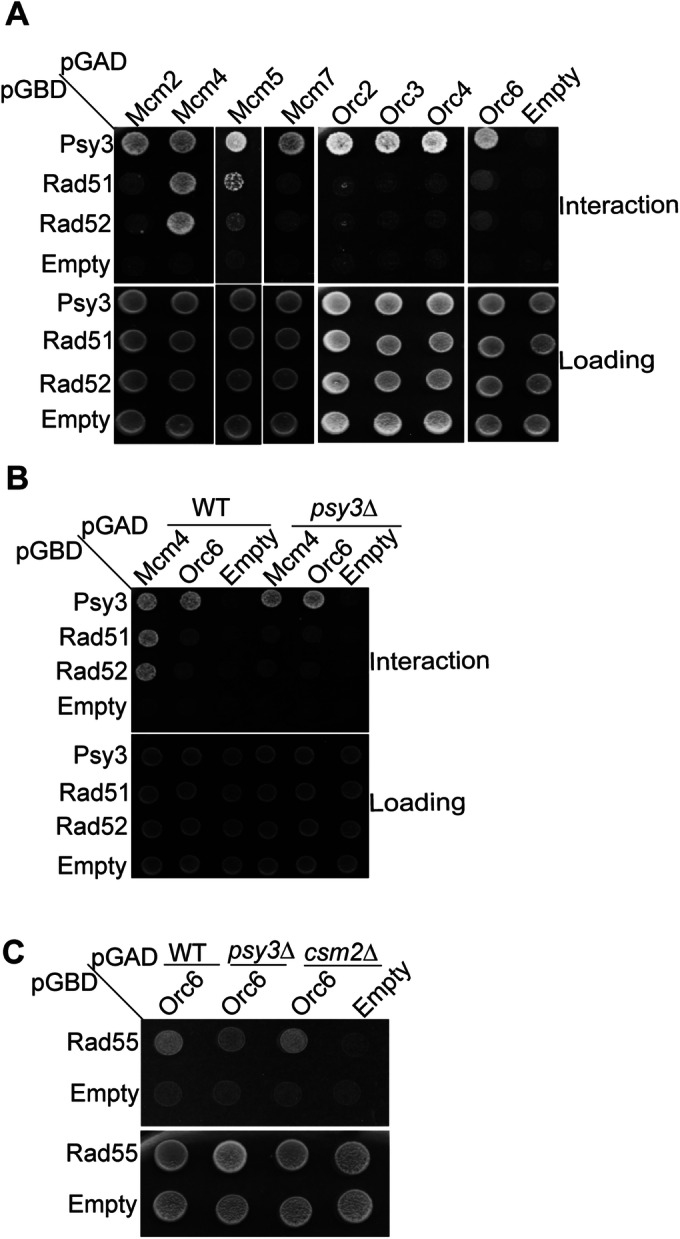 Figure 5
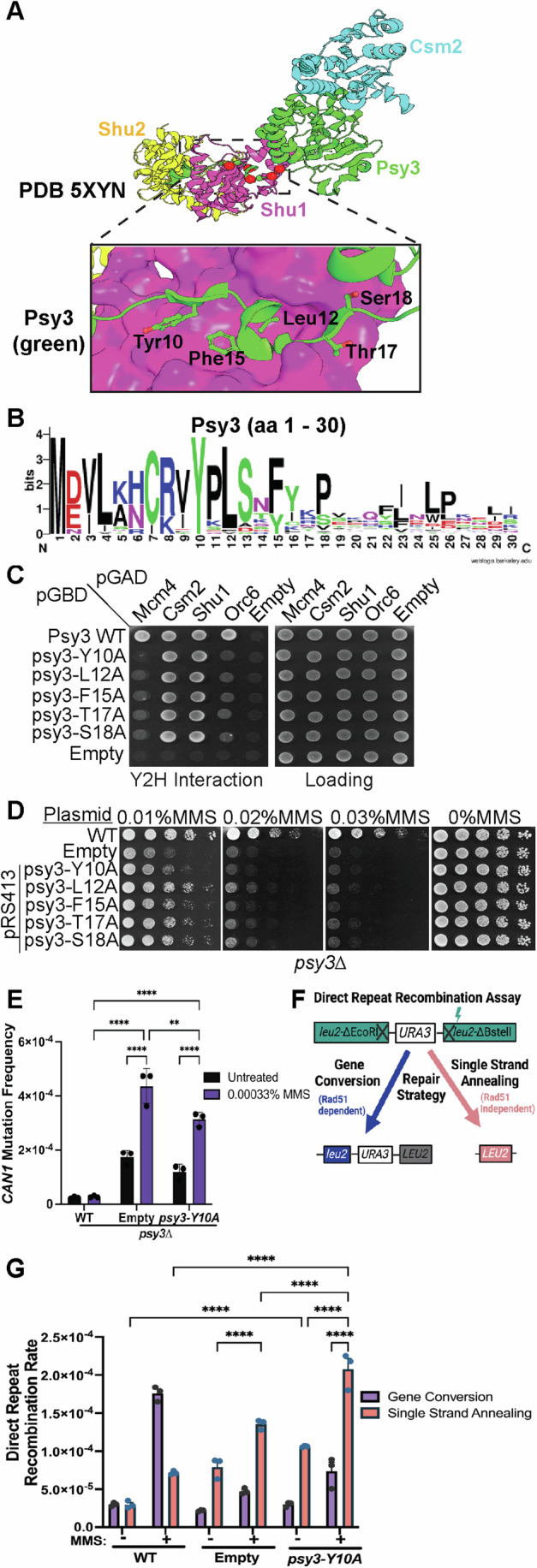 Figure 6
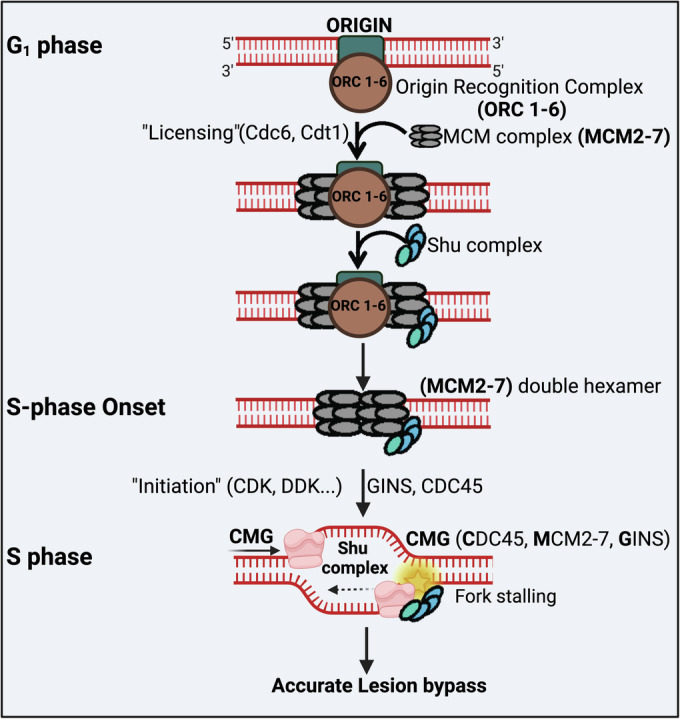 Figure 7
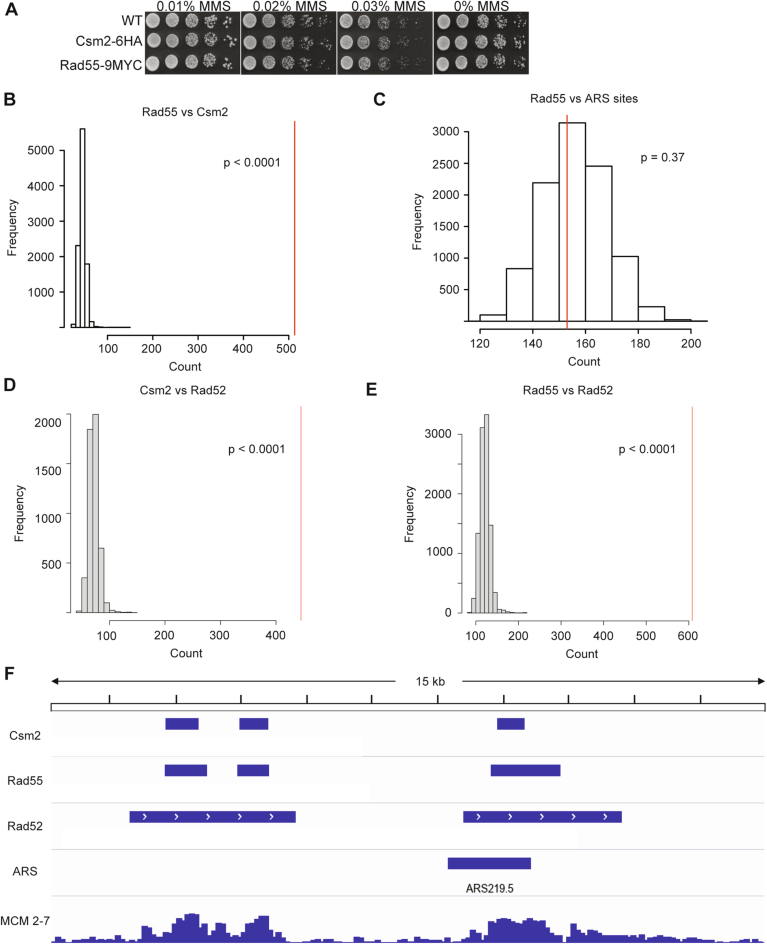 Figure 8
 Figure 9
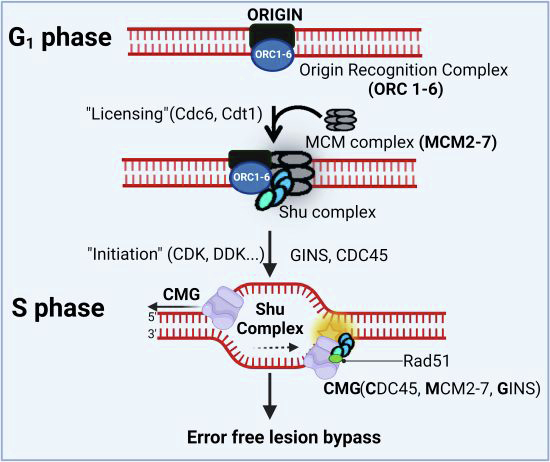 Figure 13
 Figure 14
Peer Reviews
No public reviews on file for this paper yet. If you reviewed it on a platform where reviews are public (OpenReview, ICLR, NeurIPS, ICML), you can paste yours below so the community can read it here.
Videos
No videos yet. Explain this paper in a talk, walkthrough, or lecture? Add one.
Taxonomy
TopicsDNA Repair Mechanisms · CRISPR and Genetic Engineering · Photosynthetic Processes and Mechanisms