Tick-borne encephalitis in adults in Denmark: a nationwide prospective cohort study from 2015 to 2023
Anna Maria Florescu, Thomas Bryrup, Carsten Schade Larsen, Lykke Larsen, Lothar Wiese, Hans Rudolf Lüttichau, Micha Phill Grønholm Jepsen, Birgitte Rønde Hansen, Christian Østergaard, Anja Vad Søndergaard, Peter H. S. Andersen, Lasse Skafte Vestergaard, Ria Lassaunière

TL;DR
This study analyzed adult tick-borne encephalitis cases in Denmark from 2015 to 2023, finding increased incidence and identifying key clinical features and outcomes.
Contribution
The study provides a nationwide prospective analysis of TBE in Denmark, including incidence trends and comparison with HSV-1 encephalitis outcomes.
Findings
The incidence of TBE in Denmark increased from 0.03/100,000 in 2015 to 0.48/100,000 in 2023.
At 3-month follow-up, 32% of TBE patients had an unfavorable outcome compared to 75% in the HSV-1 cohort.
Common residual symptoms included headache, cognitive impairment, and fatigue.
Abstract
Our aim was to characterize the clinical presentation and outcome in adults with tick-borne encephalitis (TBE) and to determine the incidence and test activity of TBE in Denmark. A nationwide prospective cohort study of all adults hospitalized with TBE at departments of infectious diseases in Denmark from 2015 to 2023. An age- and sex-matched cohort of herpes simplex virus type 1 (HSV-1) encephalitis patients was included to compare outcome. Fifty-two patients with TBE were included. Median age was 50 years, 32/52 (62%) were men, 1/52 (2%) was fully vaccinated against TBE at the time of infection, 29/52 (56%) were infected in Denmark. Upon admission 25/52 (48%) had meningitis, 27/52 (52%) encephalitis, three of the latter 3/52 (6%) with additional myelitis or radiculitis. Admission to the intensive care unit 6/52 (12%) and death 2/52 (4%) were associated with pre-existing…
Genes, proteins, chemicals, diseases, species, mutations and cell lines named across the full text — each resolved to its canonical identifier and authoritative record.
Click any figure to enlarge with its caption.
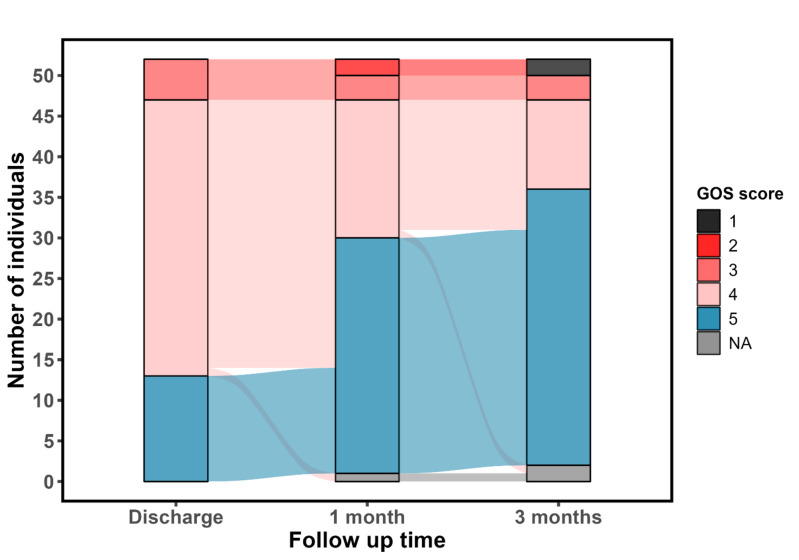 Figure 1
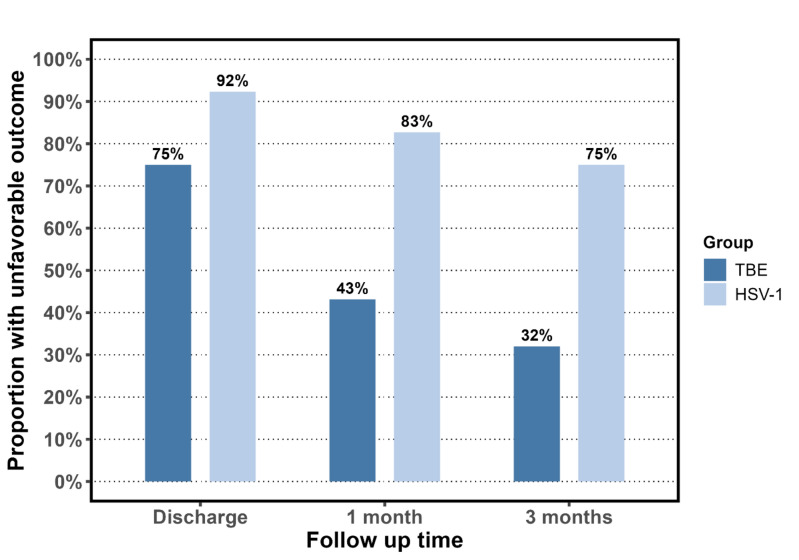 Figure 2
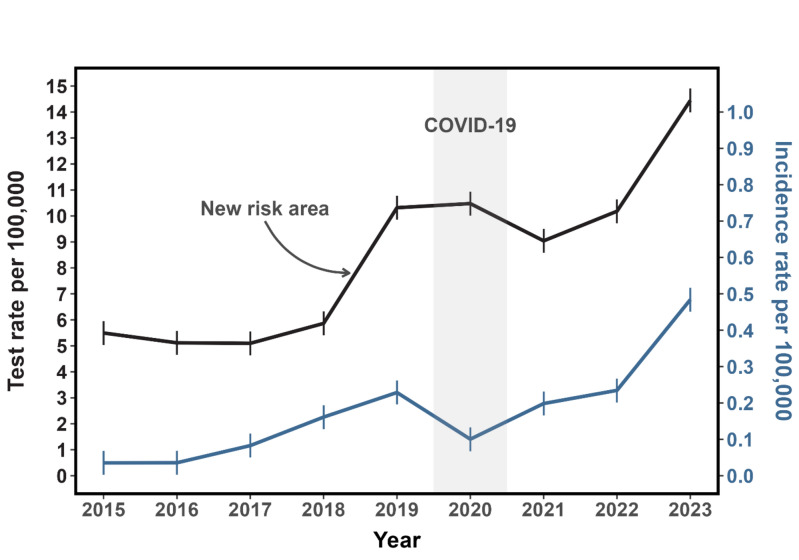 Figure 3
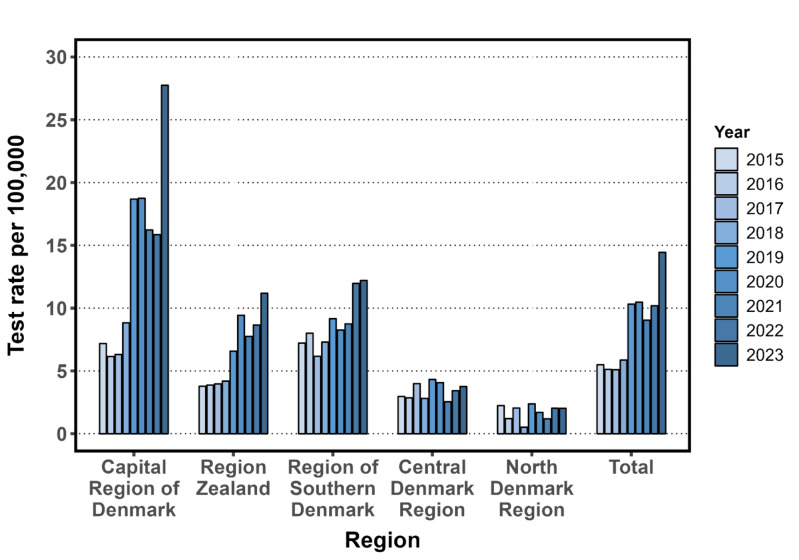 Figure 4
Peer Reviews
No public reviews on file for this paper yet. If you reviewed it on a platform where reviews are public (OpenReview, ICLR, NeurIPS, ICML), you can paste yours below so the community can read it here.
Videos
No videos yet. Explain this paper in a talk, walkthrough, or lecture? Add one.
Taxonomy
TopicsVector-borne infectious diseases · Mosquito-borne diseases and control · Yersinia bacterium, plague, ectoparasites research