Morphological and Chemical Changes in the Trophozoites and Cysts of Acanthamoeba Castellanii Induced by Camellia Sinensis Extracts
Lenu B. Fakae, Jizhou Zhong, Ka Lung Andrew Chan, Subbareddy Mekapothula, Gareth W. V. Cave, Xing-Quan Zhu, Carl W. Stevenson, Hany M. Elsheikha

TL;DR
This study shows that Camellia sinensis extracts can kill Acanthamoeba castellanii by disrupting its cell structure and inhibiting protein and nucleic acid synthesis.
Contribution
The study provides new insights into the amoebicidal effects of Camellia sinensis through detailed morphological and chemical analysis.
Findings
Camellia sinensis extract disrupts nuclear membrane integrity and causes chromatin degradation in Acanthamoeba trophozoites.
FTIR analysis indicates inhibition of protein synthesis in treated Acanthamoeba castellanii.
Exposure to Camellia sinensis reduces DNA and RNA levels, leading to trophozoite death.
Abstract
Acanthamoeba castellanii is an important opportunistic human protozoal pathogen that can cause both skin, ocular and brain infections. Recent studies have established that brews and solvent extract (SE) of green tea (Camellia sinensis) can inhibit the growth and encystation of A. castellanii. Here we characterized those growth and encystation inhibitions. Herein, we characterize of the morphological and chemical changes that occur in the trophozoites and the encysting stage of A. castellanii after exposure to C. sinensis SE and brew using Transmission electron microscopy (TEM), Fourier-transform infrared (FTIR) microspectroscopy and fluorescence-based assays. TEM showed ultrastructural changes in both A. castellanii stages. FTIR microspectroscopy revealed modifications of amide I and II band peaks in the C. sinensis-treated trophozoites, suggesting an inhibition of protein synthesis.…
Genes, proteins, chemicals, diseases, species, mutations and cell lines named across the full text — each resolved to its canonical identifier and authoritative record.
Click any figure to enlarge with its caption.
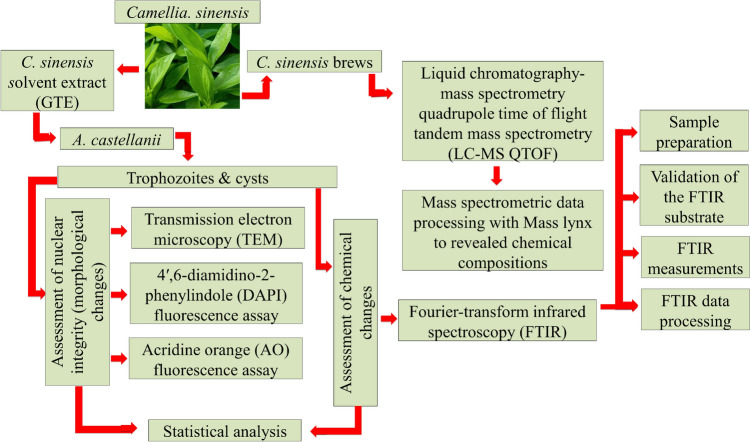 Figure 1
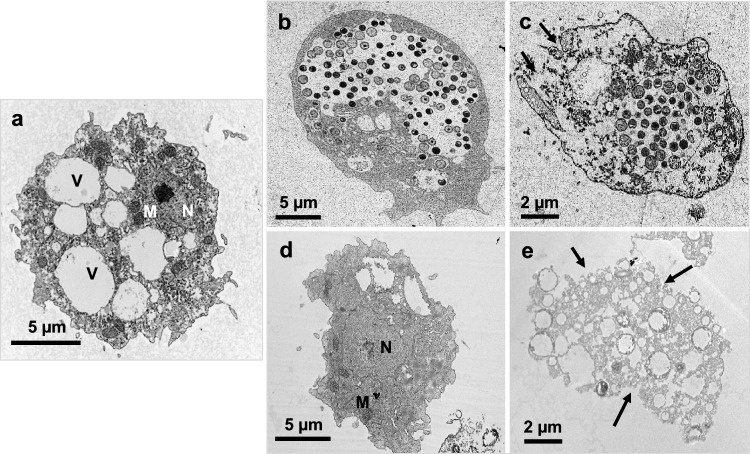 Figure 2
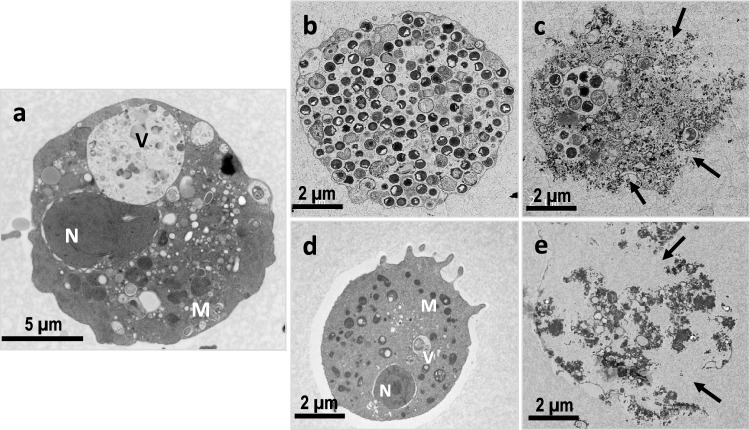 Figure 3
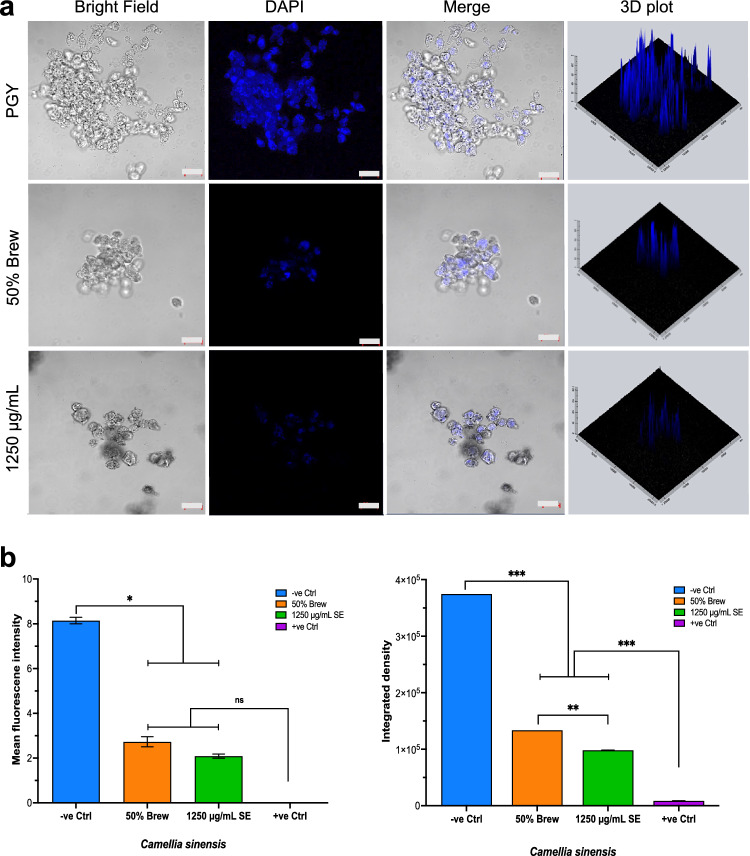 Figure 4
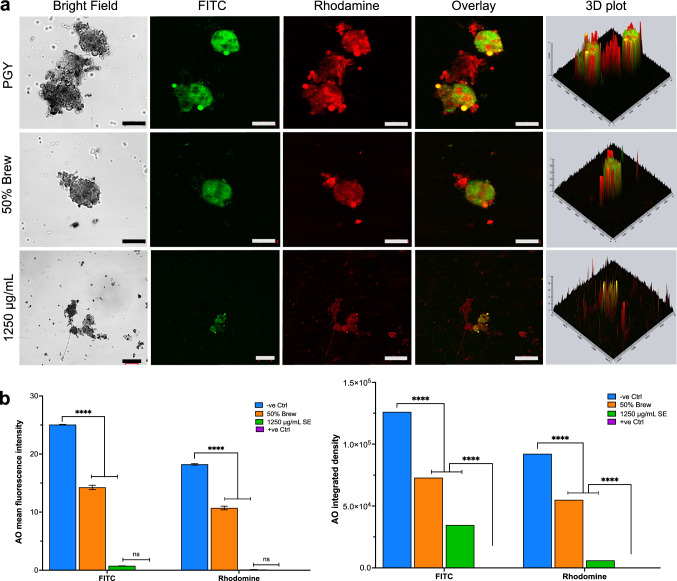 Figure 5
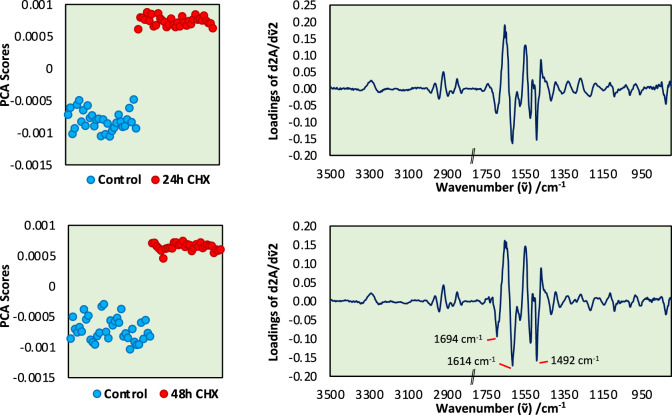 Figure 6
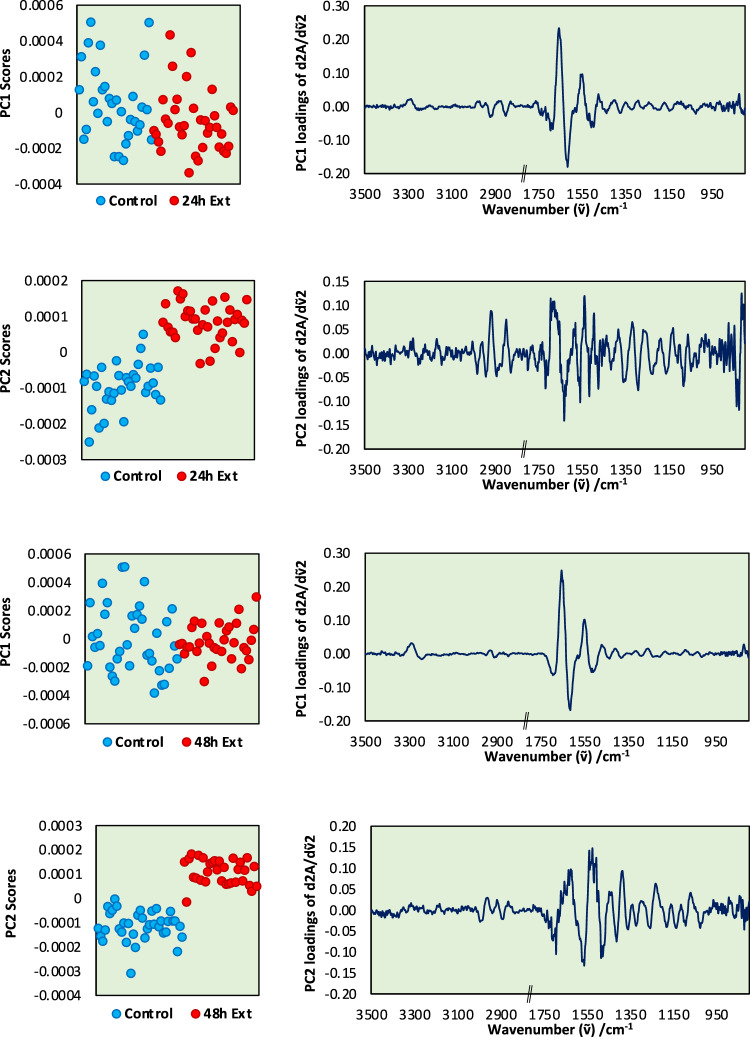 Figure 7
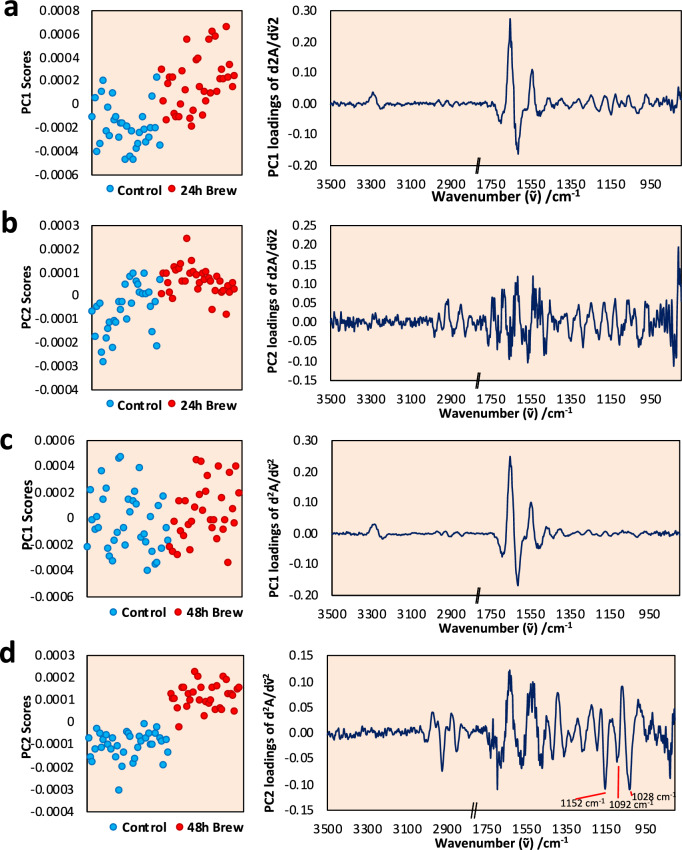 Figure 8
Peer Reviews
No public reviews on file for this paper yet. If you reviewed it on a platform where reviews are public (OpenReview, ICLR, NeurIPS, ICML), you can paste yours below so the community can read it here.
Videos
No videos yet. Explain this paper in a talk, walkthrough, or lecture? Add one.
Taxonomy
TopicsLegionella and Acanthamoeba research · Heme Oxygenase-1 and Carbon Monoxide · Neutrophil, Myeloperoxidase and Oxidative Mechanisms