A model for predicting bacteremia species based on host immune response
Peter Simons, Virginie Bondu, Laura Shevy, Stephen Young, Angela Wandinger-Ness, Cristian G. Bologa, Tione Buranda

TL;DR
This study presents a machine-learning model that uses immune response data to quickly identify bacterial species causing blood infections, potentially enabling faster treatment decisions.
Contribution
A novel machine-learning model combining immune cell activation and blood count data to predict bacteremia species.
Findings
18 of 28 bacteremia patients showed ≥3-fold increase in Rac1•GTP levels compared to controls.
Ten bacteremia patients displayed normal or reduced Rac1 GTPase activity, suggesting immunosuppression.
PLS-DA model effectively differentiated pathogen groups and showed predictive utility in external validation.
Abstract
Clinicians encounter significant challenges in quickly and accurately identifying the bacterial species responsible for patient bacteremia and in selecting appropriate antibiotics for timely treatment. This study introduces a novel approach that combines immune response data from routine blood counts with assessments of immune cell activation, specifically through quantitative measurements of Rho family GTPase activity. The combined data were used to develop a machine-learning model capable of distinguishing specific classes of bacteria and their associations. We aimed to determine whether different classes of bacteria elicit distinct patterns of host immune responses, as indicated by quantitative differences in leukocyte populations from routine complete blood counts with differential. Concurrently, we conducted quantitative measurements of activated Rac1 (Rac1•GTP) levels using a…
Genes, proteins, chemicals, diseases, species, mutations and cell lines named across the full text — each resolved to its canonical identifier and authoritative record.
Click any figure to enlarge with its caption.
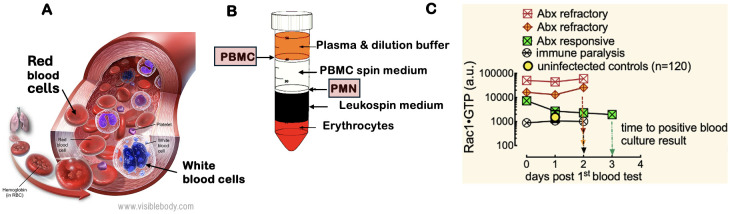 Figure 1
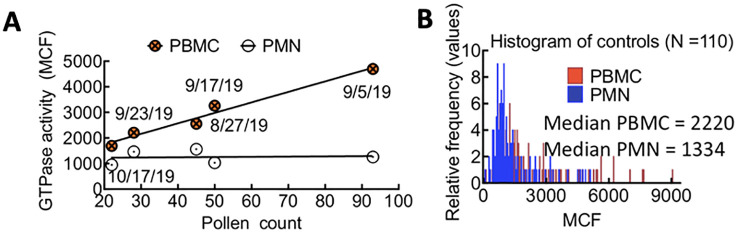 Figure 2
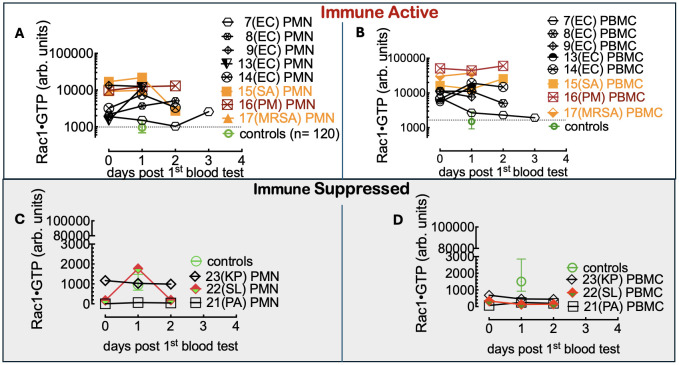 Figure 3
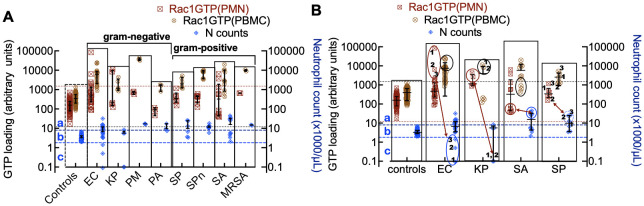 Figure 4
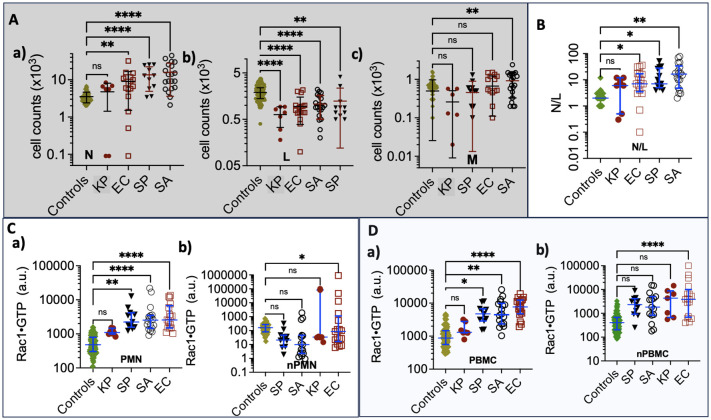 Figure 5
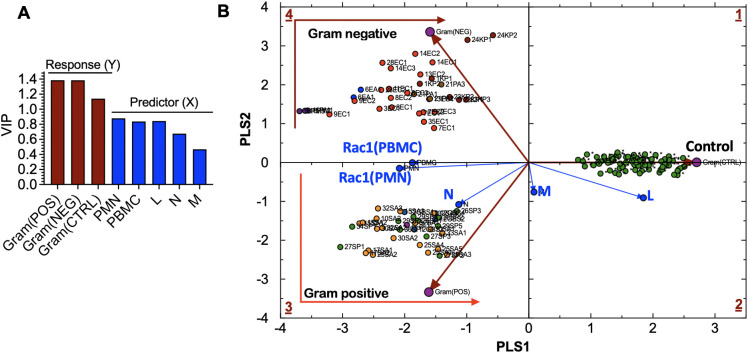 Figure 6
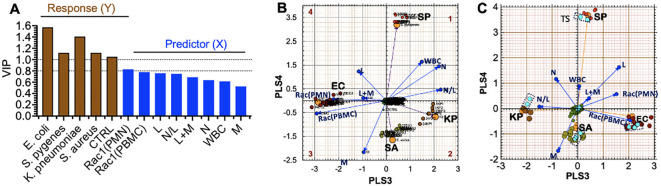 Figure 7
Peer Reviews
No public reviews on file for this paper yet. If you reviewed it on a platform where reviews are public (OpenReview, ICLR, NeurIPS, ICML), you can paste yours below so the community can read it here.
Videos
No videos yet. Explain this paper in a talk, walkthrough, or lecture? Add one.
Taxonomy
TopicsYersinia bacterium, plague, ectoparasites research · Machine Learning in Bioinformatics · Vibrio bacteria research studies