EndoGene database: reported genetic variants for 5,926 Russian patients diagnosed with endocrine disorders
Anton A. Buzdin, Marianna A. Zolotovskaia, Sergey A. Roumiantsev, Aleksandra G. Emelyanova, Olga O. Golounina, Polina A. Pugacheva, Daniil V. Luppov, Anastasia V. Kuzminyh, Arseniya O. Alexeeva, Anna A. Emelianova, Alexey L. Novoselov, Alina Matrosova, Anastasia A. Slepukhina

TL;DR
The EndoGene database contains genetic data from 5,926 Russian patients with endocrine disorders, offering insights into the genetic basis of these conditions.
Contribution
The novel contribution is the creation of a publicly accessible database with clinically relevant genetic variants from Russian patients with endocrine disorders.
Findings
The database includes 2,711 clinically relevant genetic variants identified in patients with 450 endocrine and related diseases.
Four custom genetic panels and whole exome sequencing were used to profile patients, covering thousands of genes.
The database provides genomic, technical, and clinical annotations for each reported variant.
Abstract
Endocrine system disorders are a serious public health burden and can be caused by deleterious genetic variants in single genes or by the combined effects of multiple variants along with environmental and lifestyle factors. The EndoGene database presents the results of next-generation sequencing assays used to genetically profile 5,926 patients who were diagnosed with 450 endocrine and concomitant diseases and were examined and treated at the National Medical Research Center for Endocrinology between November 2017 and January 2024. Among them, 494, 1,785, 692, and 1,941 patients were profiled using four internally developed genetic panels including 220, 250, 376, and 382 genes, respectively, selected based on a literature analysis and clinical recommendations, and 1,245 patients were profiled by whole exome sequencing covering 31,969 genes. 2,711 genetic variants were reported as…
Genes, proteins, chemicals, diseases, species, mutations and cell lines named across the full text — each resolved to its canonical identifier and authoritative record.
Click any figure to enlarge with its caption.
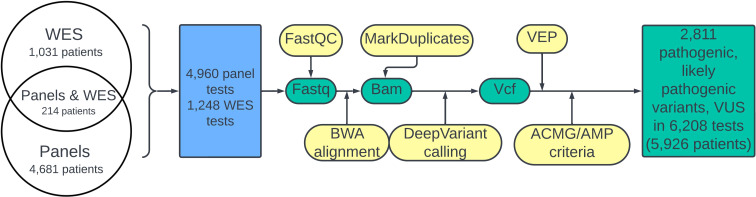 Figure 1
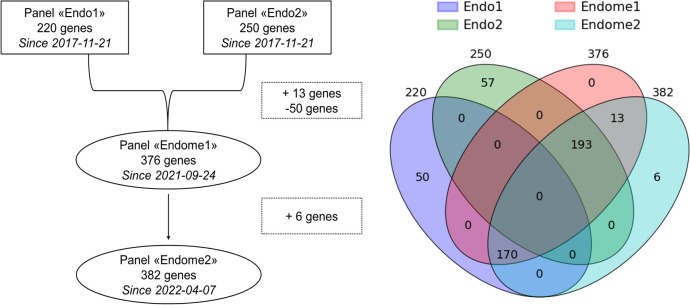 Figure 2
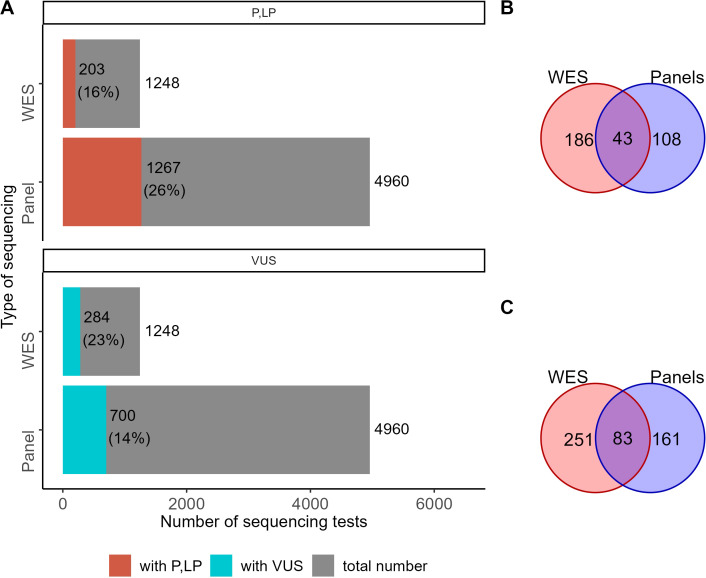 Figure 3
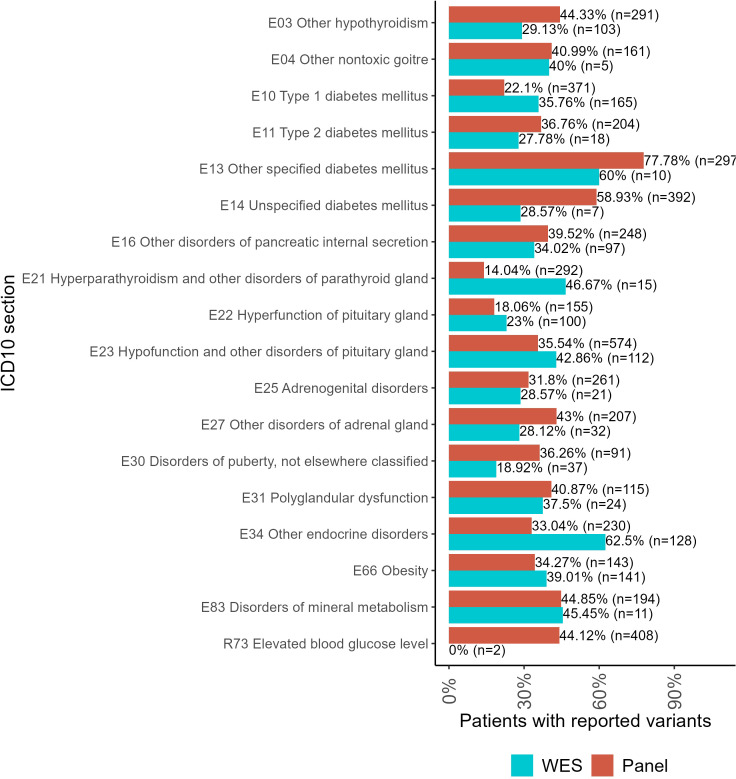 Figure 4
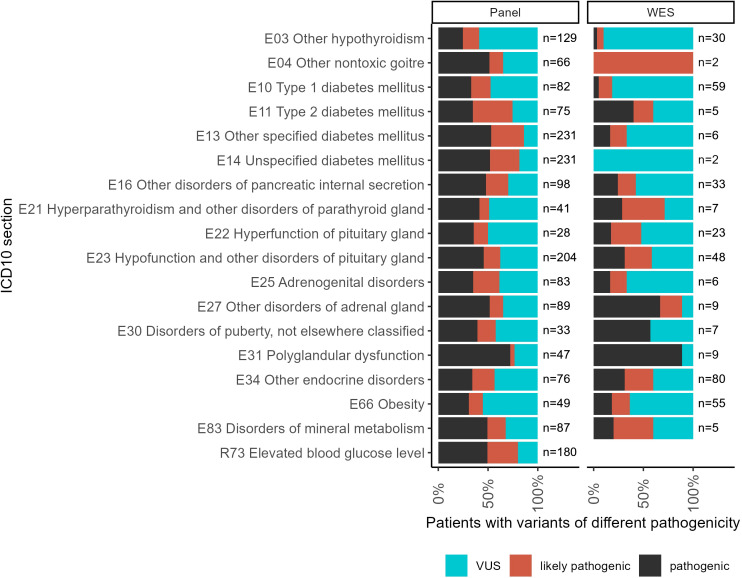 Figure 5
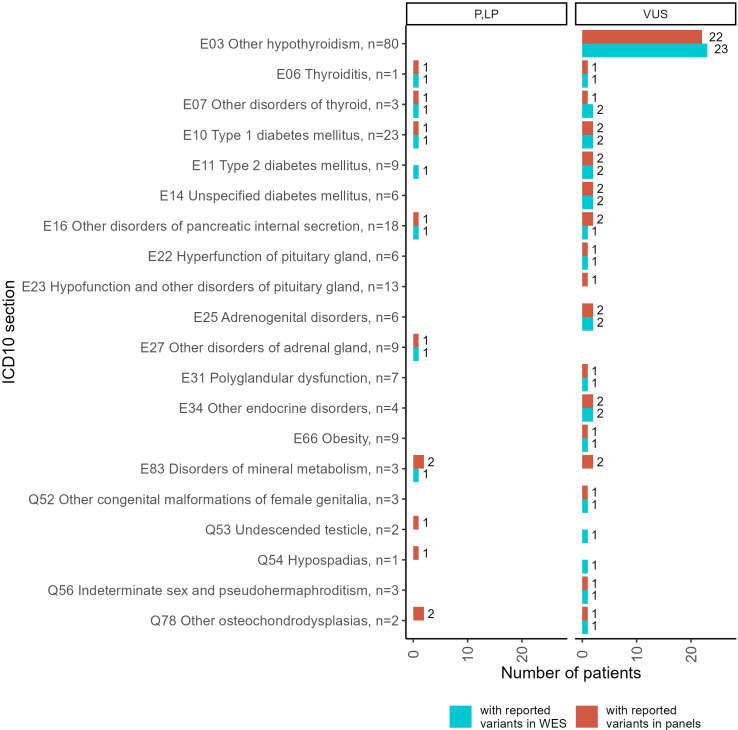 Figure 6
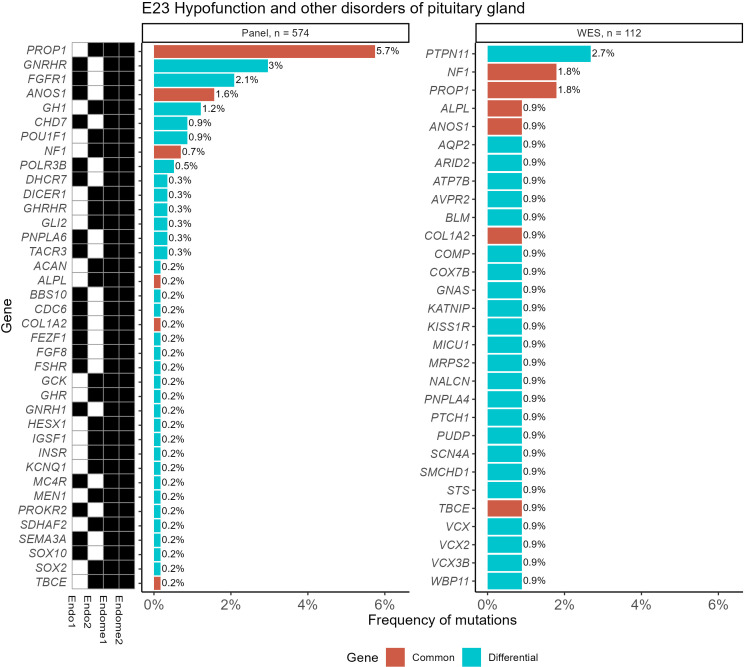 Figure 7
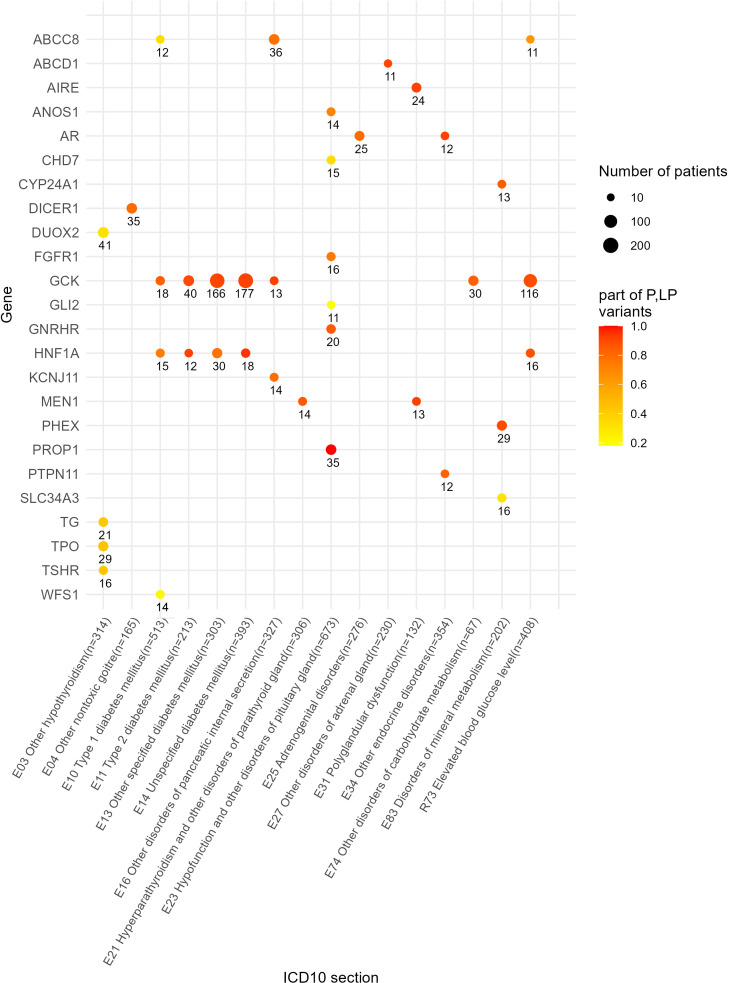 Figure 8
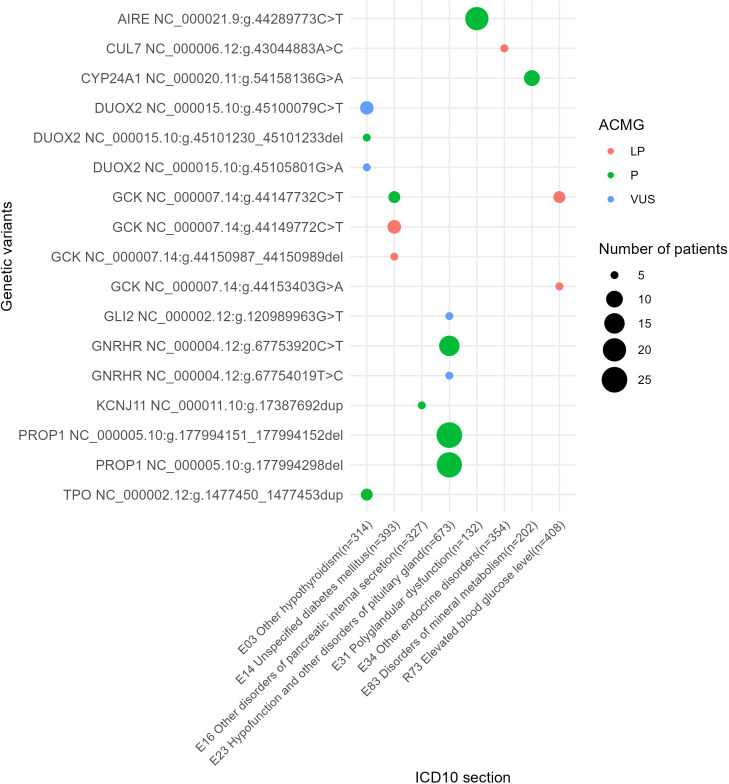 Figure 9
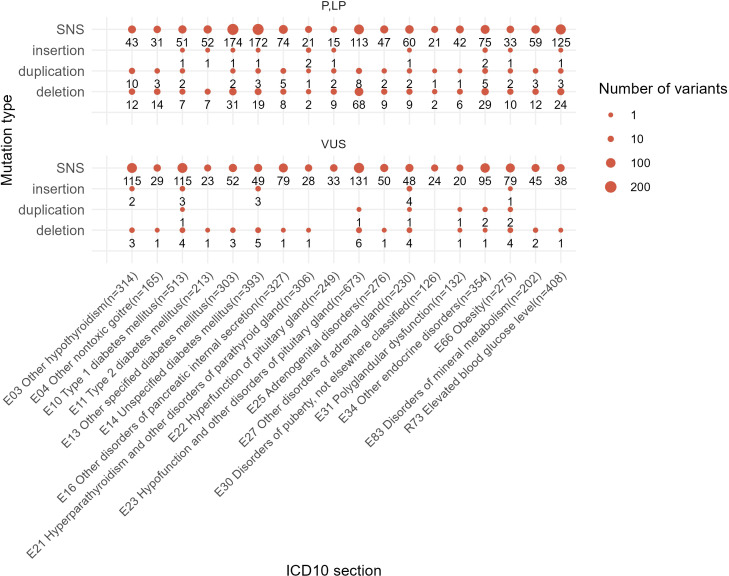 Figure 10
Peer Reviews
No public reviews on file for this paper yet. If you reviewed it on a platform where reviews are public (OpenReview, ICLR, NeurIPS, ICML), you can paste yours below so the community can read it here.
Videos
No videos yet. Explain this paper in a talk, walkthrough, or lecture? Add one.
Taxonomy
TopicsGenomics and Rare Diseases