Deoxybouvardin Glucoside Induces Apoptosis in Oxaliplatin-Sensitive and -Resistant Colorectal Cancer Cells via Reactive Oxygen Species-Mediated Activation of JNK and p38 MAPK
Seung-On Lee, Sang Hoon Joo, Jisu Park, Quan T. Khong, Si Yeong Seo, Goo Yoon, Jin Woo Park, MinKyun Na, Jung-Hyun Shim

TL;DR
Deoxybouvardin glucoside (DBG) kills both sensitive and resistant colorectal cancer cells by triggering cell death through specific molecular pathways.
Contribution
DBG induces apoptosis in oxaliplatin-resistant CRC cells via ROS-mediated activation of JNK and p38 MAPK.
Findings
DBG reduces cell viability and induces apoptosis in CRC cells.
ROS generation is essential for DBG-induced apoptosis, confirmed by NAC pretreatment.
DBG causes G2/M cell cycle arrest by modulating key regulatory proteins.
Abstract
The roots of Rubia spp. (Rubiaceae) have been employed to treat hematemesis, inflammatory disease, and tumor. Cyclohexapeptides derived from Rubia spp. have been reported to have antitumor potential; however, the mechanism of action for their antitumor activity remains unclear. We aimed to examine the antitumor effect of deoxybouvardin glucoside (DBG), a cyclohexapeptide from Rubia spp. on oxaliplatin (Ox)-resistant human HCT116 colorectal cancer (CRC) cells. Cell viability in the presence of DBG was monitored using an MTT viability assay, and flow cytometry was used to analyze changes in apoptosis, cell cycle, mitochondrial membrane potential (MMP), and reactive oxygen species (ROS) activity. The antiproliferative activity involved apoptosis and phosphorylation of JNK and p38 MAPK. Inhibition of JNK and p38 MAPK by specific inhibitors prevented DBG-induced apoptosis, underscoring the…
Genes, proteins, chemicals, diseases, species, mutations and cell lines named across the full text — each resolved to its canonical identifier and authoritative record.
Click any figure to enlarge with its caption.
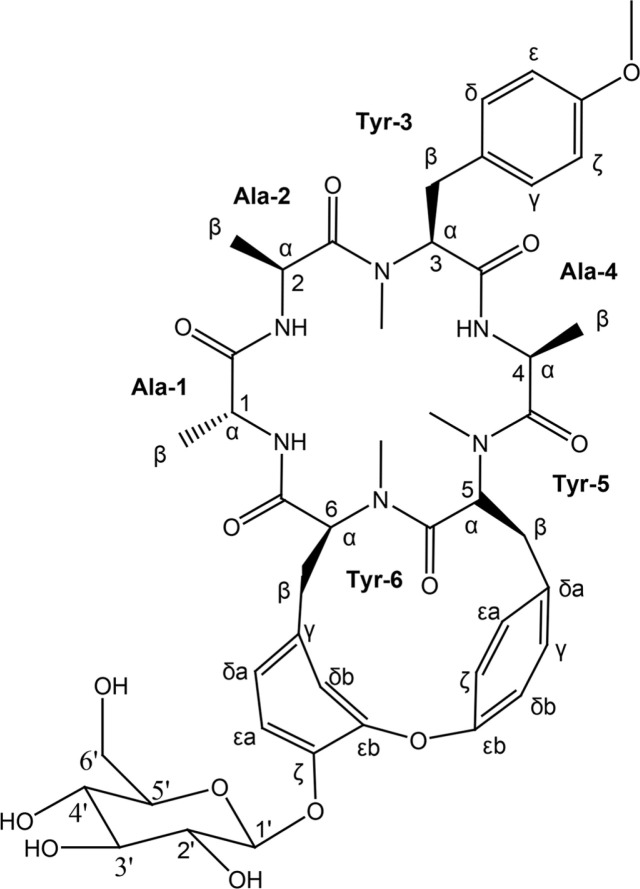 Figure 1
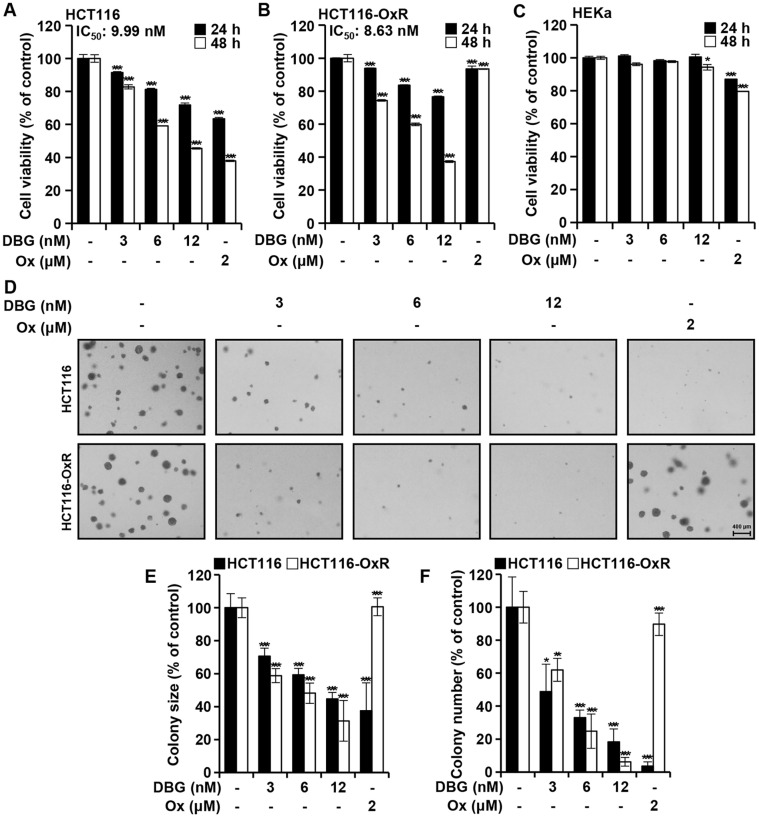 Figure 2
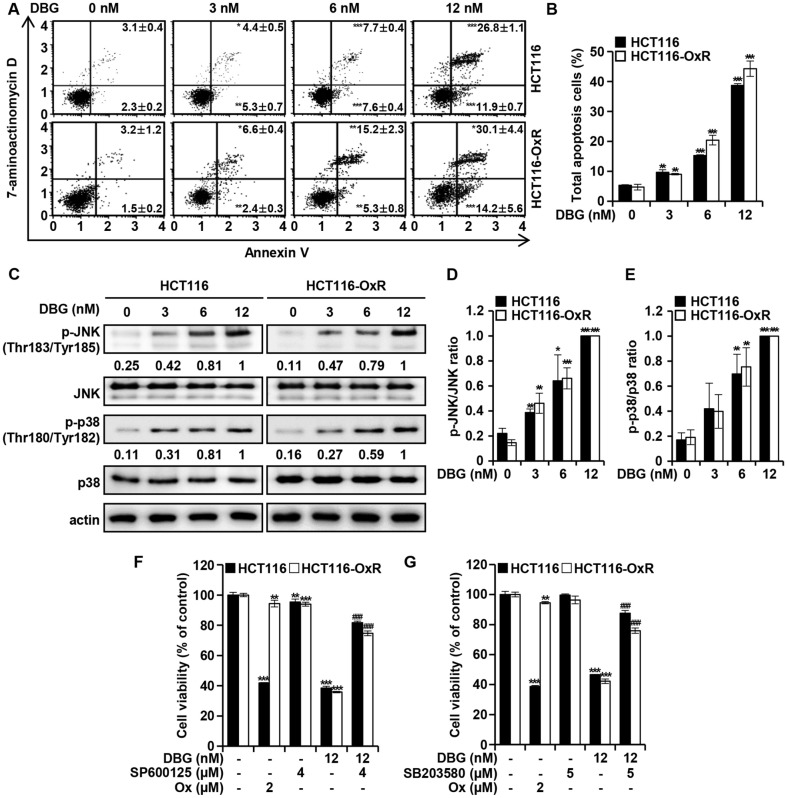 Figure 3
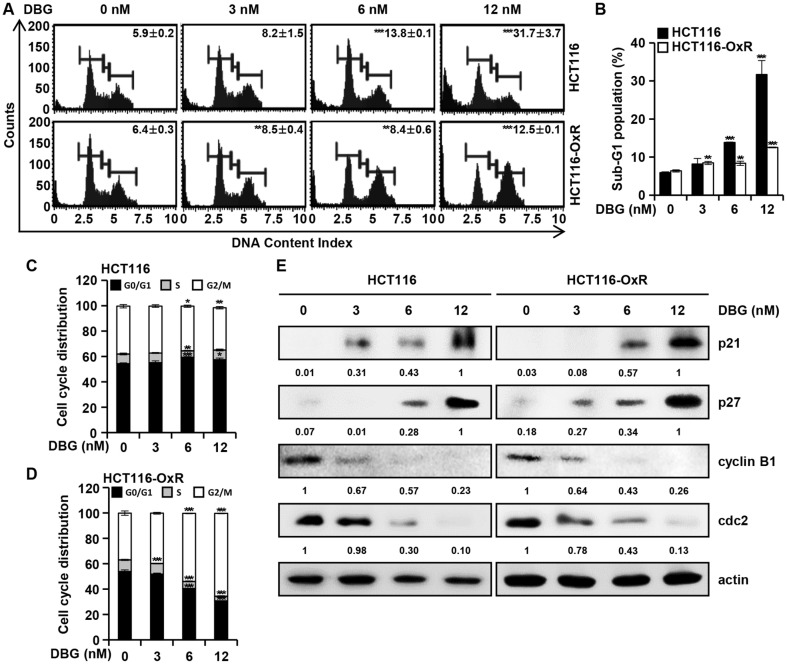 Figure 4
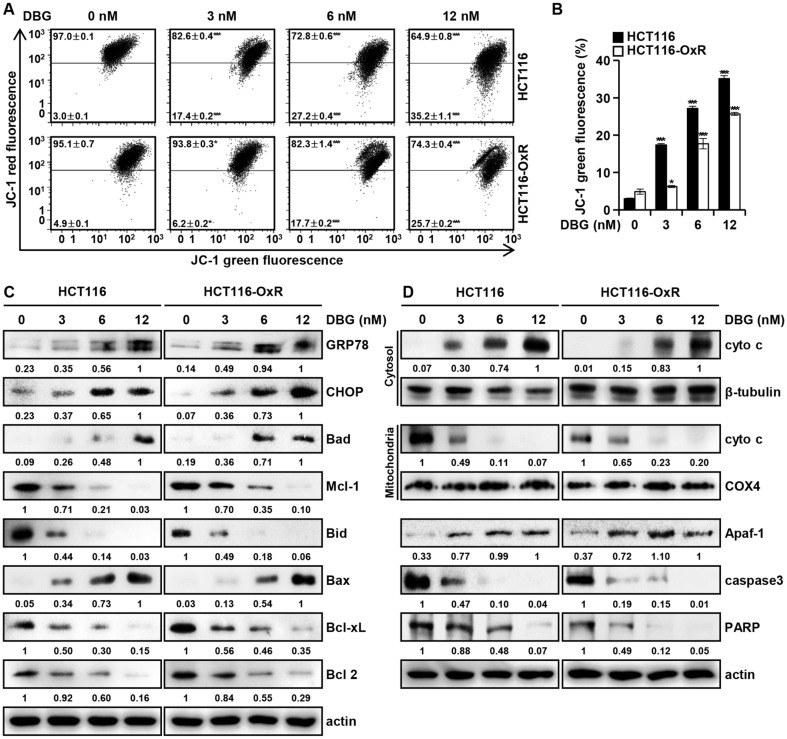 Figure 5
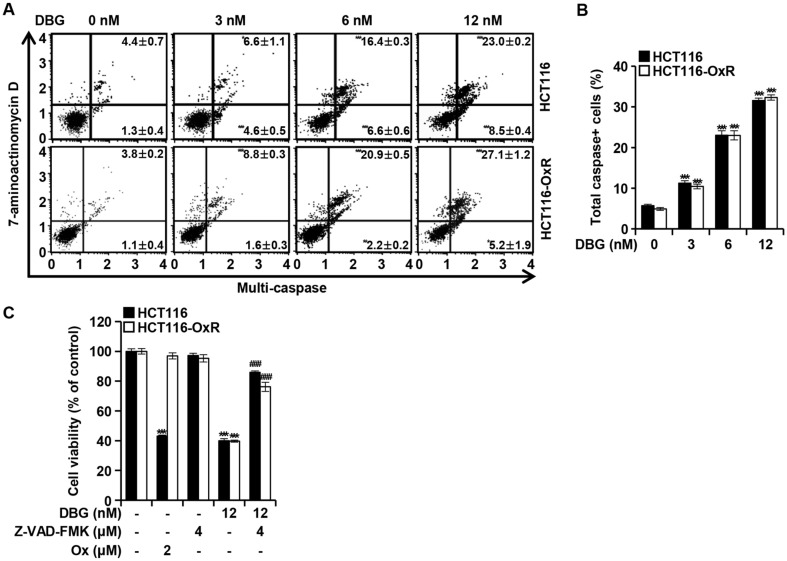 Figure 6
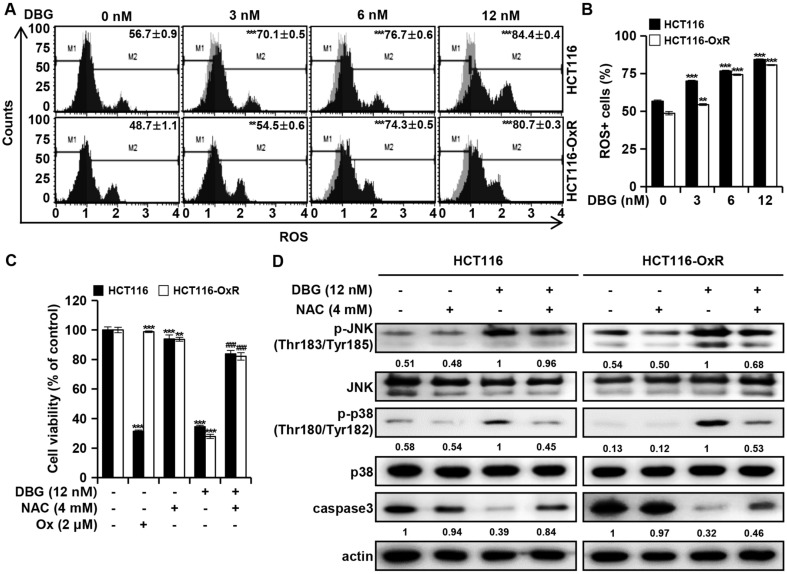 Figure 7
Peer Reviews
No public reviews on file for this paper yet. If you reviewed it on a platform where reviews are public (OpenReview, ICLR, NeurIPS, ICML), you can paste yours below so the community can read it here.
Videos
No videos yet. Explain this paper in a talk, walkthrough, or lecture? Add one.
Taxonomy
TopicsCancer Treatment and Pharmacology · Fungal Biology and Applications · Bioactive Compounds and Antitumor Agents