“Exploring the intersection of albinism and Trichilemmal carcinoma: A case of bilateral trichilemmal carcinoma in the axilla”
Musab A. Dfallah, Ahmed M. Elamin, Mohammed A. Gerib, Khalid E. Ahmed, Abdalla A. Arabi, Osama Abdelmutaal Idris Mutwali

TL;DR
A 35-year-old albino patient developed bilateral trichilemmal carcinoma in the axilla, highlighting the increased skin cancer risk in albinism and the need for tailored prevention.
Contribution
This case report documents a rare instance of bilateral trichilemmal carcinoma in an albino patient, emphasizing the need for vigilance in managing skin cancer risks in albinism.
Findings
Trichilemmal carcinoma was confirmed in both axillary masses with clear tumor margins after surgical excision.
The patient's albinism likely increased susceptibility to skin malignancies despite prior squamous cell carcinoma recovery.
The case underscores the importance of sun protection and proactive management for individuals with albinism.
Abstract
Albinism is an autosomal recessive disorder characterized by the absence of melanin in the skin, albinism has a prevalence of 1 in 1000 in sub-Saharan Africa, with a lack of melanin increased risk of skin malignancy. Trichlemmal carcinoma is a rare malignant adnexal tumor mostly in sun-exposed areas. We are presenting a case of a 35-year-old albino patient with a previous history of squamous cell carcinoma with full recovery. Presented with bilateral axillary masses with no other finding in history or examination. Short period deference between the two tumors with rapidly growing course. Both tumors were excised but in different operations, one covered with latissimus dorsi and the other primarily. Both tumor histopathologies revealed trichilemmal carcinoma with a free tumor margin. Albinism, caused by tyrosine deficiency and characterized by a lack of melanin, significantly increases…
Genes, proteins, chemicals, diseases, species, mutations and cell lines named across the full text — each resolved to its canonical identifier and authoritative record.
Click any figure to enlarge with its caption.
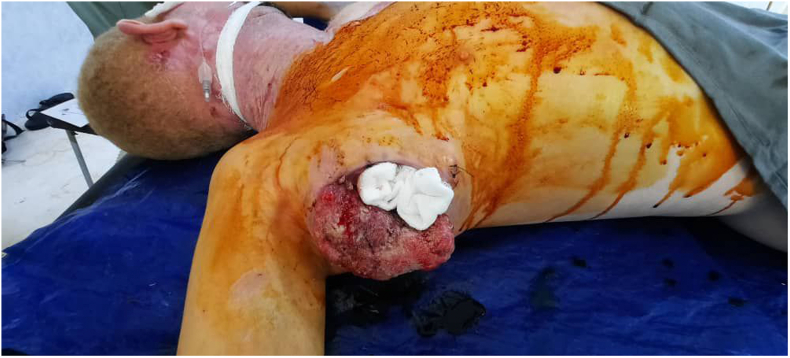 Figure 1
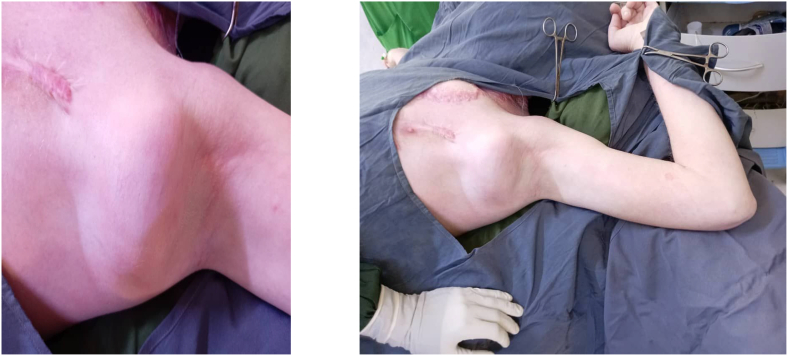 Figure 2
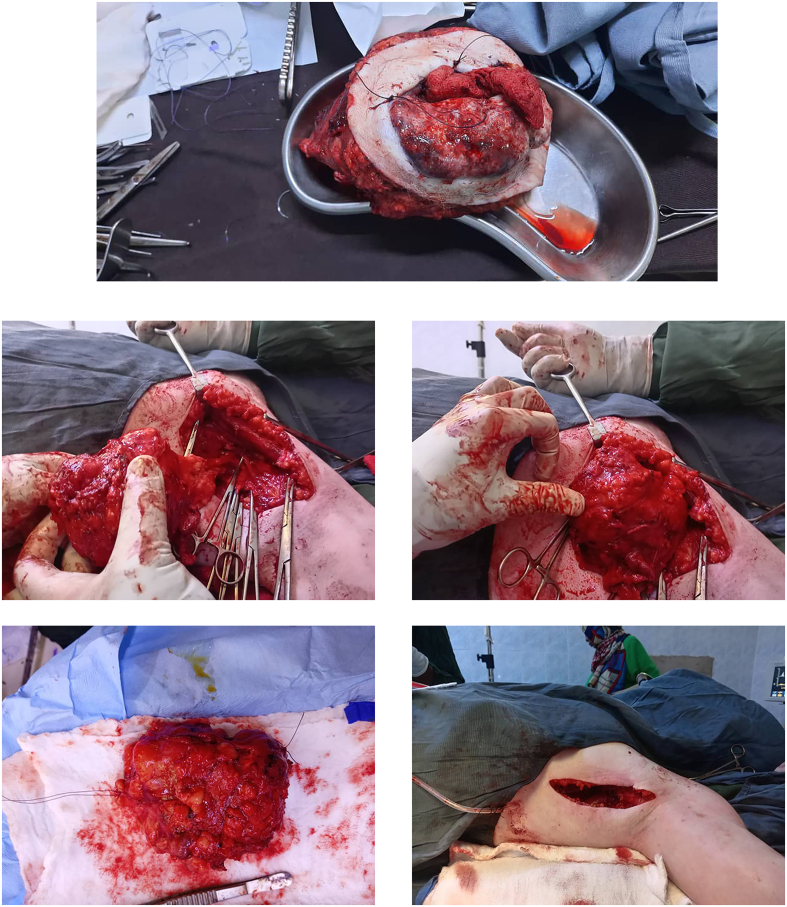 Figure 3
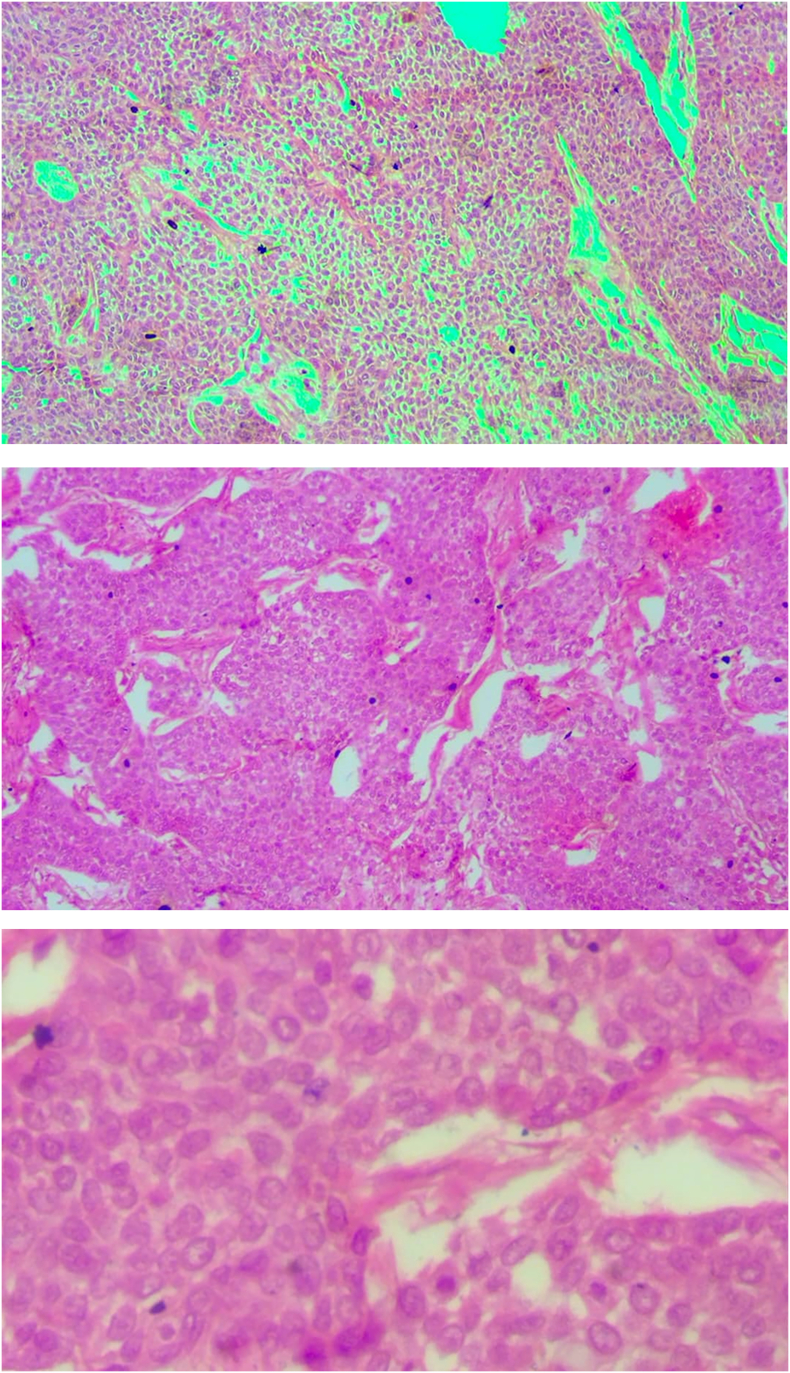 Figure 4
Peer Reviews
No public reviews on file for this paper yet. If you reviewed it on a platform where reviews are public (OpenReview, ICLR, NeurIPS, ICML), you can paste yours below so the community can read it here.
Videos
No videos yet. Explain this paper in a talk, walkthrough, or lecture? Add one.
Taxonomy
TopicsCancer and Skin Lesions · Nonmelanoma Skin Cancer Studies · Genetic and rare skin diseases.