Exploring the Association Between Human Blood Metabolites and Autism Spectrum Disorder Risk: A Bidirectional Mendelian Randomization Study
Wenhua Li, Suya Ma, Yunong Tian

TL;DR
This study explores how blood metabolites may influence autism risk using genetic data, identifying key metabolic pathways linked to autism.
Contribution
A bidirectional Mendelian randomization study reveals novel causal associations between specific blood metabolites and autism spectrum disorder.
Findings
55 known and 10 unknown blood metabolites were associated with autism spectrum disorder.
Tryptophan metabolism and other pathways like glucuronosyltransferase activity were highlighted as significant.
Metabolites like dodecenedioate and methionine sulfone showed a notable impact on ASD risk.
Abstract
Autism spectrum disorder (ASD) is a complex neurodevelopmental condition with a poorly understood etiology. Recent studies have suggested that metabolic dysregulation might be linked to the development of ASD; however, causal relationships remain unclear. This study aimed to investigate the causal association between these factors using two‐sample Mendelian randomization (TSMR). We conducted a TSMR analysis to assess the relationship between blood metabolites and ASD using summarized GWAS data. The metabolite dataset from the Canadian Longitudinal Study of Aging included 1091 metabolites and 309 ratios from 7824 European individuals. The ASD data from the Psychiatric Genomics Consortium comprised 18,381 ASD cases and 27,969 controls. Blood metabolites were set as exposures with ASD as the outcome. We primarily used the inverse‐variance weighted method, supplemented by MR‐Egger,…
Genes, proteins, chemicals, diseases, species, mutations and cell lines named across the full text — each resolved to its canonical identifier and authoritative record.
Click any figure to enlarge with its caption.
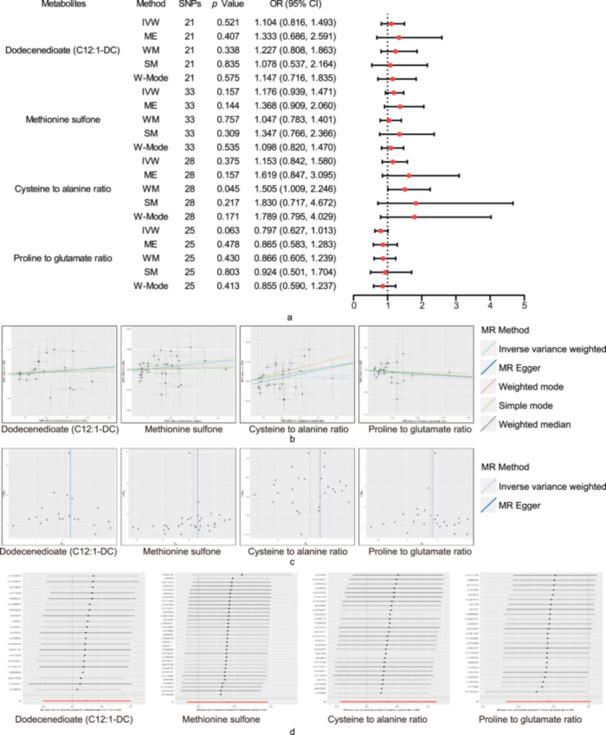 Figure 1
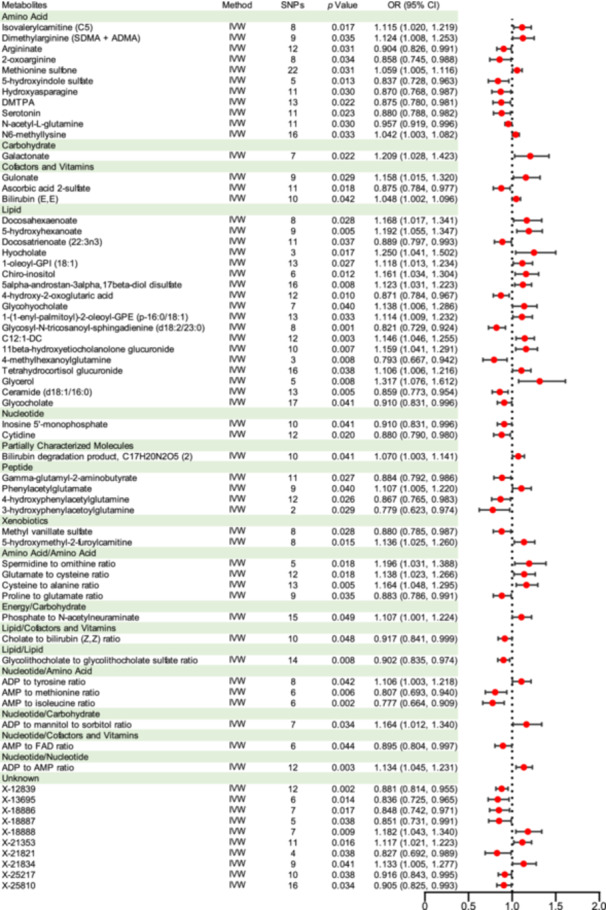 Figure 2
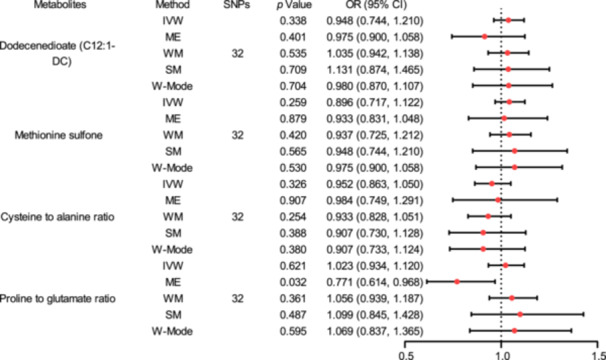 Figure 3
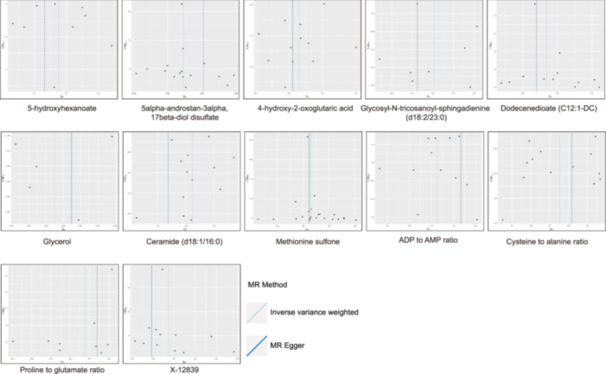 Figure 4
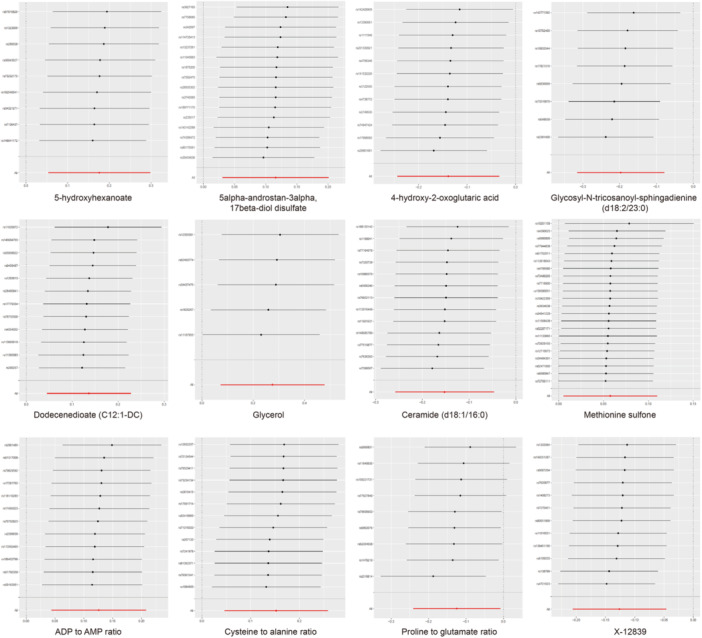 Figure 5
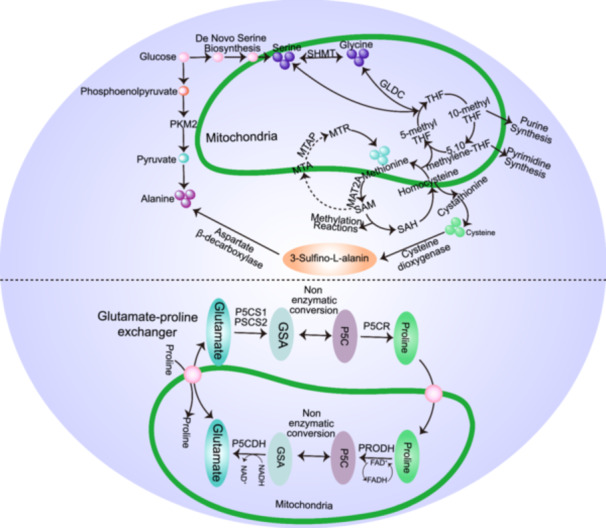 Figure 6
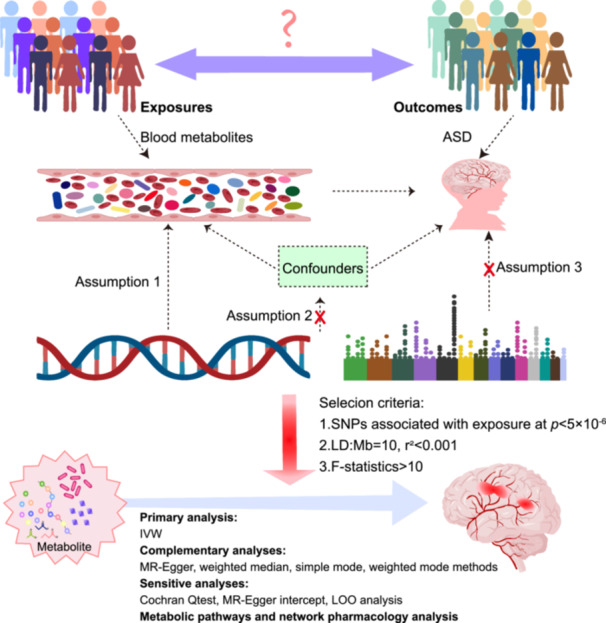 Figure 7
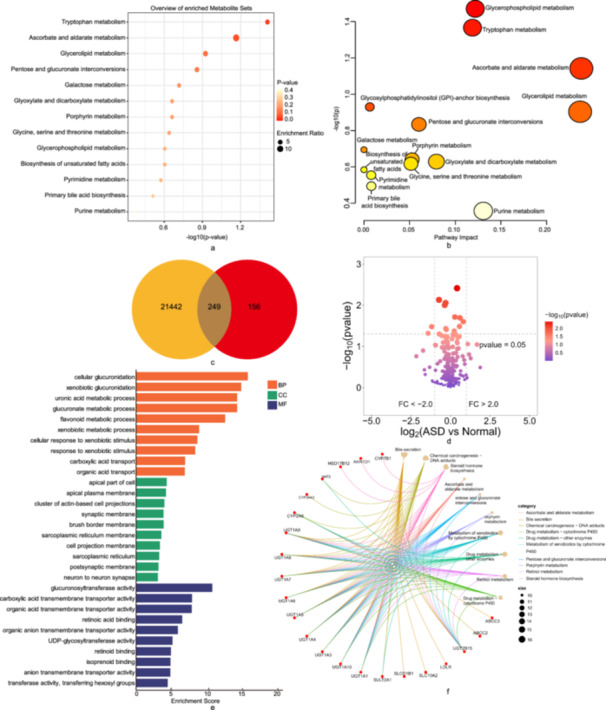 Figure 8
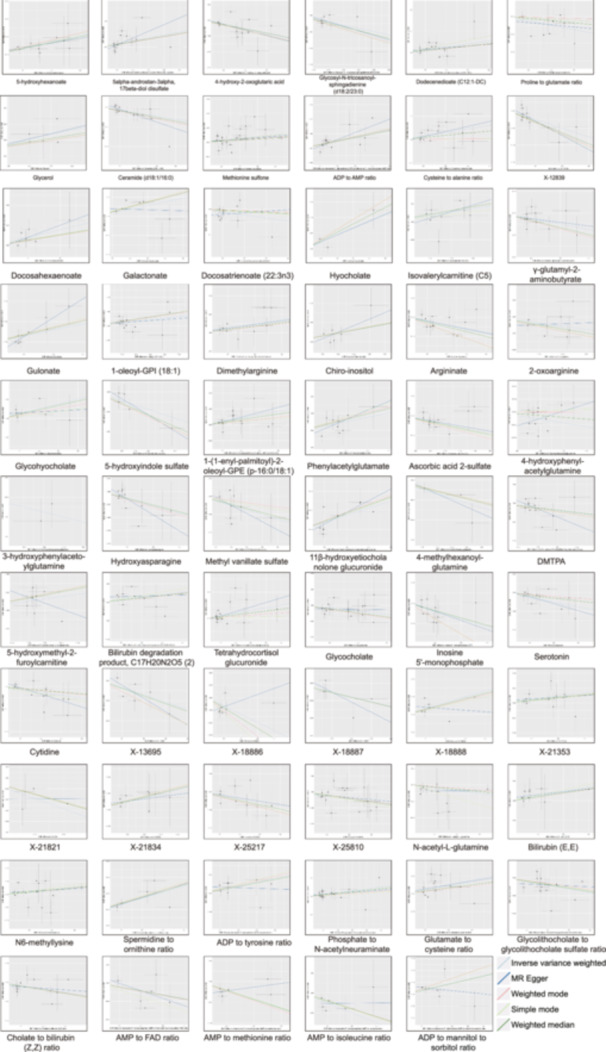 Figure 9
Peer Reviews
No public reviews on file for this paper yet. If you reviewed it on a platform where reviews are public (OpenReview, ICLR, NeurIPS, ICML), you can paste yours below so the community can read it here.
Videos
No videos yet. Explain this paper in a talk, walkthrough, or lecture? Add one.
Taxonomy
TopicsAutism Spectrum Disorder Research · Genetics and Neurodevelopmental Disorders · Pancreatic function and diabetes