Auditory and tactile frequency mapping for visual distance perception: A step forward in sensory substitution and augmentation
Pingping Jiang, Jonathan Rossiter, Christopher Kent

TL;DR
This study explores how sound and touch can represent visual distance, aiming to improve sensory substitution devices for the visually impaired.
Contribution
The paper introduces bidirectional cross-modal mappings between visual distance and non-visual frequencies for intuitive sensory substitution.
Findings
A monotonic negative correlation was the most common pattern (59%) between frequency and visual distance.
24% of participants showed a positive correlation between frequency and visual distance.
Common patterns suggest bidirectional mappings between visual distance and auditory/tactile frequencies.
Abstract
Vision is crucial for daily tasks and interacting with the environment, but visual impairment can hinder these activities. Many sensory substitution products and studies prioritize providing abundant and accurate information, yet often overlook the inherent relationship between different modalities, potentially preventing users from receiving information intuitively. This study investigated the representation of visual distance using auditory and vibrotactile frequency through a series of psychological cross-modal matching experiments. By establishing mapping functions between auditory/vibrotactile frequency and visual distance, we aim to facilitate the design of sensory substitution devices that take visual distance information (ranging from 1 m to 12 m) and convert it into non-visual information (auditory frequency within the range 47-2764 Hz or vibrotactile frequency within the range…
Genes, proteins, chemicals, diseases, species, mutations and cell lines named across the full text — each resolved to its canonical identifier and authoritative record.
Click any figure to enlarge with its caption.
 Figure 1
 Figure 2
 Figure 3
 Figure 4
 Figure 5
 Figure 6
 Figure 7
 Figure 8
 Figure 9
 Figure 10
 Figure 11
 Figure 12
 Figure 13
 Figure 14
 Figure 15
 Figure 16
 Figure 17
 Figure 18
 Figure 19
 Figure 20
 Figure 21
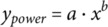 Figure 22
 Figure 23
 Figure 24
 Figure 25
 Figure 26
 Figure 27
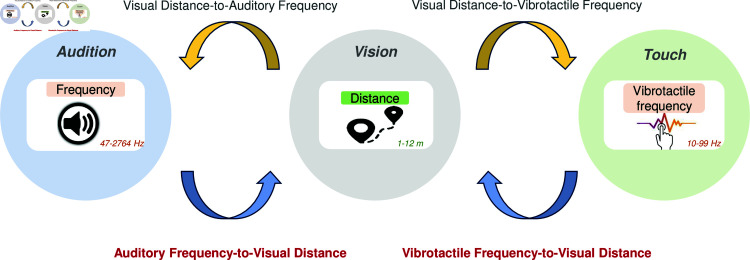 Figure 28
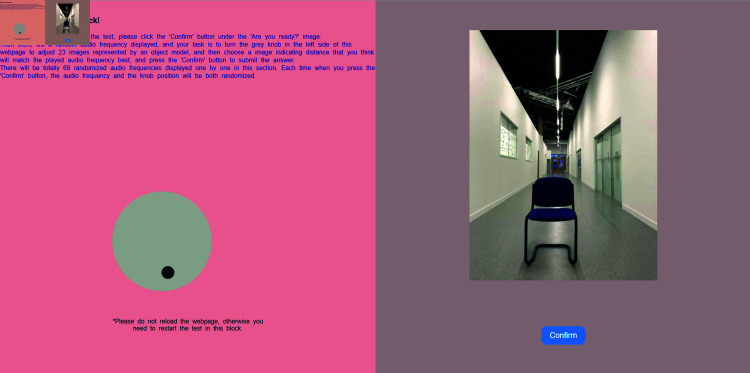 Figure 29
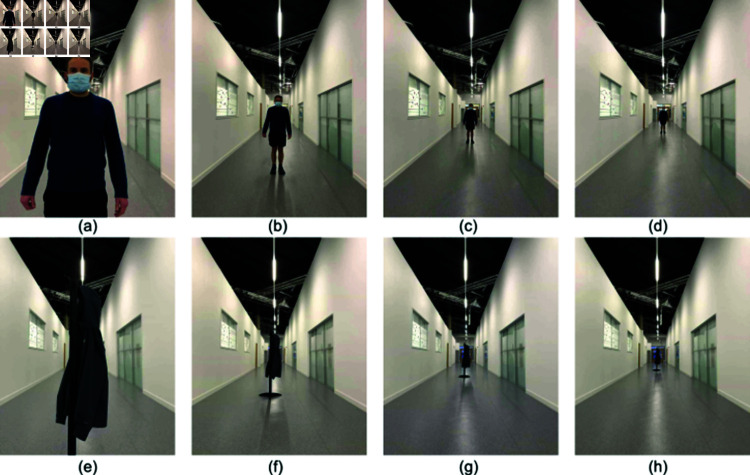 Figure 30
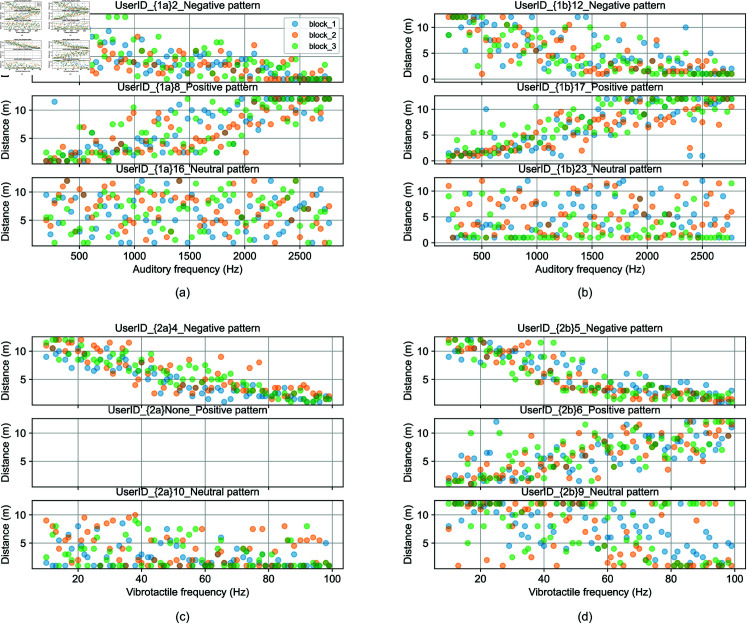 Figure 31
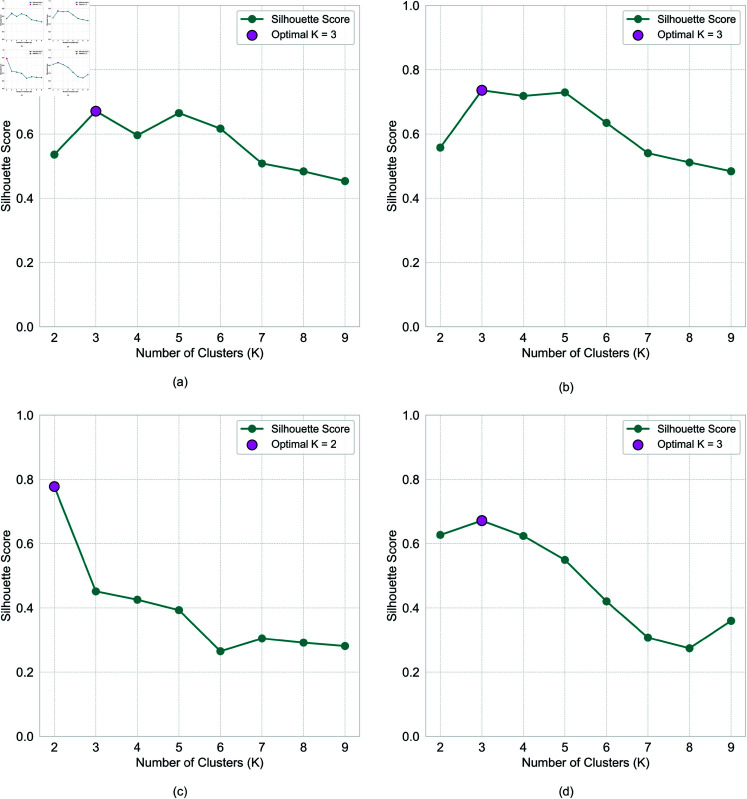 Figure 32
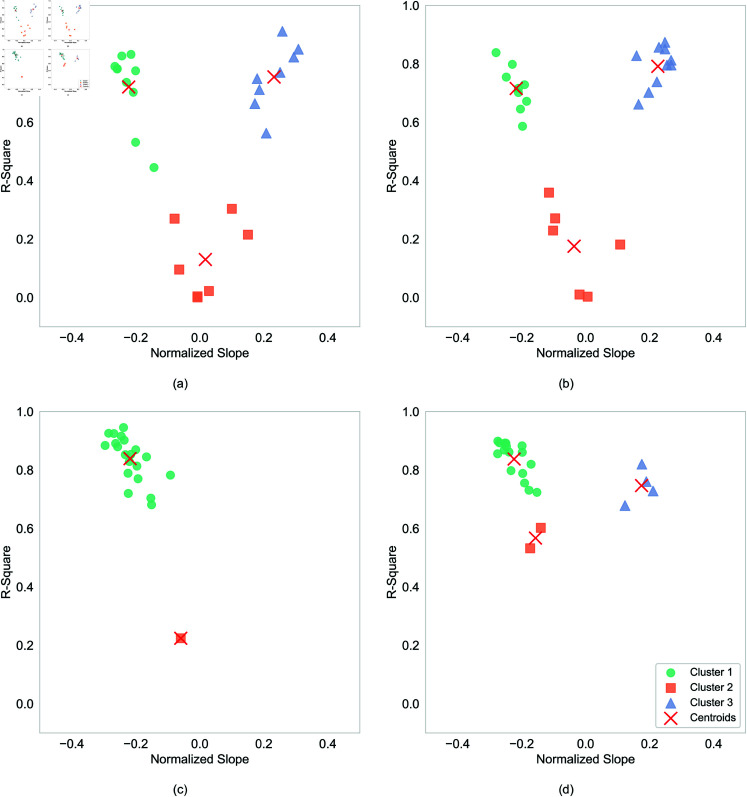 Figure 33
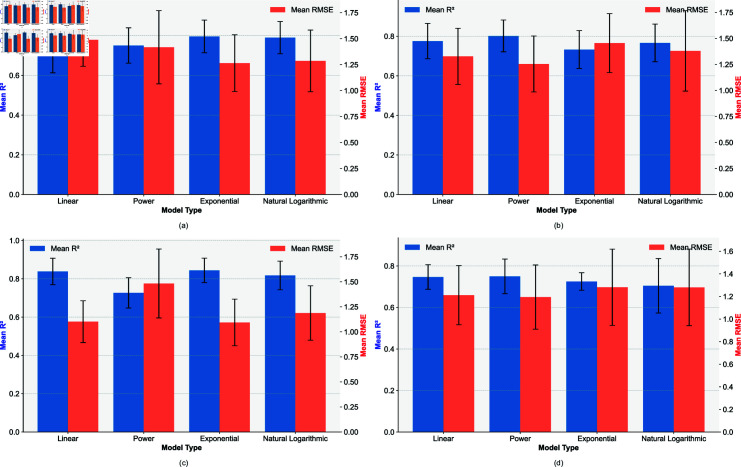 Figure 34
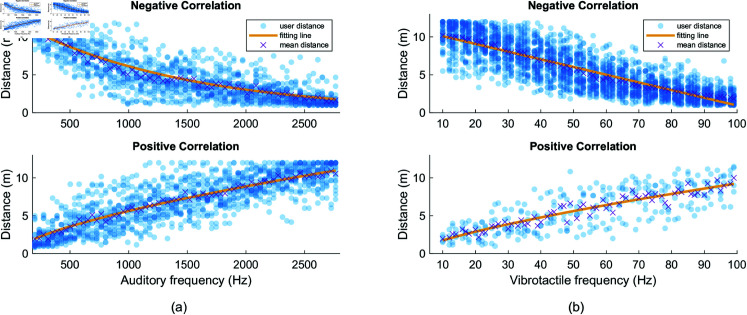 Figure 35
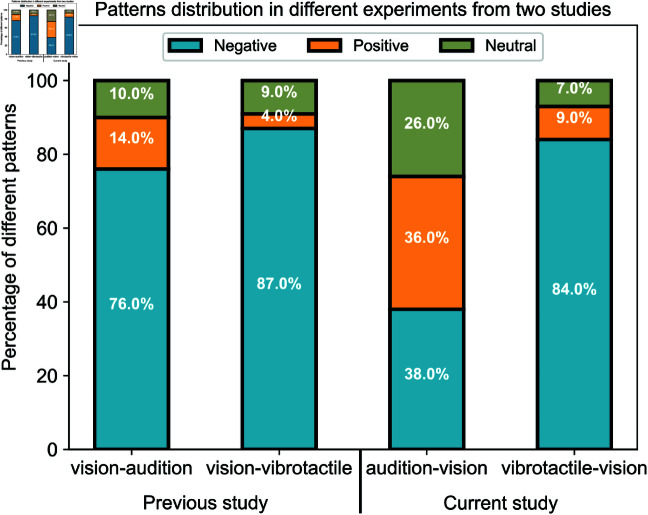 Figure 36
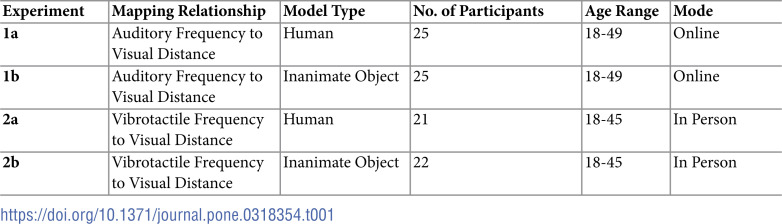 Figure 37
 Figure 38
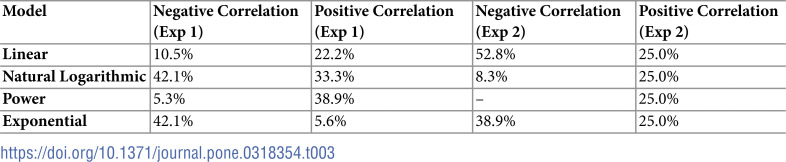 Figure 39
Peer Reviews
No public reviews on file for this paper yet. If you reviewed it on a platform where reviews are public (OpenReview, ICLR, NeurIPS, ICML), you can paste yours below so the community can read it here.
Videos
No videos yet. Explain this paper in a talk, walkthrough, or lecture? Add one.
Taxonomy
TopicsMultisensory perception and integration · Tactile and Sensory Interactions · Visual perception and processing mechanisms